Russia
Omsk Oblast, Russia — Towns & Travel Guide
Omsk Oblast spreads across the flat West Siberian Plain, where the Om meets the Irtysh at the region's one big city.
Find your area →


Towns & cities in Omsk Oblast
One town here has its own guide — it links to where to stay.
 Russia
Omsk
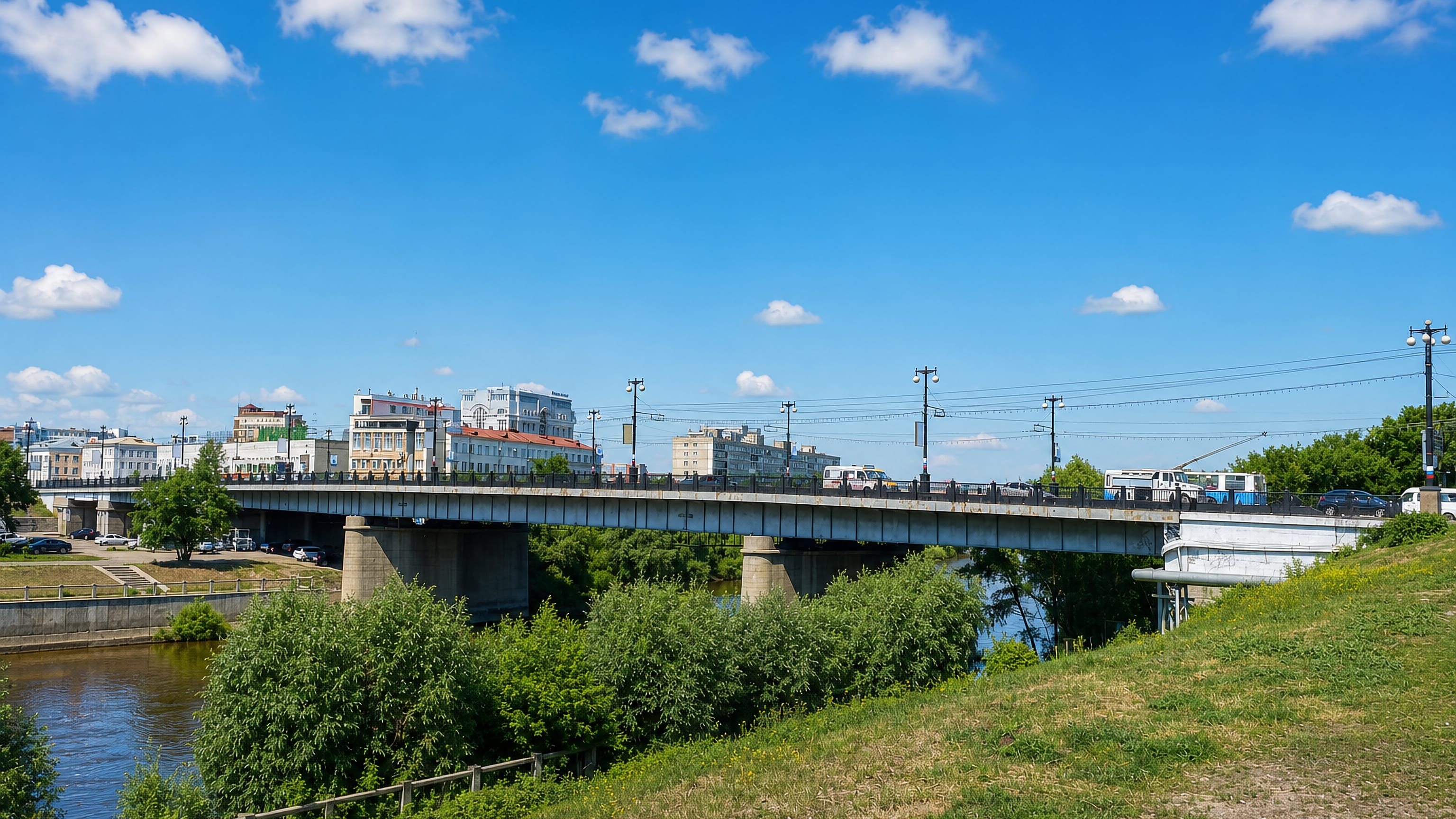
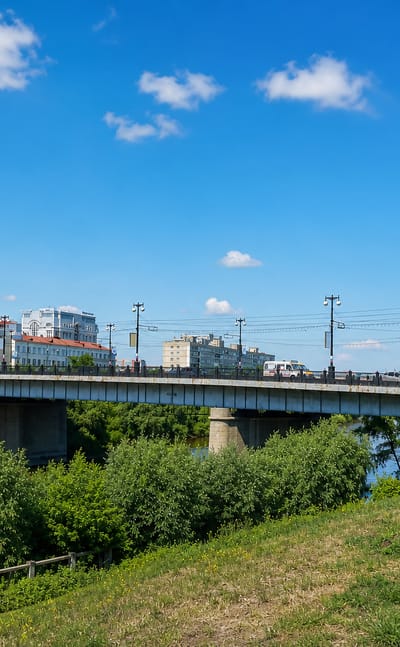
The Irtysh River runs through Omsk, a city in southwest Siberia and capital of Omsk Oblast, known for the Omsk Fortress and its Trans-Siberian crossing.Where to stay →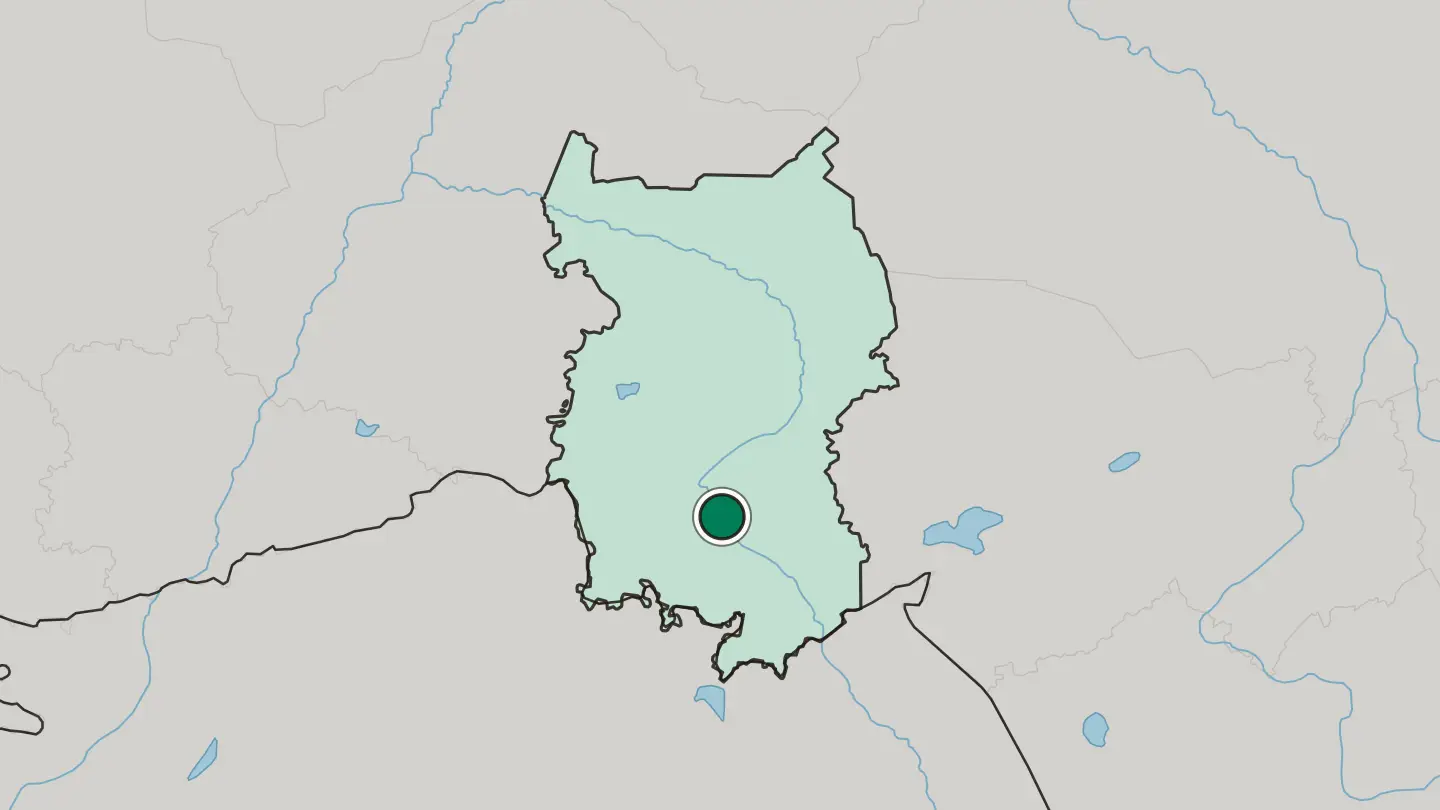
About Omsk Oblast
Omsk is the reason to come.
What is Omsk Oblast known for?
The region's single large city sits where the Om river empties into the Irtysh, and almost everything worth seeing clusters near that confluence or along the water leading north from it. Beyond the city the land flattens into farm country and steppe, thinning toward Kazakhstan in the south and rising into swampy taiga in the far north. Tara, the oldest town, guards the northern river route, and the rural zoo at Bolsherechye draws people out of Omsk for the day.
This is deep Western Siberia, not a coast or a mountain range.
Where is Omsk Oblast?
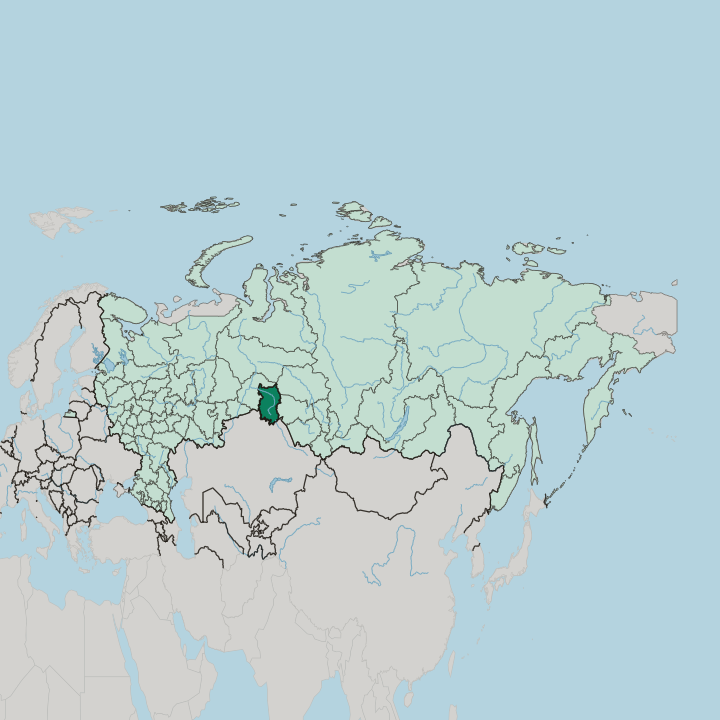
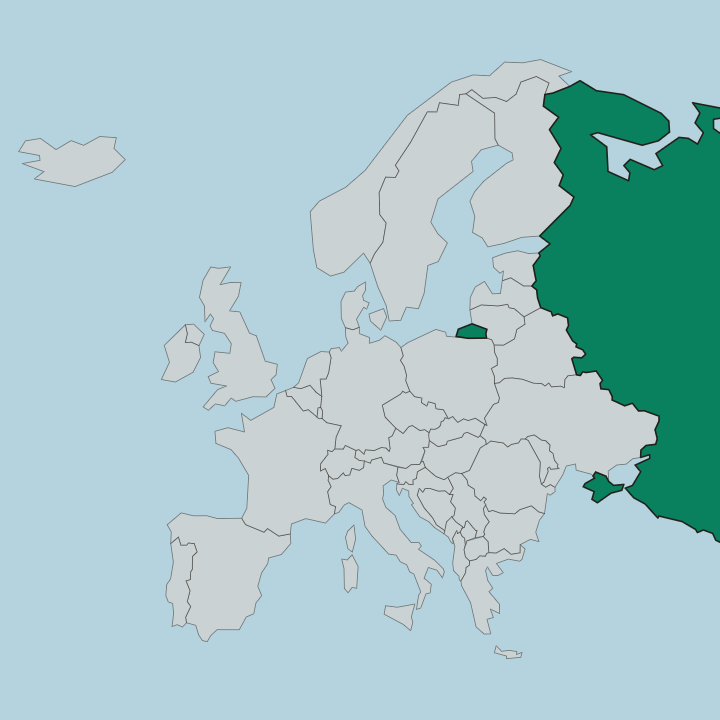
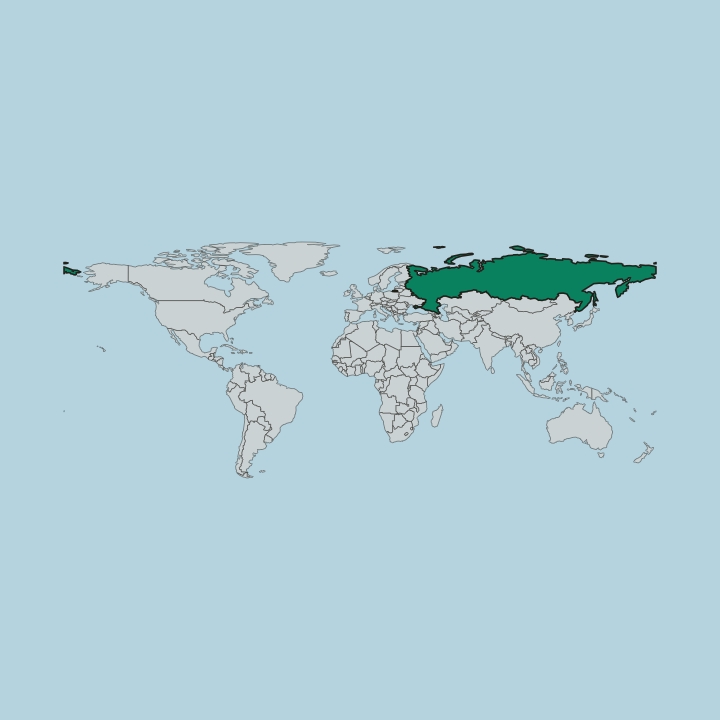
Omsk Oblast lies in southwestern Siberia, on the southern reach of the flat West Siberian Plain. It is long and narrow, stretching far more from north to south than from west to east. Kazakhstan runs along its whole southern edge.
Tyumen Oblast wraps the north and west, while Novosibirsk Oblast and Tomsk Oblast close off the east, so every border is another Russian region except the one facing the Kazakh steppe. The Irtysh is the spine of the region, flowing up from Kazakhstan and crossing the oblast from south to north on its way toward the Ob. Nearly all the water drains into it.
Feeding the Irtysh along the way are the Om, the Ishim, the Osha and the Tara, and the city of Omsk grew up exactly where the Om river joins it. Land itself changes as you move north. Dry Ishim Plain and open steppe of the south give way to birch forest-steppe in the middle, and then to dense, swampy taiga of pine, fir and birch near the Tyumen and Tomsk borders.
Nothing here rises steeply. This is plain country, drawn and defined by its rivers.
What is Omsk Oblast like?
The region reads as a Russian frontier that gathered many peoples. Russians make up the large majority, but Kazakhs, Ukrainians, Germans and Tatars have long shared the plain, and the German villages of the Azovo district trace back to settlers who farmed this steppe generations ago. That mix is the everyday texture of the place, not a festival exhibit.
Omsk carries the cultural weight. The five-domed Assumption Cathedral rebuilt above the city centre, the old Siberian Cossack fortress and the theatres and museums along the Om and Irtysh give the city more depth than its remote position suggests. Fyodor Dostoyevsky served four years of hard labour in the Omsk stockade, and the experience fed straight into his later writing, which is why the city keeps his memory close.
Out in the districts life turns rural and quiet. The zoo at Bolsherechye, unusual for a village that size, is the one cultural draw that regularly pulls city people north. Faith here leans Orthodox, alongside a large share who claim no religion and a Muslim minority among the Kazakhs and Tatars.
It is a working region first, and its culture wears that plainly.
What is the history of Omsk Oblast?
Russian settlement began at Tara, a fort raised on the Irtysh in 1594 as the empire pushed east. Omsk followed in 1716, when a detachment sent under Peter the Great built a fortress where the Om river meets the Irtysh, and the town became the headquarters of the Siberian Cossacks. The Trans-Siberian Railway reached it in the 1890s and turned a garrison into a trading hub.
During the Russian Civil War Omsk briefly served as the seat of the anti-Bolshevik government under Admiral Kolchak. The oblast itself was drawn in 1934.
What is the climate of Omsk Oblast?
The climate is sharply continental, cut off from any softening sea. Winters are long and bitter, with January often locked far below freezing across the open plain, while the short summers turn genuinely warm and are when most rain falls. Snow lies heavier and longer in the northern taiga than on the southern steppe near Kazakhstan, where the air runs drier and the growing season is a little kinder to the wheat farms.
Expect big swings. The same flat land that bakes in July freezes hard by December.
How do you get to Omsk Oblast?
Most people arrive at Omsk. The city has the region's airport and sits on the main Trans-Siberian Railway, which runs east to Novosibirsk and west toward the Urals, so a train through Omsk is the classic overland approach. From Kazakhstan the road and rail lines come up from the south across the steppe.
Within the oblast the Irtysh links Omsk with the river towns to the north, and buses run out to Tara and the smaller settlements on the plain.
Common questions
What is the best area to stay in Omsk Oblast?
Omsk: settling into Omsk Oblast for the first time.
Good for
More regions in Russia
Updated September 2026