Russia · Pskov Oblast
Where to Stay in Pskov, Pskov Oblast
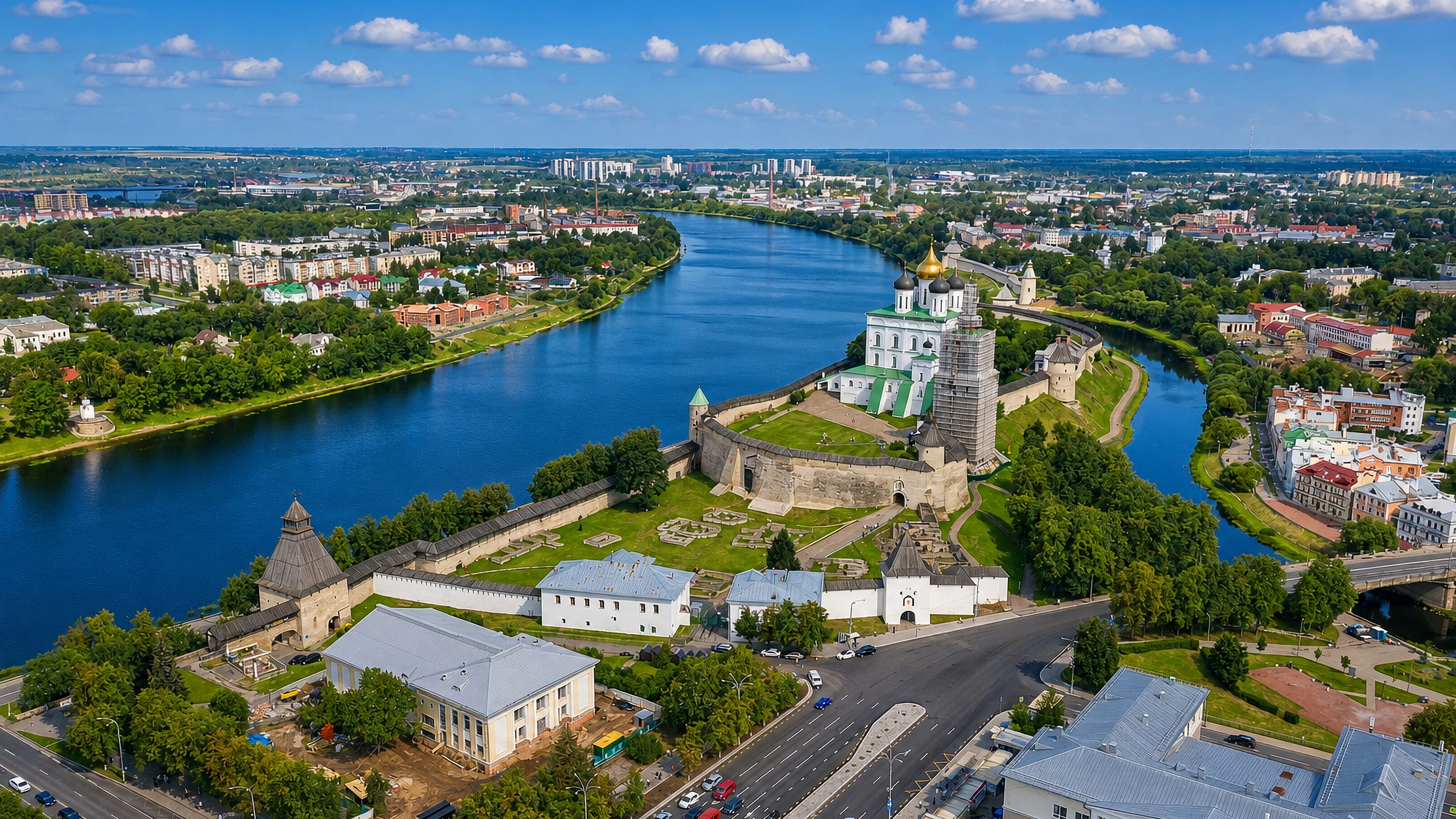
Stone towers and old churches stand over Pskov, an ancient walled city in Pskov Oblast known for its Trinity Cathedral and Gremyachaya Tower.
Find your area →


Where to stay in Pskov
The practical side of choosing where to sleep.
Pskov clusters its lodging around the old fortress and the church quarters that spread beyond the walls, so where you stay depends on how close you want to be to the towers. The citadel core holds the Trinity Cathedral and the guard towers within a short walk. For a first visit, the citadel core makes the easiest base.
Travellers who want the medieval heart settle near the Dovmontova Tower and the Kutekroma Tower, where the Princess Olga Monument marks the approach to the fortress gate. Across the old quarters, quieter streets run past the parish churches. If you have come for the layered church-building of the city, base yourself near the Mirozh monastery Transfiguration Cathedral, the Church of Epiphany s Zapskovya, or the Saint John the Baptist Cathedral, among the oldest sacred buildings of Pskov.
The Gremyachaya Tower stands off on its own hill beyond. Each quarter keeps its own pace.
Things to do in Pskov
Ranked by global recognition; descriptions from Wikidata (CC0).
Churches & Religious Sites
8- Trinity Cathedral in Pskov Heritage
- Mirozh monastery Transfiguration Cathedral Heritage
- Saint John the Baptist Cathedral (Pskov) Heritage
- Church of Saint Basil of Caesarea on the Hill Heritage
- Saint Nicholas church so Usokhi Heritage
Show 3 more →
- Church of Epiphany s Zapskovya, Pskov Heritage
- Church of the Dormition of the Theotokos at the Ferry, Pskov Heritage
- Church of Saint George so Vzvoza, Pskov Heritage
Castles & Historic Sites
2- Princess Olga Monument
- Памятник героям Первой мировой войны
Landmarks & Notable Places
6- Gremyachaya Tower, Pskov Heritage
- Ploskaya Tower Heritage
- Dovmontova Tower, Pskov Heritage
- Kutekroma Tower Heritage
- Srednyaya Tower, Pskov Heritage
Show 1 more →
- дом Г. Ф. Станкевича Heritage
worth knowingacross 3 categories in Pskov
About Pskov
What is Pskov known for?
Pskov is known above all for its medieval fortress and the churches ringed by its old walls in Pskov Oblast. Few Russian cities keep so much stone. The Trinity Cathedral rises at the heart of the citadel, and around it the Gremyachaya Tower, the Kutekroma Tower, and the Dovmontova Tower still guard the walls, a defensive line of towers and cathedrals that has stood since the city's earliest centuries.
What are the main landmarks in Pskov?
Pskov holds landmarks that run from its fortress towers to its ancient parish churches. The walls come first. The Gremyachaya Tower, the Kutekroma Tower, and the Ploskaya Tower guard the old citadel, while the Trinity Cathedral crowns its centre, the Mirozh monastery Transfiguration Cathedral keeps its early frescoes across the water, and the Princess Olga Monument honours the city's founding legend.
What is the history of Pskov?
Pskov appears in the record from 903, one of the oldest towns of what is now Pskov Oblast. It began as a fortified river settlement. From that early stronghold the town grew into a powerful medieval republic, raising the walls and the guard towers that still stand and building the Trinity Cathedral at the centre of its citadel as the seat of its faith and its independence.
Through the centuries the fortress endured siege after siege, its stone towers holding the frontier of the wider country. The Mirozh monastery Transfiguration Cathedral preserved its early painted interiors while parish churches multiplied, the Saint John the Baptist Cathedral among the oldest, and the Princess Olga Monument later recalled the ruler linked in legend to the city's beginnings. Wars passed, the walls remained.
From the medieval republic of the frontier, Pskov grew into the historic capital of its oblast, its old citadel still ringed by the towers that gave the town its name for strength.
Where is Pskov?
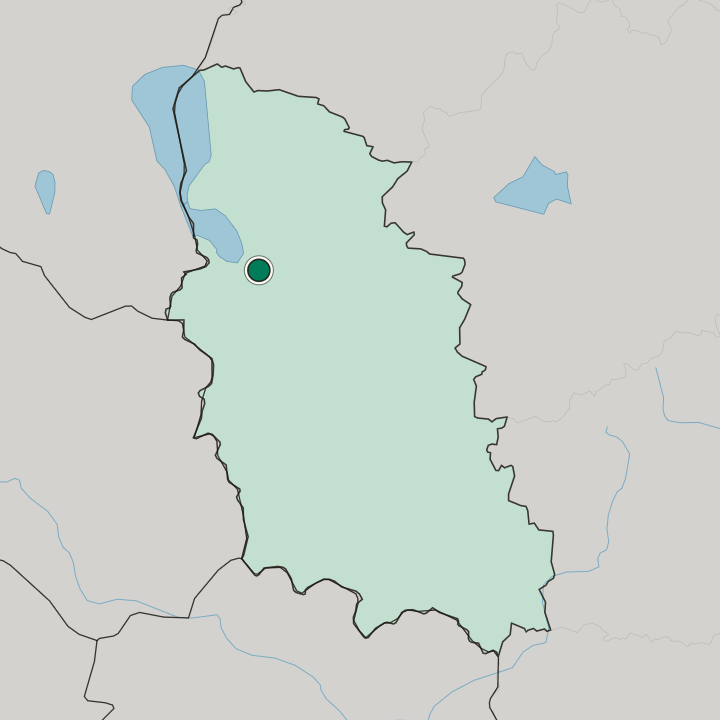
Pskov stands within Pskov Oblast, its old citadel raised on high ground where the walls once met the water. The setting is shaped by that fortress rise. The Trinity Cathedral marks the crest of the walled core, the Gremyachaya Tower holds its own hill beyond the centre, and the city spreads outward from the old walls across the surrounding lowland of the oblast it governs.
What is the climate of Pskov?
Pskov has a continental climate softened by its northerly, damp setting in Pskov Oblast. Winters run long. Grey frosts settle over the fortress towers and the church roofs through the cold months, while the short mild summers bring green to the walls around the Trinity Cathedral before the chill returns to the surrounding lowland.
How do you get to Pskov?
Pskov is reached by rail and road as a border-region hub of Pskov Oblast. Most reach Pskov overland, by rail or by road. Railways and highways link the city to the wider country and carry visitors toward the old citadel, where the Trinity Cathedral and the Dovmontova Tower gather the medieval heart within a short walk of one another.
Good for
Another city in Pskov Oblast
Updated September 2026