Russia · Respublika Tyva
Where to Stay in Kyzyl, Respublika Tyva
Kyzyl is the capital of Tuva in southern Siberia, set where two rivers meet to form the Yenisei at the claimed centre of Asia.
Find your area →


Where to stay in Kyzyl
Where the beds are, and what that means for the visit.
Choosing a bed in Kyzyl comes down to the central streets or the edge of town. The streets around the main square and the river keep the museum, the temple, and the monument within a walk, and staying downtown suits anyone here for the town. The square is quiet in the cold.
Rooms sit near the river and the obelisk. Out toward the edges and the steppe, the town runs into plainer blocks. A room away from the centre trades the square for space, parking, and an easy road out to the mountains.
The bare steppe opens past the town. If you want the temple and the museum, stay in the centre; if you want the road, take a room outside. Either way, the river meeting is close at hand.
Things to do in Kyzyl
Ranked by global recognition; descriptions from Wikidata (CC0).
Museums & Galleries
2- Aldan Maadyr National Museum Heritage
- Музей истории политических репрессий в Туве Heritage
Churches & Religious Sites
1- Tsechenling (Kyzyl) Heritage
Castles & Historic Sites
2- Center of Asia Heritage
- Kadarchy monument Heritage
Stadiums & Sports
1- Ярыгин аттыг спортчу комплекс
Landmarks & Notable Places
1- Здание, в котором размещалось представительство СССР в Тувинской Народной Республике Heritage
worth knowingacross 5 categories in Kyzyl
About Kyzyl
Kyzyl marks the centre of the Asian continent.
What is Kyzyl known for?
A monument on the riverbank claims the town as the very heart of Asia, where the two branches of the Yenisei join, and its Buddhist temple and throat-singers keep the old Tuvan culture alive. Steppe and mountains ring the town. Rivers and song mark the city.
What are the main landmarks in Kyzyl?
The Centre of Asia monument stands on the riverbank of Kyzyl. An obelisk marks the claimed middle of the continent where the two rivers join, the emblem of the town, above the Yenisei. Temples and museums fill the centre.
The Tsechenling Buddhist temple keeps the Tuvan faith, while the Aldan Maadyr National Museum holds the Scythian gold and the Kadarchy shepherd monument watches the steppe.
What is the history of Kyzyl?
Kyzyl was born as the capital of a remote land. Russian settlers founded the town in 1914 at the meeting of the rivers, and it soon became the seat of Tuva, a mountain country between Russia and Mongolia. For a time Tuva stood alone.
Between the world wars it was a separate state, one of the few Buddhist republics on earth, before it joined the Soviet Union in 1944 as its most distant corner. The town held two faiths at its heart. The Tuvans kept both Tibetan Buddhism and the old shamanism of the steppe, and the temples and drums survived the Soviet years to rise again.
A monument claimed the centre of Asia. Geographers marked the spot by the river as the middle of the continent, and Kyzyl raised an obelisk there that still stands above the water. The throat-singers carry the old sound.
Kyzyl guards its rivers and its faiths deep in the mountains.
Where is Kyzyl?
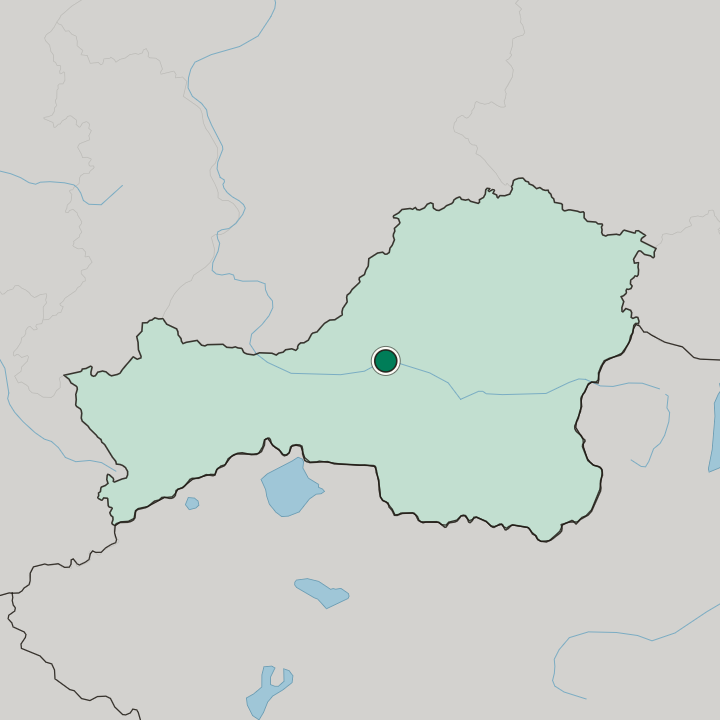
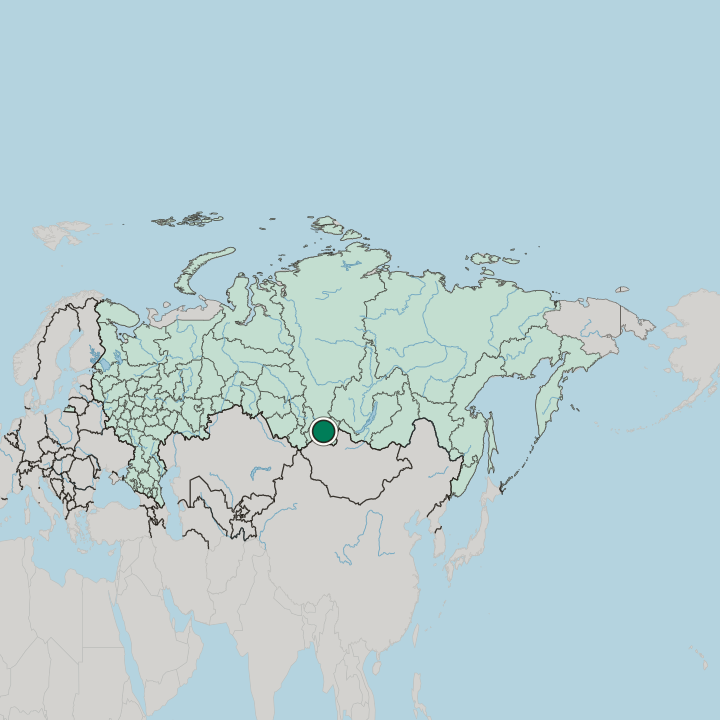
Kyzyl lies in a broad basin among the mountains of southern Siberia. The town sits where the Bolshoy and Maly Yenisei rivers meet to form the great Yenisei, in a dry steppe valley ringed by the ranges of Tuva near the Mongolian border. Bare hills rise around the basin.
The steppe rolls away to the mountains.
What is the climate of Kyzyl?
Kyzyl has a harsh continental climate. Bitterly cold, still winters grip the basin for months, and the short summers turn hot and dry on the steppe, with little rain through the year. Ice locks the rivers deep in winter.
The dry air swings between extremes.
How do you get to Kyzyl?
Kyzyl lies far off in the mountains of southern Siberia. A single long road runs to it over the ranges from Abakan to the north, and a small airport links it to the wider country, for no railway reaches the town. Buses cross the passes to the valleys around.
Most arrive by the long mountain road.
Good for
Updated October 2026