Russia · Sankt-Peterburg
Where to Stay in Peterhof, Sankt-Peterburg
Peterhof is a palace town on the Gulf of Finland near Saint Petersburg, Russia, famed for the gilded fountains and gardens of Peter the Great.
Find your area →


Where to stay in Peterhof
Where visitors usually base themselves, and why.
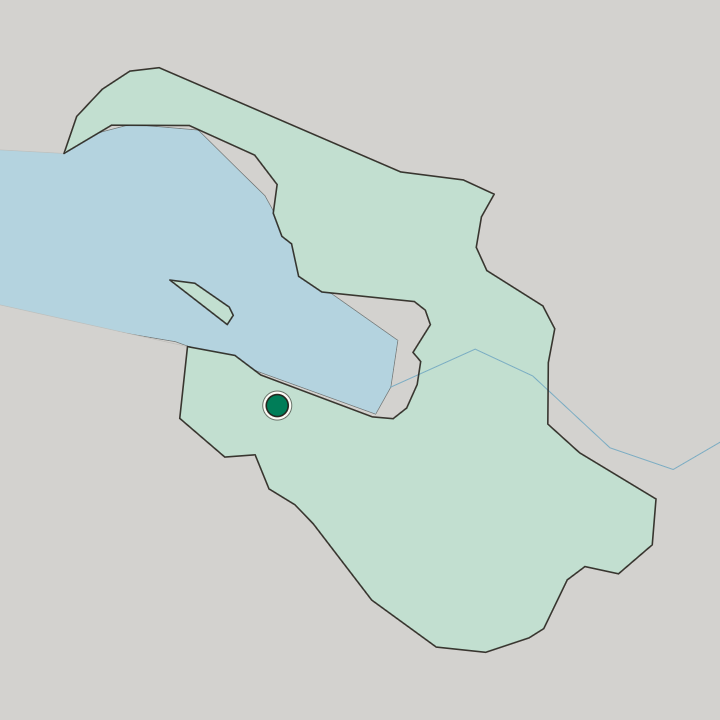
Where you stay in Peterhof turns on the parks. Near the palace gates, guesthouses put the Grand Cascade, the Lower Park, and the fountains within a walk, and staying by the gardens suits anyone here for the palace. The parks empty and hush after closing.
Rooms cluster in the old streets by the gates. Out toward the shore and the station, the town spreads into quieter, greener streets. A room away from the gates trades the crowds for calm, gardens, and an easy way back to Saint Petersburg.
The gulf lies open past the trees. If you want the fountains at the gate, stay by the park; if you want the quiet, take a room toward the shore. Either way, the great cascade is close at hand.
Things to do in Peterhof
Ranked by global recognition; descriptions from Wikidata (CC0).
Museums & Galleries
1- Музей игральных карт (Петергоф)
Churches & Religious Sites
3- Cathedral of Saints Peter and Paul Heritage
- Saint Seraphim of Sarov church in Peterhof Heritage
- Holy Trinity church Heritage
Castles & Historic Sites
1- Peterhof Landing memorial in Lower Park
Landmarks & Notable Places
8- New Peterhof station Heritage
- Palace stables in Peterhof Heritage
- Olgin Pond Heritage
- Gothic Houses (Peterhof) Heritage
- Court Ladies' Houses in Peterhof Heritage
Show 3 more →
- Мастеровой двор (Петергоф) Heritage
- Кавалерские дома (Петергоф) Heritage
- Petrodvortsovy District administration building Heritage
worth knowingacross 4 categories in Peterhof
About Peterhof
Peterhof is called the Russian Versailles.
What is Peterhof known for?
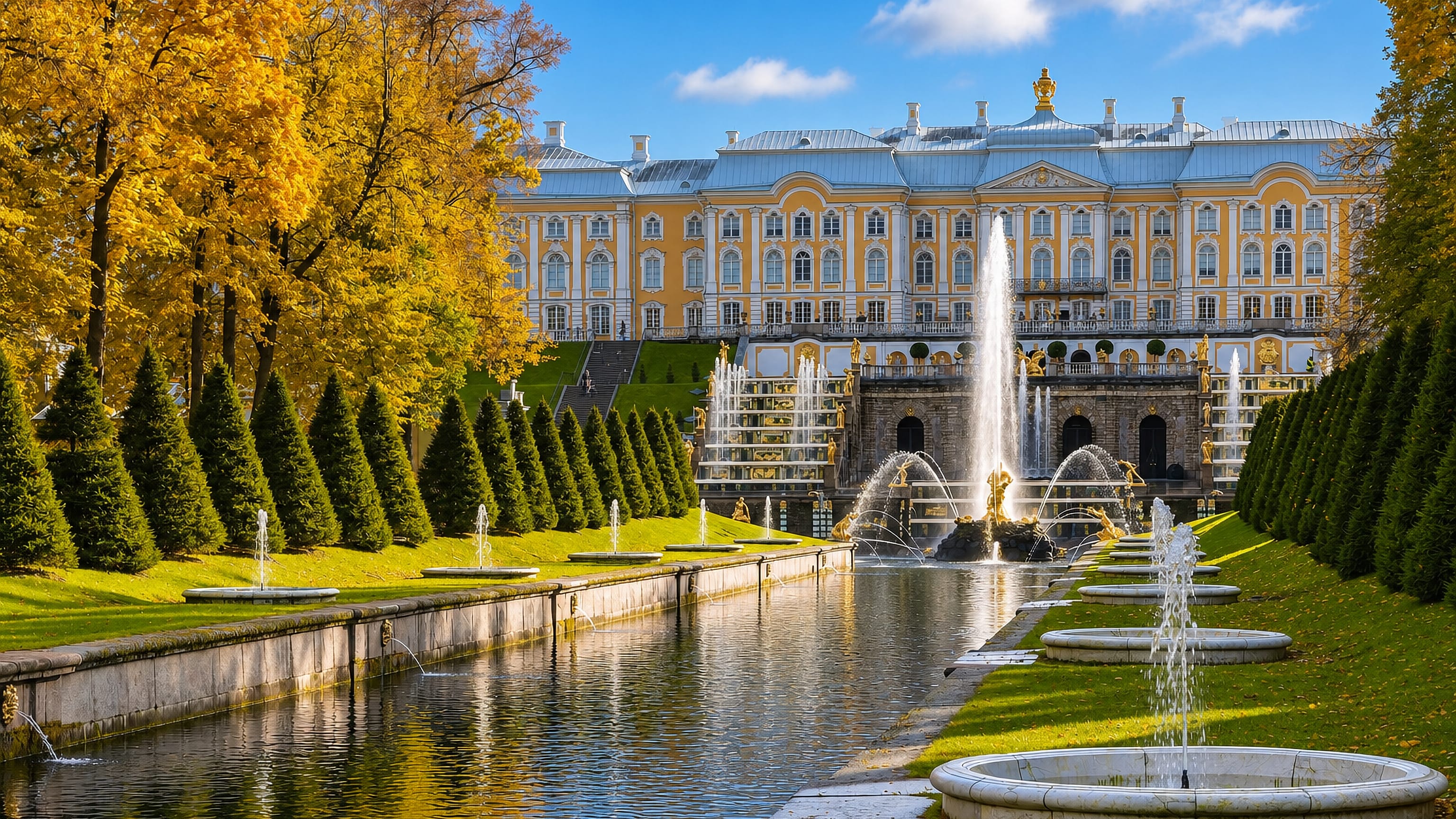
Peter the Great built his grandest palace here above the Gulf of Finland, and its Grand Cascade sends gilded statues and hundreds of fountains tumbling down to the sea. The Lower Park spreads green below the terraces. Water and gold make its fame.
What are the main landmarks in Peterhof?
The Grand Cascade is Peterhof's wonder. Gilded gods and hundreds of jets pour down the terraces from the palace to the sea, the great sight of the town, and the Lower Park spreads its trick fountains and shady walks below, among them the Adam fountain and the Eve fountain. Gold gleams everywhere here.
The Cathedral of Saints Peter and Paul rises in the town above, while the whole park is kept as the Peterhof Museal Reserve.
What is the history of Peterhof?
Peterhof was born of a tsar's ambition. When Peter the Great built his new capital on the Baltic, he wanted a summer palace to rival Versailles, and he chose this shore of the Gulf of Finland for its view of the sea and his fleet. Water was the whole idea.
From the high ground the tsar's engineers ran the Grand Cascade and hundreds of fountains down to the gulf, all fed by gravity from distant springs, without a single pump. The palace grew for two centuries. Empress after empress enlarged the halls and gardens, and the Lower Park filled with gilded statues, trick fountains, and pavilions along the sea.
War almost destroyed it all. The Germans wrecked the palace and looted its treasures in the last war, and the fountains fell silent under the guns, but the Russians rebuilt every hall and cascade from old plans. Guarded now as the Peterhof Museal Reserve, the whole ensemble survives.
The golden fountains run again down to the sea.
Where is Peterhof?
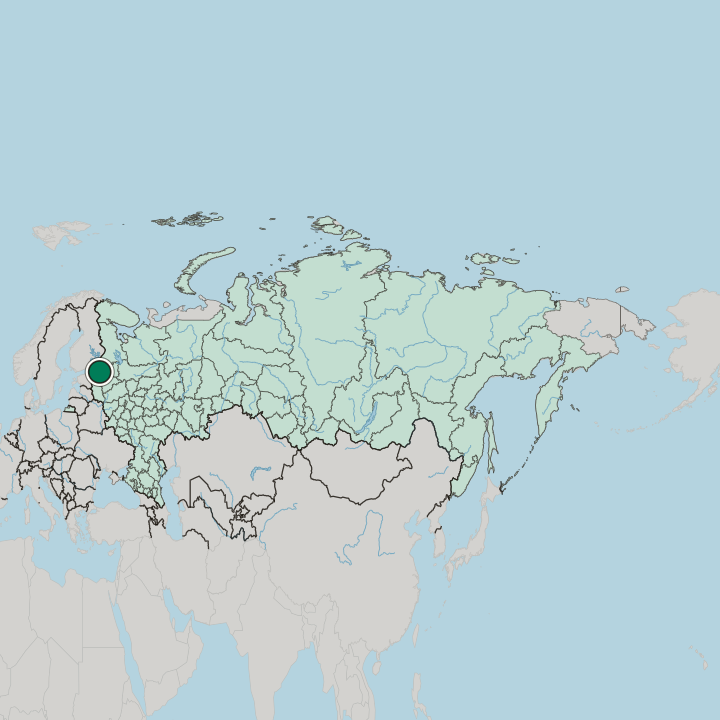
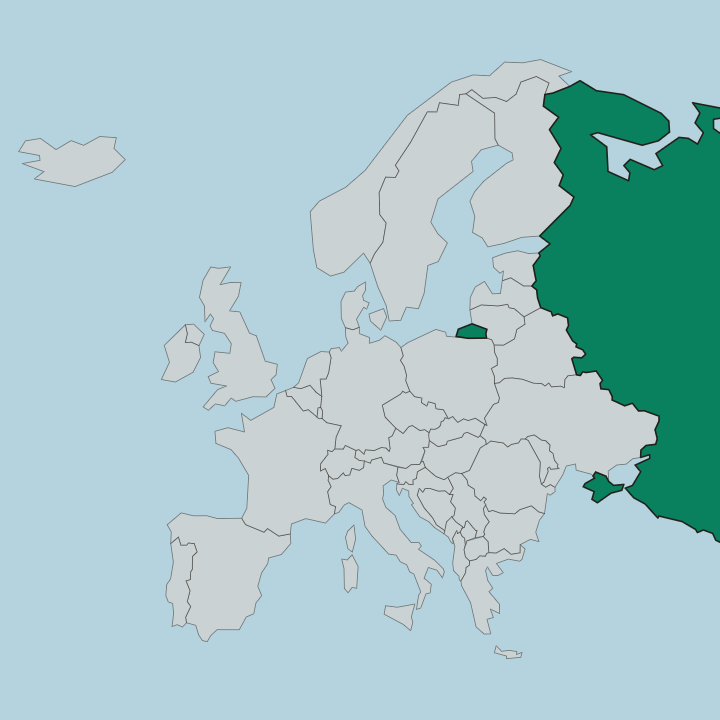
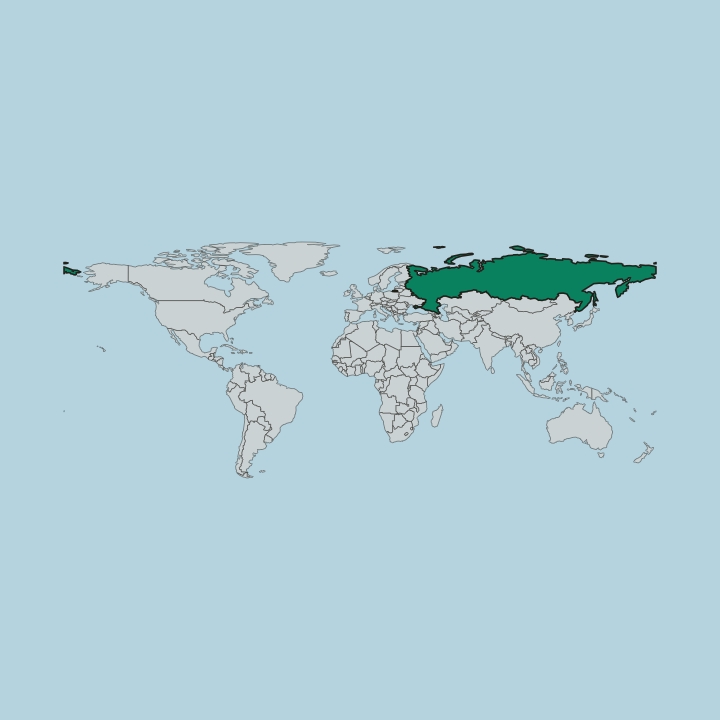
Peterhof stands on the shore of the Gulf of Finland. The town lies on a low terrace above the sea some thirty kilometres west of Saint Petersburg, where springs and streams feed the great fountains by gravity alone. Woods and parks run down to the water.
A natural ridge lifts the palace above the bay.
What is the climate of Peterhof?
Peterhof shares the cool, damp climate of the north. Long, snowy winters freeze the fountains and the shore, and the short summers stay mild and grey, when the great cascades run for the crowds. Sea mists drift in off the gulf.
The fountains rest through the frozen months.
How do you get to Peterhof?
Peterhof lies just west of Saint Petersburg. Trains and buses run out from the city in under an hour, and in summer fast hydrofoils skim across the gulf straight to the palace pier. Roads follow the shore from the city.
Most arrive by boat or rail for the fountains.
Good for
More cities in Sankt-Peterburg
Updated October 2026