Russia · Sankt-Peterburg
Where to Stay in Saint Petersburg, Sankt-Peterburg
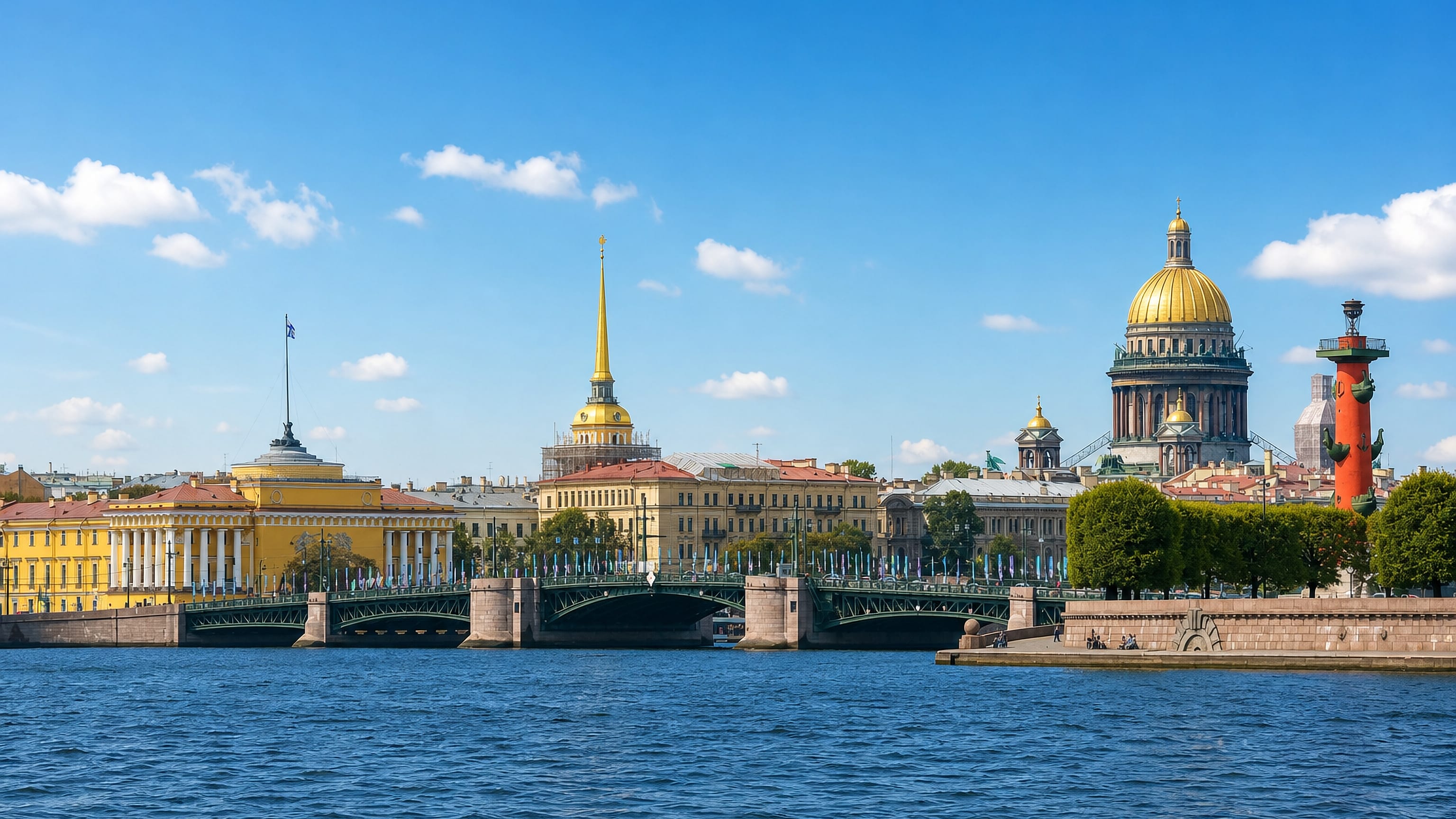
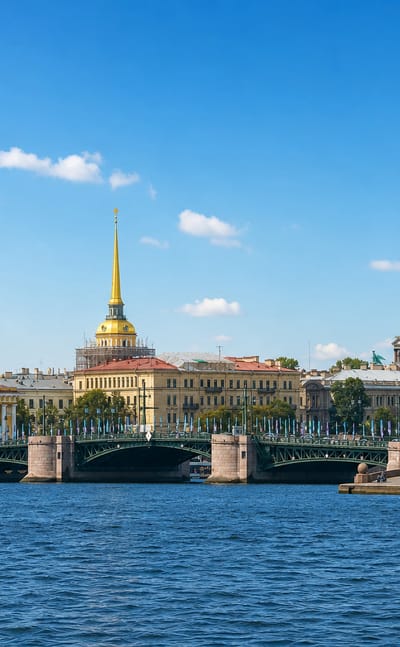
The Neva River spreads into islands at Saint Petersburg, a Baltic port known for the Hermitage Museum and Peter and Paul Fortress.
Find your area →


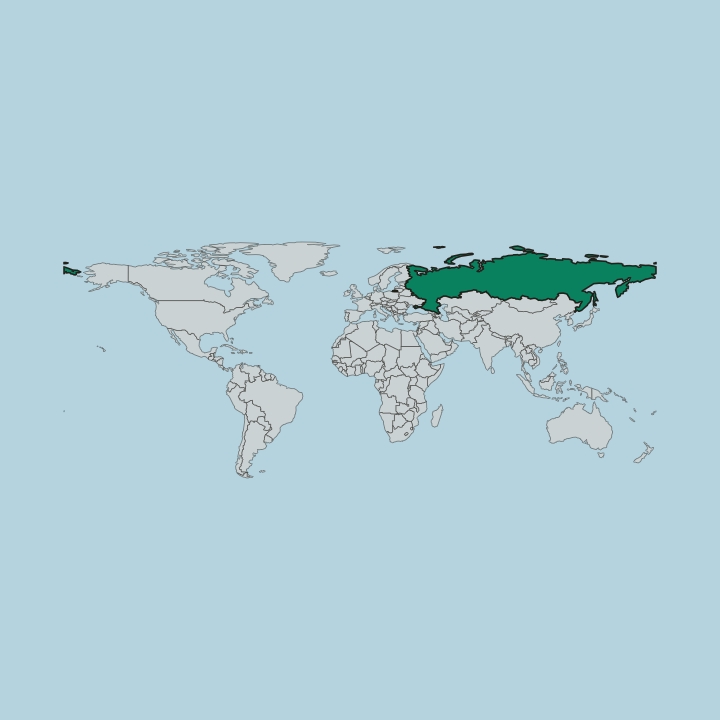
Where to stay in Saint Petersburg
Not every neighbourhood fits every trip — here's what each one is good for.
 Saint PetersburgRussia
Centralniy
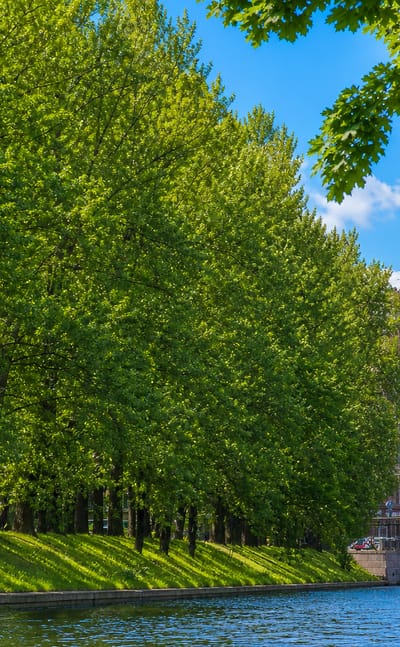
Centralniy is the historic core of Saint Petersburg, a district of palaces around the Hermitage Museum and Saint Isaac's Cathedral.Where to stay →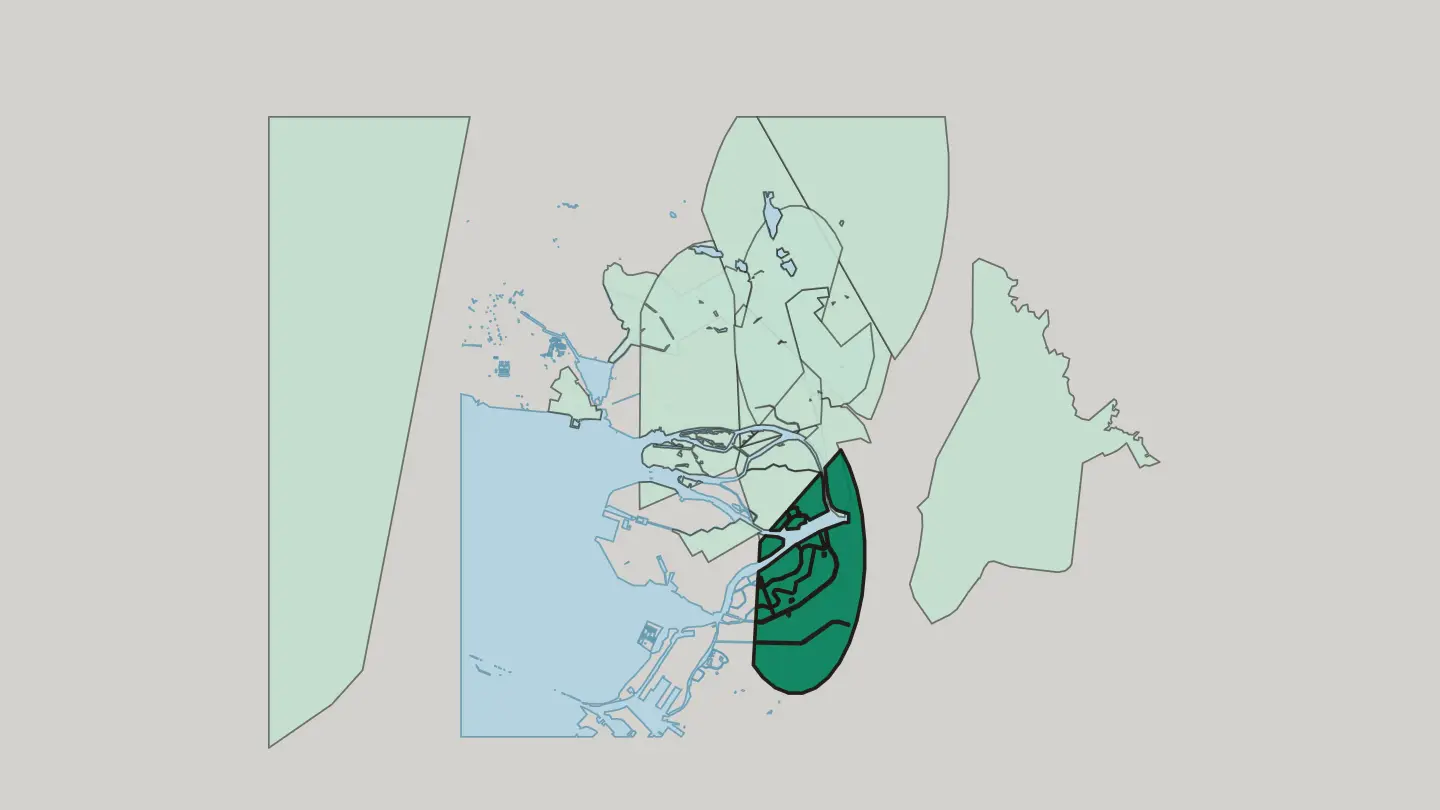
 Saint PetersburgRussia
Petrogradka
Petrogradka is the Petrograd Side of Saint Petersburg, an island district of grand apartment houses around the Kamennoostrovsky bridge.Where to stay →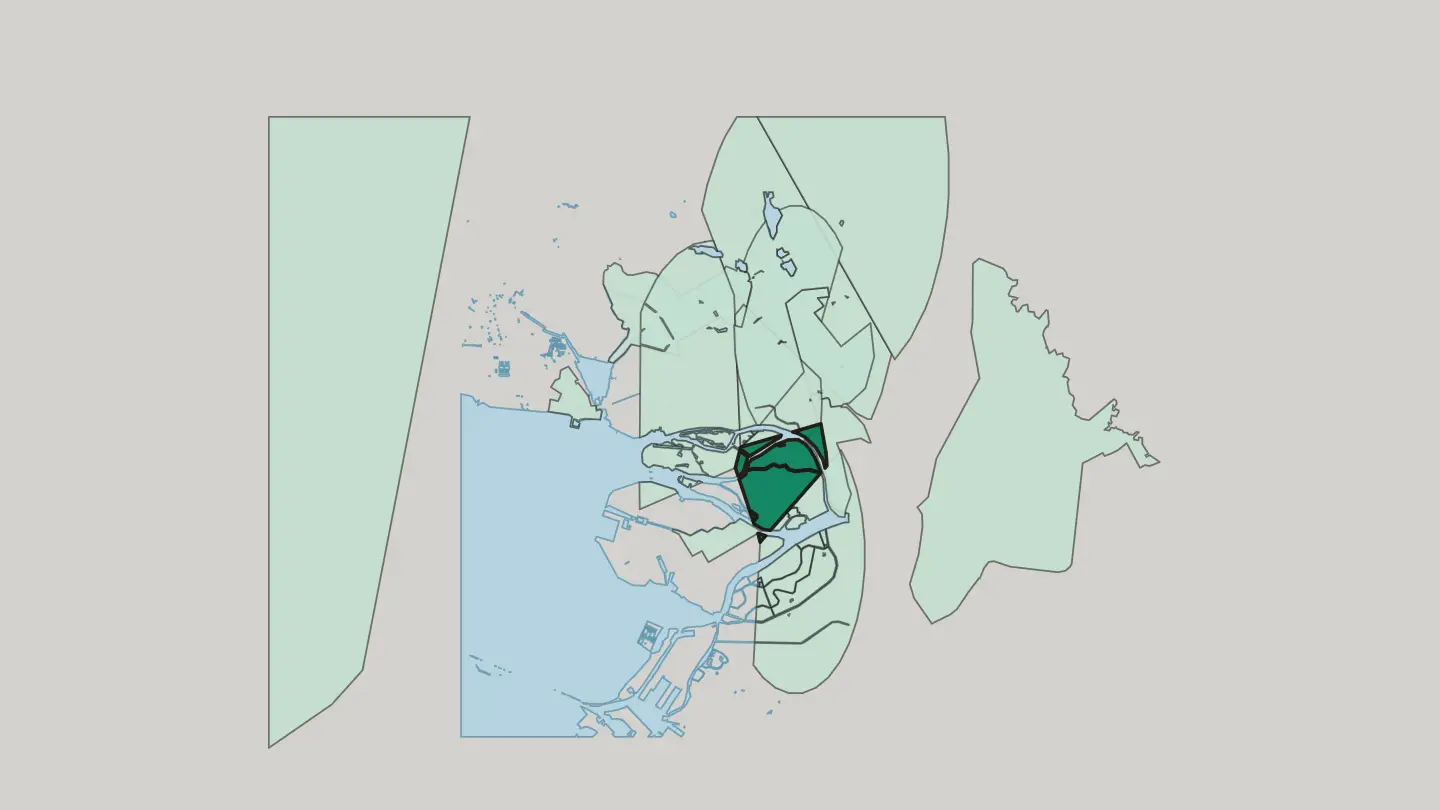 Saint PetersburgRussia
Finlyandskiy
Finlyandskiy is a district of Saint Petersburg built around Finland Station, the terminus for trains running west to Helsinki and Vyborg.Where to stay →Saint PetersburgRussia
Vasyl'evsky Ostrov
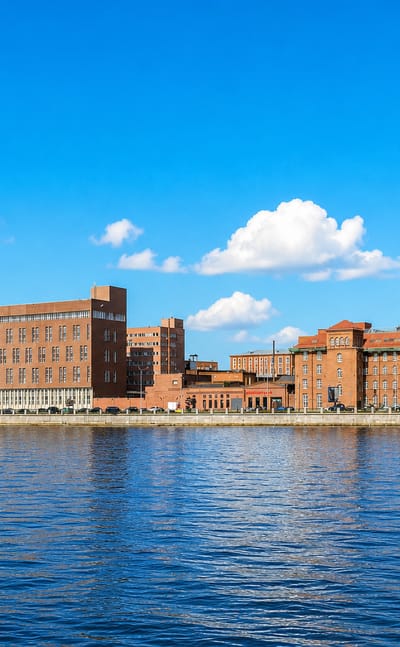
Saint Andrew's Cathedral rises over the numbered Lines of Vasyl'evsky Ostrov, an island district of Saint Petersburg by the Lieutenant Schmidt embankment.Where to stay →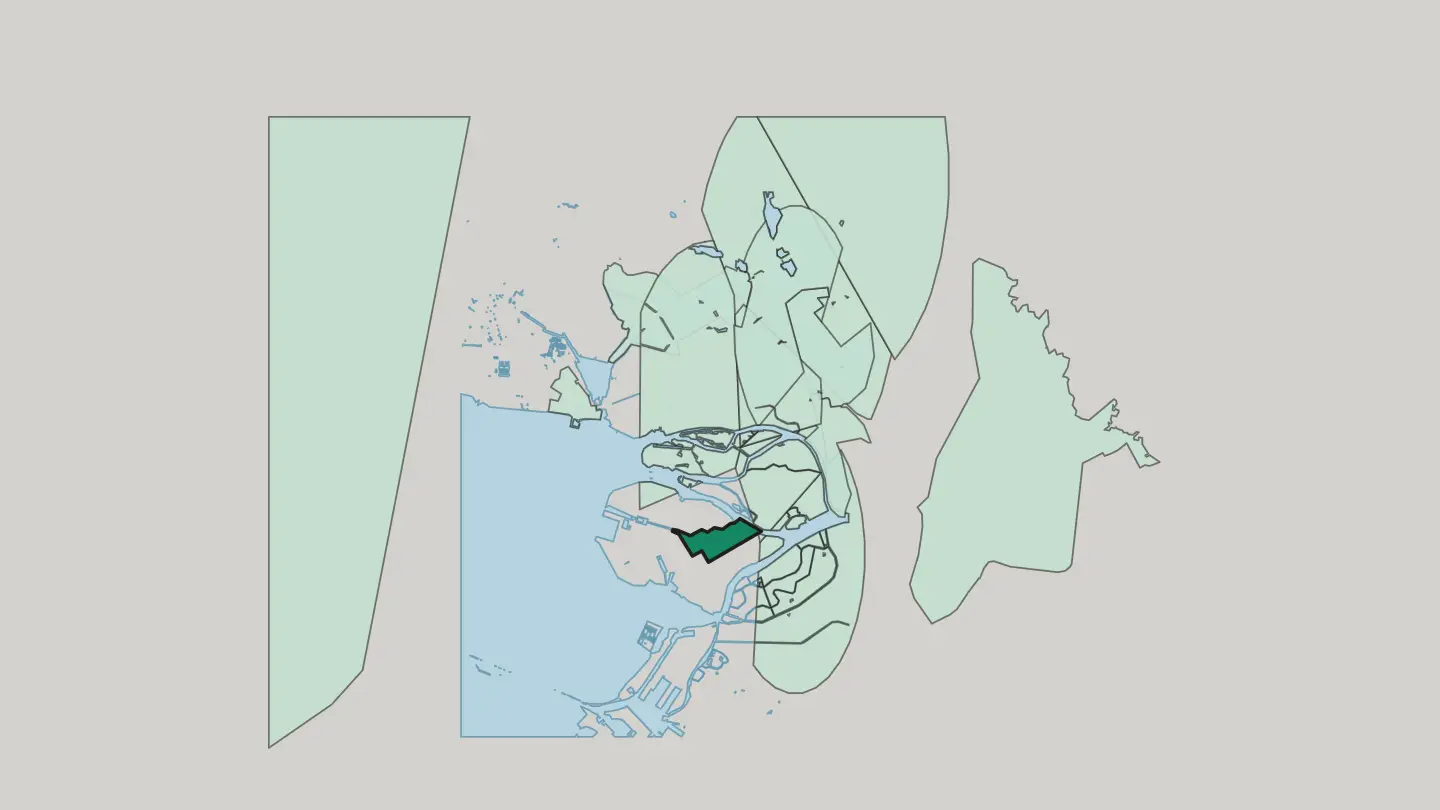
 Saint PetersburgRussia
Sampsonievskiy
Sampsonievskiy covers the southern part of Vyborgsky District in Saint Petersburg, around the Saint Petersburg State Forest Technical University.Where to stay →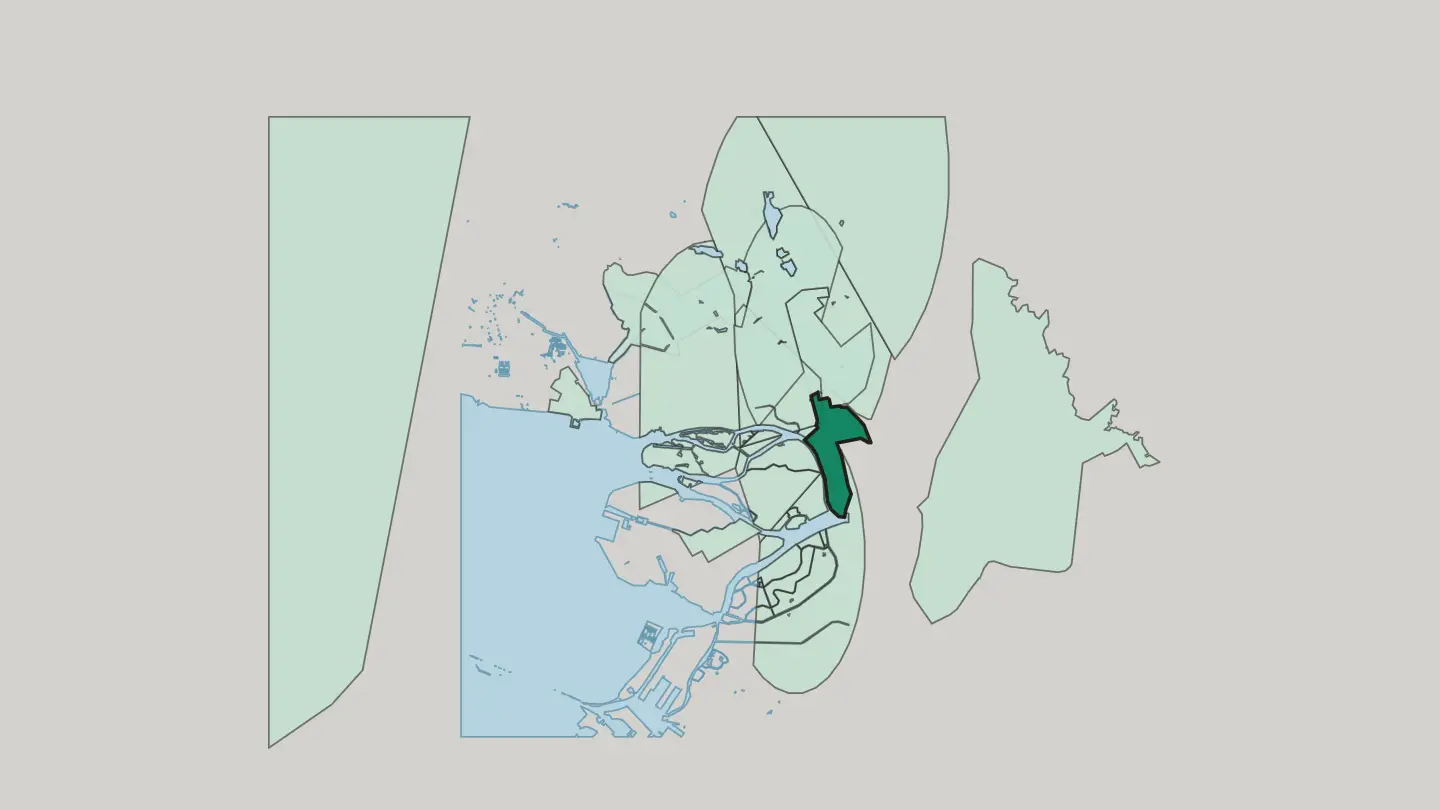 Saint PetersburgRussia
Novaya Derevnya
Novaya Derevnya is a district of Saint Petersburg by Kamenny Island, an old dacha quarter around the Ushakovsky bridge and its parks.Where to stay →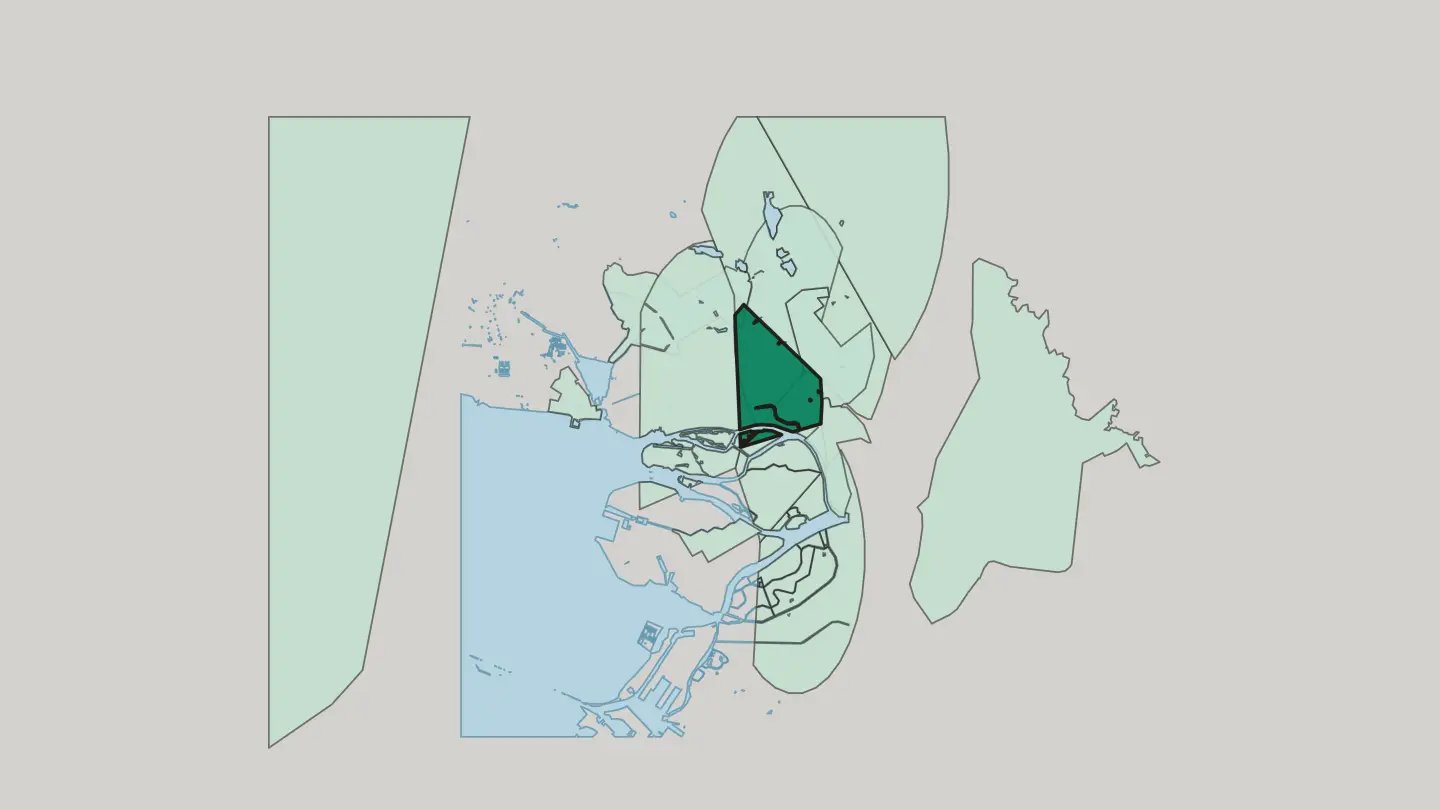
 Saint PetersburgRussia
Staraya Derevnya
Staraya Derevnya is a district of Saint Petersburg facing Yelagin Island, an old right-bank quarter of dachas and the Datsan Gunzechoinei temple.Where to stay →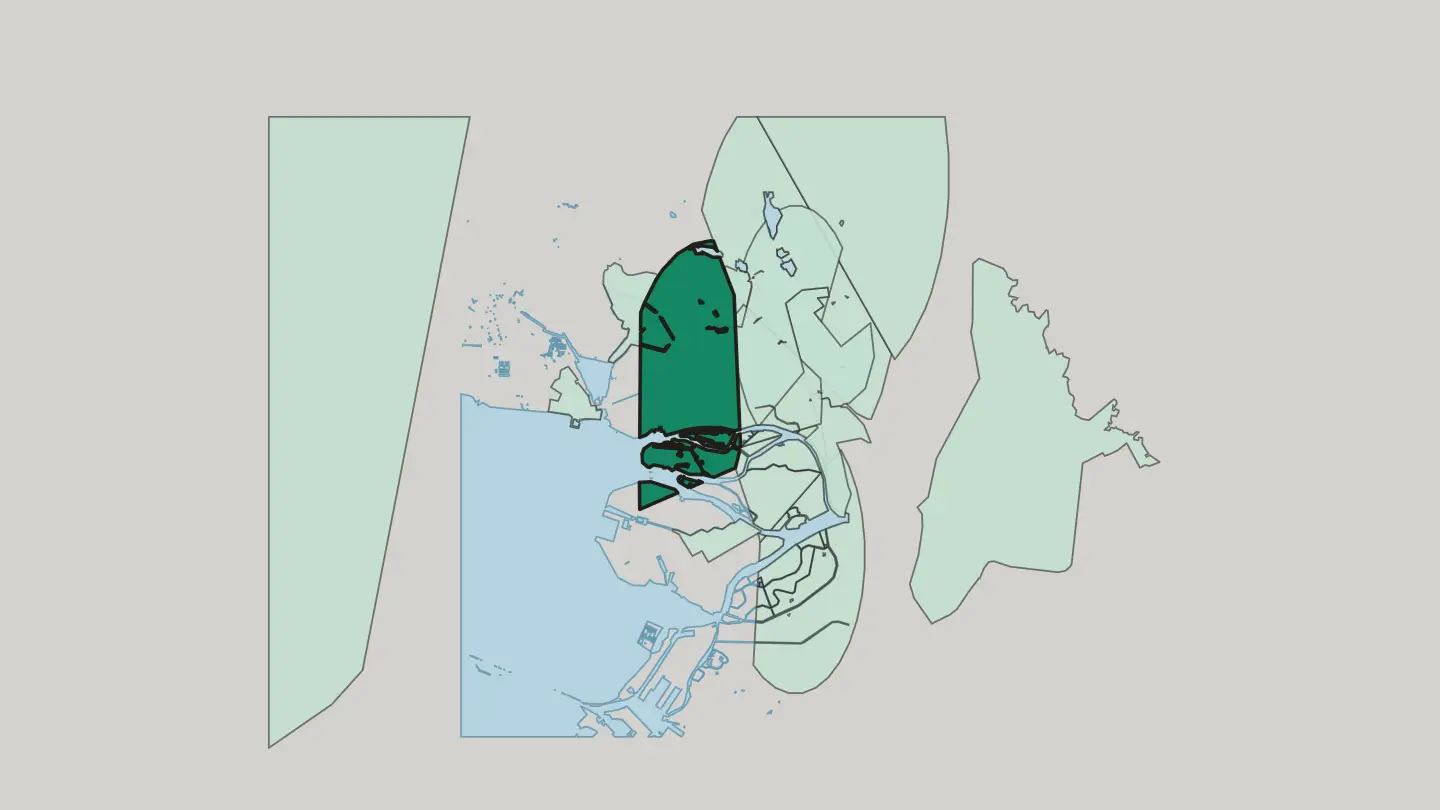 Saint PetersburgRussia
Svetlanovskiy
Svetlanovskiy, a district of Saint Petersburg, gathers the Kotlov Mansion, the Round Baths and the Lanskoy tram depot across some 22 square kilometres.Where to stay →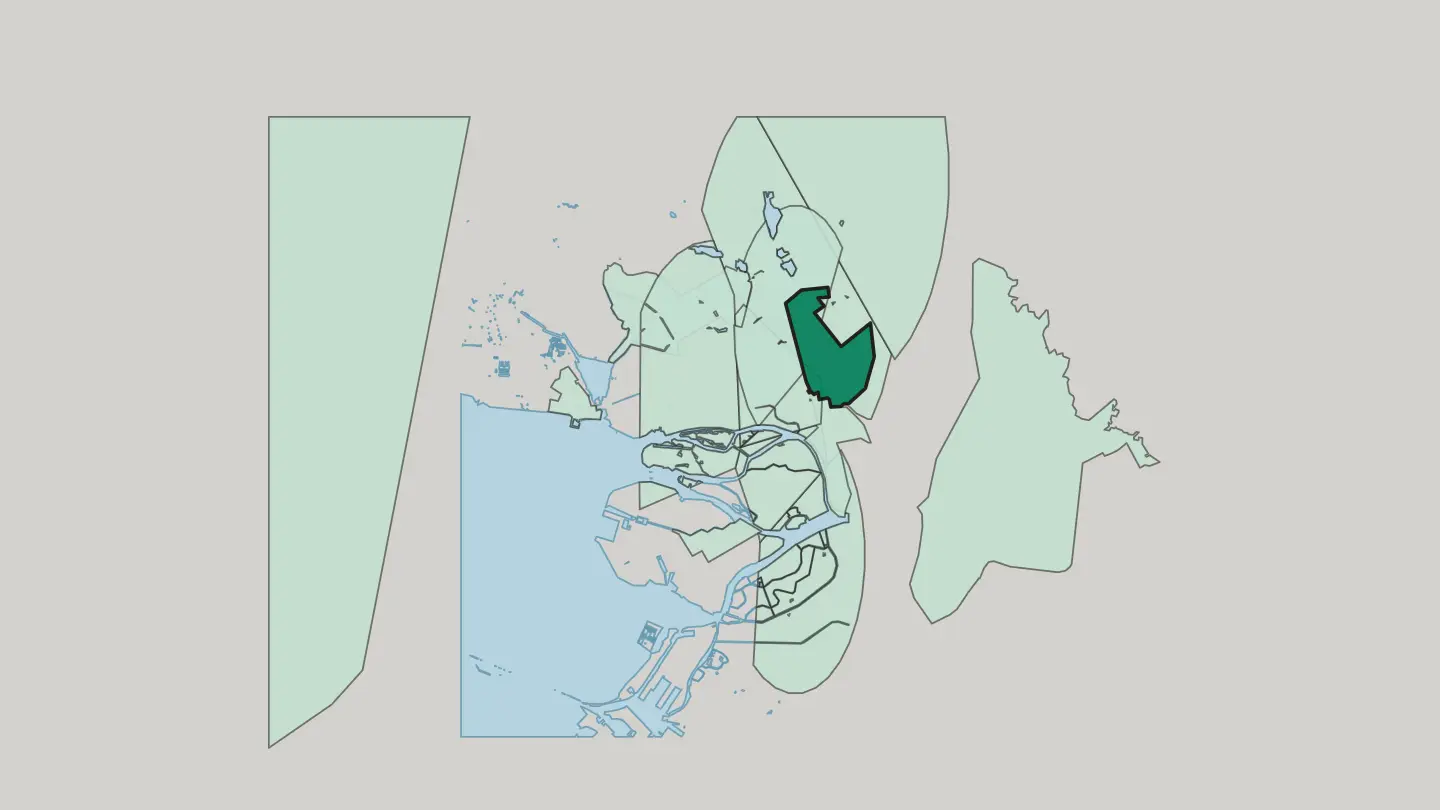 Saint PetersburgRussia
Udel’naya
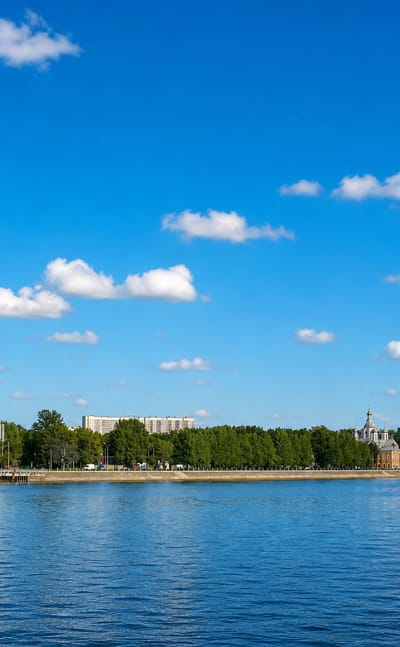
Udel'naya is a Saint Petersburg district of parkland and railway, holding Udelny Park, Udelnaya railway station and the Yaroslavskie Baths.Where to stay →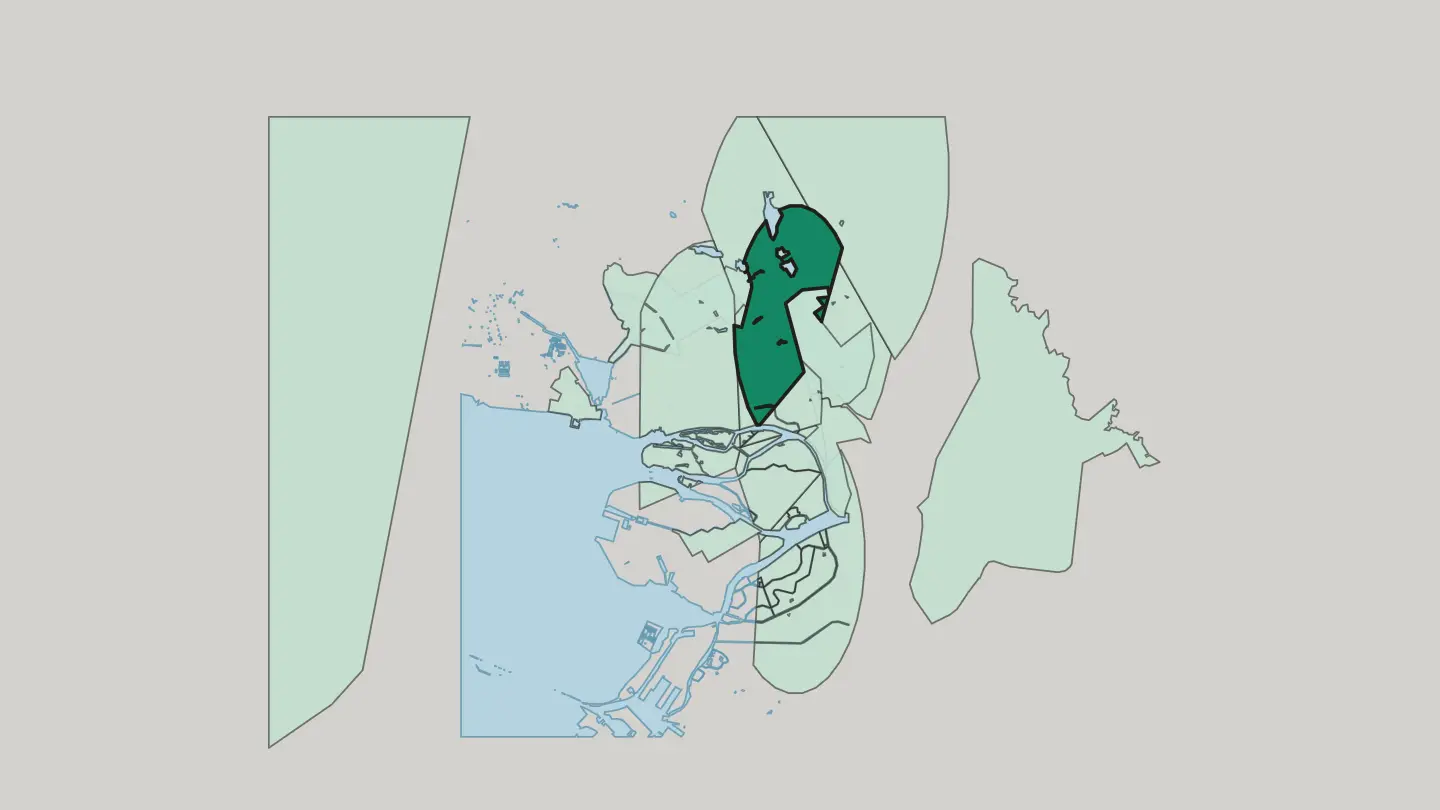
 Saint PetersburgRussia
Krasnogvargeisky
Krasnogvargeisky is a district of Saint Petersburg along the Okhta River, holding the Okhta Powder Mill ensemble and the Elijah the Prophet church.Where to stay →Saint PetersburgRussia
Ozerki
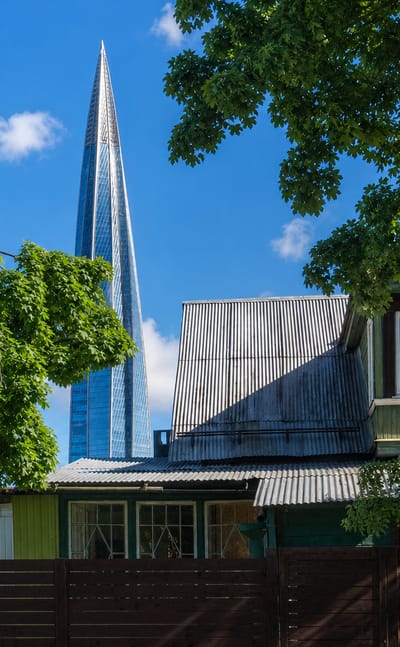
Ozerki is a district of Saint Petersburg named for its small lakes, an old dacha suburb of wooden villas around the Trinity church in Ozerki.Where to stay →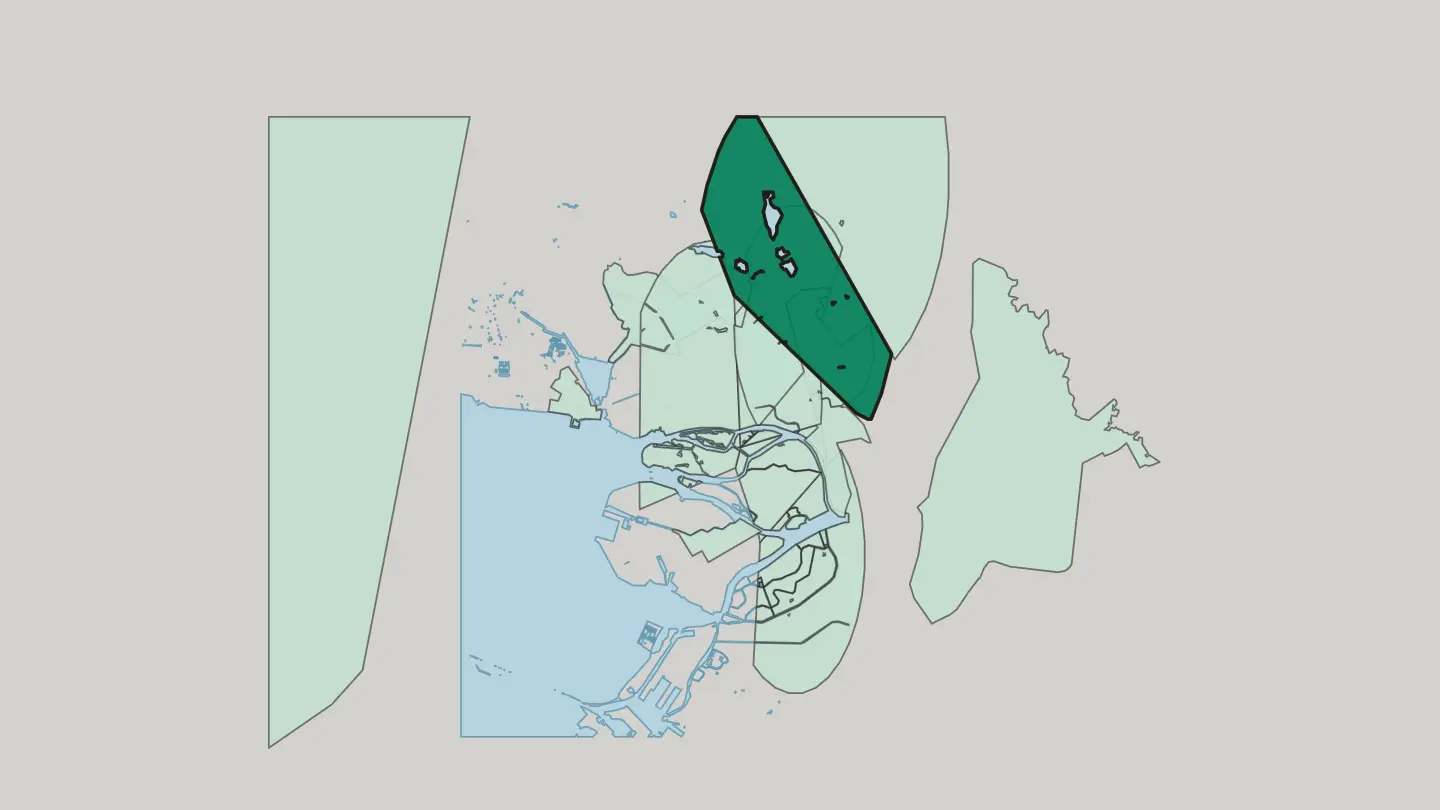
 Saint PetersburgRussia
Lakhtinskiy
Lakhtinskiy is a district of Saint Petersburg on the Gulf of Finland, an old dacha shore around the Saint Peter Church in Lakhta and Olgino.Where to stay →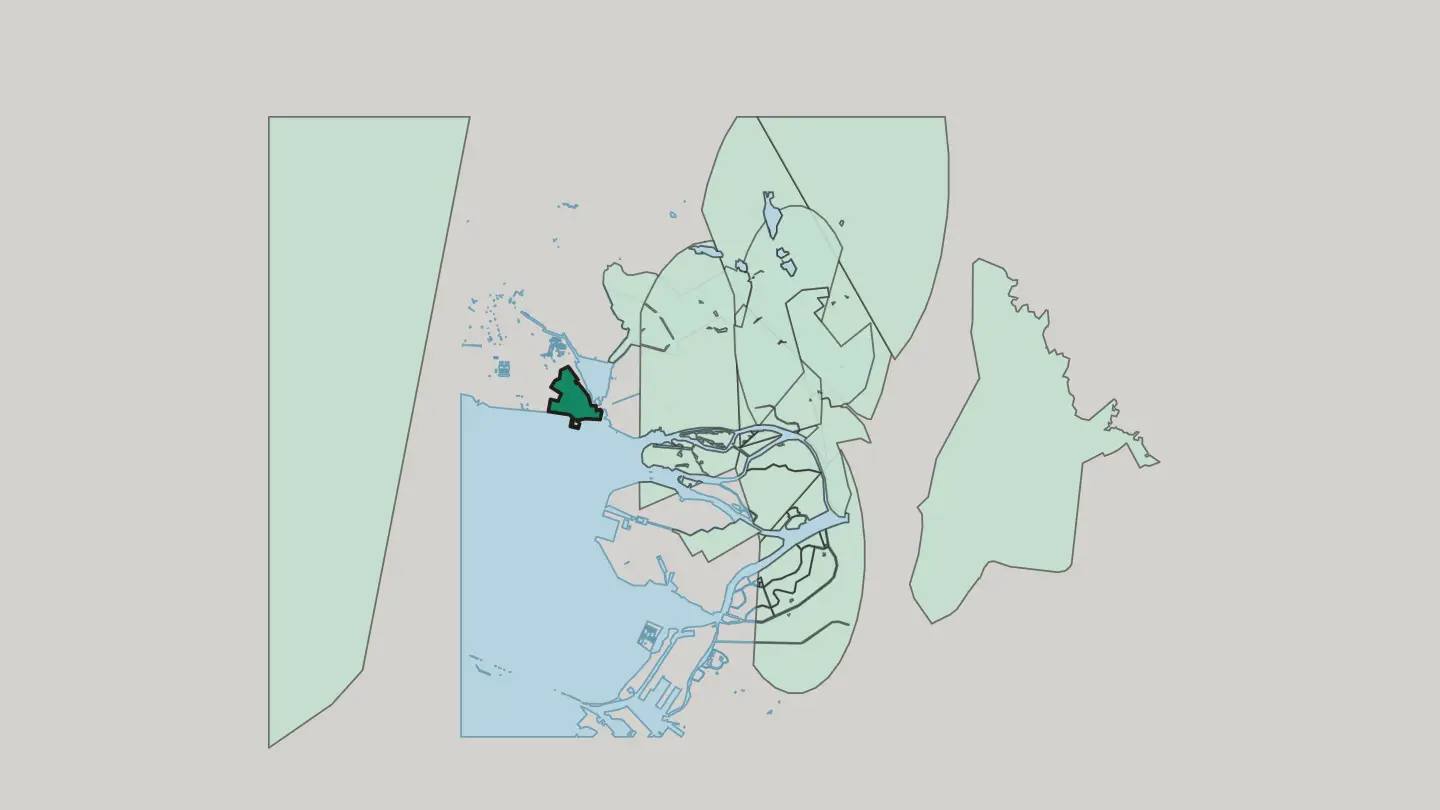
All neighbourhoods (18)
Saint PetersburgRussiaParnas
Parnas is a named district of Saint Petersburg, Russia, lying in the subpolar band of the northern hemisphere.Where to stay →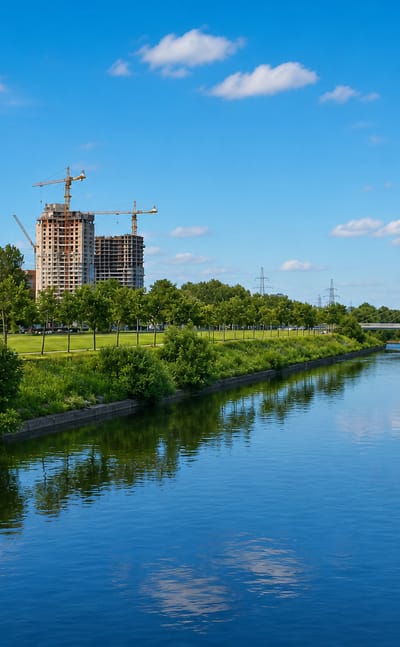 Saint PetersburgRussia
Uritsk
Ponds and old estate parks fill Uritsk, a district of Saint Petersburg on the Peterhofskoe Shosse, with Polezhaevsky Park and Demidovsky park.Where to stay →Saint PetersburgRussiaRybatskoye
Rybatskoye is a municipal okrug of Nevsky District in Saint Petersburg, strung along the Neva River at the city's far south-eastern edge.Where to stay →Saint PetersburgRussiaGorelovo
Gorelovo is an outer okrug of Saint Petersburg in the Krasnoselsky District, a rail-side settlement around Gorelovo railway station.Where to stay →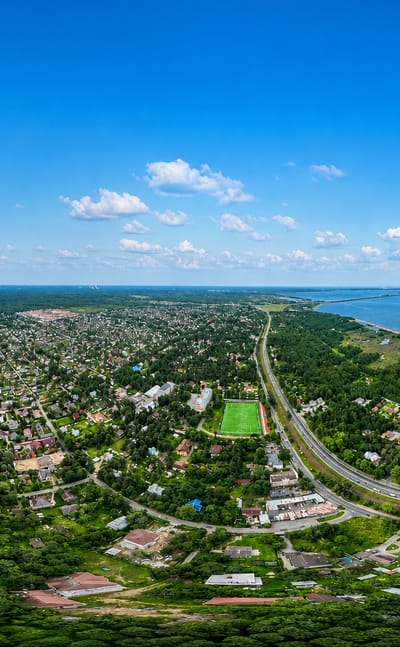 Saint PetersburgRussia
Tarkhovka
Wooden dachas cluster by the water at Tarkhovka, a district of Saint Petersburg beside the Sestroretsky Razliv near Sestroretsk and Avenarius Manor.Where to stay →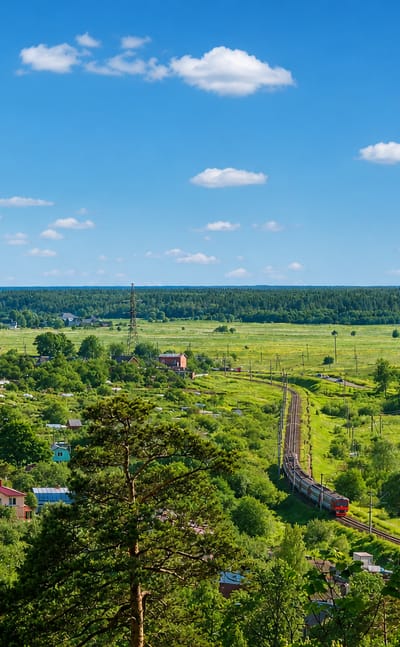 Saint PetersburgRussia
Krasnoye Selo
Krasnoye Selo is a district of Saint Petersburg, a former paper-mill town set around its Palace Park and the Trinity church.Where to stay →Things to do in Saint Petersburg
Ranked by global recognition; descriptions from Wikidata (CC0).
Museums & Galleries
3- Hermitage Museum Heritage
- Russian Museum Heritage
- Emelyanov's barn Heritage
Churches & Religious Sites
8- Saint Isaac's Cathedral Heritage
- Church of the Savior on Blood Heritage
- Kazan Cathedral Heritage
- Peter and Paul Cathedral Heritage
- Saint Petersburg Mosque Heritage
Show 3 more →
- Trinity Cathedral Heritage
- St. Ann's Church Heritage
- Transfiguration Cathedral Heritage
Castles & Historic Sites
7- Peter and Paul Fortress Heritage
- Saint Michael's Castle Heritage
- Yusupov Palace on Moika Heritage
- Anichkov Palace Heritage
- Yelagin Palace Heritage
Show 2 more →
- Kamenny Island Palace Heritage
- Statue of Lenin at Finland Station Heritage
Nature & Outdoors
5- Summer Garden Heritage
- Yelagin Island Heritage
- Udelny Park Heritage
- Polezhaevsky Park Heritage
- Park of Saint Petersburg State Forestry Academy Heritage
Parks & Gardens
1- Lopukhinsky Garden Heritage
Landmarks & Notable Places
8- Historic Centre of Saint Petersburg and Related Groups of Monuments UNESCO
- Kresty Prison Heritage
- Admiralty building in Saint Petersburg Heritage
- Anichkov Bridge Heritage
- Moskovsky railway station Heritage
Show 3 more →
- Datsan Gunzechoinei Heritage
- Cabin of Peter the Great Heritage
- Benois House Heritage
worth knowingacross 6 categories in Saint Petersburg
About Saint Petersburg
What is Saint Petersburg known for?
Saint Petersburg is known as Russia's imperial capital on the Neva River. The Hermitage Museum holds one of the world's largest art collections, and the Russian Museum keeps the national school. The Mariinsky Theatre stages opera and ballet, and gilded domes crown Saint Isaac's Cathedral and the Church of the Savior on Blood.
At anchor lies the cruiser Aurora. Water and palaces define it.
What are the main landmarks in Saint Petersburg?
Saint Petersburg wears its imperial past in stone across the centre. The Hermitage Museum and the Russian Museum hold the art, while Saint Isaac's Cathedral, the Church of the Savior on Blood, and Kazan Cathedral raise their domes over the streets. The Peter and Paul Fortress guards the river.
Inside it stands the Peter and Paul Cathedral, its tall gold spire a landmark from far off. The Kunstkamera and the Admiralty building line the far banks.
What is the history of Saint Petersburg?
Saint Petersburg was founded in 1703 on the marshes of the Neva River delta. Work began with the Peter and Paul Fortress on an island in the stream, and the new city rose around it. It became the capital of the Russian Empire, and palaces, canals, and cathedrals filled the delta over the following century.
The Admiralty building and the great cathedrals followed as the port took shape. Court and fleet made it grow. The name changed with the times, to Petrograd and then to Leningrad, before returning to Saint Petersburg.
Names came and went here. Locals still call it Piter, a familiar short form that has outlasted every official change. The historic centre survived, remarkably whole, and its palaces and waterways are listed as the Historic Centre of Saint Petersburg.
Nearby monuments joined the Silver Ring of the region's historic towns. The city stands among the great cultural centres of the Northwest of Russia. Its streets still carry the plan the first builders laid along the Neva River three centuries ago, when the delta first drained into a capital.
Where is Saint Petersburg?
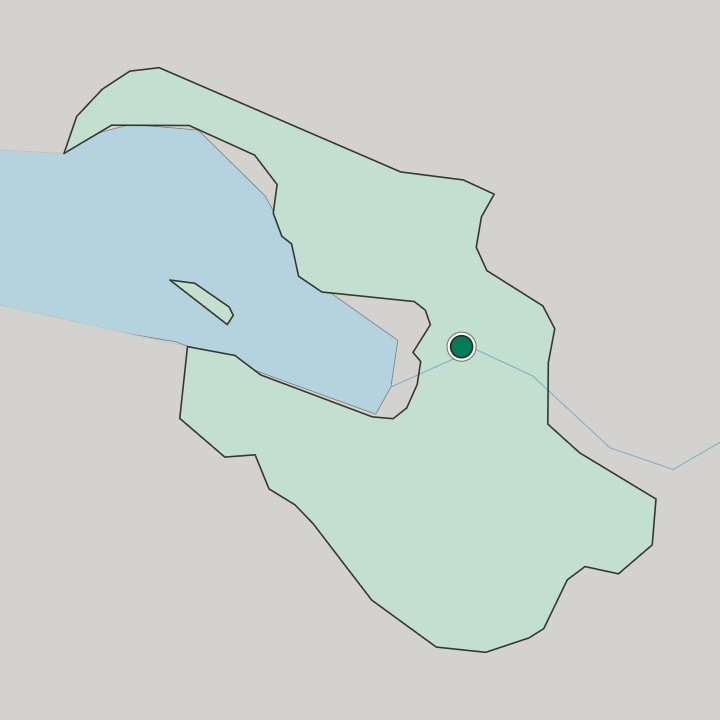
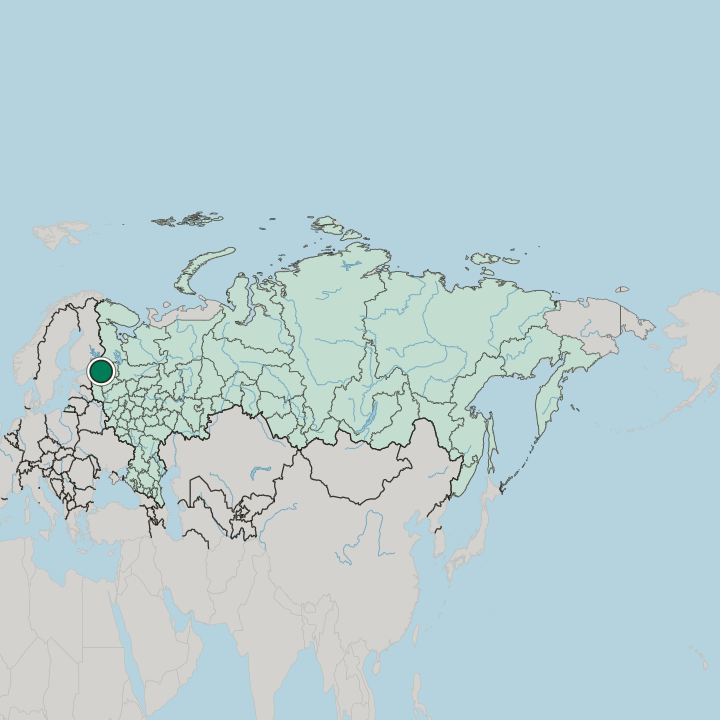
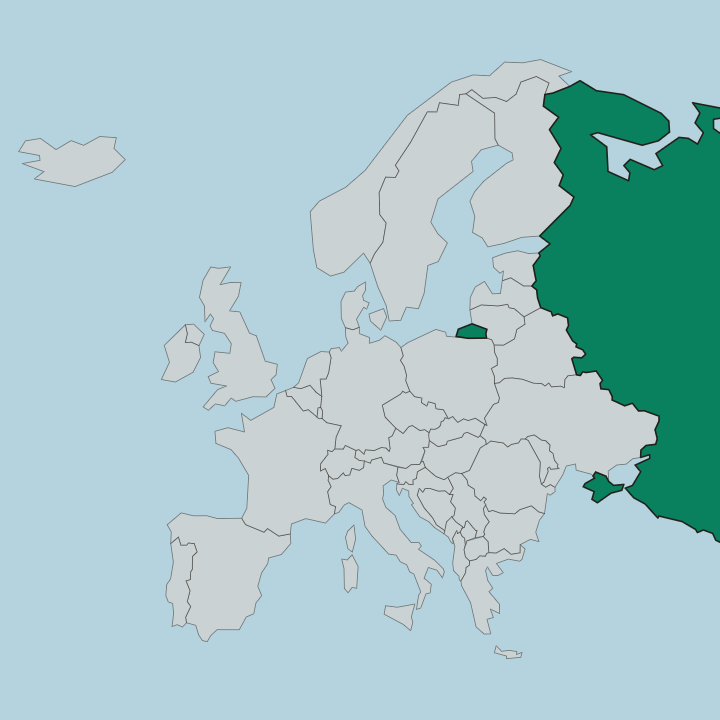
Saint Petersburg lies at the head of the Gulf of Finland, where the Neva River empties into the Baltic Sea. The historic core spreads across the islands of the Neva delta, cut by canals and joined by bridges that lift for shipping at night. It sits low over the water.
The city anchors the Northwest of Russia, its low ground barely rising above the tide.
What is the climate of Saint Petersburg?
Saint Petersburg has a cool and damp maritime climate, tempered by the Gulf of Finland. Winters are long, grey, and cold, with ice forming along the Neva River and the canals. Summers stay mild and brief.
Because the city lies so far north, midsummer brings the white nights, when the sky never fully darkens and the light lingers over the water past midnight. Autumn turns wet and windy.
How do you get to Saint Petersburg?
Saint Petersburg is a major port and rail hub on the Baltic Sea, reached by air, train, road, and water. The Moskovsky railway station sends the main trains toward Moscow and the interior, and its platforms open onto Ploshchad Vosstaniya. Ships call at the sea terminals.
From the Gulf of Finland the port handles Baltic traffic, while the metro and the bridges knit the delta together for travellers moving about the centre. Time your river crossings before the bridges lift.
Good for
More cities in Sankt-Peterburg
Updated October 2026