Russia
Sankt-Peterburg, Russia — Towns & Travel Guide
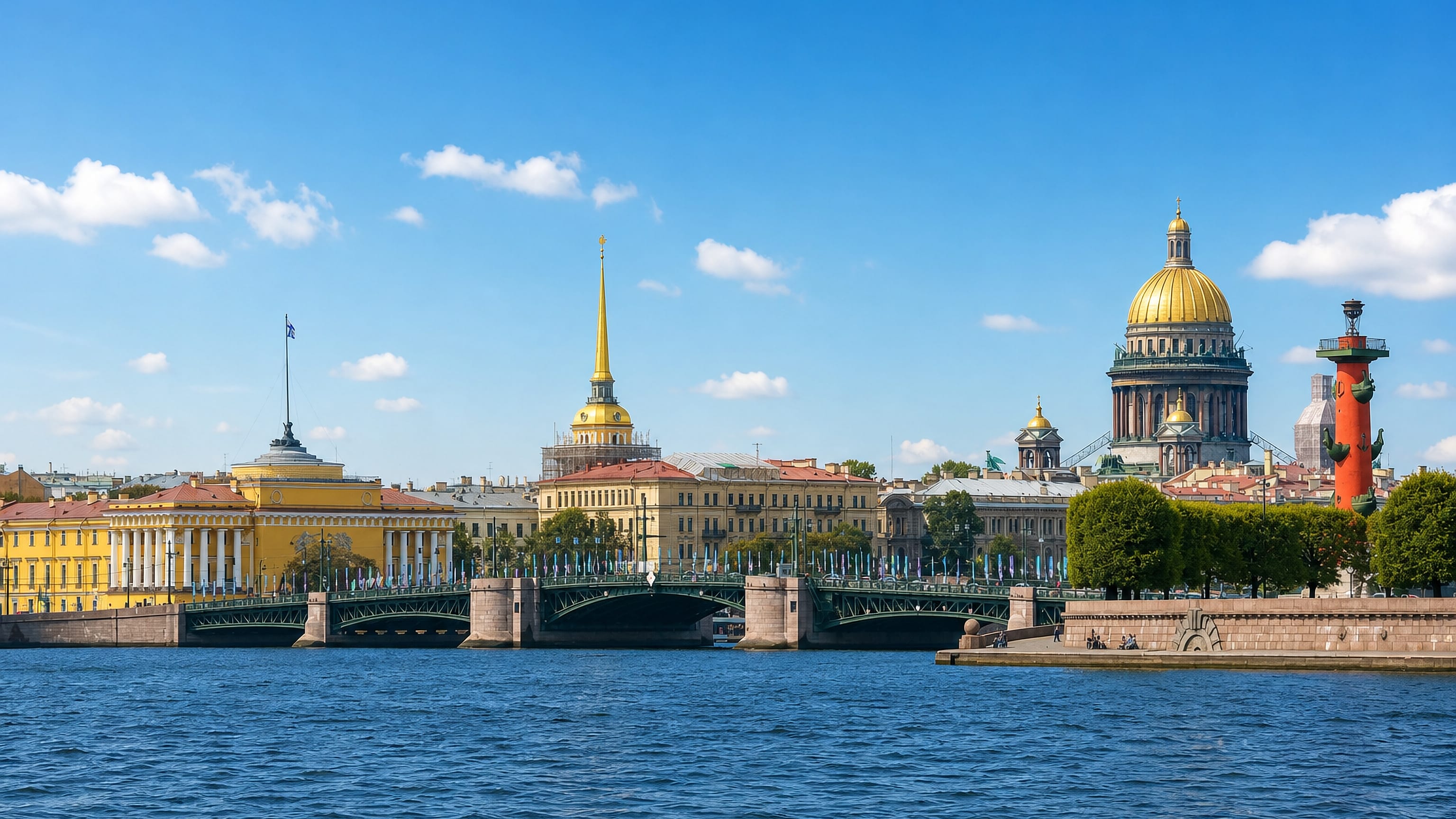
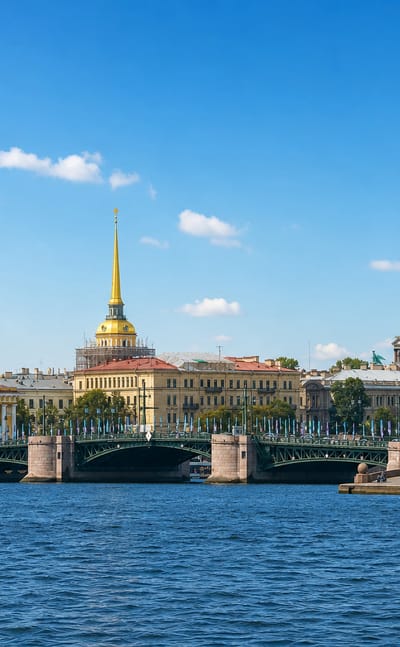
Sankt-Peterburg spreads across the islands of the Neva delta, a federal city of the Russian Federation on the Gulf of Finland.
Find your area →


Towns & cities in Sankt-Peterburg
Pick a town or city — each links to where to stay.
 Russia
Saint Petersburg
The Neva River spreads into islands at Saint Petersburg, a Baltic port known for the Hermitage Museum and Peter and Paul Fortress.Where to stay →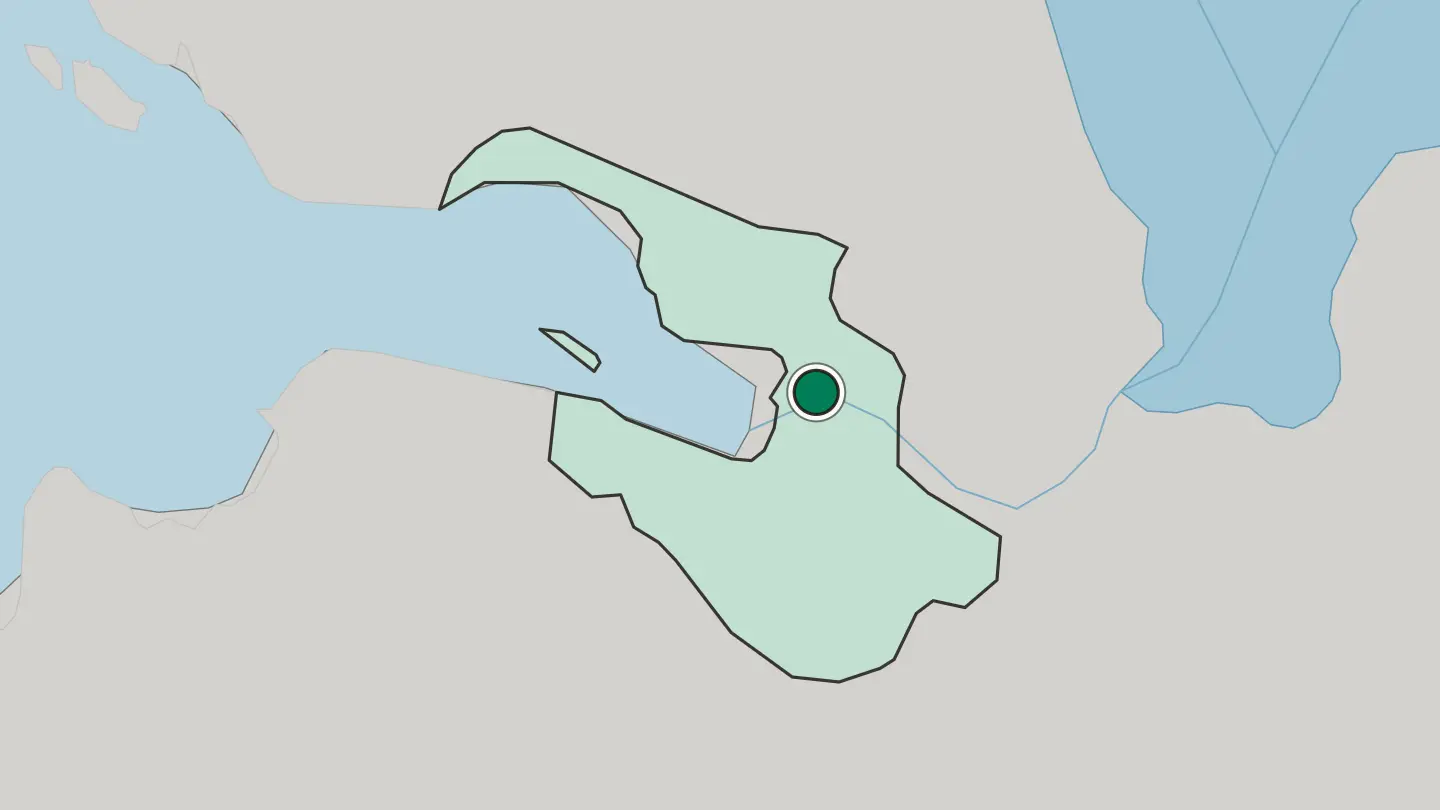 Russia
Kolpino
Kolpino stands on the Izhora River 26 kilometres southeast of Saint Petersburg, a works town of 1722 grown around the Izhorskiye Zavody.Where to stay →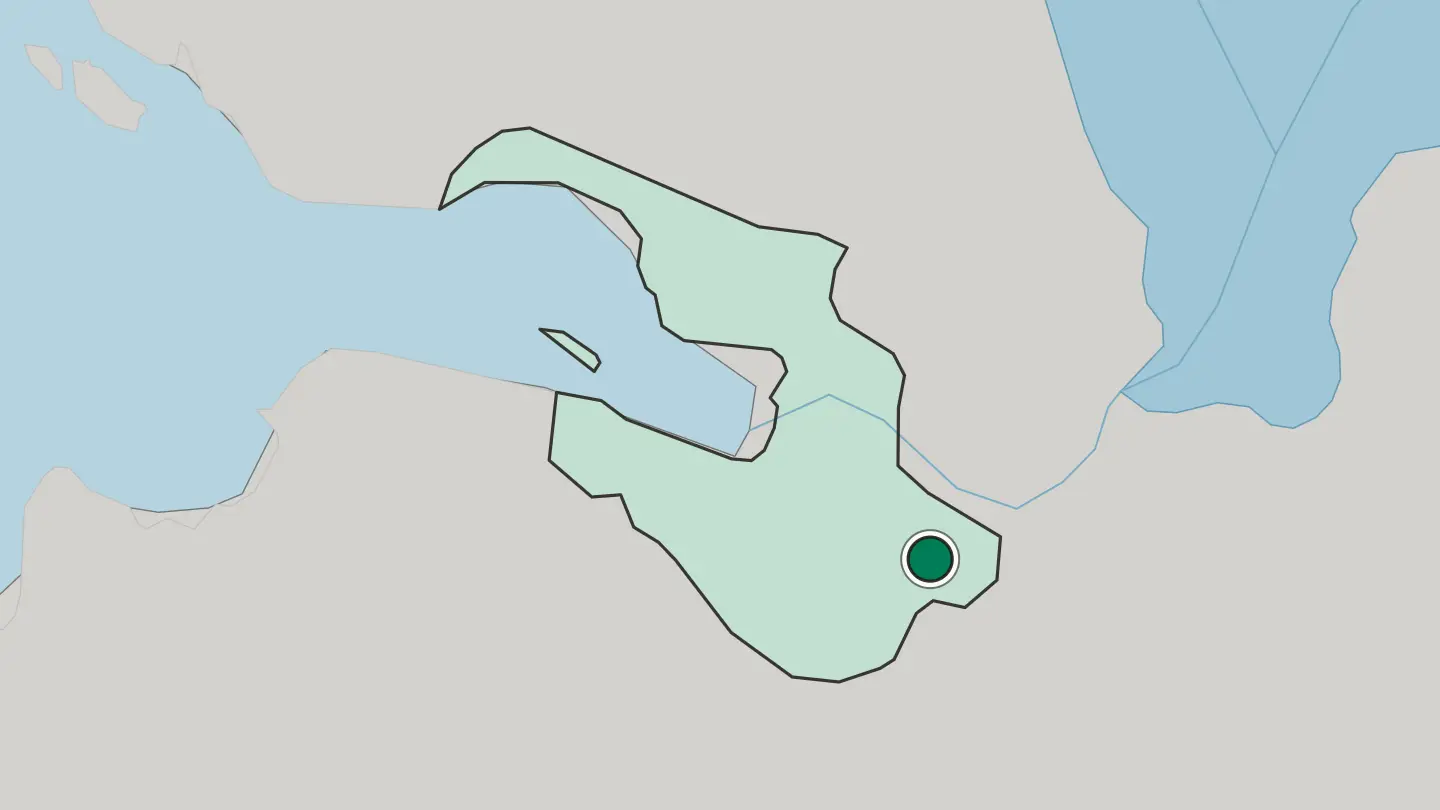
 Russia
Pushkin
Pushkin is a palace town south of Saint Petersburg, Russia, the old imperial estate of Tsarskoye Selo with its great blue-and-gold palace.Where to stay →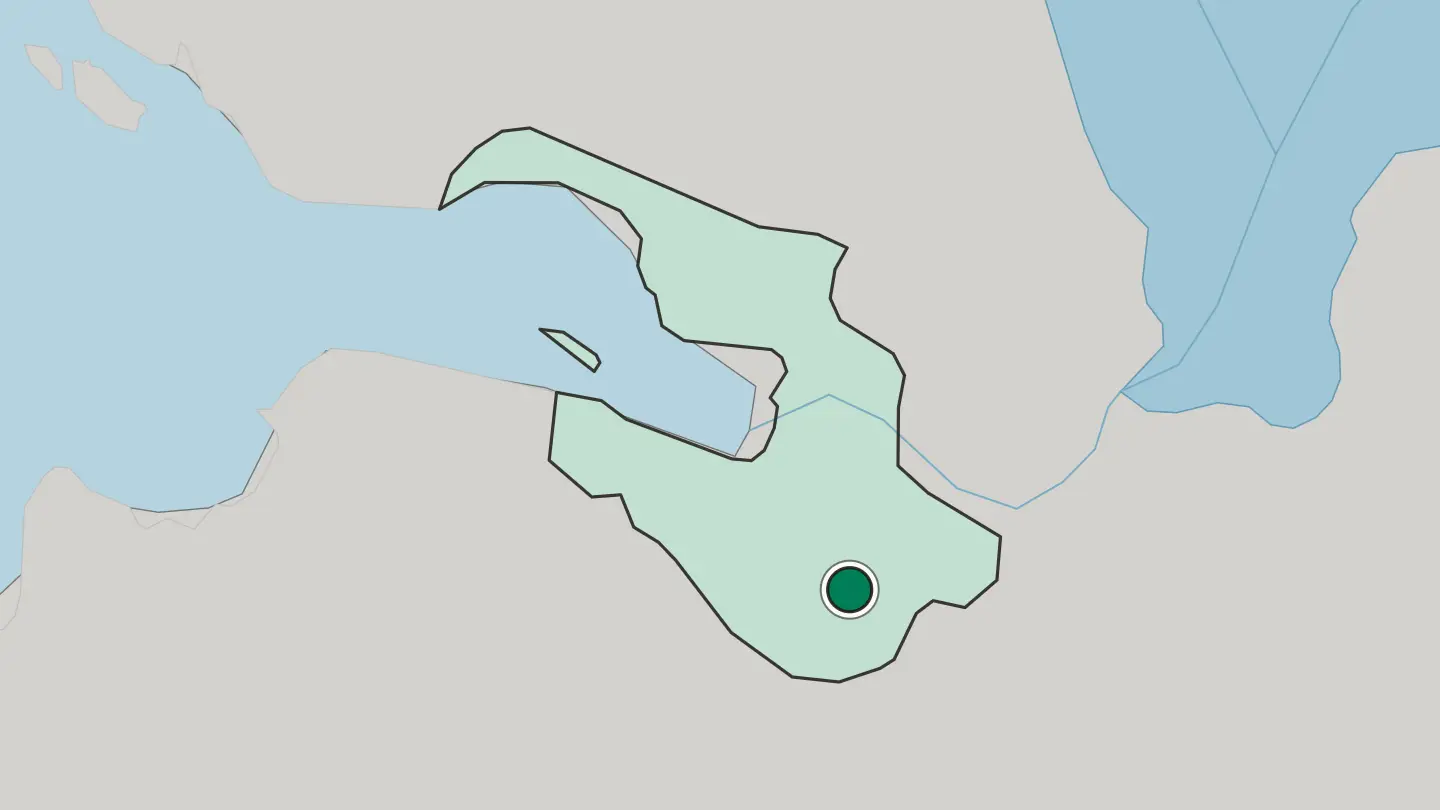
 Russia
Peterhof
Peterhof is a palace town on the Gulf of Finland near Saint Petersburg, Russia, famed for the gilded fountains and gardens of Peter the Great.Where to stay →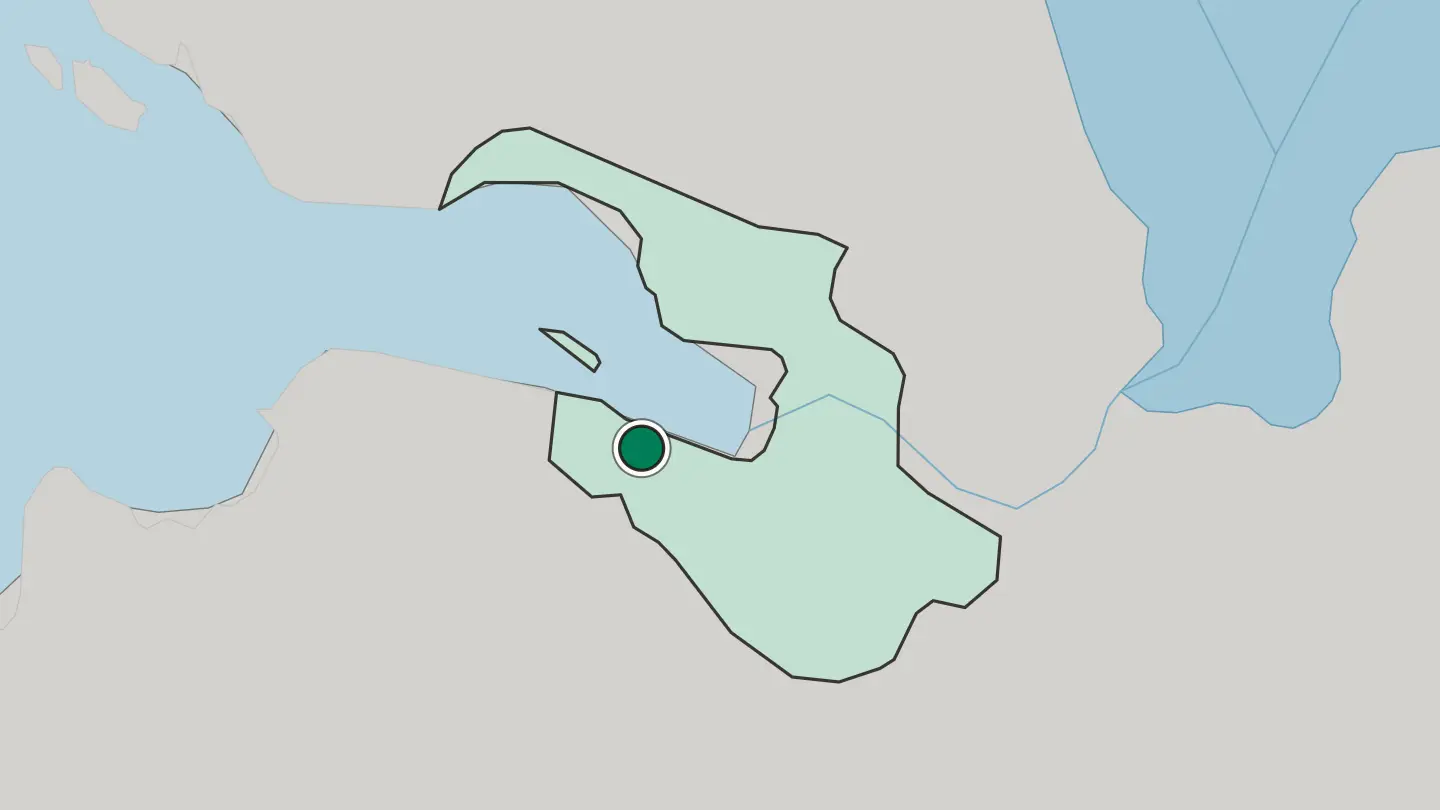
About Sankt-Peterburg
What is Sankt-Peterburg known for?
Sankt-Peterburg is known as the former capital of the Russian Empire, a federal city built on the Neva River. The water defines it. Its historic centre, spread over the islands of the Neva delta and joined by drawbridges, is listed as a UNESCO World Heritage Site, and it holds the Hermitage, one of the great art museums of the world.
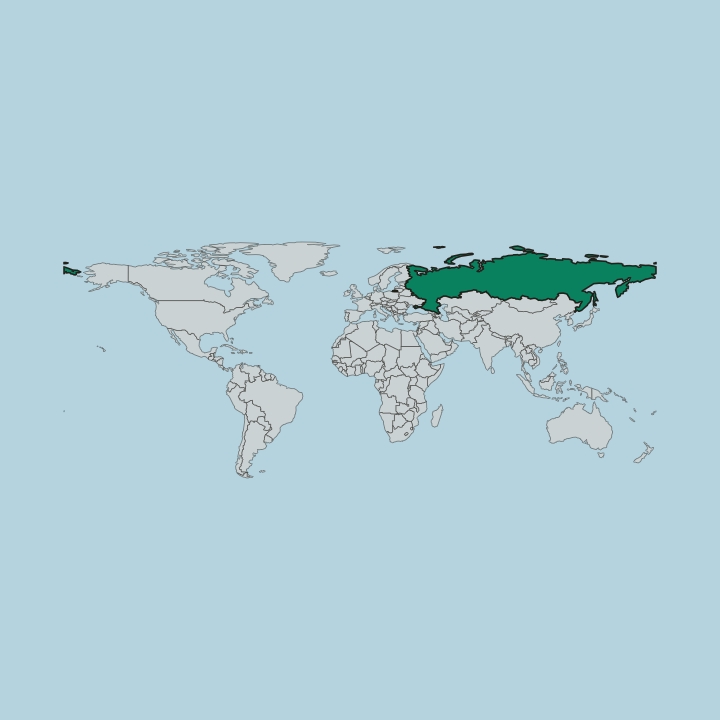
Sankt-Peterburg is the second-largest city of the Russian Federation.
Where is Sankt-Peterburg?
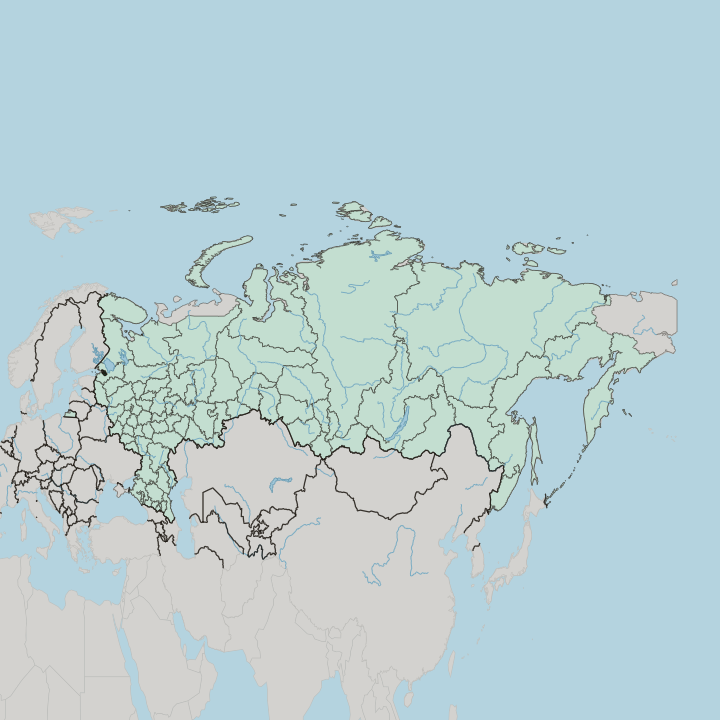
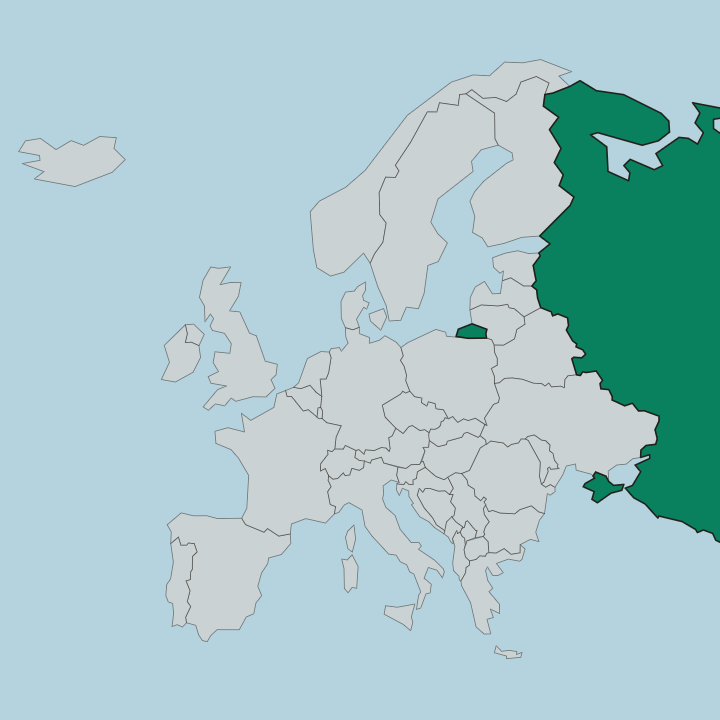
Sankt-Peterburg lies at the mouth of the Neva River, where the river reaches the head of the Gulf of Finland on the Baltic Sea. The river makes the place. The Neva enters from inland and splits into the arms of its delta, and its channels and canals divide the ground into islands before the water reaches the sea.
Its centre occupies the islands of the Neva delta, cut through by waterways and tied together by the drawbridges that lift over the river, so the city reads as a chain of islands rather than a single mass of ground. Water runs through everything here. As a federal city, Sankt-Peterburg forms the smallest administrative division of the Russian Federation by area, a compact territory set on the delta and the shore.
The sea lies to the west. From the Neva delta the region reaches out along the Gulf of Finland toward the open Baltic Sea, taking in the historic suburbs of the shore. Peterhof and the other palace suburbs sit on the coast, their grounds and parks running down to the edge of the Gulf of Finland.
The Neva ties the whole together.
What is Sankt-Peterburg like?
Sankt-Peterburg carries the cultural weight of the former capital of the Russian Empire, a federal city whose life turns on its palaces, museums, and theatres. The court left its mark. Along the Neva River the Hermitage holds one of the great art collections of the world, while the palace grounds of Peterhof spread across the shore of the Gulf of Finland, so the imperial past sits in plain view across the city and its suburbs.
Its historic cityscape has stayed remarkably well preserved. Palaces line the water. Russian is the language spoken across the federal city.
The city has worn several names, and each marks a chapter of its cultural memory. It was Petrograd, then Leningrad. Known through the twentieth century as Petrograd from 1914 and Leningrad from 1924, the city took back the name Sankt-Peterburg, and many still call it Piter in everyday speech.
It belongs to the Silver Ring of the Northwest, the circle of old cultural and historical centres of the Russian Federation, and its historic core is held on the UNESCO World Heritage list.
What is the history of Sankt-Peterburg?
Sankt-Peterburg was founded in 1703 as a new city on the Neva River, laid out on the islands of the delta by the Gulf of Finland. It rose fast. It was built as the seat of the Russian Empire, served as the imperial capital, was renamed Petrograd in 1914 and Leningrad in 1924, and took back the name Sankt-Peterburg at the close of the twentieth century.
The city grew from the water up.
What is the climate of Sankt-Peterburg?
Sankt-Peterburg has a cool, damp climate set by the Baltic Sea and the Gulf of Finland at the mouth of the Neva River. The sea grays the sky. Winters are long, dark, and cold along the delta, summers stay mild and short, and low cloud and rain drift in off the Gulf of Finland through much of the year.
How do you get to Sankt-Peterburg?
Sankt-Peterburg is reached by sea, by air, and by rail. Routes converge on the Neva. Ships work in from the Gulf of Finland and the Baltic Sea to the port, flights land outside the city, and rail lines run in across the Russian Federation to the stations by the Neva River and the historic centre.
Good for
More regions in Russia
Updated September 2026