Russia · Sverdlovsk Oblast
Where to Stay in Kamensk-Ural’skiy, Sverdlovsk Oblast
Kamensk-Ural'skiy sits at the confluence of the Kamenka and the Iset in Sverdlovsk Oblast, a works town dated to 1701 and recorded as Каменск.
Find your area →


Where to stay in Kamensk-Ural’skiy
How the choice of base plays out on the ground.
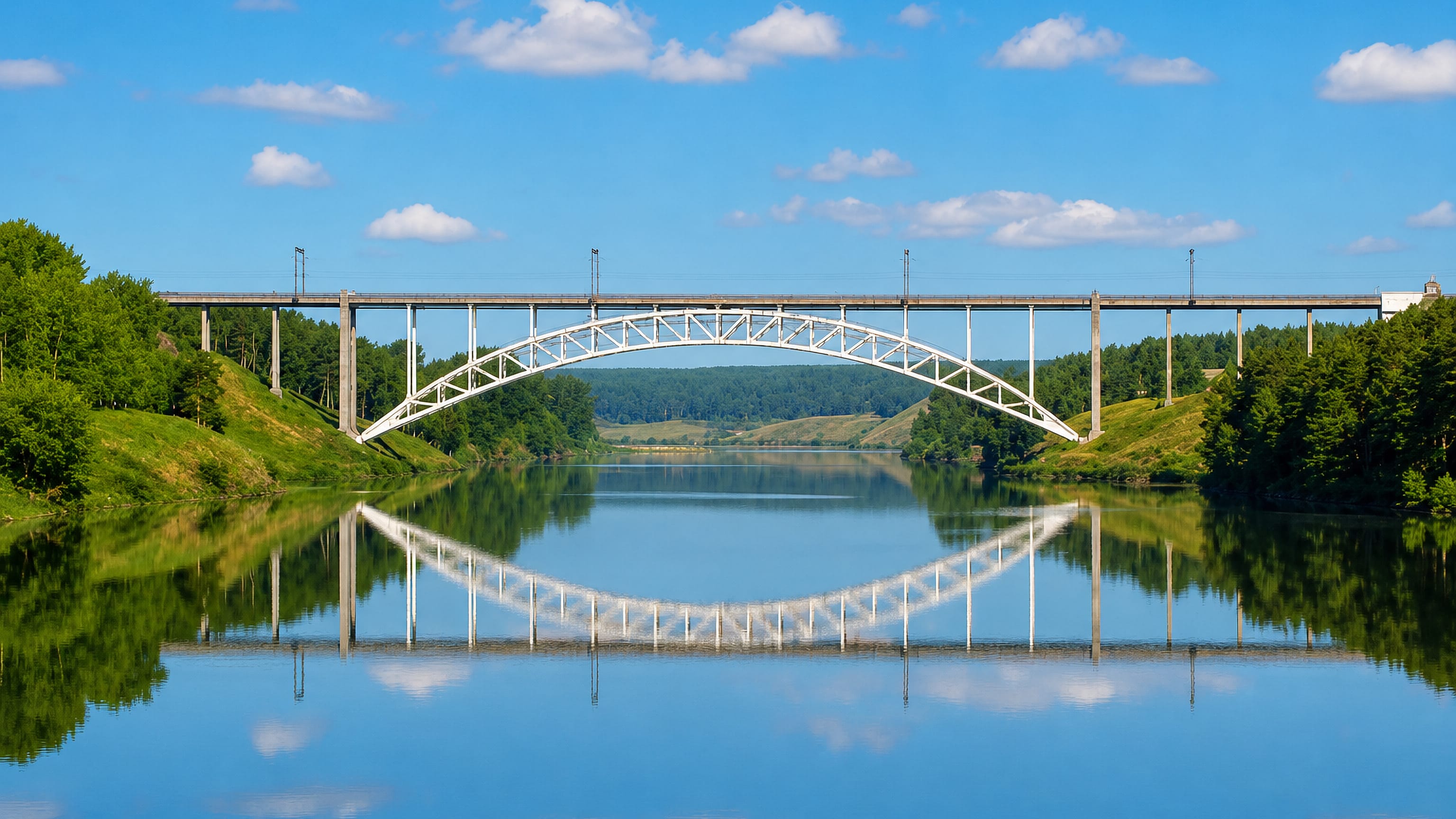
The Kamenka is the old axis. The Dam on the Kamenka river and the Bridge over Kamenka river fix the point the works chose, and the hospital building of Kamensk plant stands close by with the Estate of the Caretaker of the Kamensk Plant, which makes this the quarter for anyone who came for the early industry. Old ground here is compact.
Kamensk factory school belongs to the same short walk. Merchant frontages run through the centre. Gostiny Dvor, the Molchanov Merchants' Shop, the Gerasimov Merchant's Shop and Bucharev's manufactory shop line the trading streets, with Tronin's House, the Grachev merchants' revenue house and 36 Krasnykh Orlov Street among them.
Manor houses back them up. Merchants Zyryanov's manor house, Merchant Kosyakov's manor house and the House-Estate of the merchant Vorobyov give the quarter its residential grain, and the Holy Trinity Church closes the view along it. The station side is the practical option.
Kamensk-Uralsky train station brings arrivals in and the Russian Railway Palace of Culture stands beside it, so beds here suit anyone moving on quickly rather than working the merchant streets on foot. Industry lies further out. If you are here for the smelter rather than the old plant, the Ural Aluminum Smelter Proletarian's Group of Houses and the UAZ Palace of Culture mark that end of Kamensk-Ural'skiy, and a room among them saves crossing a city that covers some 144 square kilometres.
Things to do in Kamensk-Ural’skiy
Ranked by global recognition; descriptions from Wikidata (CC0).
Churches & Religious Sites
3- Holy Trinity Church Heritage
- Savior Transfiguration monastery Heritage
- Church of the Intercession of the Most Holy Mother of God, Kamensk-Uralsky Heritage
Castles & Historic Sites
1- Kamensk-Uralsky Cannon
Landmarks & Notable Places
8- Kamensk-Uralsky train station Heritage
- UAZ Palace of Culture Heritage
- Ural Aluminum Smelter Proletarian's Group of Houses Heritage
- Dam on the Kamenka river Heritage
- Russian Railway Palace of Culture, Kamensk-Uralsky Heritage
Show 3 more →
- Bridge over Kamenka river Heritage
- Merchants Zyryanov’s manor house Heritage
- House-Estate of the merchant Vorobyov Heritage
worth knowingacross 3 categories in Kamensk-Ural’skiy
About Kamensk-Ural’skiy
Metal and merchants share the record.
What is Kamensk-Ural’skiy known for?
The Kamensk plant left its hospital building, its factory school and the Estate of the Caretaker of the Kamensk Plant, while the Ural Aluminum Smelter Proletarian's Group of Houses marks the later industry that followed it. Trade filled the streets between. Gostiny Dvor, the Molchanov Merchants' Shop and the Gerasimov Merchant's Shop still stand, and the Kamensk-Uralsky Cannon holds its own ground as a monument.
What are the main landmarks in Kamensk-Ural’skiy?
Merchants dominate the listed stock. Bucharev's manufactory shop, the Molchanov Merchants' Shop, the Gerasimov Merchant's Shop, Merchants Zyryanov's manor house and Merchant Kosyakov's manor house survive alongside Gostiny Dvor and the House-Estate of the merchant Vorobyov. Faith takes the high ground.
The Holy Trinity Church, the Church of the Intercession of the Most Holy Mother of God and the Savior Transfiguration monastery answer them, while the Orphanage building and The Building of Men's College record the civic side. The Kamensk-Uralsky Cannon stands apart.
What is the history of Kamensk-Ural’skiy?
1701 fixed the site. A plant went up on the Kamenka just above its meeting with the Iset, and the Dam on the Kamenka river gave that plant the head of water it needed, which is why the oldest surviving fabric of the city clusters within sight of the river rather than at the modern centre. The works built more than furnaces.
Kamensk factory school taught the trades, the hospital building of Kamensk plant looked after the men, and the Estate of the Caretaker of the Kamensk Plant housed the official who ran it, with the Bridge over Kamenka river tying the two banks together. Merchants moved in behind them. Bucharev's manufactory shop, the Grachev merchants' revenue house, Tronin's House and the frontage at 36 Krasnykh Orlov Street belong to that commercial century, along with Merchants Zyryanov's manor house and the House-Estate of the merchant Vorobyov.
Charity and schooling followed trade. The Orphanage building and The Building of Men's College went up as the town outgrew the plant, and the Holy Trinity Church, the Church of the Intercession of the Most Holy Mother of God and the Savior Transfiguration monastery gave it a religious frame. Rails and aluminium came last.
Kamensk-Uralsky train station brought the modern connection, the Russian Railway Palace of Culture and the UAZ Palace of Culture served two workforces in turn, and the Ural Aluminum Smelter Proletarian's Group of Houses shows how the twentieth-century city housed the people it drew in.
Where is Kamensk-Ural’skiy?
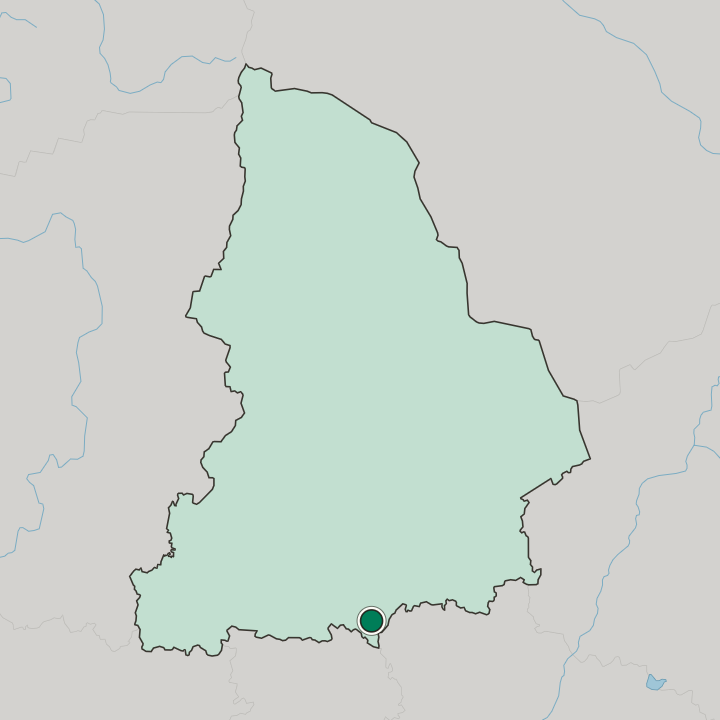
Two rivers meet under the city. The Kamenka joins the Iset inside Kamensk-Ural'skiy, and the older quarters keep to the ground between them while the newer districts spread outward across some 144 square kilometres of Sverdlovsk Oblast. Water divides the plan.
The Bridge over Kamenka river and the Dam on the Kamenka river are the two crossings that still explain how the built-up parts of the city hang together.
What is the climate of Kamensk-Ural’skiy?
The Iset carries the seasons through. Kamensk-Ural'skiy lies in the temperate band of the northern hemisphere, deep inside Sverdlovsk Oblast and a long way from any moderating coast, so the year swings wide between its ends. The Kamenka freezes first.
Its smaller channel and the pool held back by the Dam on the Kamenka river turn before the larger river does, which is the plainest local reading of the calendar.
How do you get to Kamensk-Ural’skiy?
Kamensk-Uralsky train station is the door. Rail brings most arrivals into Kamensk-Ural'skiy, and the Russian Railway Palace of Culture beside the platforms shows how much of the city's twentieth century was built around that connection within Sverdlovsk Oblast. The rest is a short transfer.
Gostiny Dvor and the merchant frontages lie one way from the station, the Dam on the Kamenka river and the old plant ground the other.
Good for
More cities in Sverdlovsk Oblast
Updated September 2026