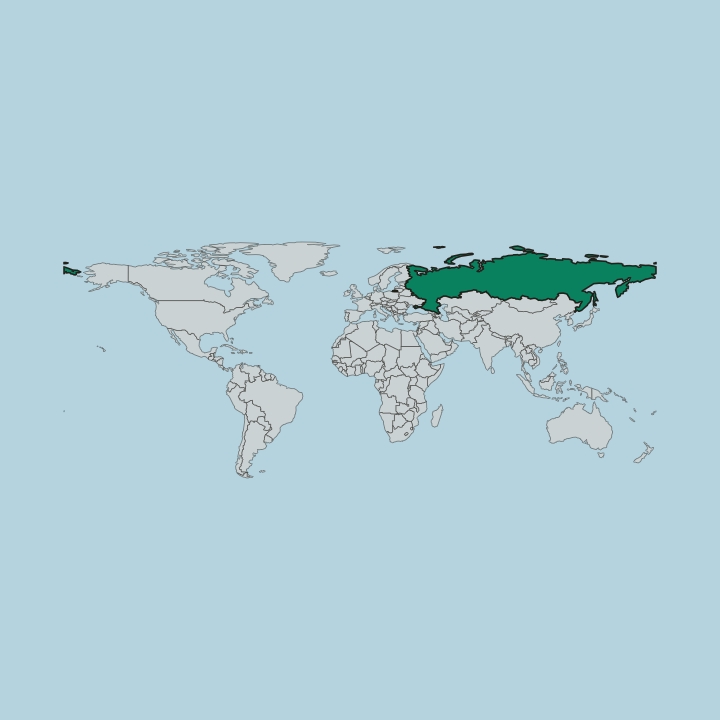
Russia · Sverdlovsk Oblast
Where to Stay in Yekaterinburg, Sverdlovsk Oblast
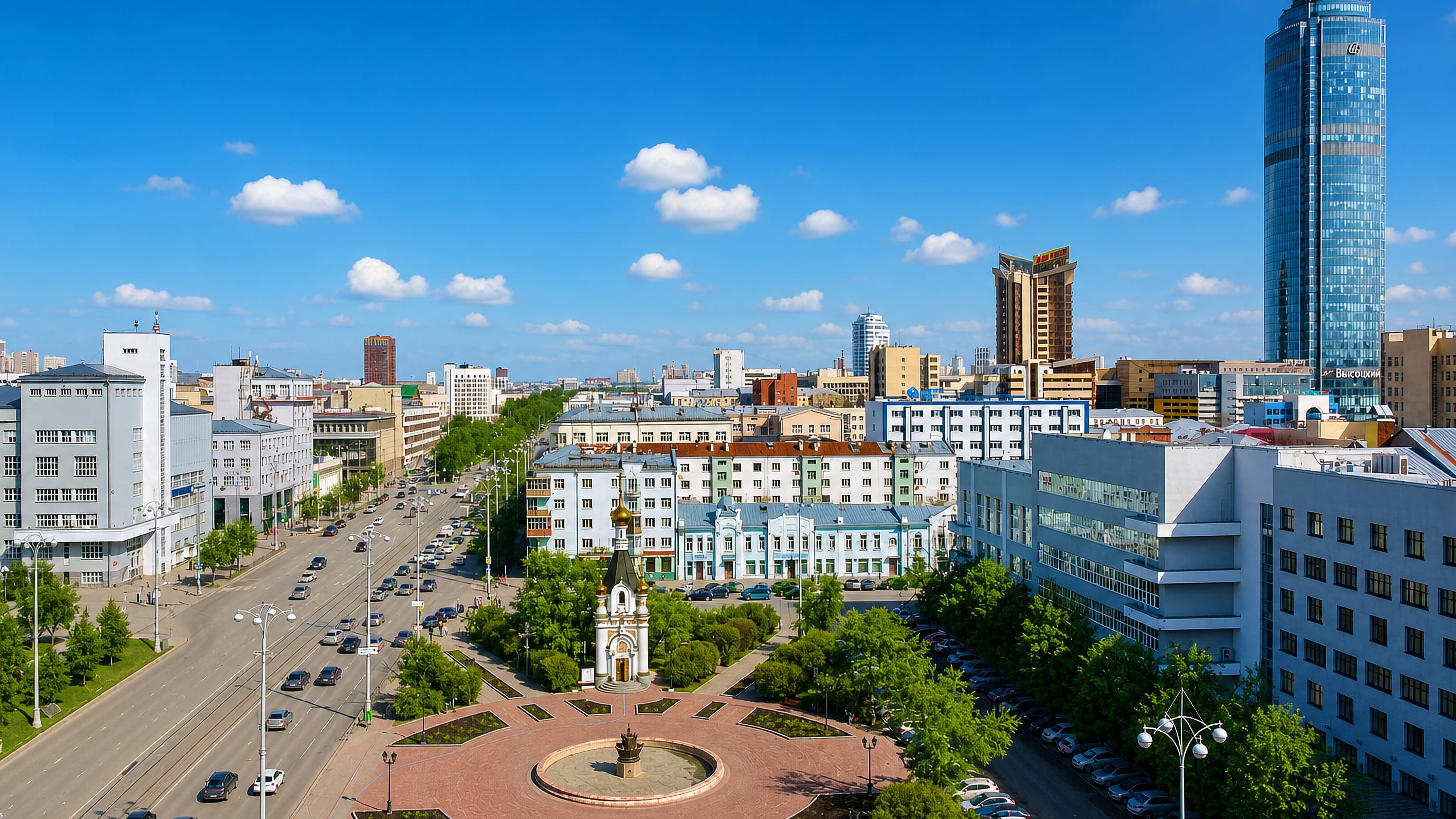
Yekaterinburg rises along the Iset River in the Urals, capital of Sverdlovsk Oblast, known for the Church of All Saints and Rastorguyev-Kharitonov Palace.
Find your area →


Where to stay in Yekaterinburg
The right area depends on your trip — here's what each neighbourhood is best for.

 YekaterinburgRussia
Gospromural building estate
The Gospromural building estate is a 1936 constructivist housing complex on Prospekt Lenina in central Yekaterinburg.Gospromural building estate → YekaterinburgRussia
Gorodok Chekistov
Gorodok Chekistov is a Constructivist residential quarter of Yekaterinburg, Russia, laid out in 1932.Gorodok Chekistov → YekaterinburgRussia
Yekaterinburg-City
Yekaterinburg-City is Yekaterinburg's high-rise business quarter, a tight cluster of towers on the Iset embankment.Yekaterinburg-City → YekaterinburgRussia
Oktyabrski district
Oktyabrski is the south-eastern district of Yekaterinburg, rising to the Rastorguyev-Kharitonov Palace on Ascension Hill.Oktyabrski district →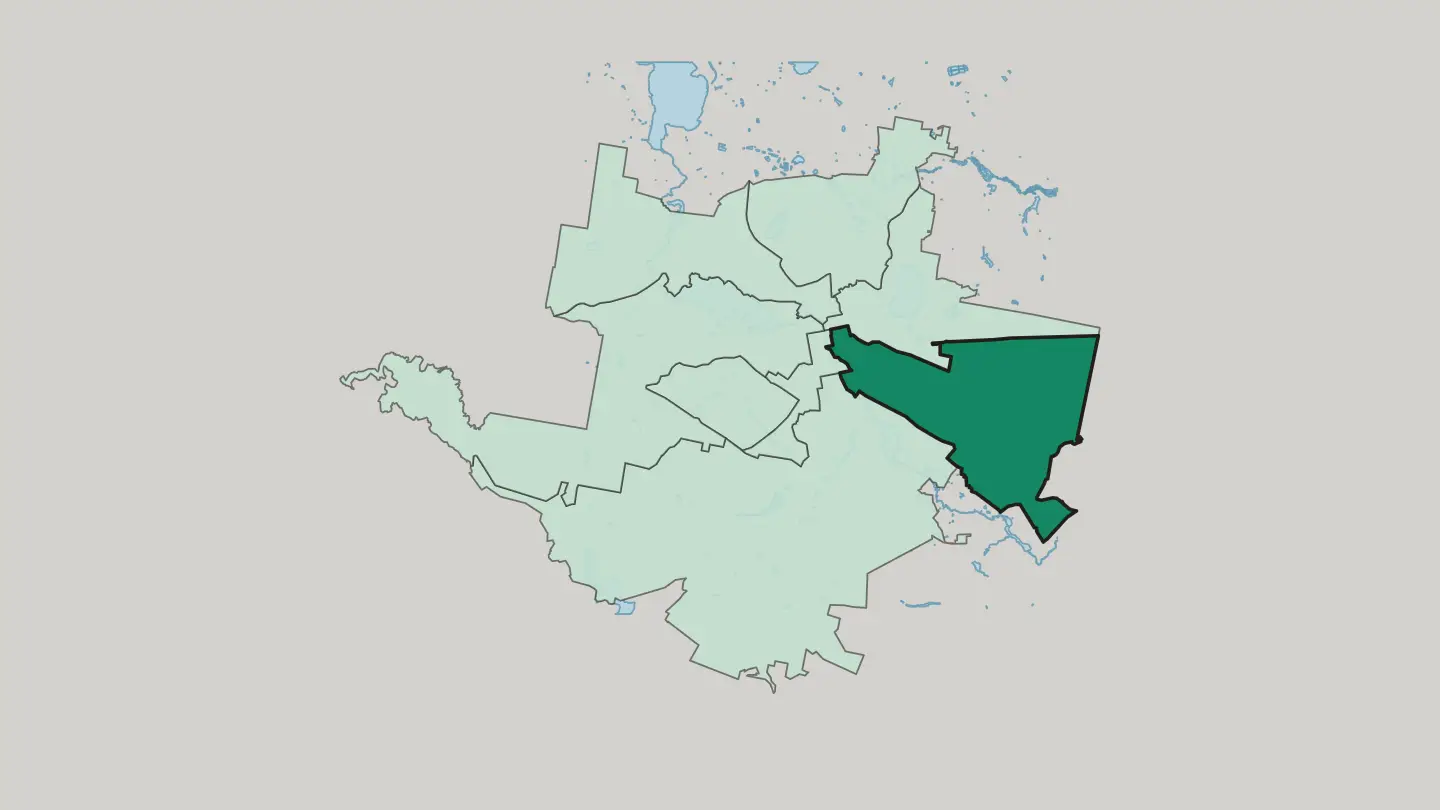
 YekaterinburgRussia
Verch-Isetski district
Verch-Isetski district spreads west of central Yekaterinburg around the Verkh-Isetsky Plant, the ironworks its streets grew up beside.Verch-Isetski district →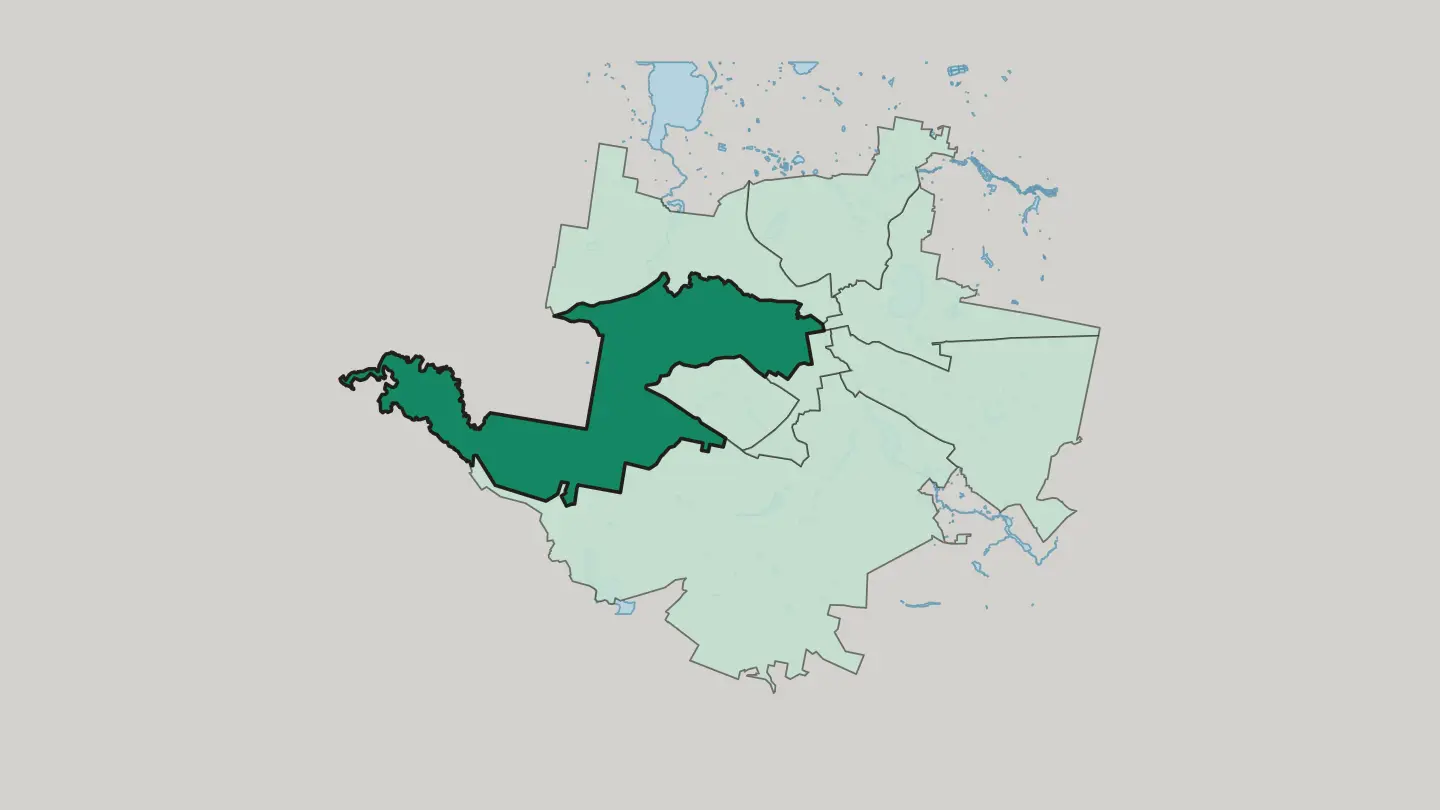
 YekaterinburgRussia
Kirovski district
Kirovski district is Yekaterinburg's eastern academic quarter, home to the Ural Federal University and the Ural Branch of the Russian Academy of Sciences.Kirovski district →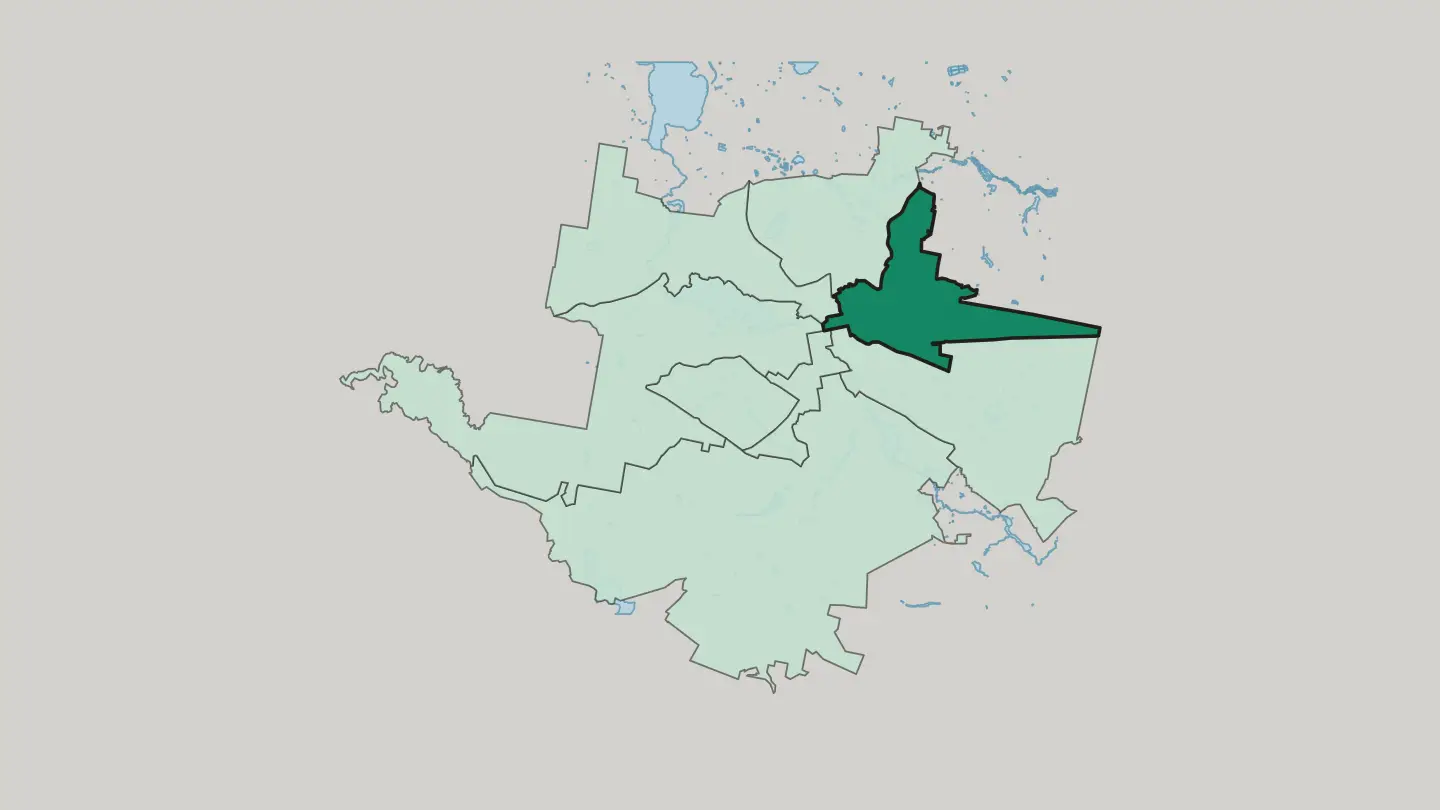
 YekaterinburgRussia
Zheleznodorozhniy District
Zheleznodorozhniy District, the railway quarter of Yekaterinburg, holds the Museum of Sverdlovsk Railway.Zheleznodorozhniy District →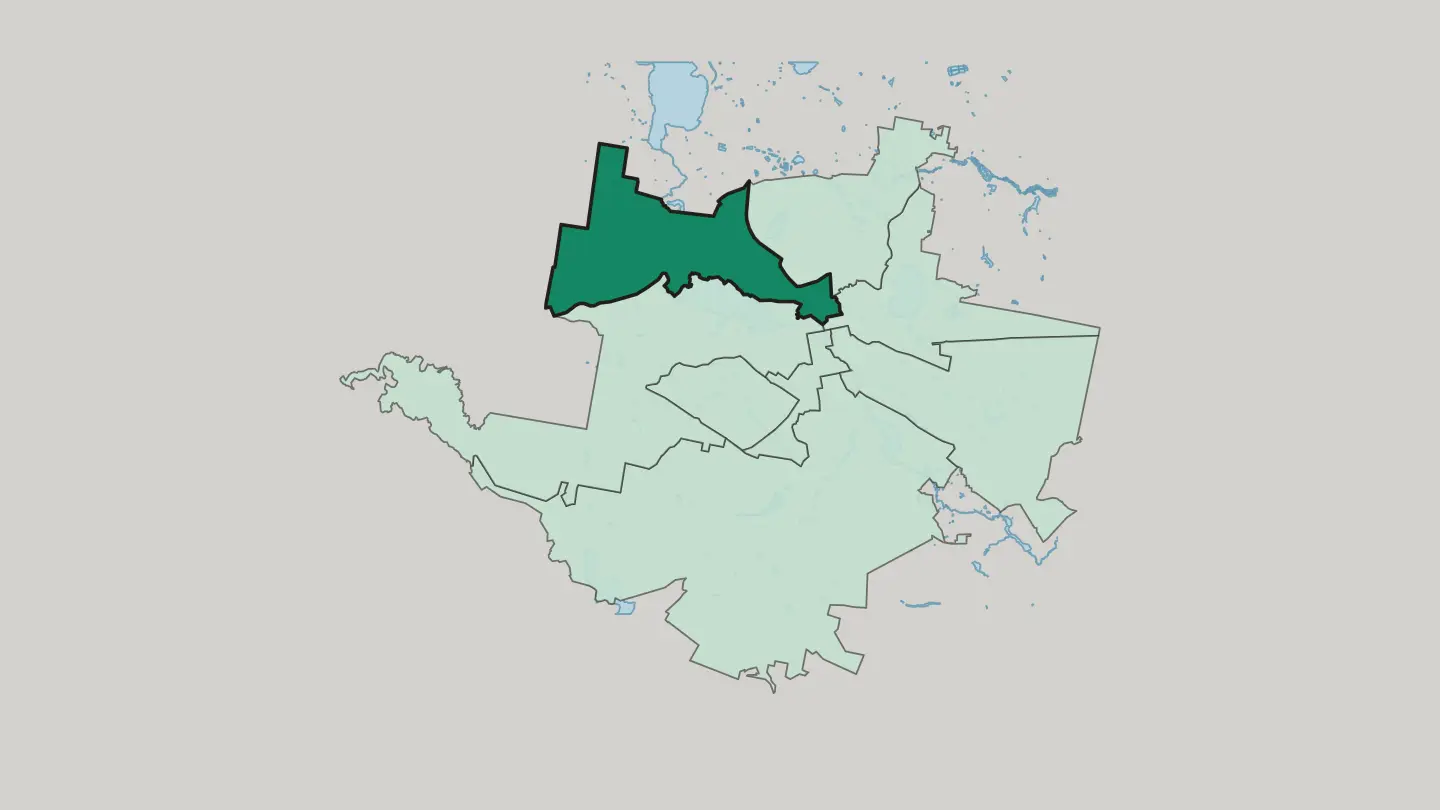
 YekaterinburgRussia
Ordzonikidsevski district
Ordzonikidsevski district is the Uralmash industrial borough of Yekaterinburg, Russia, ringed by the works and the White Tower.Ordzonikidsevski district →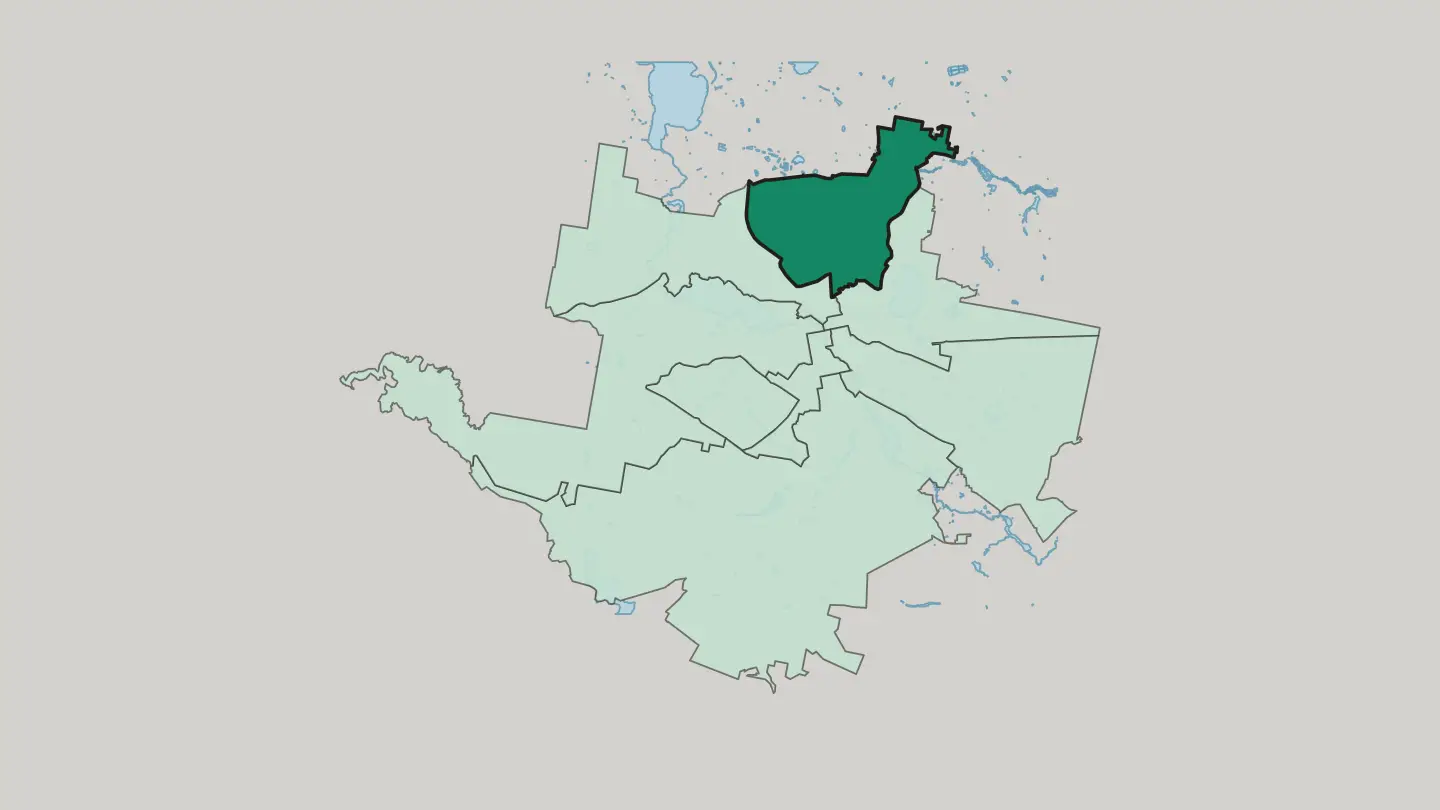
 YekaterinburgRussia
Oeralmasj
Oeralmasj is a factory-built borough of Yekaterinburg, laid out in 1927 around the Uralmash works.Oeralmasj → YekaterinburgRussia
Leninski district
Leninski district is one of the central boroughs of Yekaterinburg, in Sverdlovsk Oblast, set within the wider expanse of Russia.Leninski district →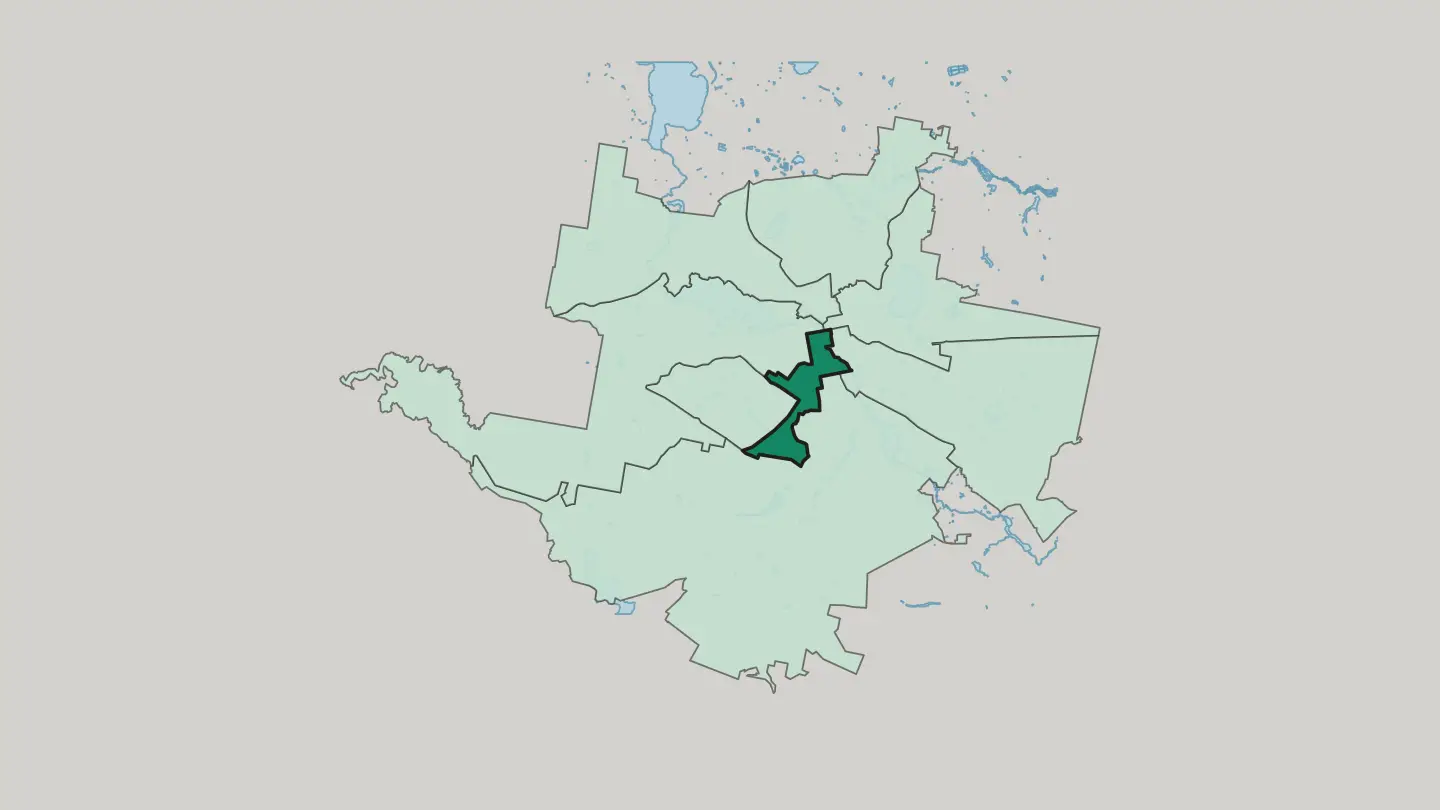
 YekaterinburgRussia
Chkalovski district
Chkalovski district covers the southern reach of Yekaterinburg, wrapped around the Uktus Mountains and the old Uktus locality.Chkalovski district →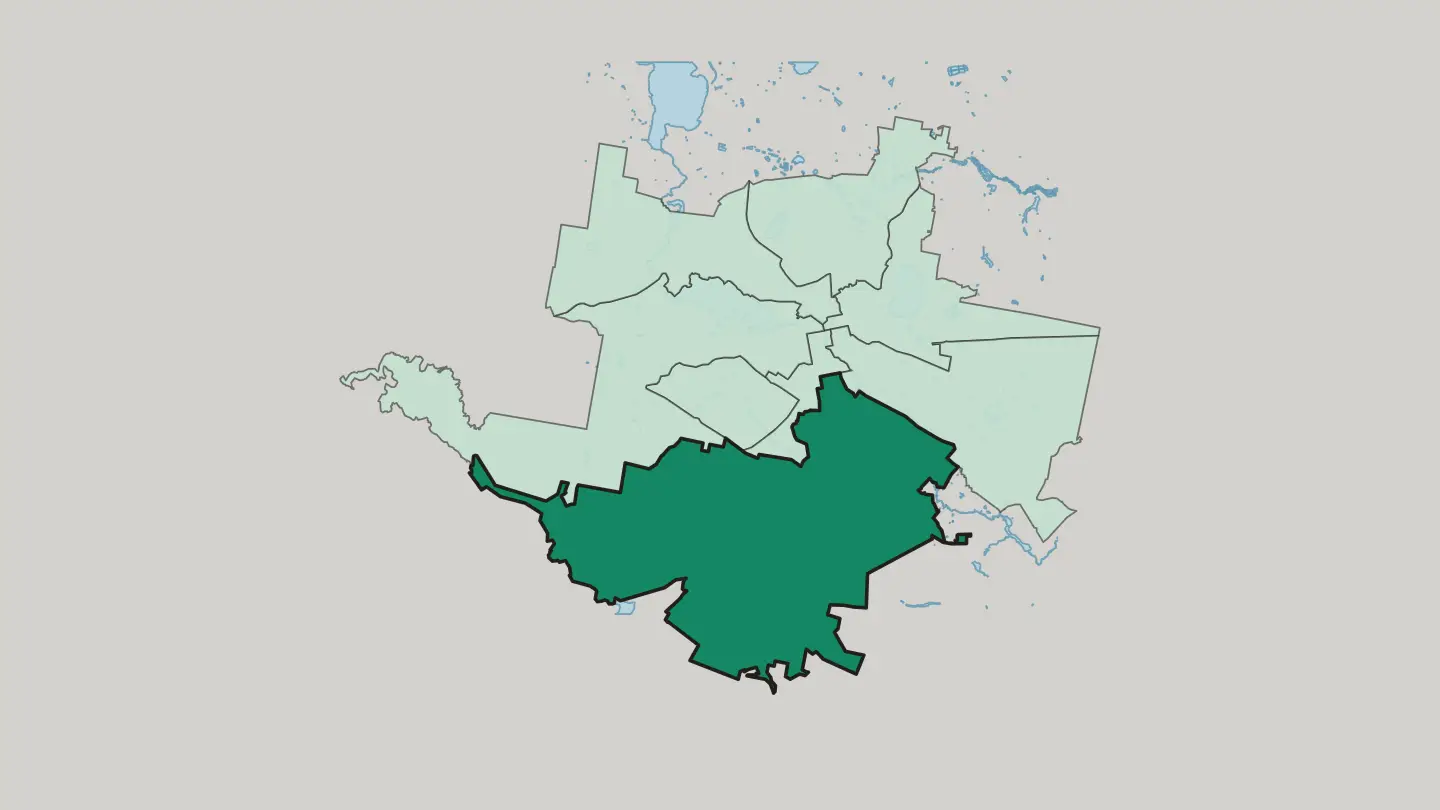
 YekaterinburgRussia
Akademicheskiy District
Akademicheskiy District is a planned residential district of Yekaterinburg, Russia, formed in 2020.Akademicheskiy District →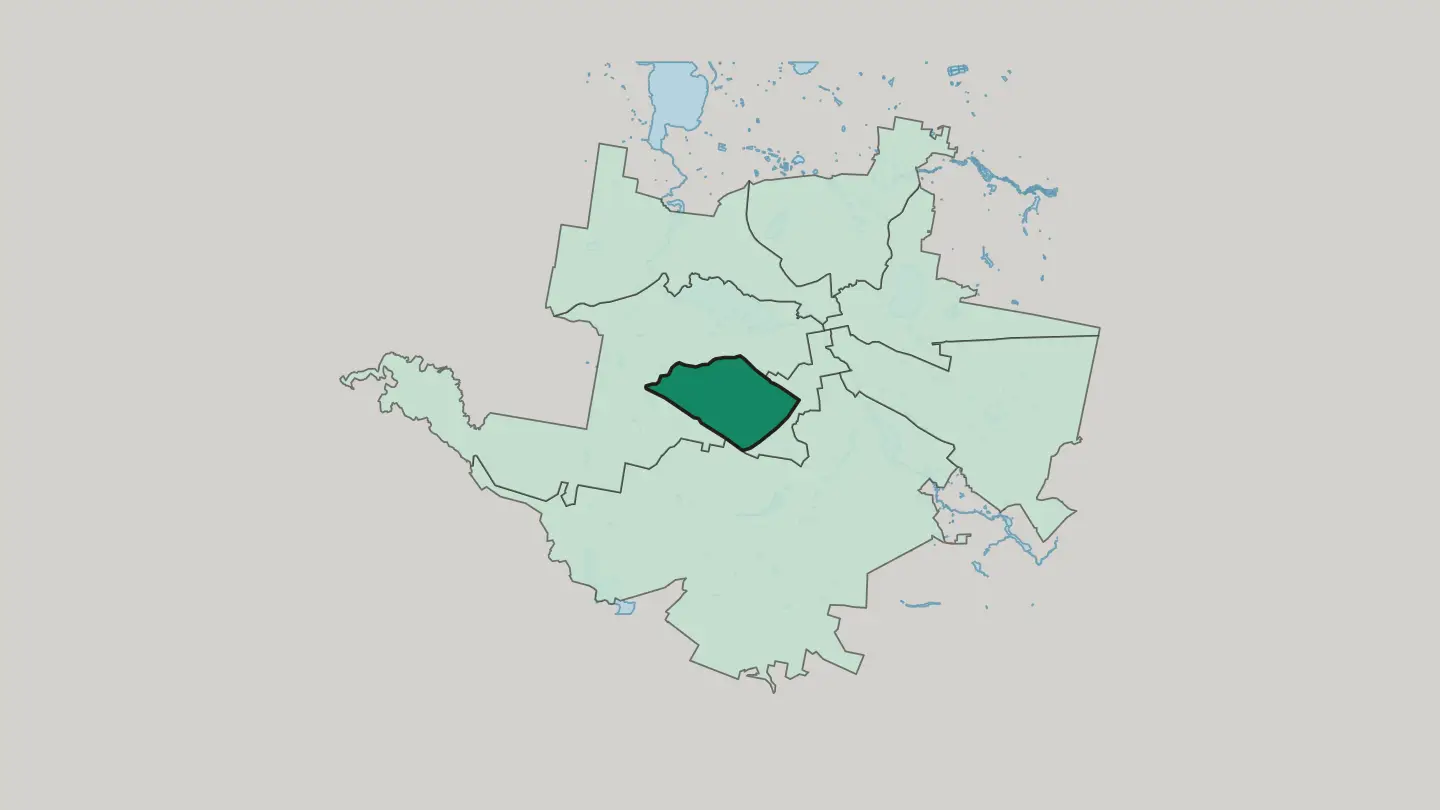
Things to do in Yekaterinburg
Ranked by global recognition; descriptions from Wikidata (CC0).
Museums & Galleries
2- Boris Yeltsin Presidential Center
- Museum of Architecture and Design
Churches & Religious Sites
7- Ascension Church Heritage
- Alexander Nevsky Cathedral, Yekaterinburg Heritage
- Trinity Cathedral Heritage
- St. John the Baptist Cathedral Heritage
- Church of the Transfiguration, Yekaterinburg Heritage
Show 2 more →
- Church Of Michael The Archangel Heritage
- Church of the Exaltation of the Holy Cross in Yekaterinburg Heritage
Castles & Historic Sites
5- Shartash Stone Tents Rocks Heritage
- Monument to Vladimir Lenin, Yekaterinburg Heritage
- Monument to Yakov Sverdlov Heritage
- Monument to Nikolai Kuznetsov in Yekaterinburg Heritage
- Monument to Sergo Orjonikidze in Yekaterinburg Heritage
Stadiums & Sports
1- Central Stadium Yekaterinburg Heritage
Landmarks & Notable Places
8- Ipatiev House Heritage
- Ural State Technical University Heritage
- White Tower Heritage
- Yekaterinburg Opera and Ballet Theatre Heritage
- Rastorguyev-Kharitonov Palace Heritage
Show 3 more →
- Ekaterinburg Military Academy Heritage
- Yekaterinburg Museum of Fine Arts Heritage
- Ural Turbine Plant Heritage
worth knowingacross 5 categories in Yekaterinburg
About Yekaterinburg
What is Yekaterinburg known for?
Yekaterinburg is the industrial and cultural anchor of the Urals, a role rooted in the ironworks that founders laid on the Iset River in 1723. The mix defines it. Constructivist facades stand beside Orthodox landmarks such as the Church of All Saints, built where the Ipatiev House once held the last Russian imperial family before their deaths in 1918.
Along the embankment, the Boris Yeltsin Presidential Center traces the country's late history. Opera fills the Yekaterinburg Opera and Ballet Theatre.
What are the main landmarks in Yekaterinburg?
Yekaterinburg wears its landmarks openly. Gilded cathedrals and Soviet-era monuments share the centre, from the Church of All Saints and the Alexander Nevsky Cathedral to the older Ascension Church and Trinity Cathedral. The Yekaterinburg Museum of Fine Arts and the Boris Yeltsin Presidential Center hold its collections, while the Yekaterinburg Opera and Ballet Theatre stages ballet and opera.
One landmark plays for laughs: the Keyboard monument, a giant keyboard set beside the Iset River. The Rastorguyev-Kharitonov Palace crowns a rise above the water.
What is the history of Yekaterinburg?
Yekaterinburg began in 1723 as an ironworks and fortress on the Iset River, built to work the ore of the Urals and named for the empress Catherine I. It grew as a mining and metalworking town. Iron, copper, and later machine works pulled workers to the valley through the eighteenth and nineteenth centuries. The Rastorguyev-Kharitonov Palace dates from that merchant era.
The Old Train Station survives from the age when rail first bound these factories to the wider empire. For much of the twentieth century the city bore another name. From 1924 to 1991 it was called Sverdlovsk, after the revolutionary Yakov Sverdlov, and a monument to him still stands in the centre.
The Ipatiev House drew the darkest chapter: the last Russian imperial family was held and killed there in 1918, and the Church of All Saints was later raised on the site. Decades later, the city gave the country its first president, Boris Yeltsin, remembered at the Boris Yeltsin Presidential Center and by a monument in his name. The Monument to the city founders honours the two officials who laid it out.
Stone and metal hold that history.
Where is Yekaterinburg?
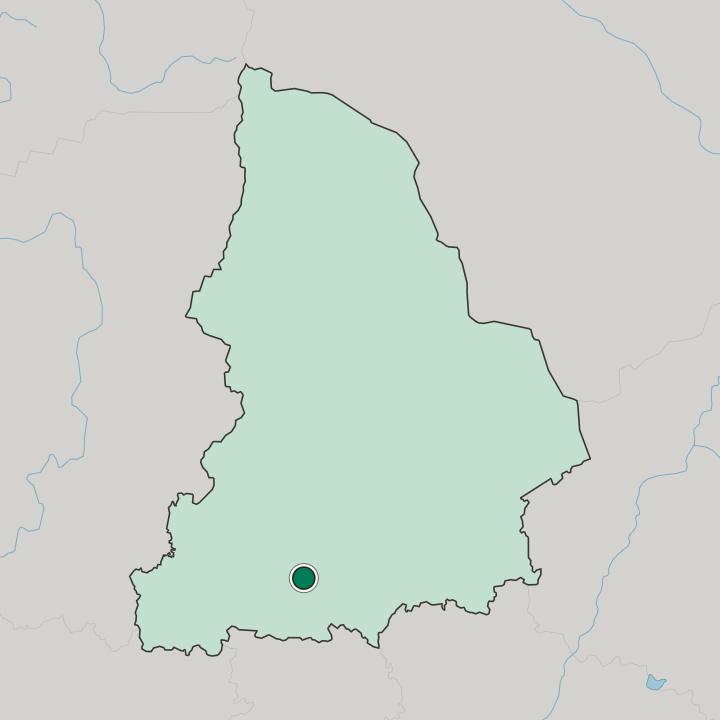
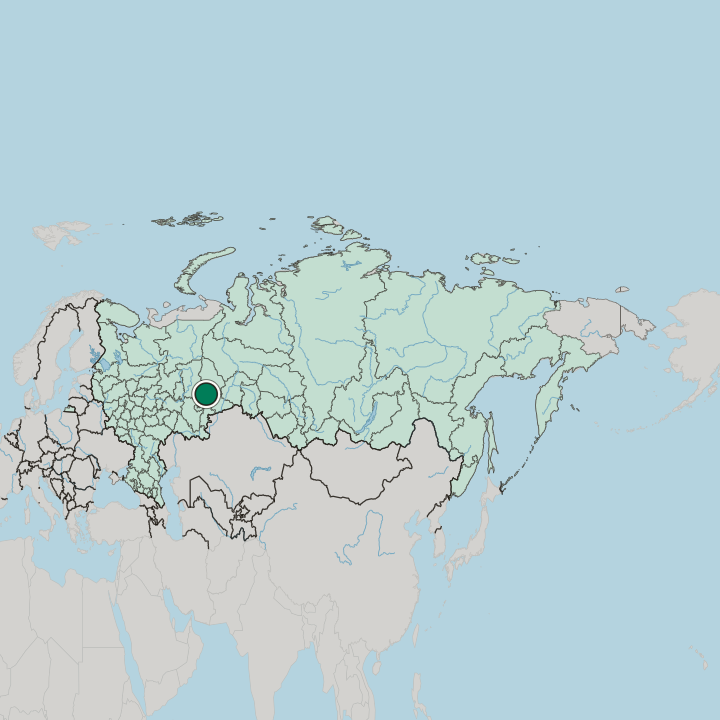
Yekaterinburg lies on the Iset River, deep in the Urals, the long mountain belt that divides the Volga-Ural region from Siberia and carries the ore that first drew settlers to this ground. The river threads the centre. Sverdlovsk Oblast spreads around the city, and the wider Ural Federal District reaches across the industrial country beyond.
Forests and low hills frame the built-up ground. Water and ore set its bounds.
What is the climate of Yekaterinburg?
Winters run long in Yekaterinburg. Far inland in the Urals, well away from any moderating sea, the city keeps a sharply continental climate of frozen winters and short, warm summers. The Iset River ices over for months before the spring thaw.
Autumn and spring pass quickly between the two extremes. Frost lingers into April some years.
How do you get to Yekaterinburg?
Yekaterinburg is one of the main transport hubs of the Urals. Railways converge here from the Volga-Ural region and Siberia, making the city a natural junction on the long haul between west and east. Long-distance trains and an international airport connect it to Moscow, Saint Petersburg, and cities far beyond.
The Old Train Station recalls the first rail age, though newer terminals carry the traffic. Roads fan out across Sverdlovsk Oblast. Arrival is easy from almost any direction.
Good for
More cities in Sverdlovsk Oblast
Updated October 2026