Russia
Sverdlovsk Oblast, Russia — Towns & Travel Guide
Sverdlovsk Oblast rises through the middle of the Urals, a region of the Russian Federation built around Yekaterinburg.
Find your area →


Towns & cities in Sverdlovsk Oblast
Pick a town or city — each links to where to stay.
 Russia
Yekaterinburg
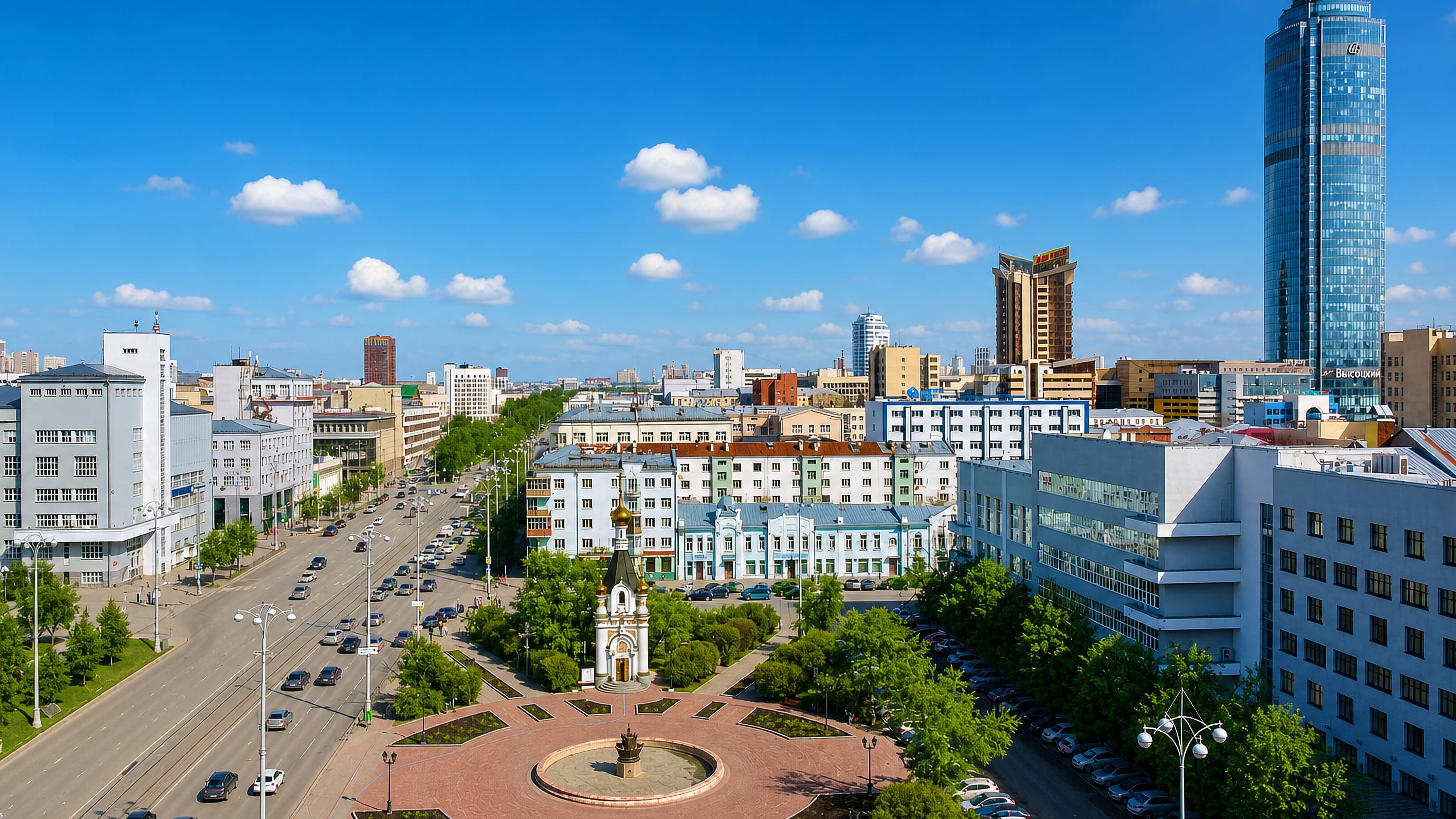
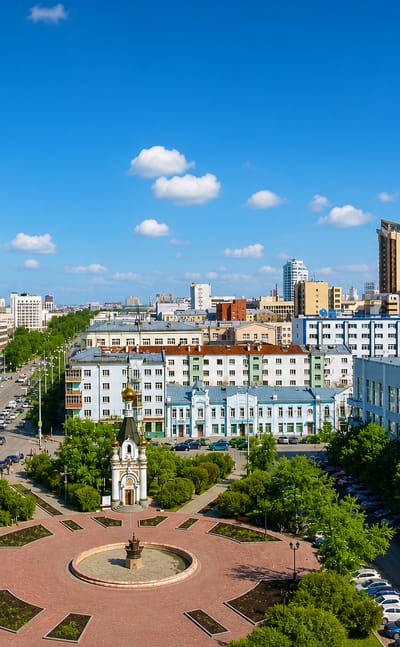
Yekaterinburg rises along the Iset River in the Urals, capital of Sverdlovsk Oblast, known for the Church of All Saints and Rastorguyev-Kharitonov Palace.Where to stay →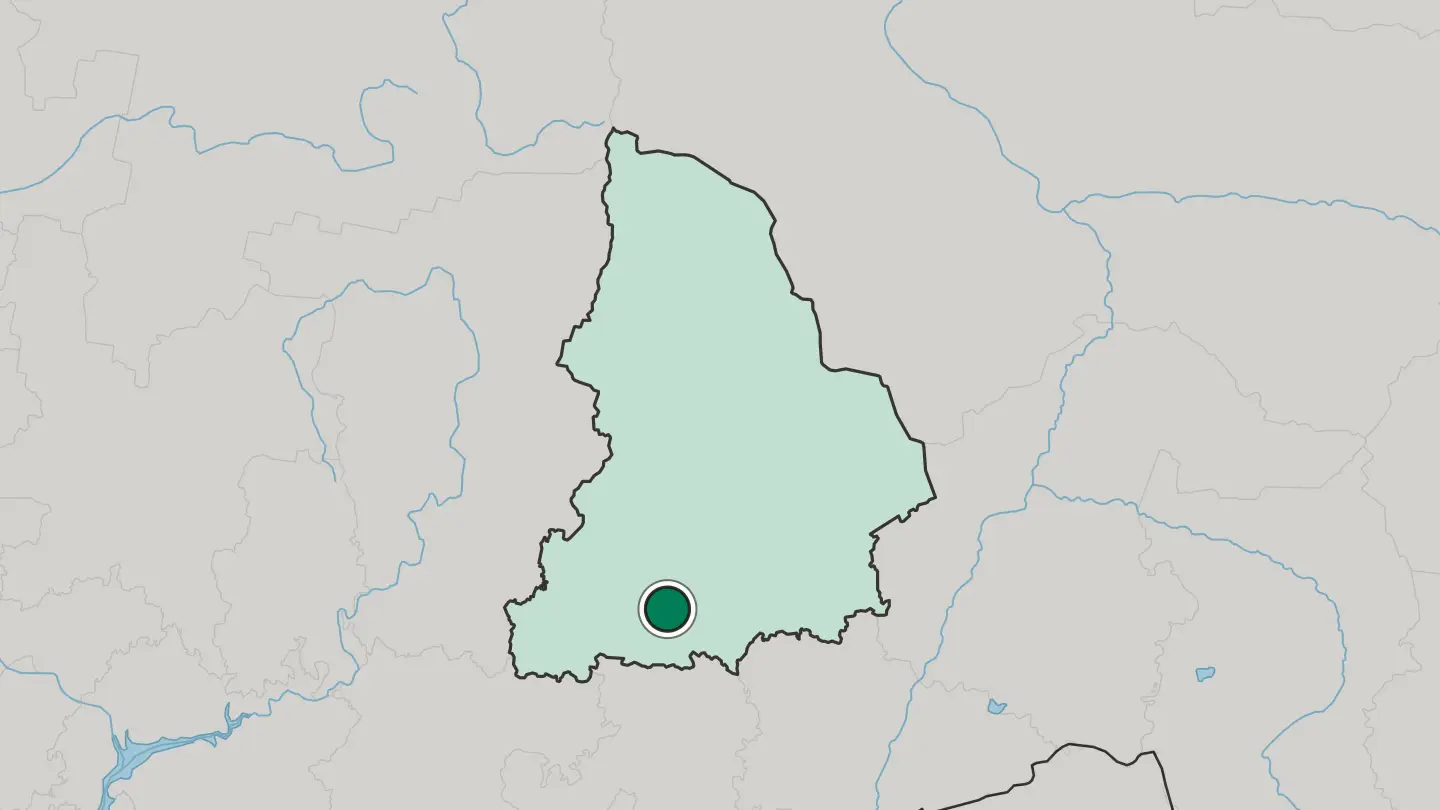
 Russia
Nizhny Tagil
Nizhny Tagil is an old industrial city of the Urals in Russia, a metal town of the Demidov ironworks where the first Russian steam engine was built.Where to stay →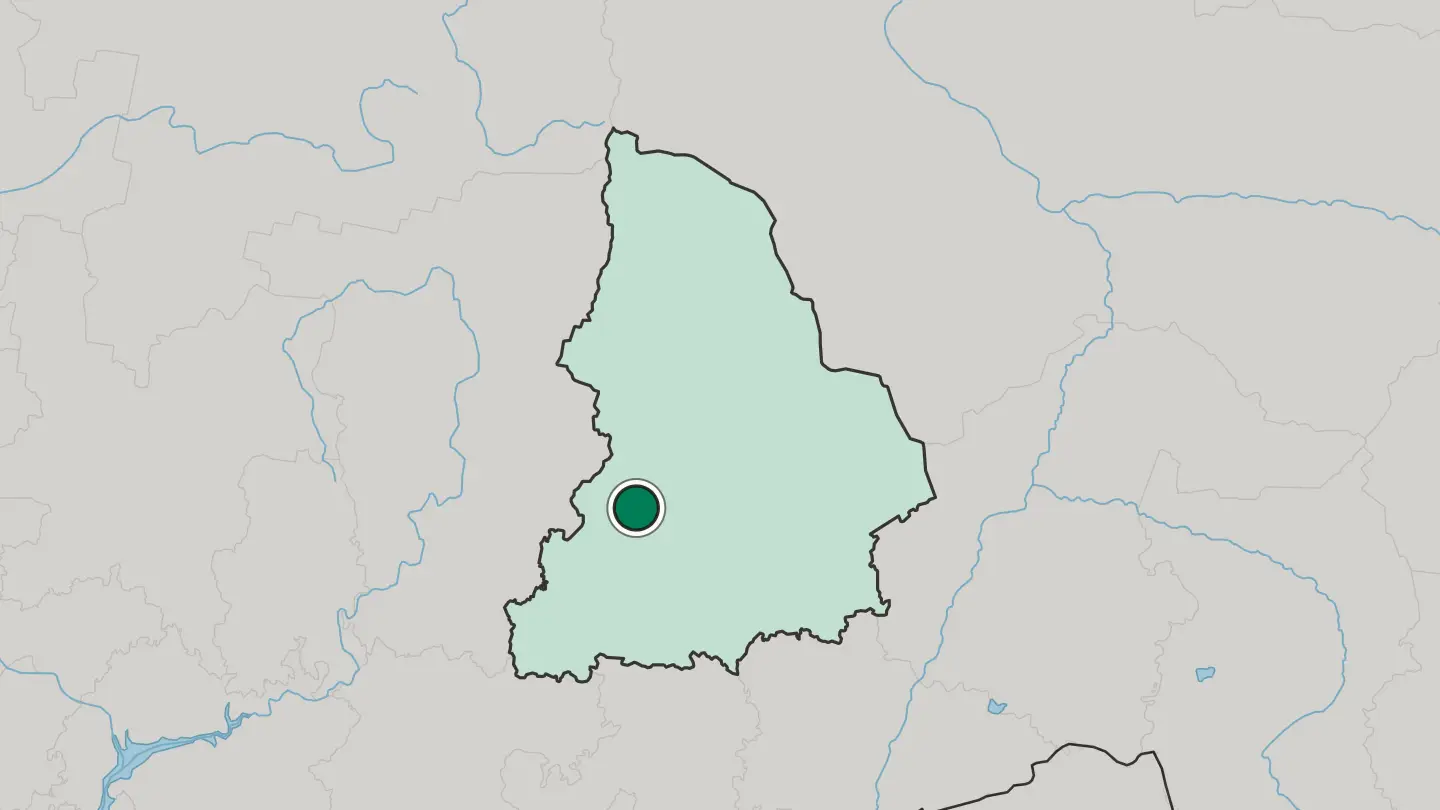
 Russia
Kamensk-Ural’skiy
Kamensk-Ural'skiy sits at the confluence of the Kamenka and the Iset in Sverdlovsk Oblast, a works town dated to 1701 and recorded as Каменск.Where to stay →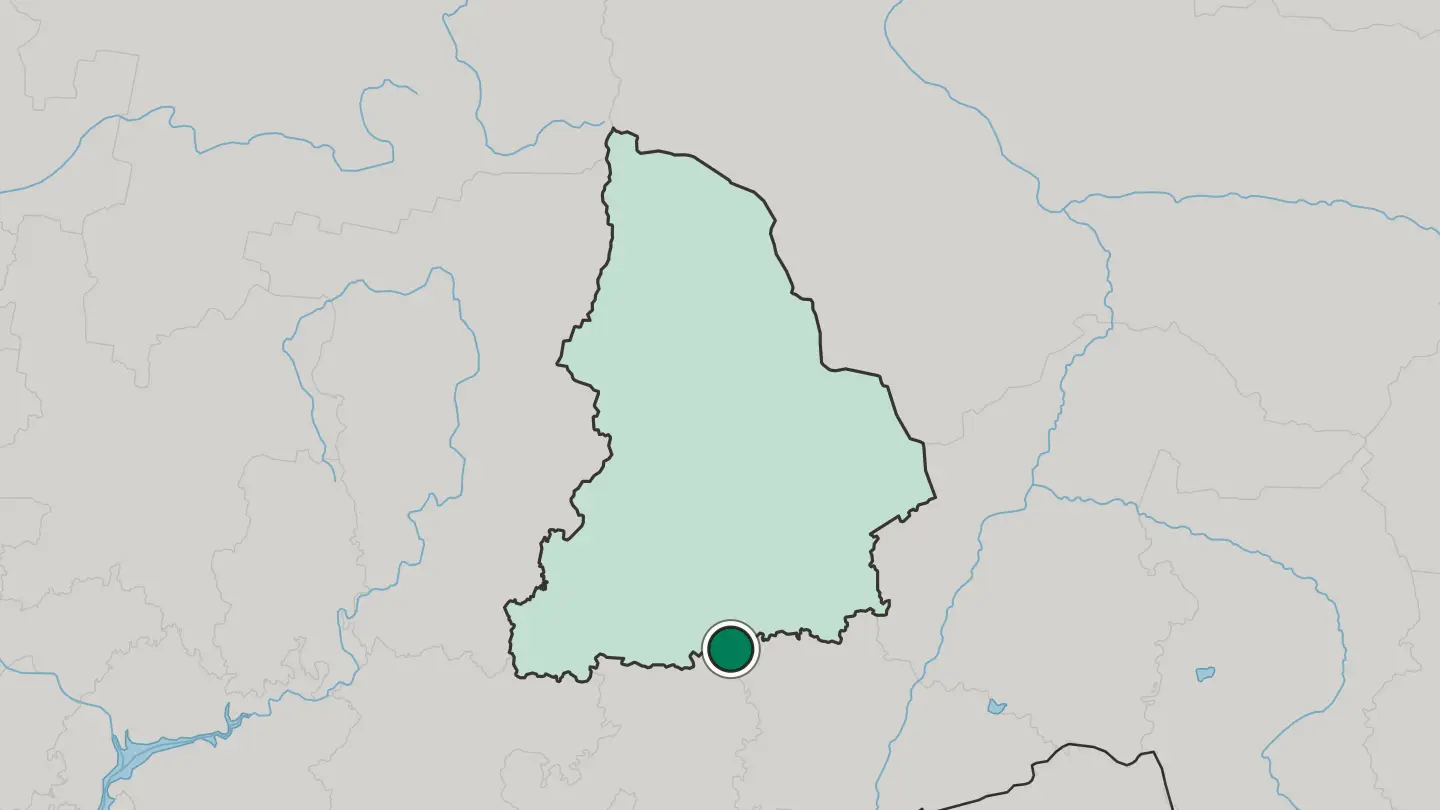 Russia
Pervouralsk
Pervouralsk stands on the Chusovaya River west of Yekaterinburg, founded in 1732 as the works settlement Васильевско-Шайтанский завод.Where to stay →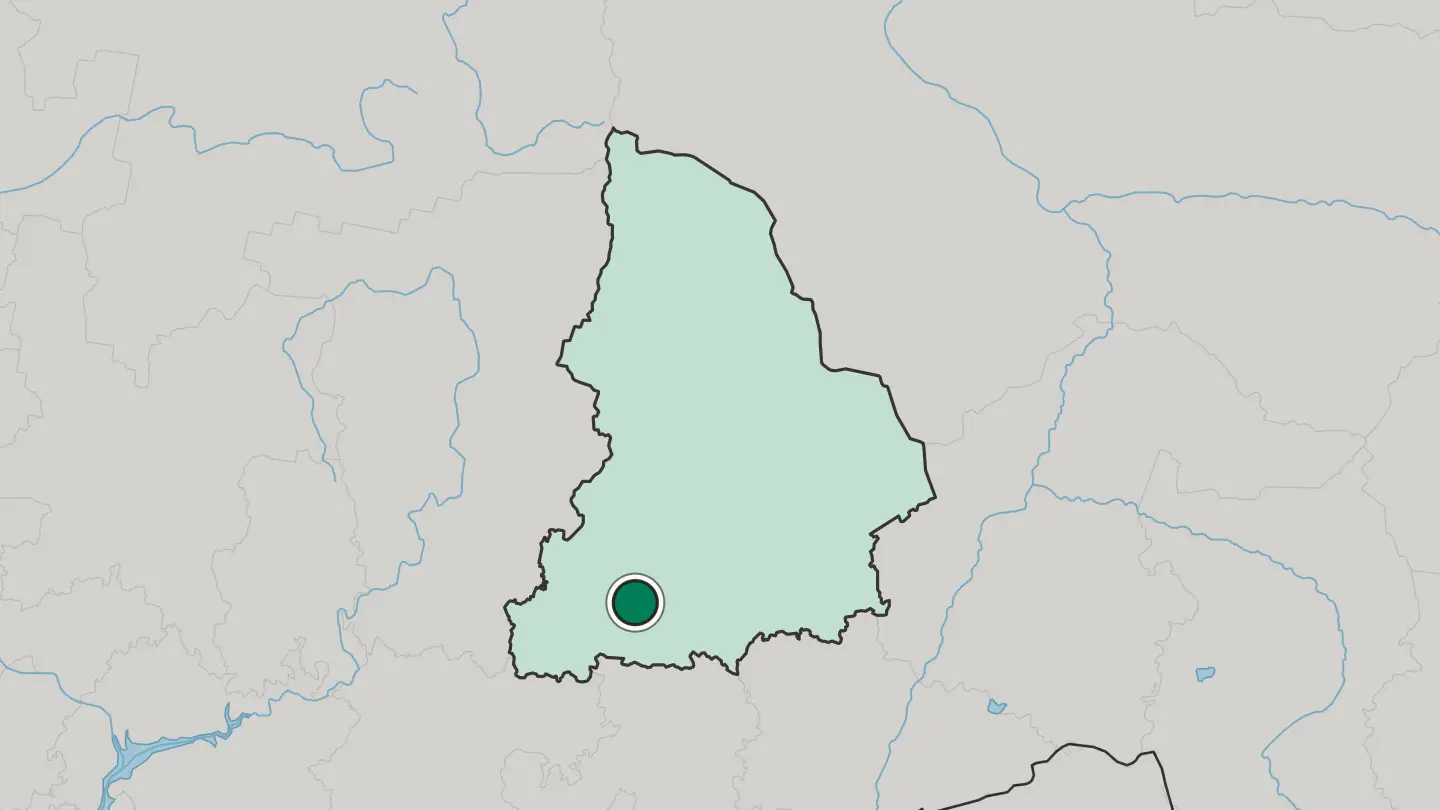
 Russia
Serov
Serov is a mining and commercial town on the left bank of the Kakva River, founded in 1894 in the eastern foothills of the Ural Mountains.Where to stay →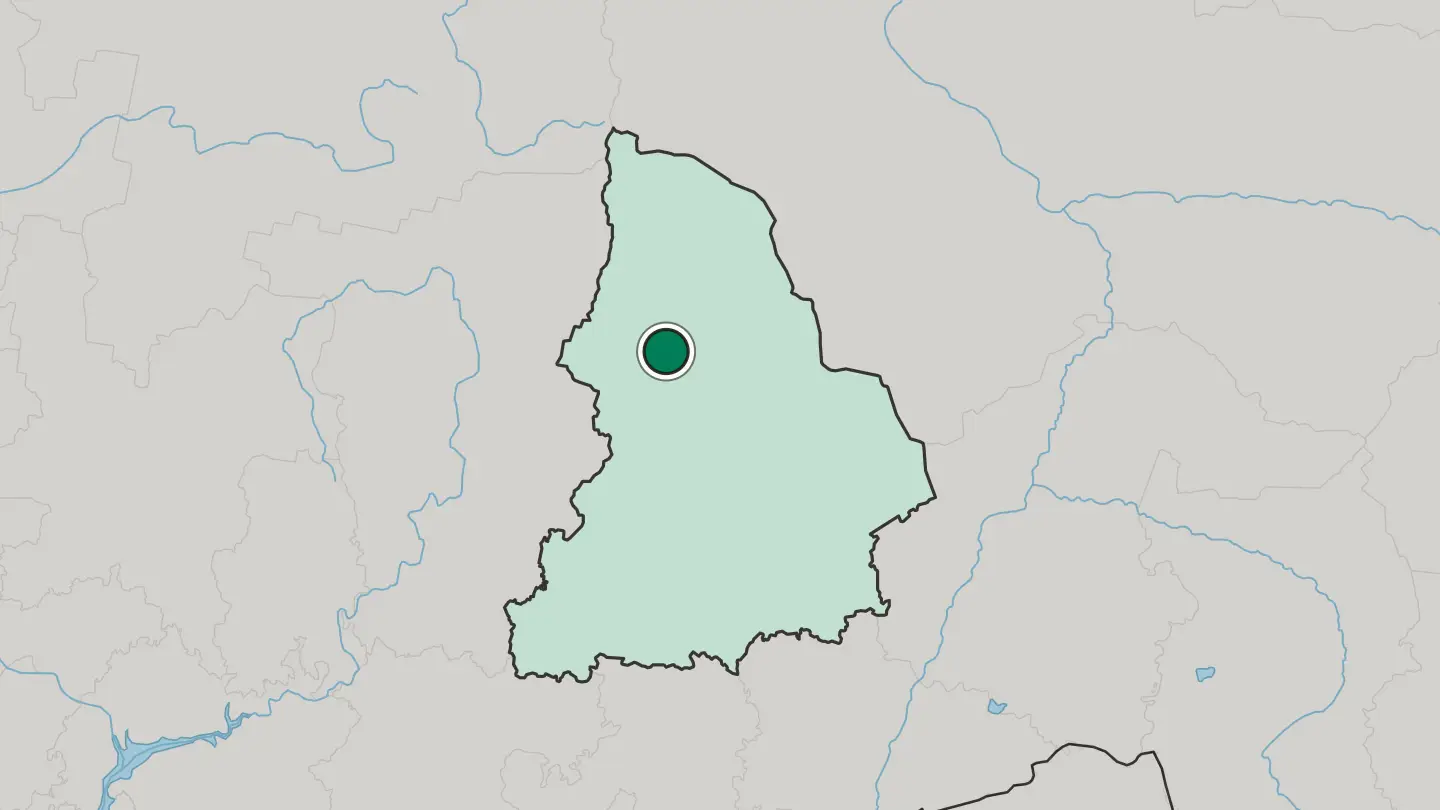 Russia
Novoural’sk
A closed town in Sverdlovsk Oblast, Novouralsk was founded in 1941 on the eastern side of the Ural Mountains, north of Yekaterinburg.Where to stay →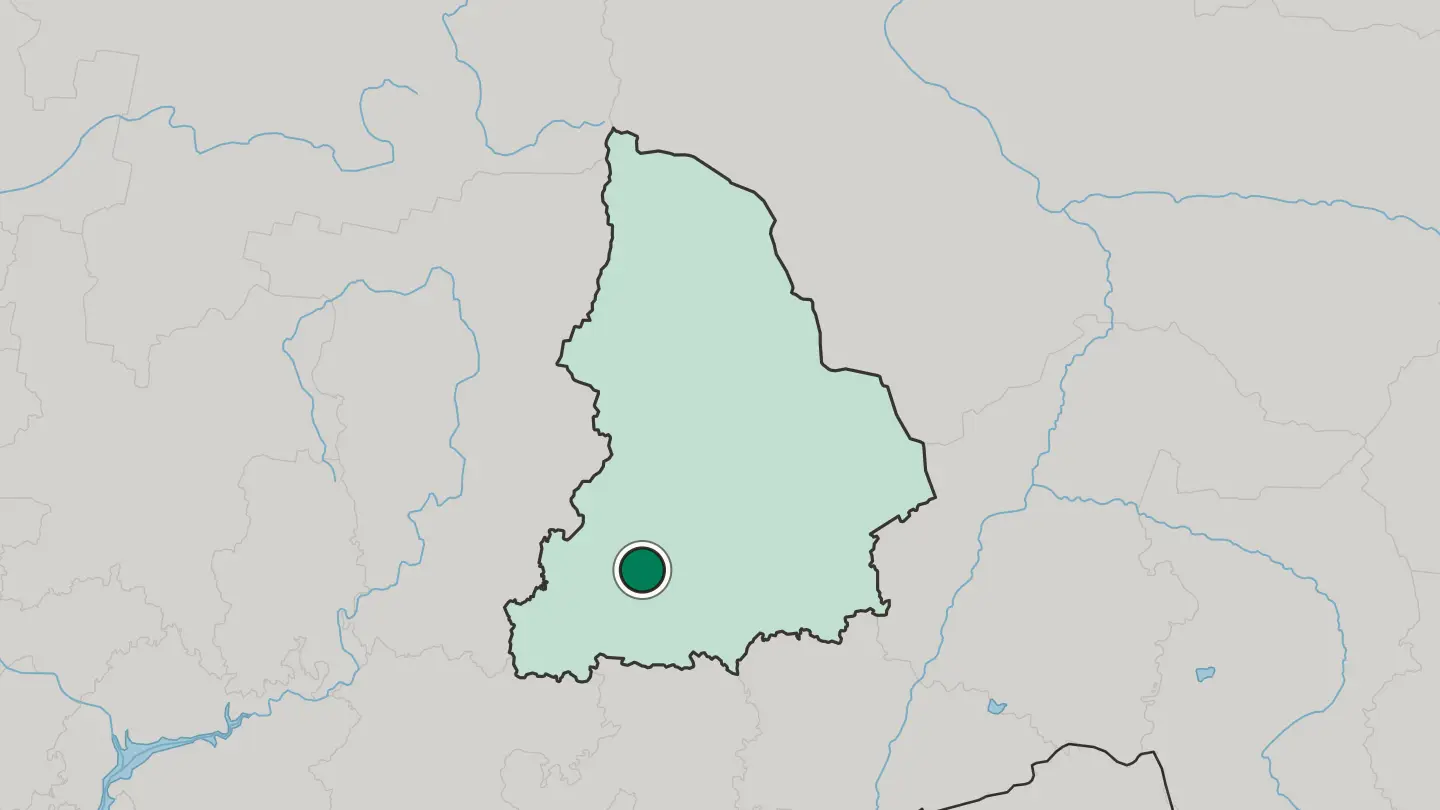 Russia
Asbest
Asbest lies on the Bolshoy Reft on the eastern slopes of the Ural Mountains, 70 kilometres north-east of Yekaterinburg, and dates from 1889.Where to stay →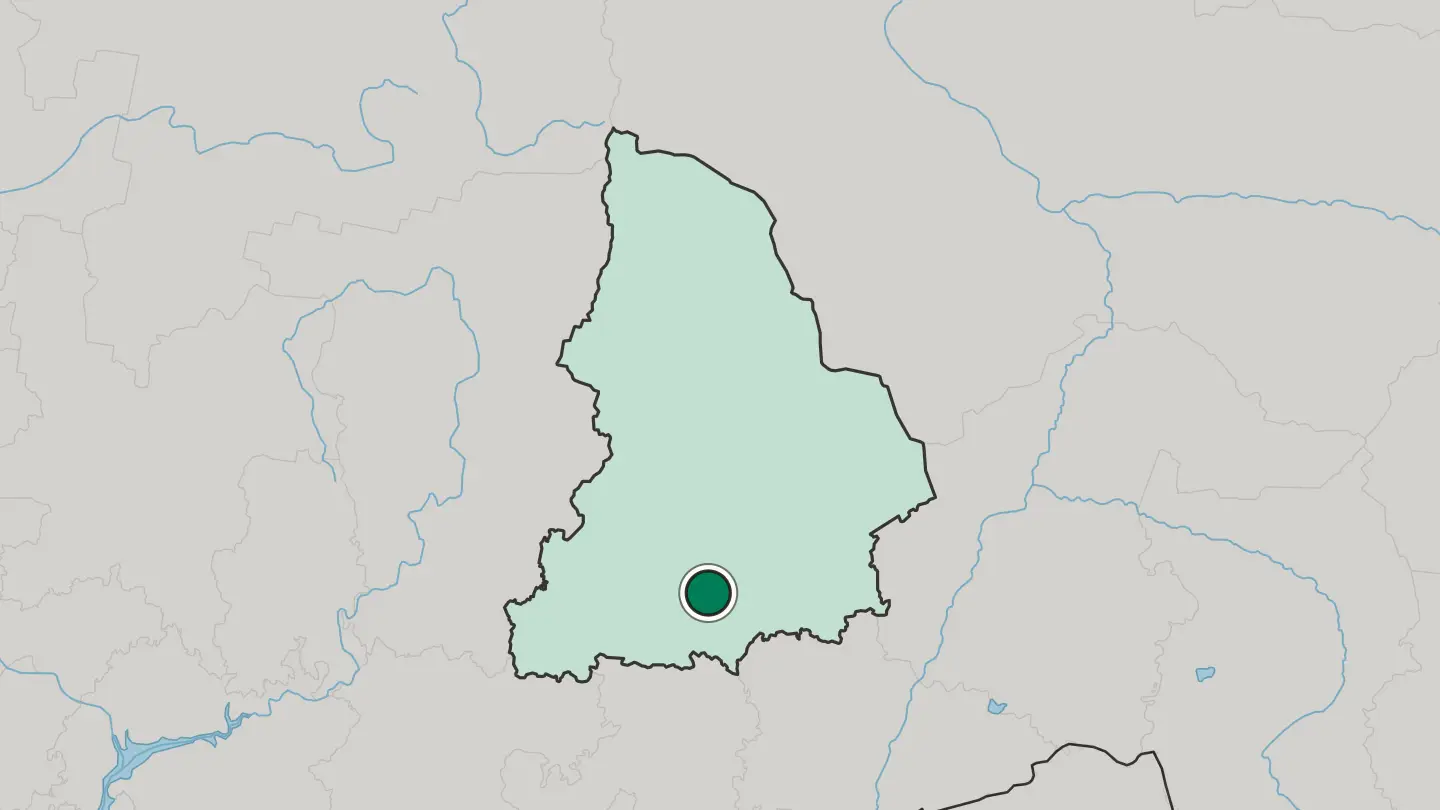 Russia
Polevskoy
Polevskoy dates from 1718 and keeps the Seversky blast furnace, an ironworks town of Sverdlovsk Oblast southwest of Yekaterinburg.Where to stay →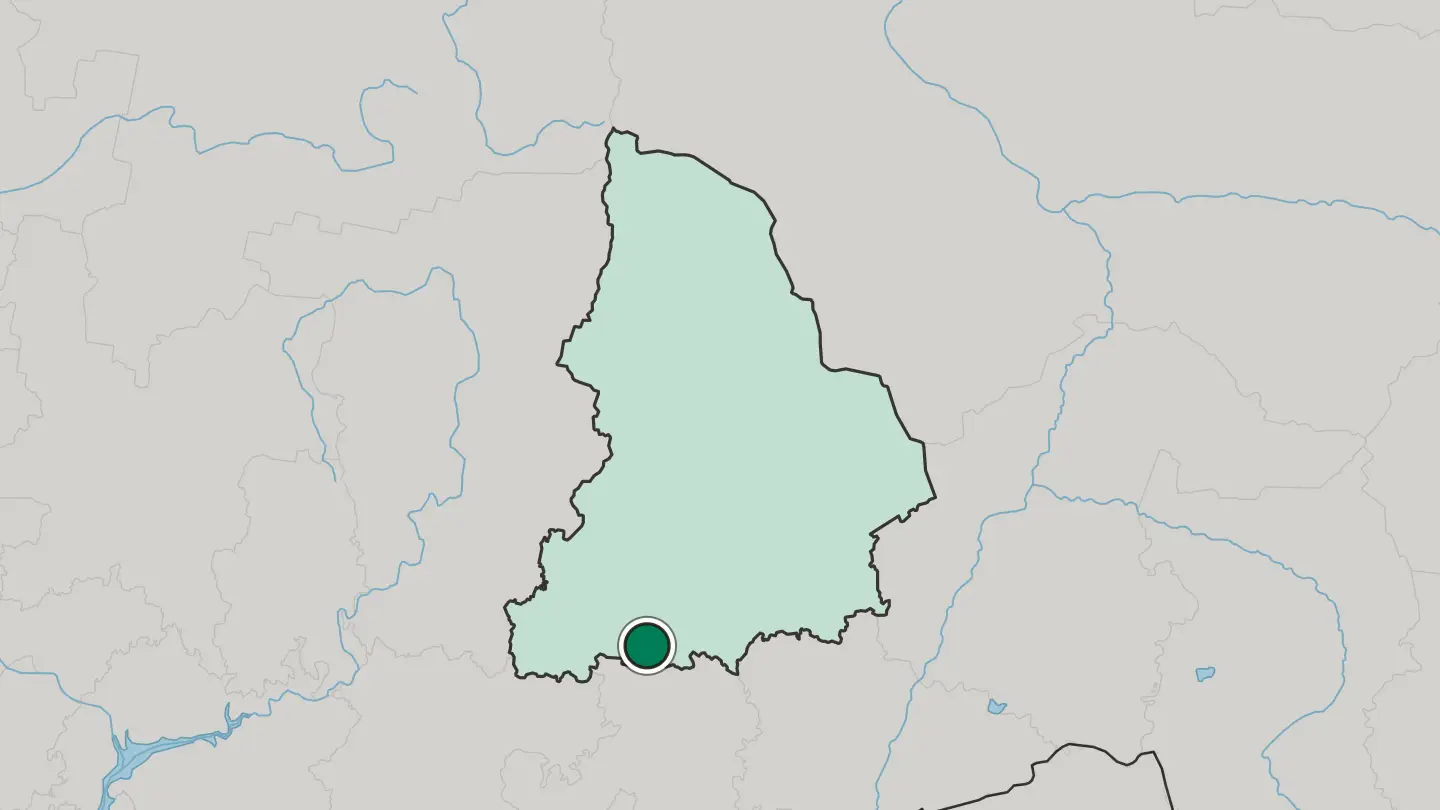
All towns & cities (11)
 Russia
Krasnoturinsk
Krasnoturinsk stands on the Turya River in Sverdlovsk Oblast, a mining settlement of 1758 that grew up under the name Турьинские рудники.Where to stay →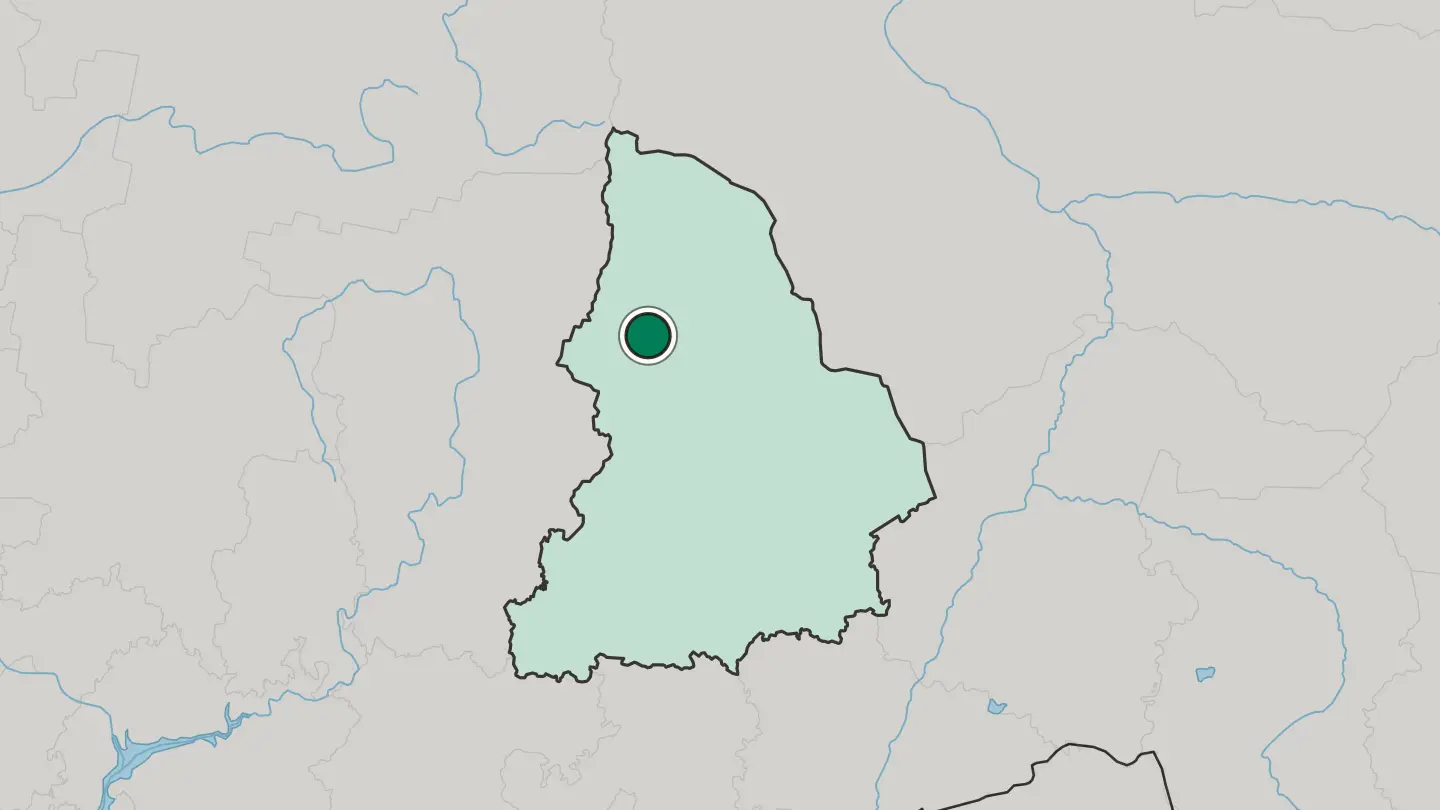
 Russia
Revda
The dam came first. Revda took its 1734 founding from the metalware works at Плотина Ревдинского метизного завода, in Sverdlovsk Oblast.Where to stay →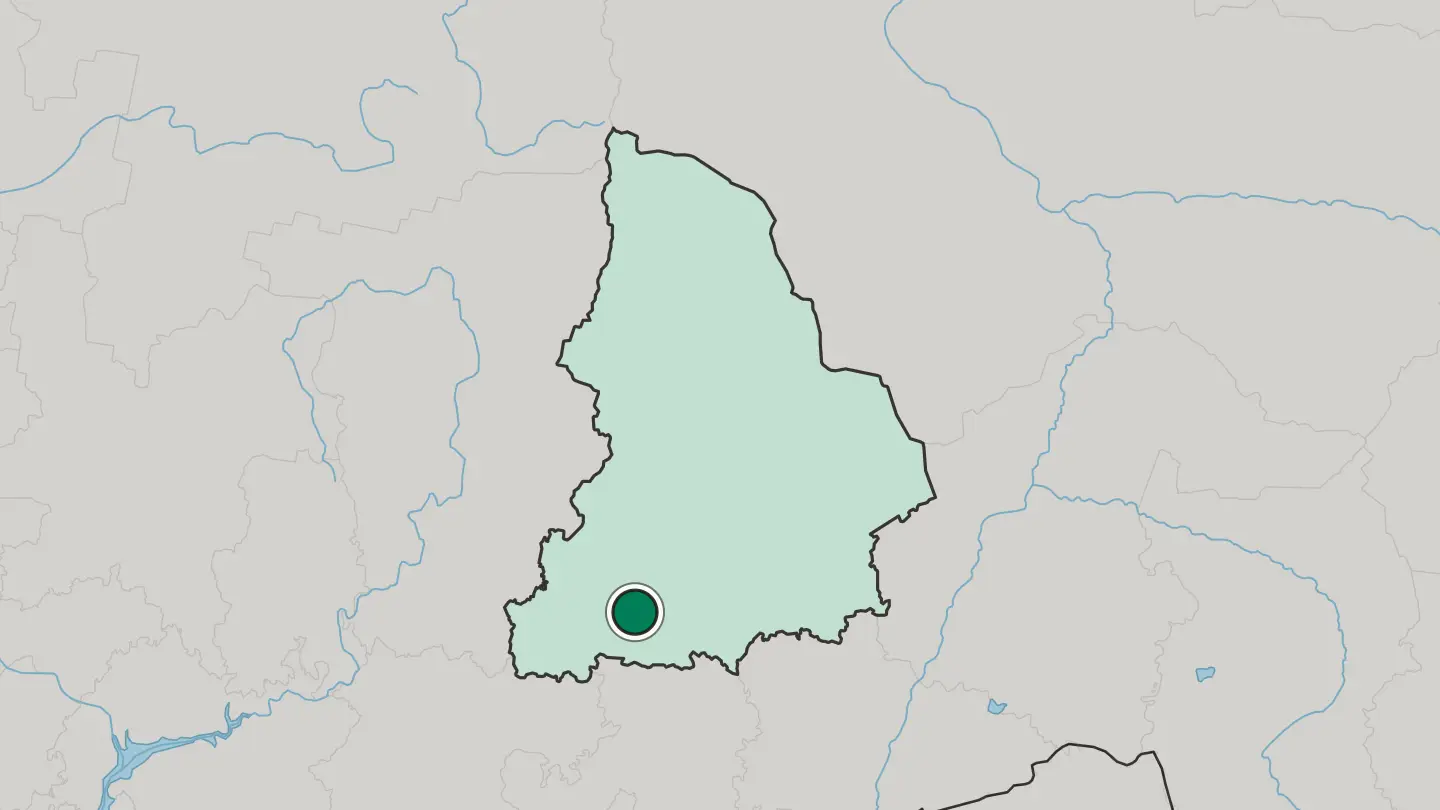
 Russia
Verkhnyaya Pyshma
Verkhnyaya Pyshma lies a kilometre north of Yekaterinburg, a Sverdlovsk Oblast town founded in 1854 and known for its UMMC museums.Where to stay →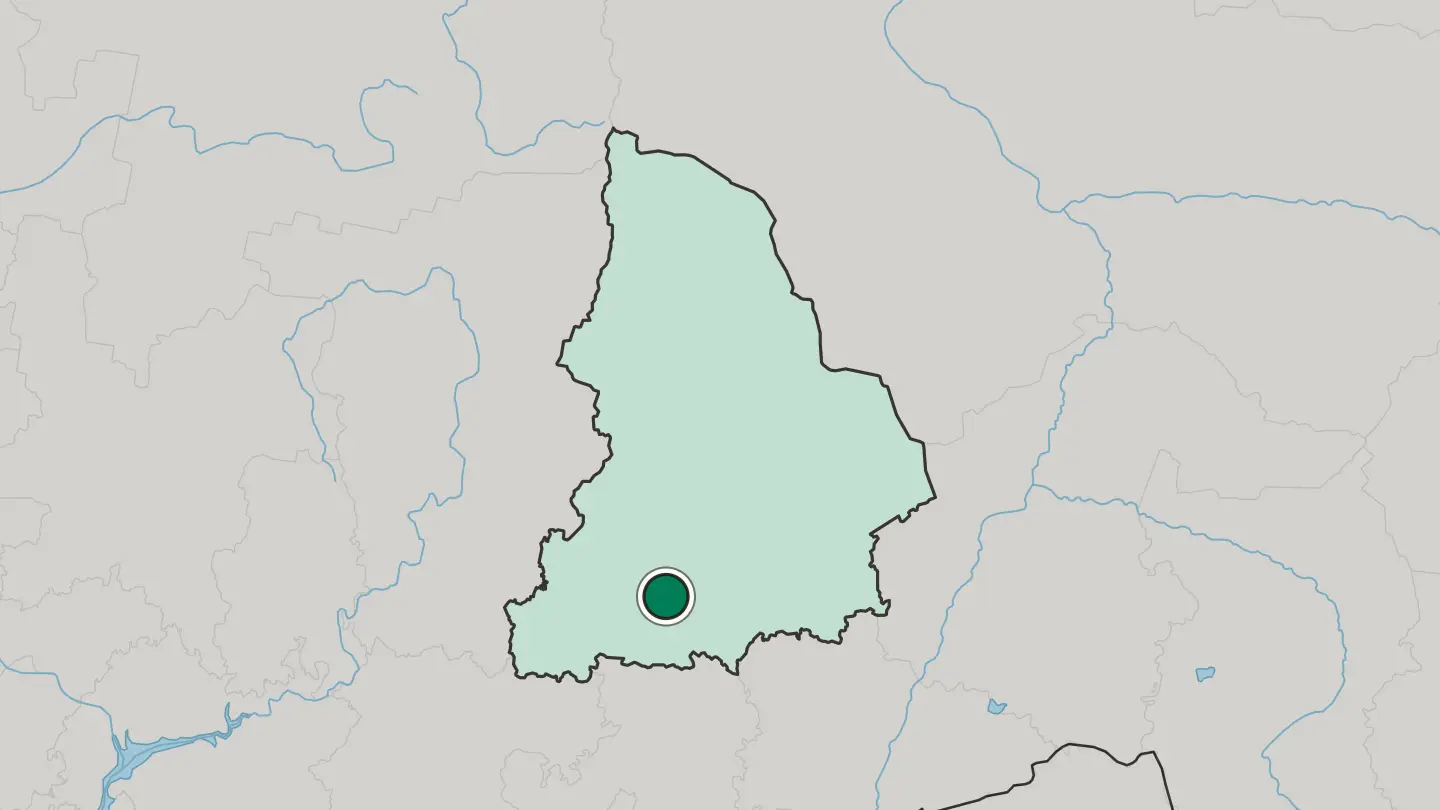
About Sverdlovsk Oblast
What is Sverdlovsk Oblast known for?
Sverdlovsk Oblast is known as the region set in the middle of the Urals, the federal subject built around Yekaterinburg. The mountains define it. Within the Ural Federal District of the Russian Federation, the oblast carries at its centre the city once called Sverdlovsk, the administrative seat that gave the region its name.
Yekaterinburg anchors it all.
Where is Sverdlovsk Oblast?
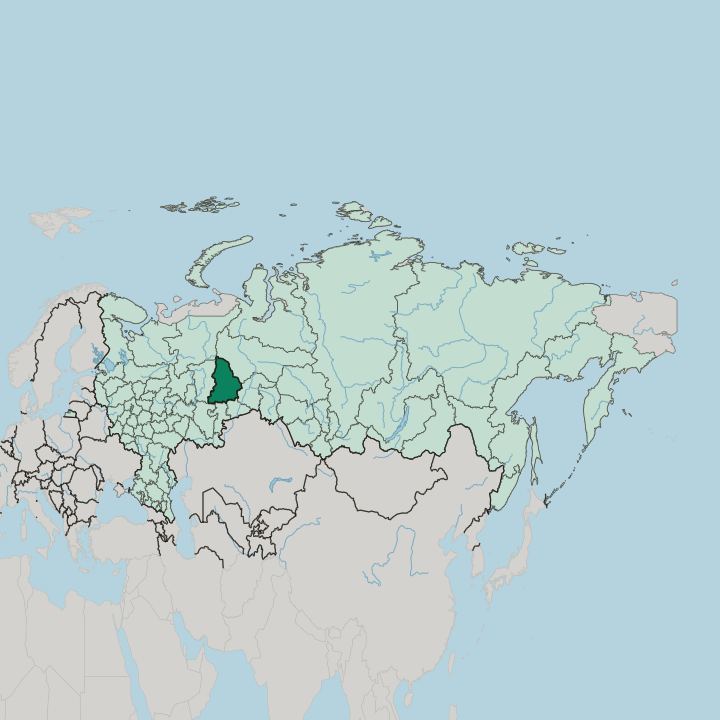
Sverdlovsk Oblast lies in the middle of the Urals, a federal subject set within the Ural Federal District in the interior of the Russian Federation. The range runs right through it. Its territory spreads across the Ural Mountains, an inland region far from any coast, with Yekaterinburg standing near its centre as the administrative seat of the oblast.
Mountains frame the whole region. The oblast takes its name from that same city, once called Sverdlovsk before it took back the name Yekaterinburg. The oblast borders seven other regions around all its edges.
Neighbours ring it on nearly every side. Khantia-Mansia lies to the northeast and Tyumen Oblast to the east, Kurgan Oblast to the southeast and Chelyabinsk Oblast to the south, while Bashkortostan sits to the southwest, Perm Krai to the west, and the Komi Republic to the northwest. So the region sits landlocked among all of them, deep in the interior of the Russian Federation and far from any open sea or coast.
Nothing here reaches salt water. From Yekaterinburg the oblast reaches out toward those borders across the Ural Mountains.
What is Sverdlovsk Oblast like?
Sverdlovsk Oblast draws its cultural life from Yekaterinburg, the great city of the Urals at its centre. The mountains shape the mood. Life across the oblast turns on the city and the range around it, a regional identity built on the Ural Mountains rather than on any coast or distant capital, and Russian is the language spoken throughout the region.
The federal district that contains it even carries the name of the range itself. Mountains set the tone across it. The region carries a divided name, and that split still runs through its cultural memory.
The city changed; the oblast did not. Its administrative seat, once called Sverdlovsk, took back the older name of Yekaterinburg, yet the surrounding region kept the name Sverdlovsk Oblast that it was given in 1934. Two names hold a single place.
Among seven neighbouring regions of the Urals, from Perm Krai and Chelyabinsk Oblast to the Komi Republic, the oblast shares the mountain culture of the range while keeping its identity fixed on its own city and its own name. The range binds them all together.
What is the history of Sverdlovsk Oblast?
Sverdlovsk Oblast was formed in 1934 as a federal subject built around Yekaterinburg in the middle of the Urals. The range framed it. It took the name of the city that was then called Sverdlovsk, and while the city later took back the older name of Yekaterinburg, the oblast has kept the name Sverdlovsk within the Ural Federal District.
The name outlived the city's.
What is the climate of Sverdlovsk Oblast?
Sverdlovsk Oblast has a sharp continental climate set by its place deep inland in the Urals. The mountains hold the cold. Winters run long and hard across the range, summers stay short and warm, and the swing between the seasons is wide in this landlocked region far from any open sea or coast.
How do you get to Sverdlovsk Oblast?
Sverdlovsk Oblast is reached mainly through Yekaterinburg, its administrative centre in the middle of the Urals. Routes meet in the city. Flights land at the airport, and rail and road lines run in across the Russian Federation and the neighbouring regions of the Ural Federal District, since no coast or port serves this inland oblast.
Good for
More regions in Russia
Updated September 2026