Russia · Tatarstan
Where to Stay in Kazan, Tatarstan
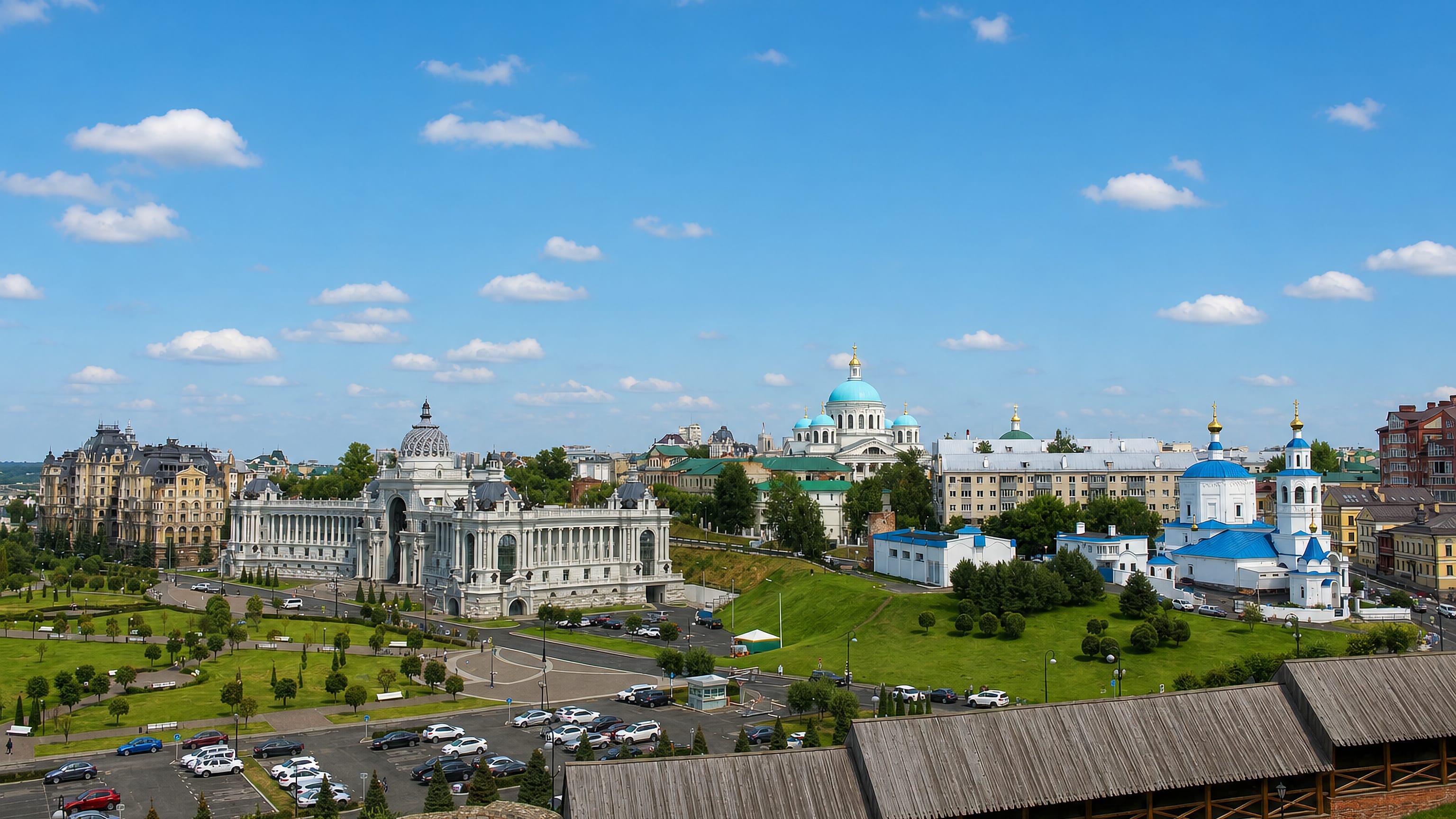
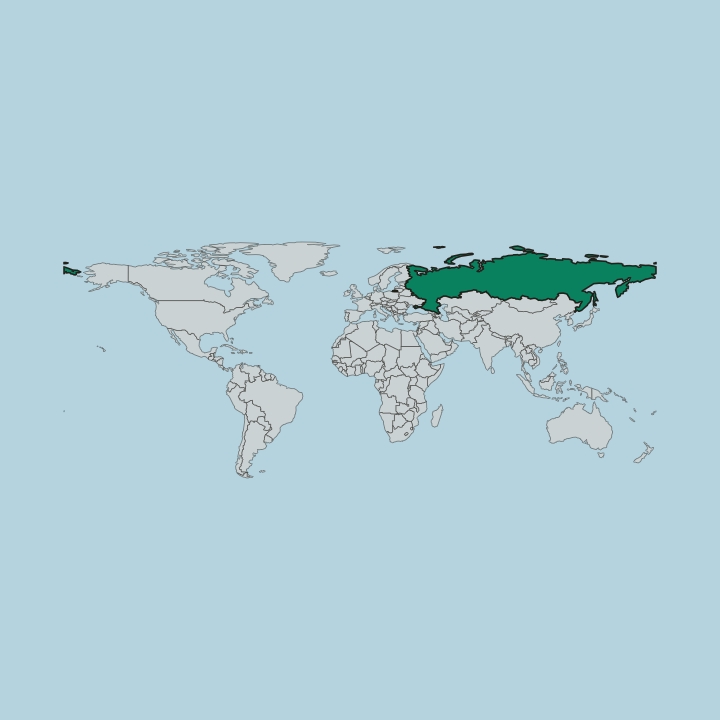
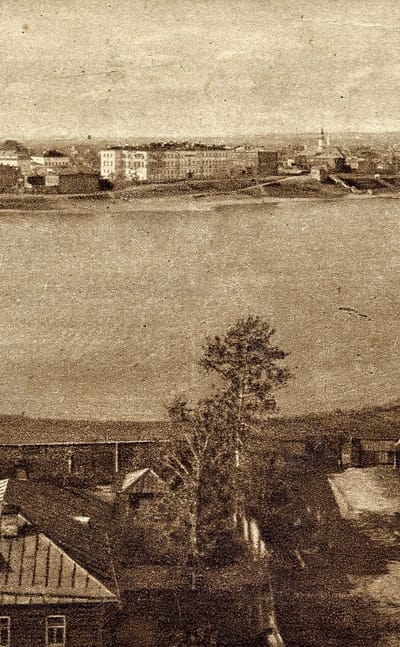
Kazan stands at the confluence of the Volga and the Kazanka, the capital of Tatarstan and a centre of Tatar culture.
Find your area →


Where to stay in Kazan
Each area has its own feel; here's who each one suits.
 KazanRussia
İske Bistä
İske Bistä is the Old Tatar Quarter of Kazan, a mosque-lined district set along the Bolaq canal.İske Bistä →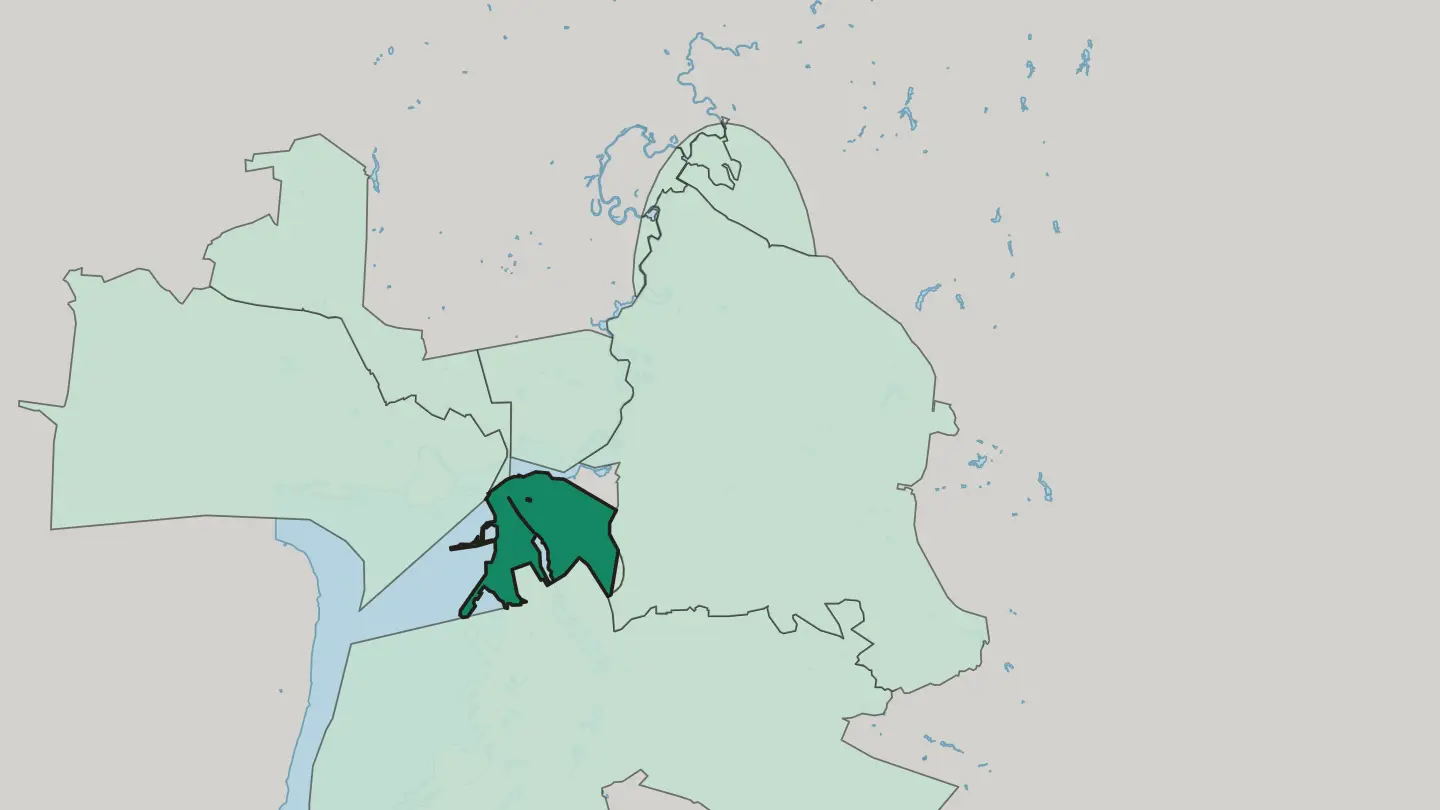
 KazanRussia
Yaña Sawin City District
Yaña Sawin City District is a riverside borough of Kazan, holding the Family Center "Kazan" and the Riviera resort.Yaña Sawin City District →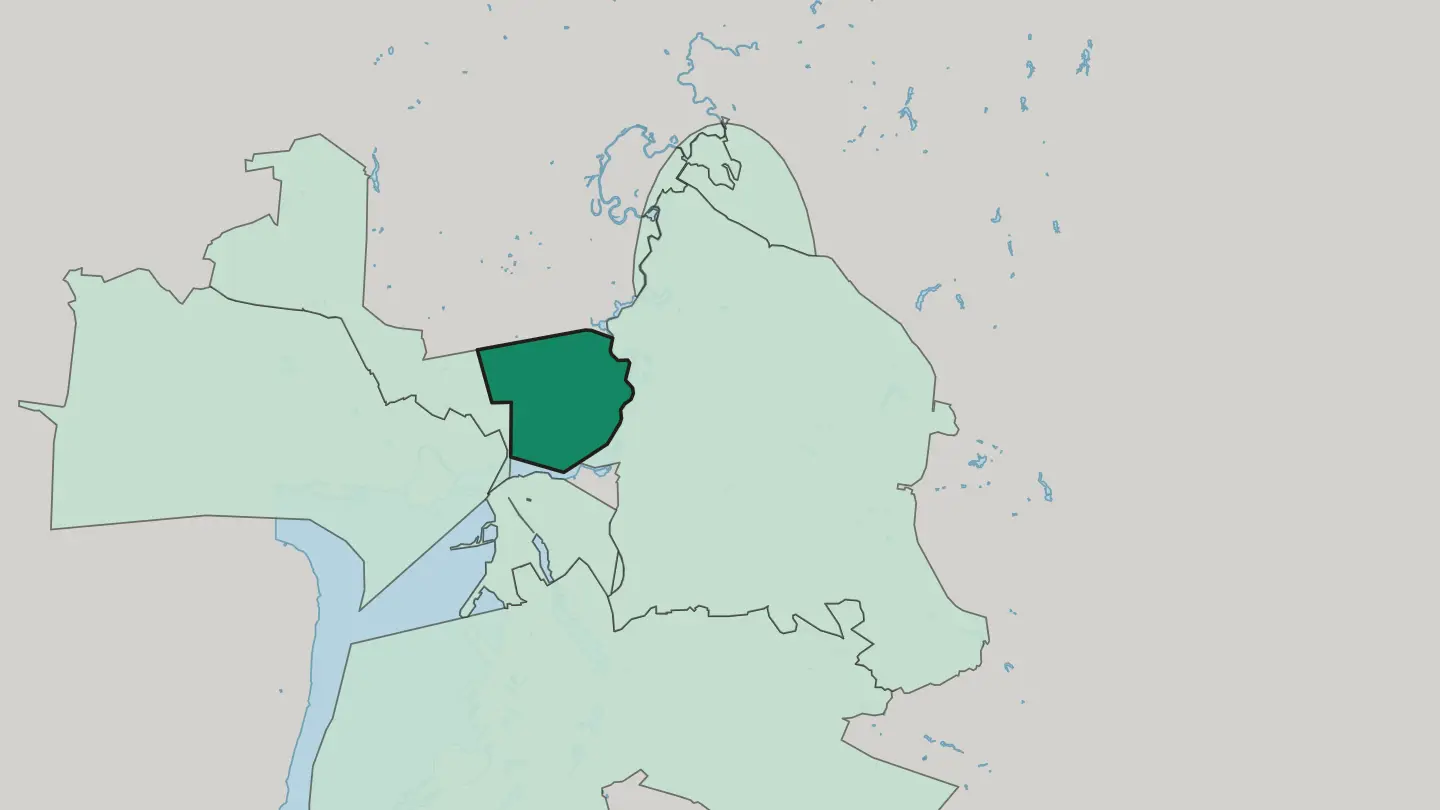
 KazanRussia
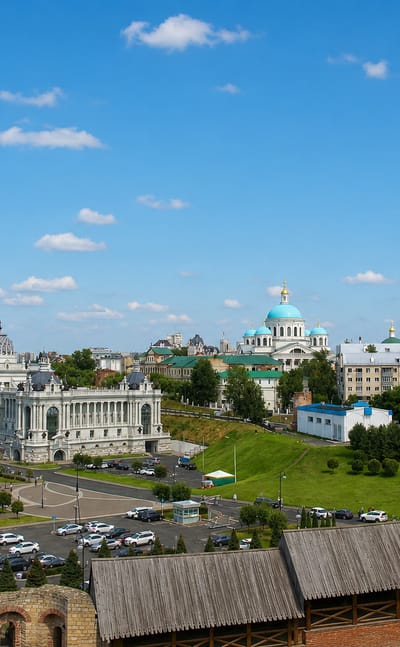
Äzin
Äzin is a residential district on the eastern side of Kazan, the capital of Tatarstan in Russia.Äzin → KazanRussia
Gorki
Gorki is a residential district of Kazan, known for the Kazan Gymnastics Center and the Ascension Monastery.Gorki →
 KazanRussia
Sovetsky City District
Sovetsky City District ranks among Kazan's city districts, reaching across the Tatar capital's eastern side.Sovetsky City District →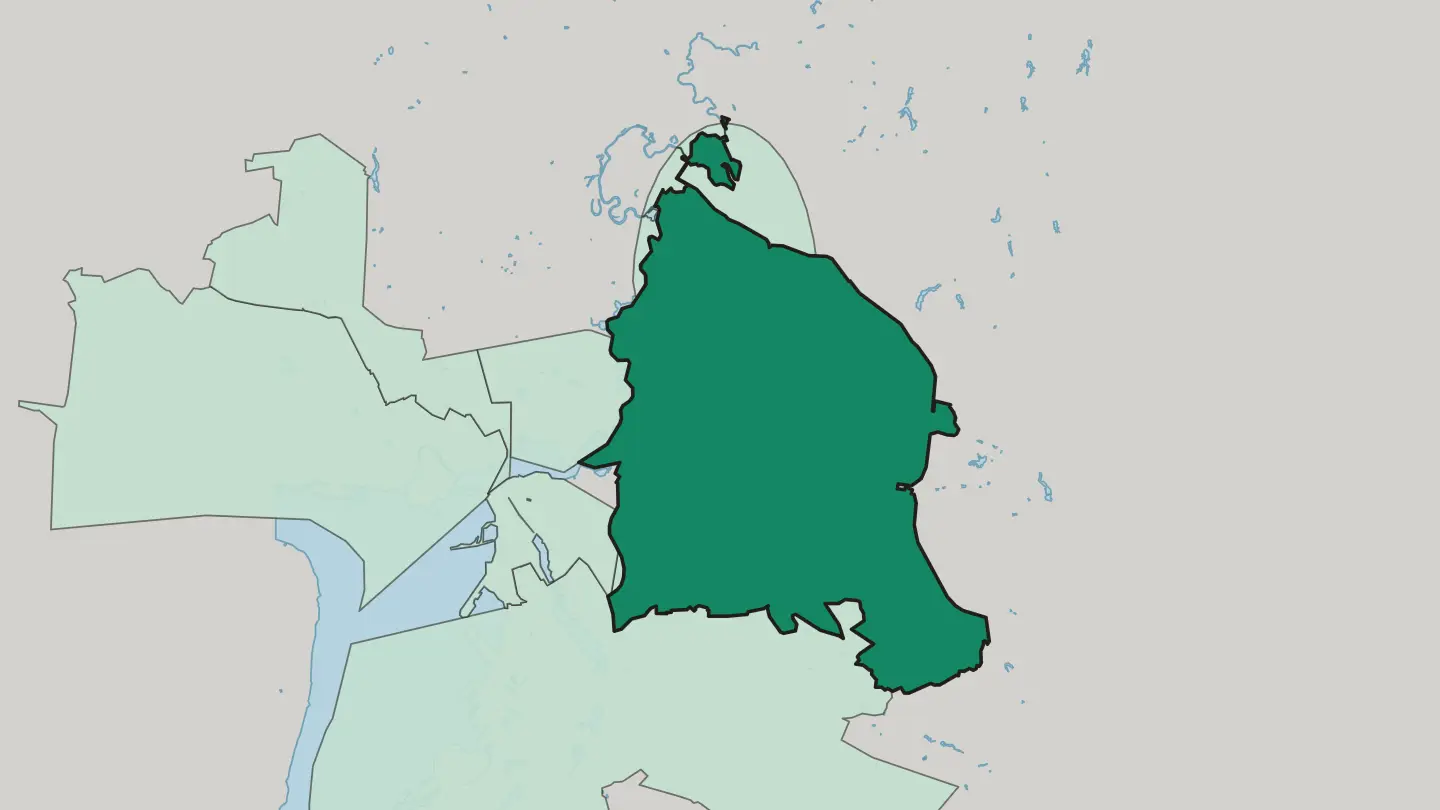 KazanRussia
Mäskäw City District
Mäskäw City District is a borough of Kazan in Tatarstan, Russia, set on the north side of the Kazanka.Mäskäw City District →KazanRussiaPrivolzhsky District
Privolzhsky District (Приволжский район) is a borough of Kazan, Russia, named for its reach toward the Volga.Privolzhsky District → KazanRussia
Kirovsky City District
Kirovsky City District is a borough of Kazan in Russia, the part of the city that holds the Temple of All Religions.Kirovsky City District →KazanRussia
Därwişlär
Därwişlär is a residential borough of Kazan, Russia, built around the Palace of Culture named after Sahib-Garey Said-Galiev.Därwişlär →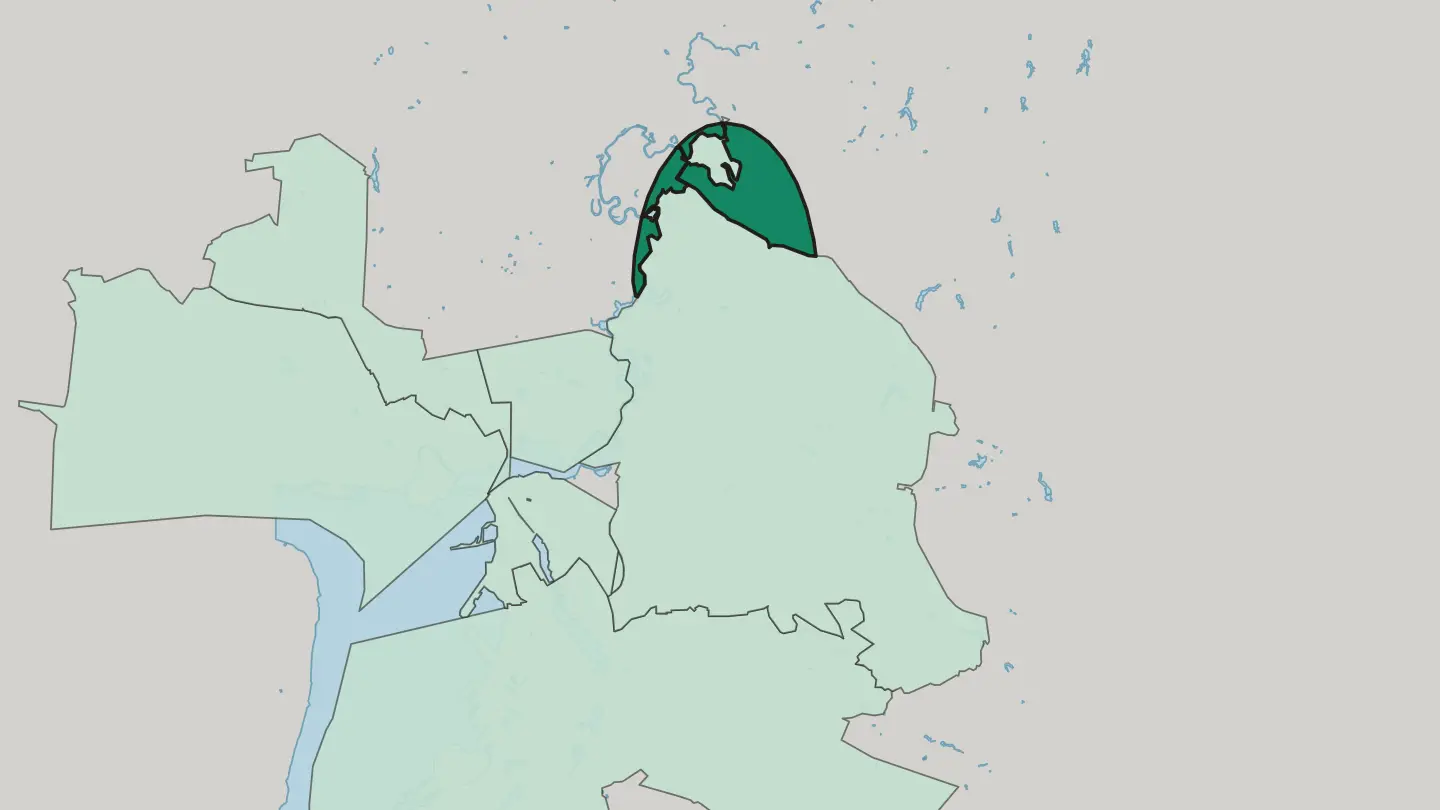
 KazanRussia
Universiade Village
Universiade Village is a residential microdistrict in Kazan's Privolzhsky District, Russia, built to house the athletes of the 2013 Summer Universiade.Universiade Village →Things to do in Kazan
Ranked by global recognition; descriptions from Wikidata (CC0).
Museums & Galleries
1- National Museum of the Republic of Tatarstan
Churches & Religious Sites
8- catedral de la anunciacion de kazan Heritage
- Saints Peter and Paul Cathedral Heritage
- Märcani Mosque Heritage
- Äcem Mosque Heritage
- Nurulla Mosque Heritage
Show 3 more →
- Apanayıf Mosque Heritage
- The Thousandth Anniversary of Islam Mosque Heritage
- İske Taş Mosque Heritage
Castles & Historic Sites
3- Musa Cälil monument, Qazan Heritage
- Gabdulla Tukay monument (Kazan, Tukay yard) Heritage
- Культурный слой Кизической слободы города Казани XVII - XVIII веков Heritage
Nature & Outdoors
1- Bolaq Heritage
Stadiums & Sports
2- Aquatics Palace in Kazan
- Ak Bars Martial Arts Palace
Landmarks & Notable Places
8- Qazan Kremlin UNESCO
- Astronomical Observatory of the University of Kazan UNESCO
- Söyembikä Tower Heritage
- Kazan Opera and Ballet Theatre Heritage
- Kazan Zoo & Botanical Garden Heritage
Show 3 more →
- Alexandrovsky Passage, Kazan Heritage
- Kekin House Heritage
- Palace of Culture named after Sahib-Garey Said-Galiev Heritage
worth knowingacross 6 categories in Kazan
About Kazan
What is Kazan known for?
Kazan is known as the capital of Tatarstan and a centre of Tatar culture, set at the confluence of the Volga and the Kazanka. Two rivers join here. The Qazan Kremlin rises above the water with the Söyembikä Tower at its heart, and the city holds mosques, cathedrals, and theatres drawn from both Tatar and Russian traditions.
Kazan is the fifth-largest city of the Russian Federation.
What are the main landmarks in Kazan?
Kazan gathers its landmarks around the Qazan Kremlin above the Volga. An old citadel crowns the city. The Söyembikä Tower rises within the Kremlin walls, while the Märcani Mosque and the Nurulla Mosque stand in the old Tatar streets and the Kazan Opera and Ballet Theatre and the National Museum of the Republic of Tatarstan rise in the centre.
The rivers run below.
What is the history of Kazan?
Kazan was founded in 1005 on the high bank above the confluence of the Volga and the Kazanka. The rivers made the site. One of the oldest cities on the Volga, Kazan grew at the meeting of the two rivers over a thousand years, its old citadel raised on the height that became the Qazan Kremlin.
For a thousand years the city has held the high ground over the Volga and the Kazanka. The city rose above the water. Kazan grew into the great city of the Tatars and the capital of Tatarstan.
The culture gathered here over centuries. It became the centre of Tatar culture, a city of mosques, cathedrals, and theatres standing side by side above the Volga, and one of the largest cities of the Russian Federation. Tatar and Russian life run together through its streets, from the Märcani Mosque to the cathedrals.
The Qazan Kremlin still crowns it above the water. Kazan stands as the fifth-largest city of the country and the capital of Tatarstan within the Volga Federal District. A full thousand years lie behind it.
Where is Kazan?
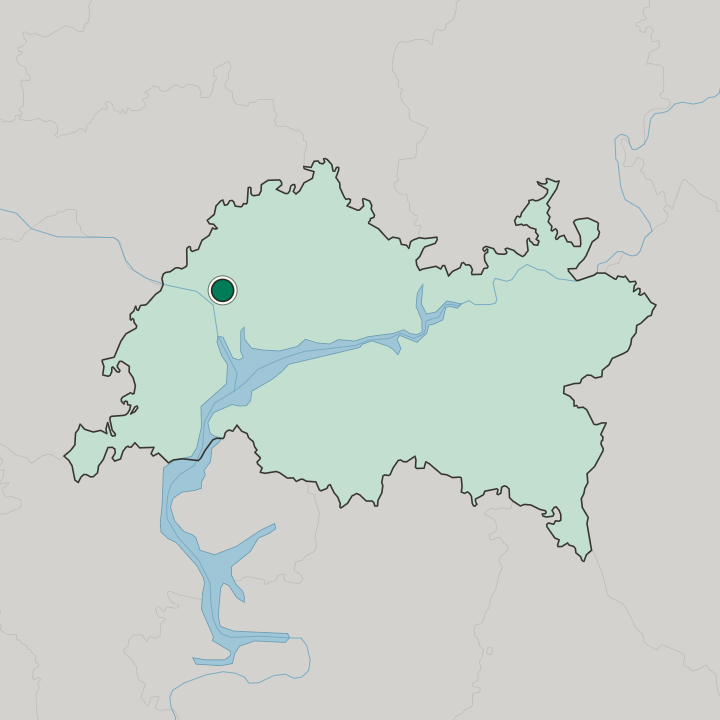
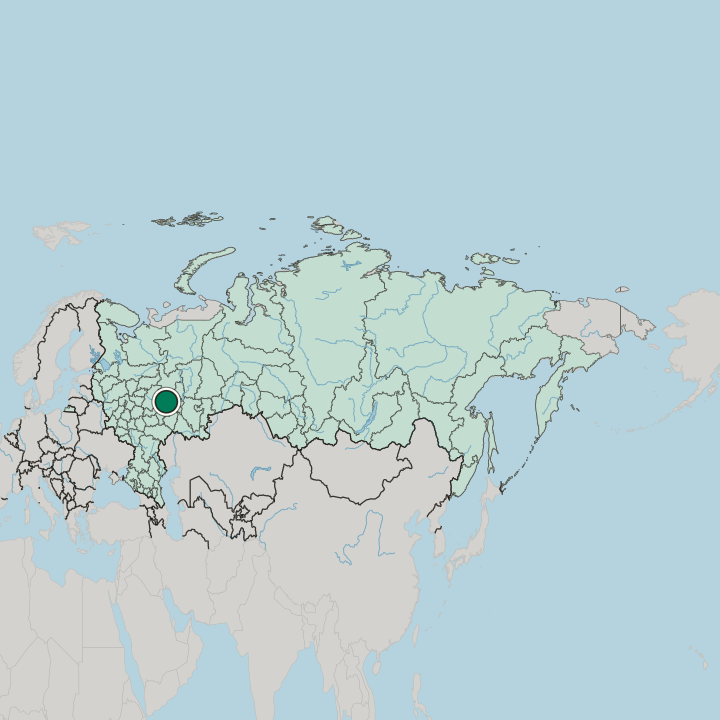
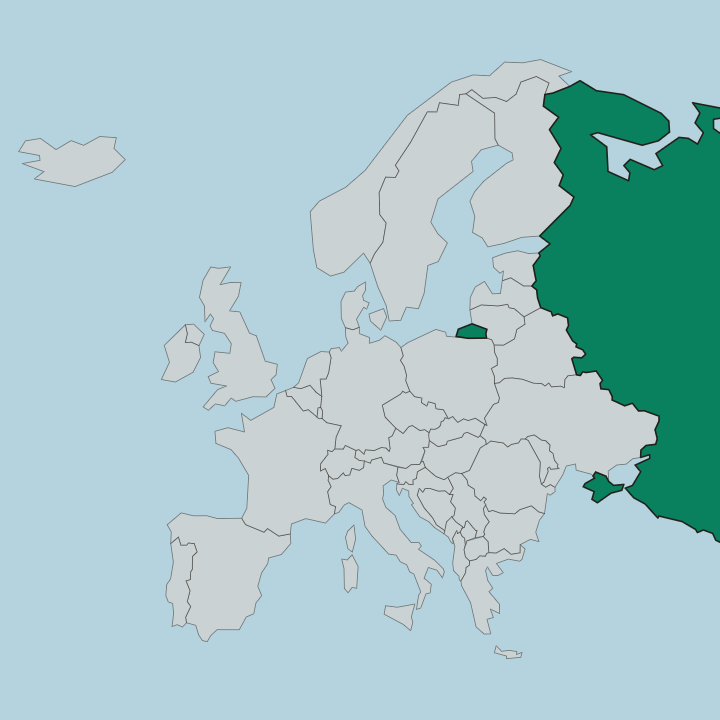
Kazan lies at the confluence of the Volga and the Kazanka in Tatarstan, spread over the high bank above the two rivers. The rivers join below the city. Kazan sits on the Volga in the Volga Federal District, the largest city of the river and the capital of the republic of Tatarstan in the Russian Federation.
What is the climate of Kazan?
Kazan has a continental climate set by its place on the Volga far inland in Tatarstan. The river freezes in winter. Winters are long and cold along the Kazanka, summers turn warm and short, and the seasons swing wide over the two rivers in this inland city far from any sea.
How do you get to Kazan?
Kazan is reached by air, by rail, and by river along the Volga and the Kazanka. Routes converge on the rivers. Flights land at the city's airport, trains run in across the Russian Federation, and road and river routes follow the Volga through Tatarstan and the wider Volga Federal District.
Good for
More cities in Tatarstan
Updated October 2026