Russia · Tomsk Oblast
Where to Stay in Tomsk, Tomsk Oblast
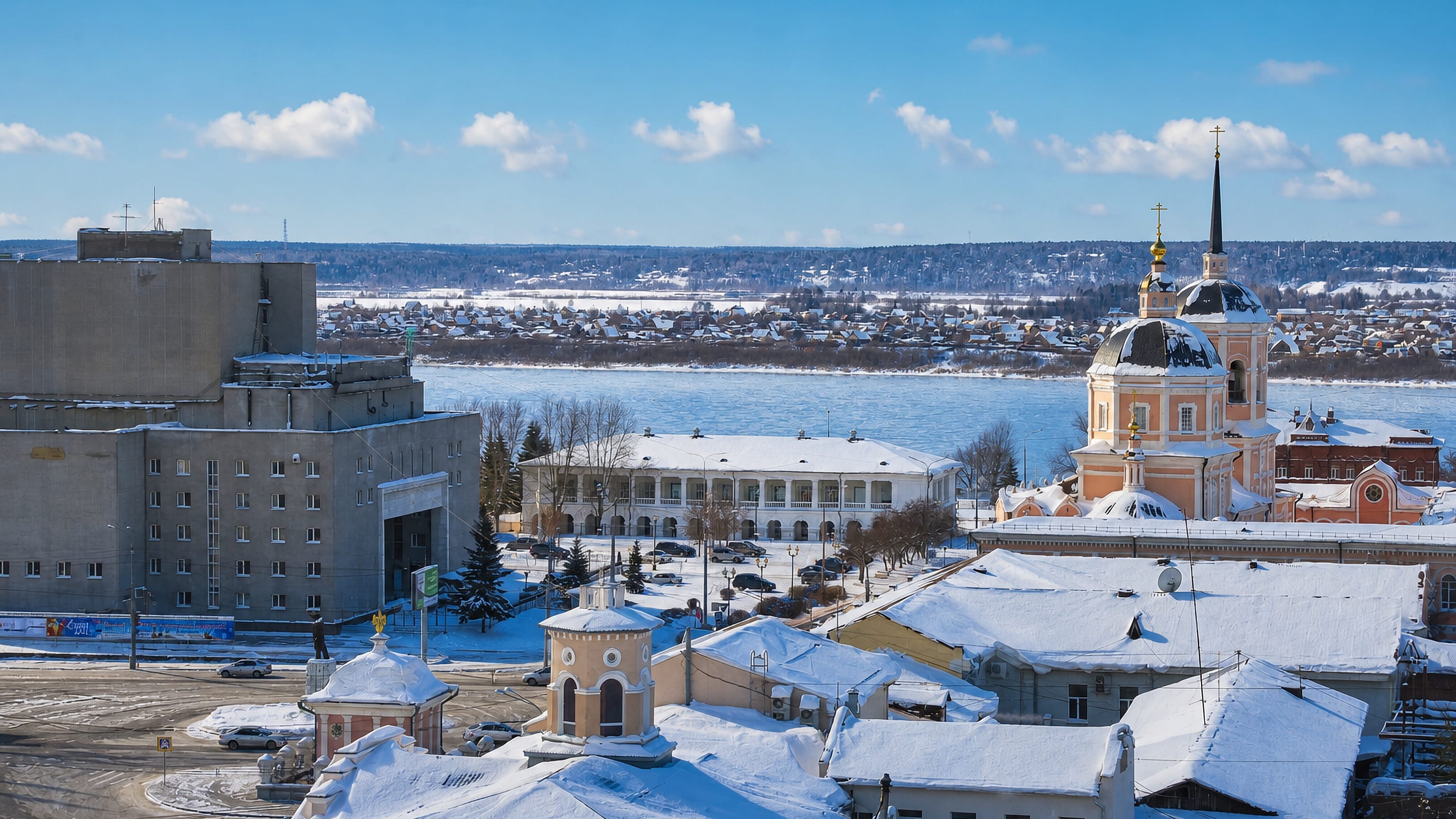
Carved wooden houses line the hills of Tomsk, an old university city in Tomsk Oblast known for its timber lace and the Cathedral of the Epiphany.
Find your area →


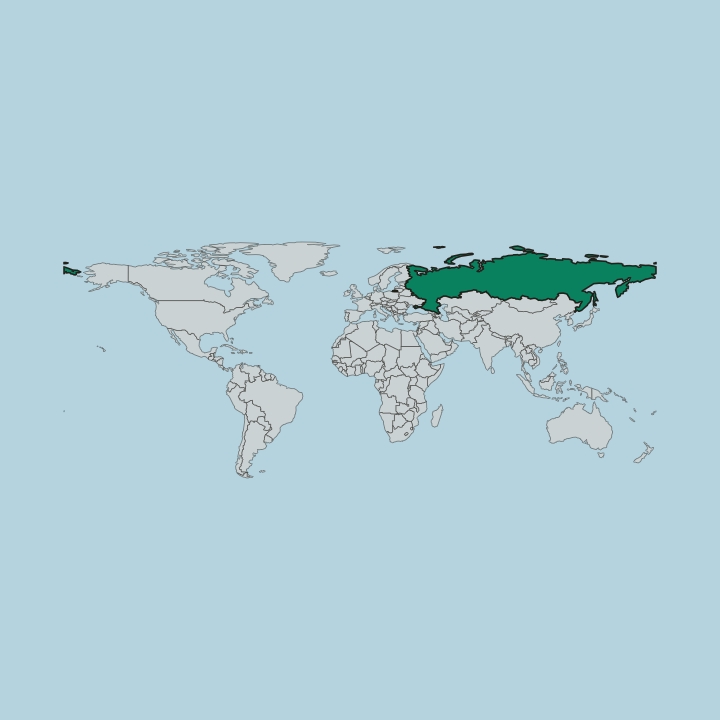
Where to stay in Tomsk
One neighbourhood here has its own guide — here's what it is best for.
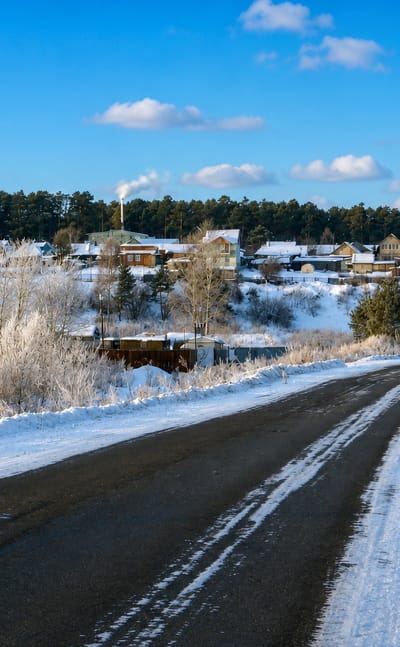
 TomskRussia
Timiryazevskoye
Timiryazevskoye is a district of Tomsk dated to 1930, better known for the burial mounds under it than for anything built above.Where to stay →Things to do in Tomsk
Ranked by global recognition; descriptions from Wikidata (CC0).
Museums & Galleries
3- Tomsk Oblast Local Museum Heritage
- Tomsk Oblast Art Museum Heritage
- Bakunina Street 3, Tomsk Heritage
Churches & Religious Sites
5- Cathedral of the Epiphany (Tomsk) Heritage
- Church of the Intercession of the Virgin Mary, Tomsk Heritage
- Church of the Theotokos of the Sign in Tomsk Heritage
- Convent of St. John the Baptist in Tomsk Heritage
- Old Believer Church, Tomsk Heritage
Castles & Historic Sites
3- Tomsk Ostrog Heritage
- Тимирязевская курганная группа (Тимирязевский курганный могильник I) Heritage
- Тимирязевский археологический комплекс Heritage
worth knowingacross 3 categories in Tomsk
About Tomsk
What is Tomsk known for?
Tomsk is known for two things, its wooden architecture and its universities. Whole streets in Tomsk Oblast keep their fretted timber houses, the carved window frames and turrets that give the old town its lace. Learning runs just as deep.
Since the first Siberian university opened here, the city has drawn students from across the east, and its museums, from the Tomsk Oblast Art Museum to the Tomsk planetarium, grew up around them. Above the centre stands the Cathedral of the Epiphany.
What are the main landmarks in Tomsk?
Churches and museums mark the skyline. The Cathedral of the Epiphany rises over the centre, while the Church of the Intercession of the Virgin Mary, the Convent of St. John the Baptist, and the old Lutheran church spread the faiths of the trading town across the hills. Beyond the churches, museums make up the rest of the city's sights.
The Tomsk Oblast Art Museum and the Tomsk Oblast Local Museum hold the region's collections, the Tomsk planetarium turns its dome above them, and the Sculpture of Anton Chekhov keeps its wry place by the river.
What is the history of Tomsk?
Tomsk was founded in 1604 as a stockade fort on the wooded hills above the river. The Tomsk Ostrog guarded the frontier of the growing Russian east, and a trading town gathered below its walls in Tomsk Oblast. Trade made the town wealthy.
For two centuries it sat on the great road east, and merchants raised the ornate wooden houses whose carved frames still line the old streets, alongside churches such as the Cathedral of the Epiphany and the Church of the Intercession of the Virgin Mary. Then the railway turned away. The Trans-Siberian main line ran south of the city, and the boom slowed, leaving the timber town oddly preserved.
Learning gave Tomsk a second life. The first university in Siberia opened here, drawing students and their museums, from the Tomsk Oblast Art Museum to the planetarium. The city also carries a harder memory, kept at the Tomsk memorial museum of the history of political repression.
That long, layered past sits behind the fretwork of every old facade.
Where is Tomsk?
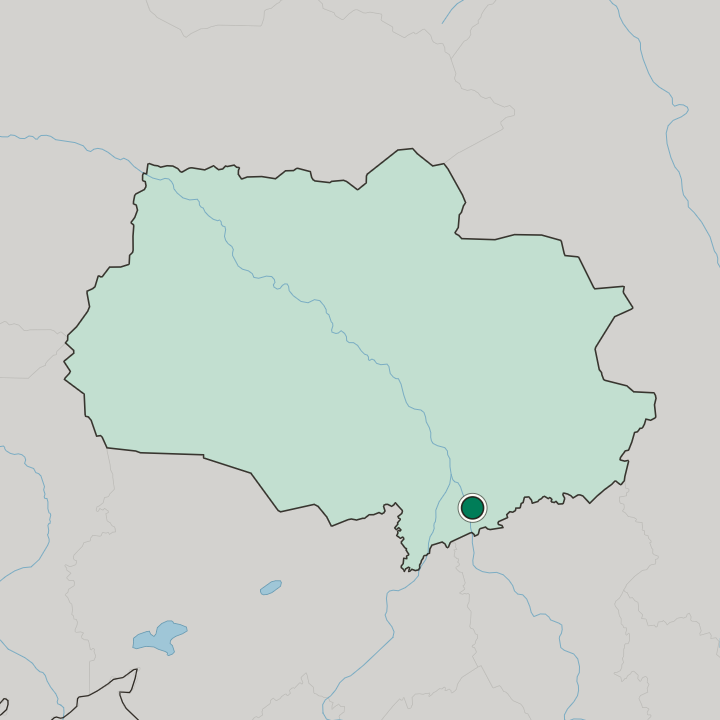
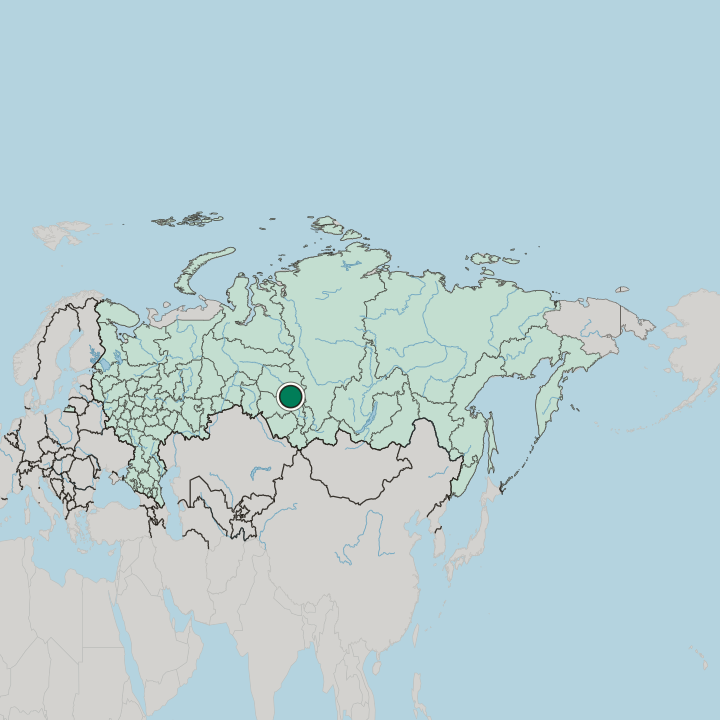
Tomsk sits on a set of wooded hills in Tomsk Oblast, on the right bank above a broad river in western Siberia. The old town climbs the bluffs, its timber streets rising and falling with the slopes, while the newer districts spread out onto the flatter ground toward the water. Around the city the taiga forest and the marshy lowland of the West Siberian plain stretch away for hundreds of miles.
This is far northern country. The great rivers here run slowly north toward the Arctic across an almost level land.
What is the climate of Tomsk?
Tomsk has a sharply continental climate, the hard weather of western Siberia. Winter rules here. The cold holds Tomsk through a long, hard winter.
Deep snow lies over the wooden streets and the taiga for months while fierce frost grips the hills and the frozen river below. Summers turn short and warm, green and thundery, with clouds of mosquitoes off the marshy lowland. The seasons swing widely apart, from bitter cold to summer heat, in one of the sharpest annual ranges in the country.
How do you get to Tomsk?
Tomsk lies off the Trans-Siberian main line. A branch leaves it to the south, and trains reach the city on that spur, while the highway follows a similar route across Tomsk Oblast toward the larger centres of the region. Air travel into Tomsk runs through the city's own airport.
The river was the original road into this country, and buses now link the neighbouring towns scattered through the surrounding taiga.
Good for
Another city in Tomsk Oblast
Updated October 2026