Russia · Ulyanovsk Oblast
Where to Stay in Ulyanovsk, Ulyanovsk Oblast
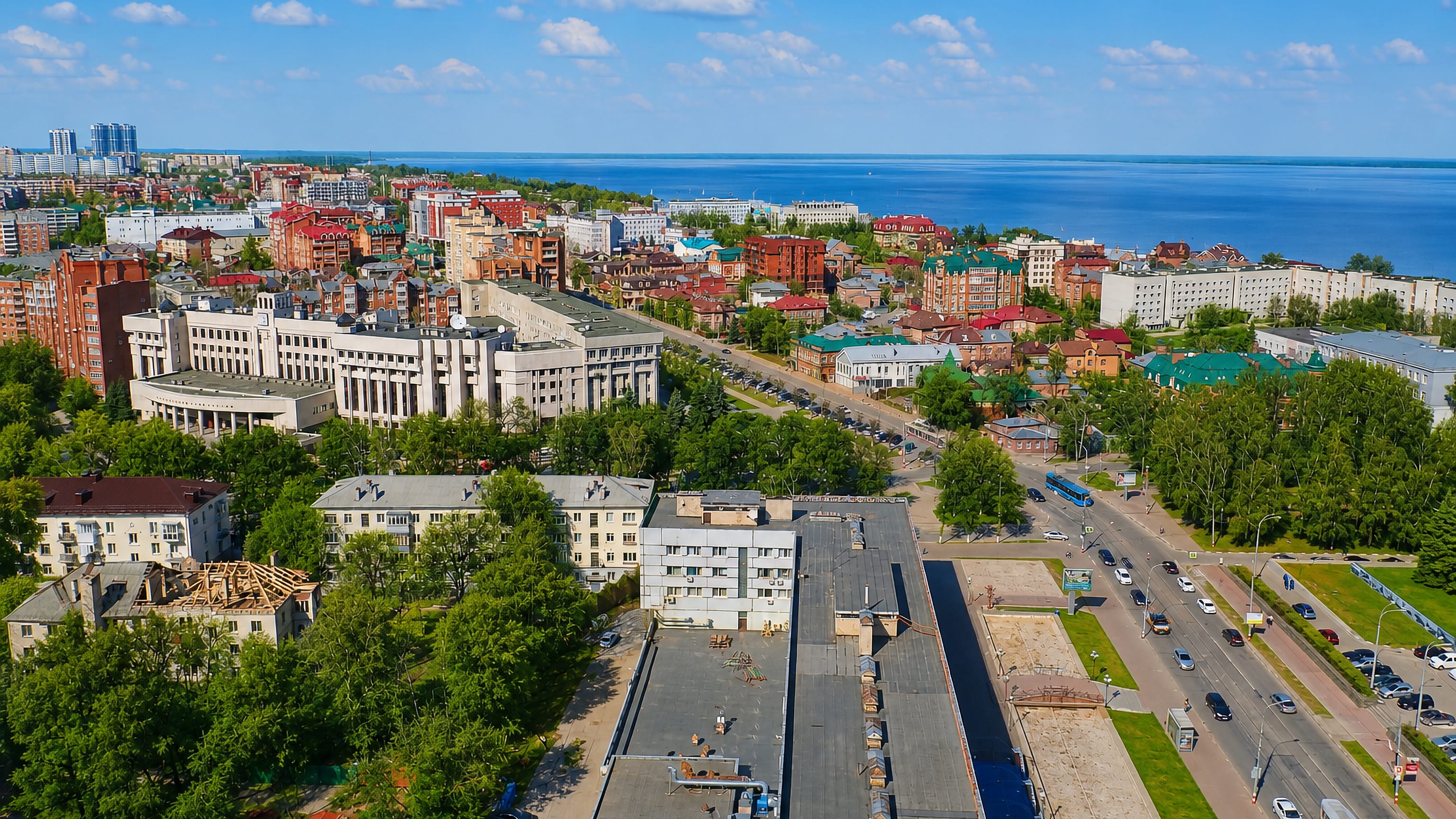
The Volga River runs wide below Ulyanovsk, a hill city once called Simbirsk, known for Goncharov House and the Ascension Cathedral.
Find your area →


Where to stay in Ulyanovsk
Where visitors usually base themselves, and why.
Most visitors stay in the historic centre of Ulyanovsk, on the high crest of the Volga River known as Venets. The centre suits walkers, ranging hotels and rooms near the Ascension Cathedral, the Goncharov House, and the museums that line the old streets of Simbirsk above the water. Views open over the river.
Rooms fill through the warm months and around festivals in the literary city, so an early booking helps when the summer light draws travellers along the Volga bank. Beyond the crest the city spreads across the plateau and down toward the two long bridges over the reservoir. Guesthouses and larger hotels stand near the railway and the main avenues, giving arrivals by train or road a base within easy reach of the centre.
The river is never far. Some travellers who come for business or the literary trail base near the station and climb to the Venets crest for the Ascension Cathedral and the wide view over the Volga.
Things to do in Ulyanovsk
Ranked by global recognition; descriptions from Wikidata (CC0).
Museums & Galleries
3- Lenin Memorial Museum in Ulyanovsk Heritage
- Goncharov House, Ulyanovsk Heritage
- Ulyanovsk Oblast Art Museum
Churches & Religious Sites
4- Resurrection (St German) church, Ulyanovsk Heritage
- Church of the Resurrection of Christ, Ulyanovsk Heritage
- Church of the Burning Bush Image, Ulyanovsk Heritage
- Spassky Monastery, Ulyanovsk Heritage
Castles & Historic Sites
8- Monument to Nikolai Karamzin in Ulyanovsk Heritage
- Обелиск «30 лет Победы» Heritage
- Monument to Karl Marx in Ulyanovsk Heritage
- памятник В. И. Ленину Heritage
- Bust of Ivan Goncharov, Ulyanovsk Heritage
Show 3 more →
- Iliya Uliyanov bust (12th September Street) Heritage
- Iliya Uliyanov bust (Novy Venets) Heritage
- Statue of Ivan Goncharov, Ulyanovsk Heritage
Landmarks & Notable Places
5- Simbirsk Chuvash teacher's school Heritage
- Ulyanovsk State Agricultural Academy Heritage
- Ulyanovsk Regional Puppet Theatre Heritage
- Старый вокзал (Ульяновск) Heritage
- Zharkova House in Ulyanovsk Heritage
worth knowingacross 4 categories in Ulyanovsk
About Ulyanovsk
What is Ulyanovsk known for?
Ulyanovsk is known as a literary city on the high bank of the Volga River, a UNESCO City of Literature designated in 2015. Books shaped its name. The novelist Ivan Goncharov was born here in old Simbirsk, and the Goncharov House, the monument to the historian Nikolai Karamzin, and the halls of the Ulyanovsk Oblast Art Museum carry that heritage, while the Lenin Memorial Museum recalls the leader born in the same town before it took his family name.
What are the main landmarks in Ulyanovsk?
Ulyanovsk keeps its landmarks along the Venets crest above the Volga River. Writers are honoured here. The Goncharov House and the monument to Nikolai Karamzin mark the literary town, the Ascension Cathedral and the Spassky Monastery raise their domes over the old streets, and the Lenin Memorial Museum and the Ulyanovsk Oblast Art Museum gather the crowds who climb to the high bank of this city that was long called Simbirsk.
What is the history of Ulyanovsk?
Ulyanovsk was founded in 1648 as the fortress of Simbirsk on the high right bank of the Volga River. The stockade guarded the eastern frontier of the Muscovite state against raids from the steppe, a garrison town set on the crest above the great river through its early generations. Trade followed the garrison.
Merchants and gentry built the churches and mansions of Simbirsk, and the writer Ivan Goncharov and the historian Nikolai Karamzin came from this river town. In 1924 the city was renamed Ulyanovsk after Vladimir Lenin, who was born here while it was still called Simbirsk. The old wooden centre was much rebuilt through the twentieth century, and the Lenin Memorial Museum rose on the crest above the Volga.
Two long bridges now cross the reservoir. The Ascension Cathedral, the Spassky Monastery, and the preserved writers' houses still tie the modern administrative centre of Ulyanovsk Oblast to the fortress and literary town of old Simbirsk.
Where is Ulyanovsk?
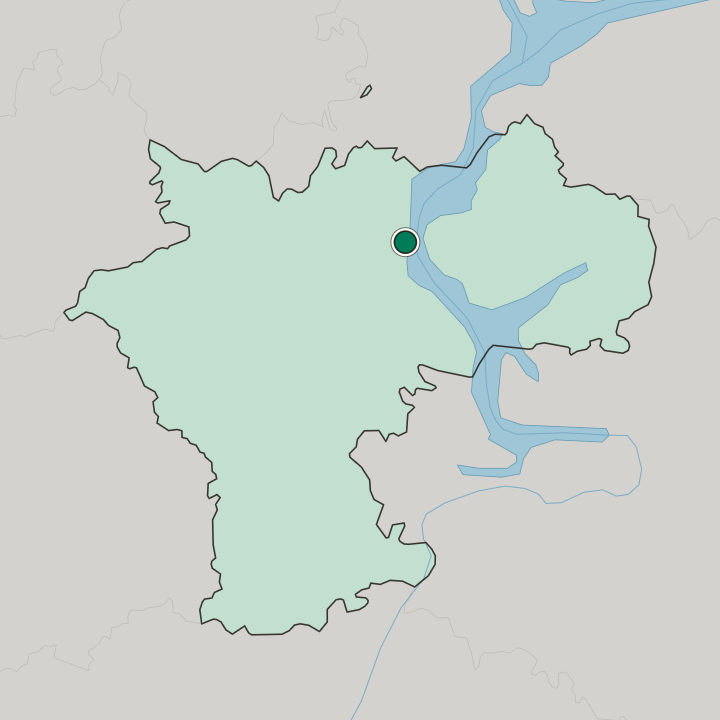
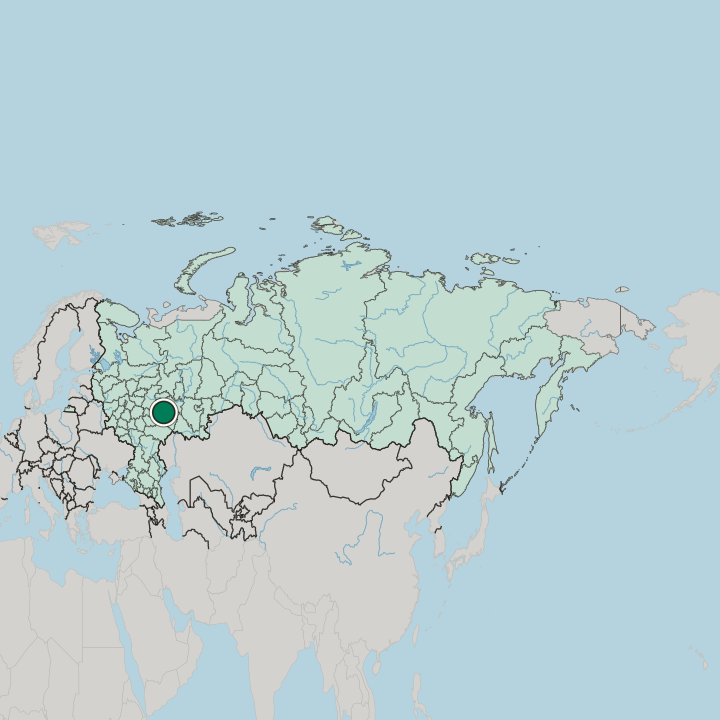
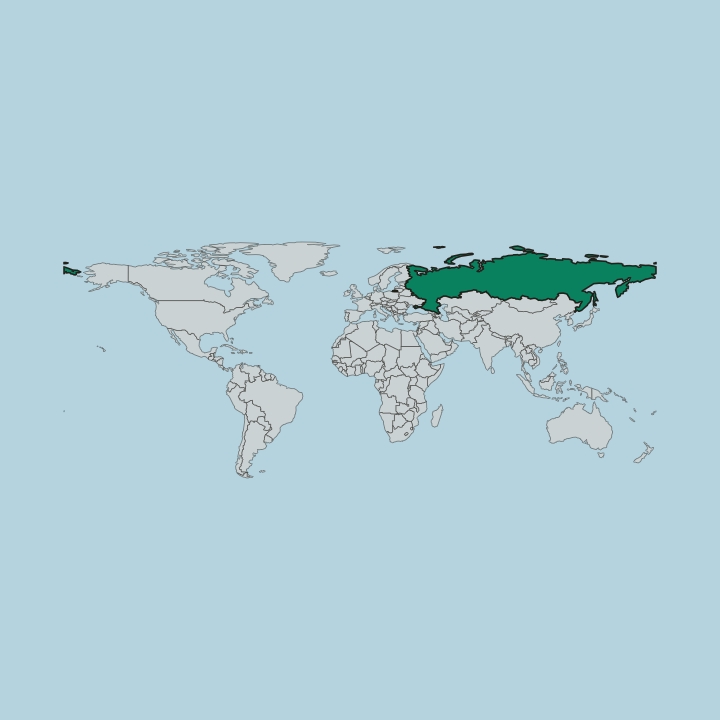
Ulyanovsk stands on the high right bank of the Volga River, east of Moscow on the plateau of the middle Volga. The old centre rides the Venets crest above the water, while newer districts spread across the plateau and over the broad reservoir on the far side of the two long bridges. The river dominates the setting.
Wooded ravines cut down to the bank, and the flat farm country of Ulyanovsk Oblast rolls away from the crest toward the forests and steppe of the wider region.
What is the climate of Ulyanovsk?
Ulyanovsk has a continental climate of cold winters and warm summers on the middle Volga. Winters are long and snowy, with hard frost gripping the Volga River and the reservoir below the crest as cold air settles over the plateau. Summers are warm and often dry.
The long light of the season fills the riverbank and the parks of the old town, the busiest weeks for walking the Venets crest above the water. Spring and autumn are brief and changeable between the deep cold and the warmth here.
How do you get to Ulyanovsk?
Ulyanovsk is reached by rail, road, and river across the middle Volga. Trains and buses run from Moscow to the west and from the cities of the Volga, crossing the plateau to the station near the centre, while the two long bridges carry the road over the reservoir. The river once bore the traffic.
Boats still call along the Volga River in the warm season, so travellers arrive by train, bus, road, or water to reach this city on the high bank of Ulyanovsk Oblast.
Good for
Another city in Ulyanovsk Oblast
Updated October 2026