Russia
Ulyanovsk Oblast, Russia — Towns & Travel Guide
Ulyanovsk Oblast straddles the middle Volga in southeast European Russia, the birthplace of Lenin and a UNESCO City of Literature.
Find your area →


Towns & cities in Ulyanovsk Oblast
Pick a town or city — each links to where to stay.
 Russia
Ulyanovsk
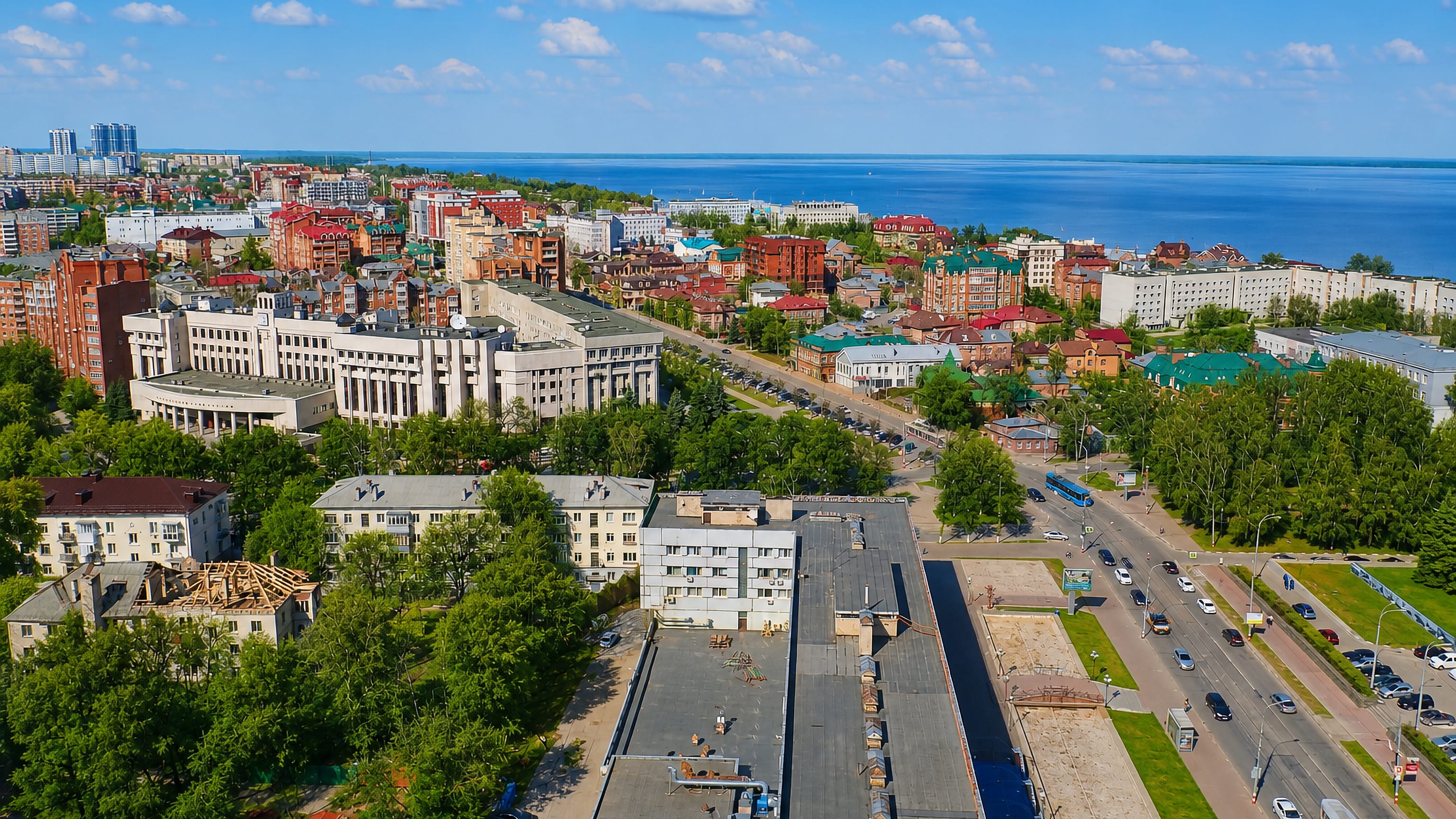
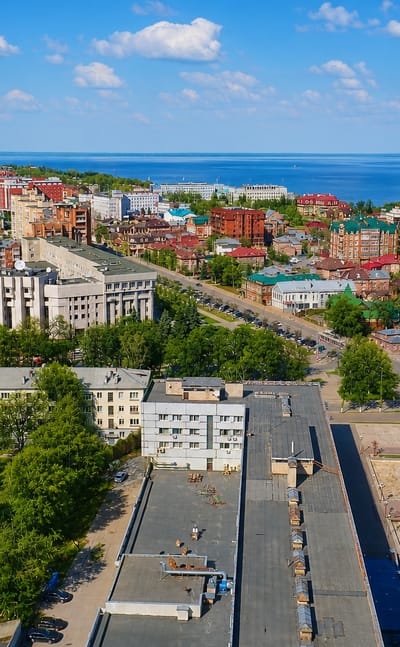
The Volga River runs wide below Ulyanovsk, a hill city once called Simbirsk, known for Goncharov House and the Ascension Cathedral.Where to stay →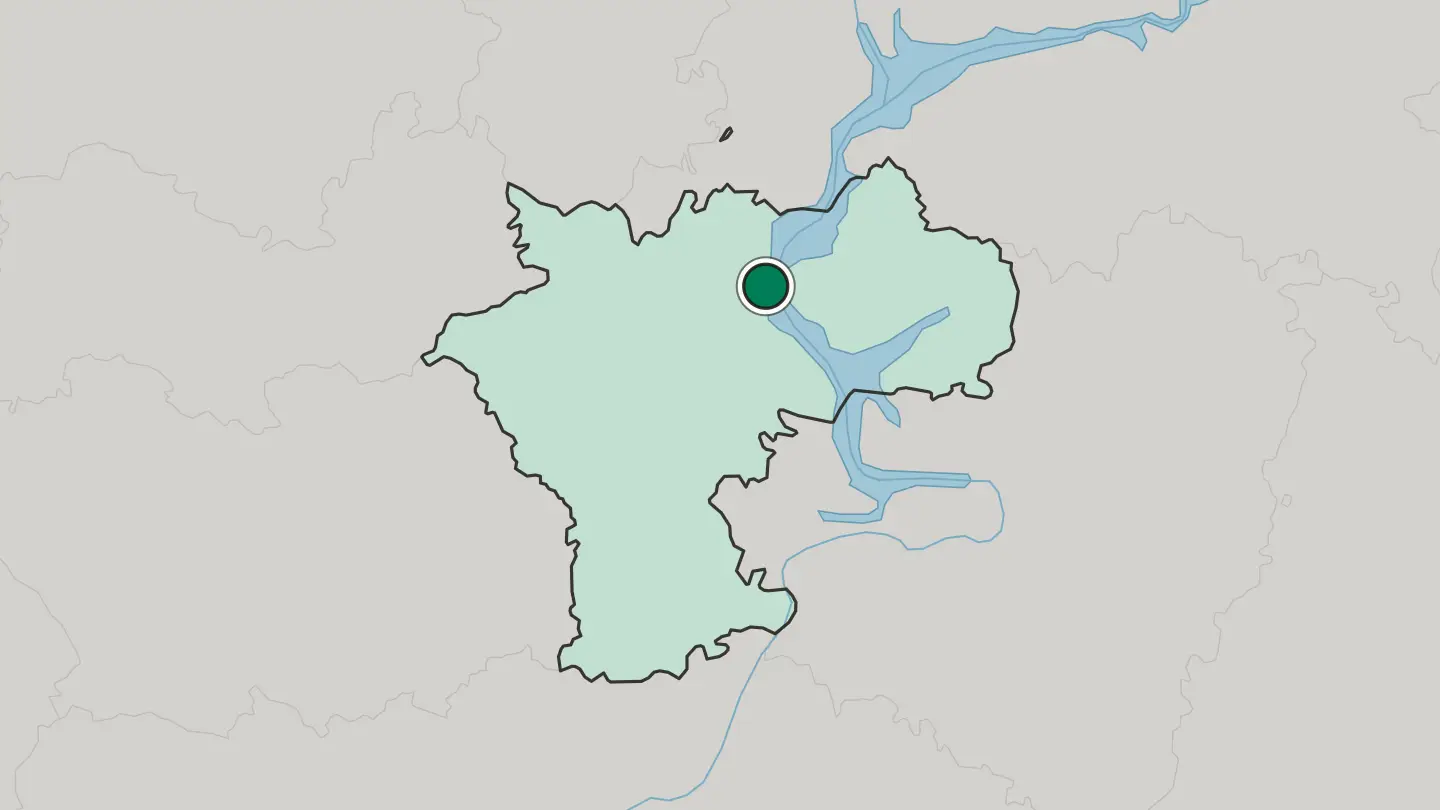
 Russia
Dimitrovgrad
Dimitrovgrad stands where the Melekesska meets the Bolshoy Cheremshan in Ulyanovsk Oblast, and answered to the name Melekess until 1972.Where to stay →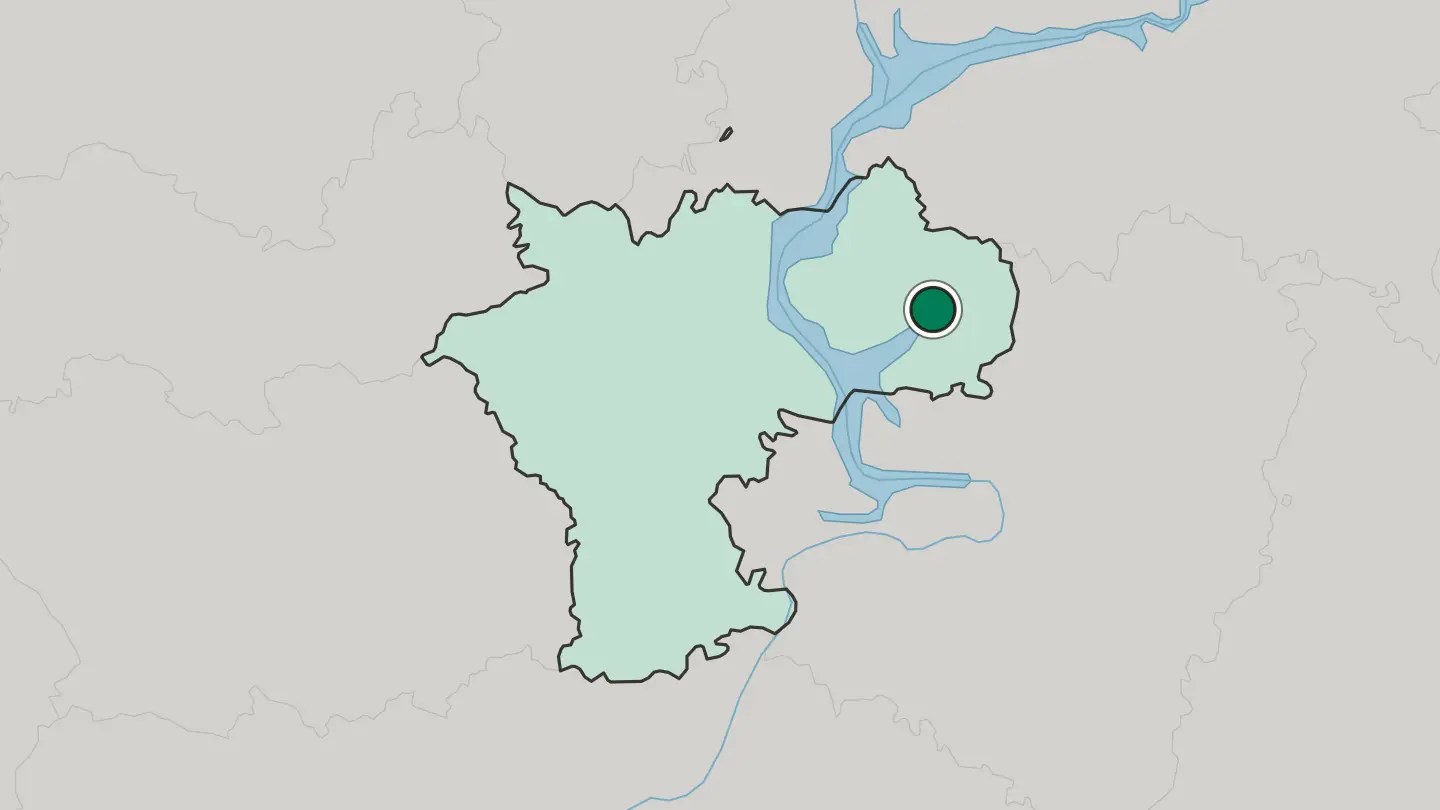
About Ulyanovsk Oblast
This is Lenin country.
What is Ulyanovsk Oblast known for?
The revolutionary was born here in 1870, back when the capital was still called Simbirsk, and the whole region took his family surname after his death. The city of Ulyanovsk carries that legacy in its museums and its riverside monuments, but the oblast is also a working aircraft region, home to the Aviastar plant that builds heavy transport planes on the left bank of the Volga. Writers matter here too, and Ulyanovsk holds the only Russian seat among the UNESCO Cities of Literature.
Where is Ulyanovsk Oblast?
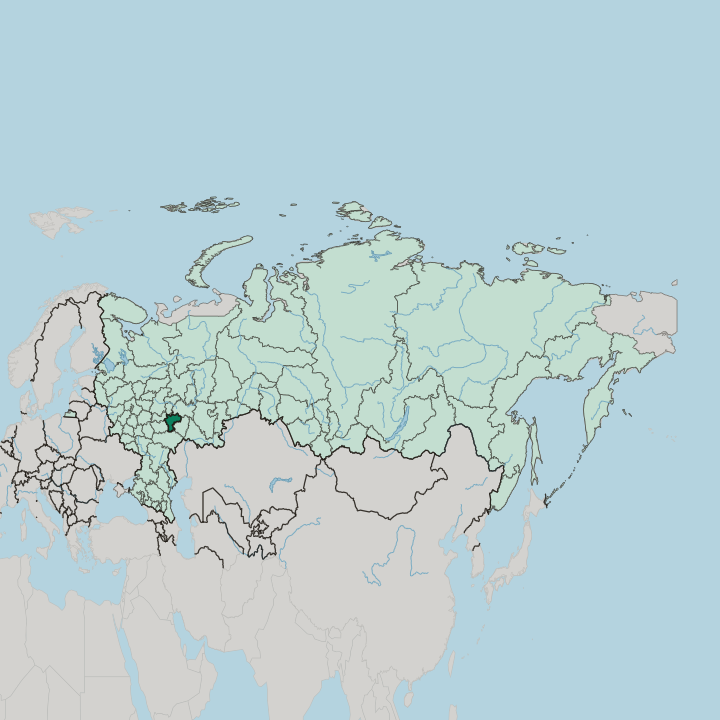
Ulyanovsk Oblast lies in southeast European Russia, in the middle stretch of the Volga where the great river swings east of Moscow. The Volga cuts the region in two. On one side rises the elevated, hilly right bank; on the other spreads the low, flat left bank that locals call the Zavolzhye.
That split defines everything about the place. The capital, Ulyanovsk, stands on the high western shore at the point where the Sviyaga joins the Volga, its old quarter perched above the water and its aircraft district laid out on the plain across the river. Here the Volga is no longer a narrow channel but a broad slack-water lake, part of the vast Kuybyshev Reservoir that backed up behind a downstream dam in the middle of the last century.
Two smaller rivers frame the western uplands. The Sura runs along the far edge toward the Nizhny Novgorod side, and the Sviyaga threads north through the hills toward Tatarstan. The oblast is compact by Russian standards, reaching only a couple of hundred kilometres in either direction.
It borders Tatarstan, Samara Oblast, Saratov Oblast, Penza Oblast, Mordovia and Chuvashia. Woodland and open steppe share the land between the rivers.
What is Ulyanovsk Oblast like?
Ulyanovsk was Simbirsk before it was anything else, a provincial capital on the Volga bluff that produced an unusual crop of writers for its size. Ivan Goncharov, who wrote the novel Oblomov, was born in the town, and the historian Nikolay Karamzin and the poet Nikolay Yazykov came from the same Simbirsk streets. That literary pedigree is why Ulyanovsk carries the only Russian place among the UNESCO Cities of Literature.
Then there is the other legacy. Vladimir Lenin was born here in 1870, and after his death the entire city and region were renamed for his family. A great deal of Soviet-era memorial building followed.
The Lenin Memorial complex on the high bank, the preserved family houses and the monuments belong to that layer of the region's identity as much as the older gentry culture does. Industry shapes the character too. The Aviastar aircraft works on the left bank made the New Town a place of engineers and factory shifts, a different world from the museum quarter across the water.
Russian is the working language, spoken alongside Tatar and Chuvash minorities whose villages dot the countryside. It is a region that reads and builds in equal measure.
What is the history of Ulyanovsk Oblast?
The story starts with a fort. In 1648 the boyar Bogdan Khitrovo raised the stronghold of Simbirsk on the high Volga bank, a link in the line of frontier fortresses meant to guard the tsar's eastern edge against raiding from the steppe. The town grew into a genteel provincial capital, then into the birthplace of Vladimir Lenin, and it was renamed Ulyanovsk in his honour after he died in 1924.
The oblast in its present borders was carved out in 1943, drawing territory from the neighbouring Kuybyshev and Penza regions during the upheavals of the war.
What is the climate of Ulyanovsk Oblast?
Ulyanovsk Oblast turns bitterly cold in winter. The region runs on a moderately continental pattern, with cold snowy Januaries that lock the Volga and its reservoir under ice, and hot summers that can tip into drought across the open left-bank steppe. Snow lies for months on the elevated right bank, and the widened river freezes hard enough to change how people move between the two shores.
July turns warm and often dry, with rain arriving unevenly and dry spells that scorch the Zavolzhye grain fields more than the wooded western hills. Between those extremes, spring and autumn are brief.
How do you get to Ulyanovsk Oblast?
Most travellers fly into Ulyanovsk. The city keeps two airfields: Baratayevka on the right bank close to the centre, and the larger Vostochny out on the left bank beside the Aviastar aircraft works. Overland the region sits well east of Moscow, and long-distance trains and highways cross the Volga on the road and rail bridges that stitch the two banks together.
Reaching the eastern towns like Dimitrovgrad means a road run out across the Zavolzhye plain. The river itself once carried much of the traffic, and Volga cruise boats still call at the capital.
Common questions
What is the best area to stay in Ulyanovsk Oblast?
Ulyanovsk: the Volga embankment and the Lenin museums. Dimitrovgrad: the eastern Cheremshan side of the oblast.
Good for
More regions in Russia
Updated September 2026