Russia · Vologda Oblast
Where to Stay in Cherepovets, Vologda Oblast
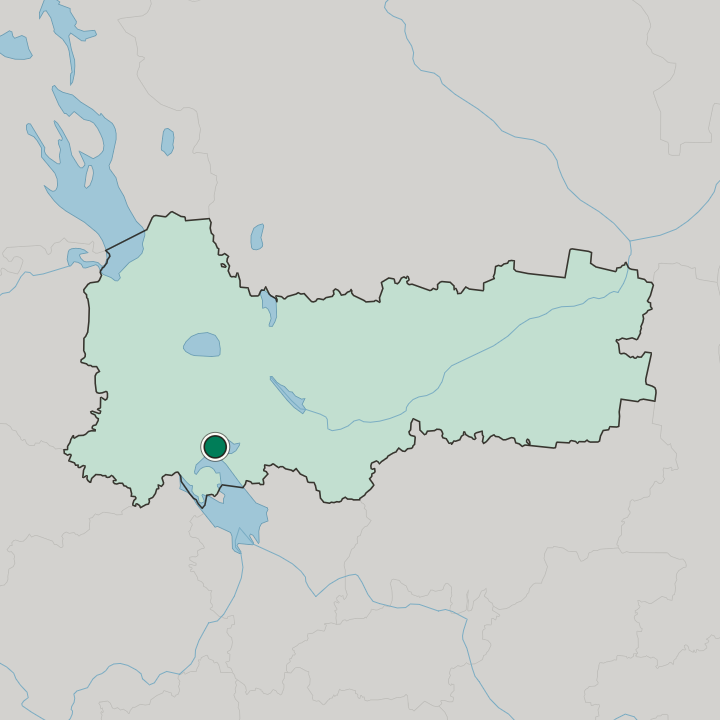
Cherepovets is the largest city in Vologda Oblast, a steel town on the Sheksna River where it opens into the Rybinsk Reservoir.
Find your area →


Where to stay in Cherepovets
Where visitors usually base themselves, and why.
Sovetsky avenue holds the obvious choice. The street carries the Milutin House, the Volkovy House, and the Ertel house within a few blocks, and the City hall and the Cherepovets museum of fine arts sit along the same run. Everything old is here.
A stay on this stretch puts the Resurrection Cathedral and the Cherepovets Resurrection Monastery inside a short walk, which is more than most of the city can manage. Beds along Sovetsky avenue stay scarce. The Sheksna River offers the second base.
Water opens out below the city toward the Rybinsk Reservoir, and the Galsky estate keeps its own grounds well away from the traffic of the centre. Quiet comes easily out there. If you want the water and the old estate rather than the shops, this is the side to ask for.
Buses link it back in. Metallurgov square anchors the third. The square and its Lenin monument sit at the middle of the districts the Severstal years built, and rooms there run plainer, newer, and closer to the works than to the merchant streets.
Trains help either way. The Cherepovets railway station stands within reach of both the old centre and the newer blocks, which makes arriving without a car straightforward in a city spread this wide. Most first stays land on Sovetsky avenue.
Things to do in Cherepovets
Ranked by global recognition; descriptions from Wikidata (CC0).
Museums & Galleries
3- Galsky estate (Cherepovets) Heritage
- Vereshchagin memorial house Heritage
- Milutin House, Cherepovets Heritage
Churches & Religious Sites
5- Cherepovets Resurrection Monastery Heritage
- Orthodox cathedral of Resurrection of Jesus Christ in Cherepovets Heritage
- Church of Nativity of Jesus Christ in Cherepovets Heritage
- Часовня (Череповец) Heritage
- Часовня во имя иконы Божьей Матери "Живоносный источник" (Череповец) Heritage
Castles & Historic Sites
2- Vereschagin monument (Cherepovets) Heritage
- Lenin monument at Metallurgov square (Cherepovets) Heritage
Landmarks & Notable Places
8- Cherepovets railroad station Heritage
- Children's museum (Cherepovets) Heritage
- Building of Cherepovets museum of fine arts Heritage
- Cherepovets railway station building Heritage
- City hall (Cherepovets) Heritage
Show 3 more →
- Ertel house (Cherepovets) Heritage
- Volkovy House (Cherepovets) Heritage
- Museum of water (Cherepovets) Heritage
worth knowingacross 4 categories in Cherepovets
About Cherepovets
Steel runs the place.
What is Cherepovets known for?
Severstal works at the edge of Cherepovets, and the plant that dominates the city has kept it the busiest and largest place in Vologda Oblast. Older streets survive along Sovetsky avenue, where the Milutin House and the Volkovy House keep their merchant frontages. The Vereshchagin memorial house and the Vereshchagin monument stand nearby.
Museums do the rest, among them the Museum of water and the Children's museum.
What are the main landmarks in Cherepovets?
The Cherepovets Resurrection Monastery is the oldest thing standing. Around it the Resurrection Cathedral and the Church of Nativity carry the religious side, while a chapel dedicated to the Life-giving Spring icon keeps a smaller corner. Merchants left the rest.
The Milutin House, the Volkovy House, and the Ertel house line Sovetsky avenue, with the Cherepovets real school building and the City hall among them. The Vereshchagin memorial house, the Galsky estate, and the Cemetery of the victims of the Revolution complete the roll.
What is the history of Cherepovets?
A monastery came first. Cherepovets grew in the fourteenth century around the Cherepovets Resurrection Monastery, and the Resurrection Cathedral carries that dedication down the centuries to the present city. River trade followed.
The Sheksna River gave the settlement its route to the wider country, and the merchants who worked it left the Milutin House, the Volkovy House, and the Ertel house along what became Sovetsky avenue. Stone replaced timber slowly. Schooling and civic building followed the money.
The Cherepovets real school building and the City hall belong to that era of provincial confidence, and the Vereshchagin memorial house survives from it as a private residence turned museum. Iron rails followed the river trade. The Cherepovets railway station tied the town into the national network, and its station building is protected in its own right alongside the merchant frontages of the centre.
Trade shifted onto rails. Revolution left its own marks. The Cemetery of the victims of the Revolution holds the dead of those years, and the Lenin monument at Metallurgov square belongs to the decades that came after.
Steel changed the scale. Severstal turned Cherepovets into the largest city of Vologda Oblast, and the districts raised for the works spread far beyond the few streets the merchants had known. The monastery still stands.
Where is Cherepovets?
Cherepovets stands on the banks of the Sheksna River and on the shores of the Rybinsk Reservoir. Water defines the edges. The built-up ground covers roughly 121 square kilometres, spread wide enough that the works, the merchant streets of Sovetsky avenue, and the newer districts sit well apart from one another.
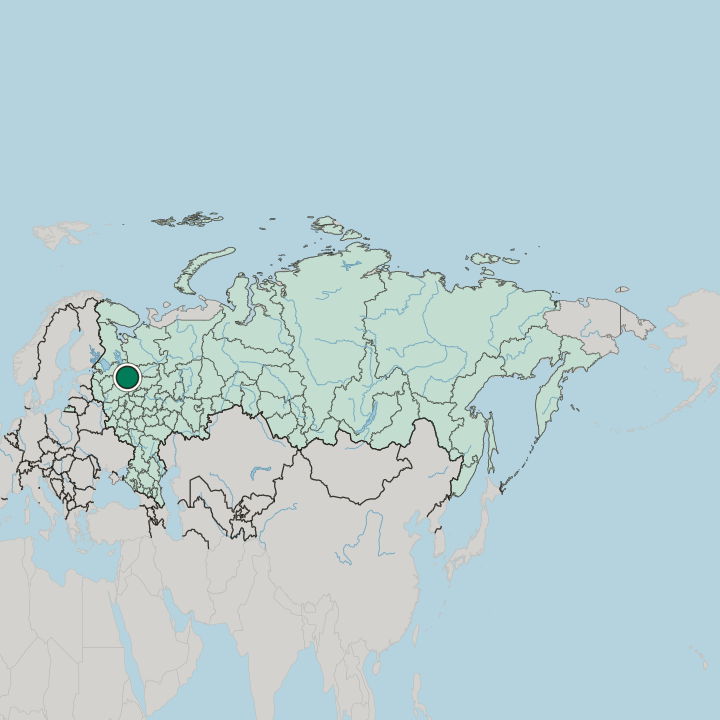
Vologda Oblast surrounds it. Level country runs out from the city on every side.
What is the climate of Cherepovets?
The Rybinsk Reservoir sets the terms. Its open water holds the cold well into spring and takes a little of the bite from the first frosts, though Cherepovets still runs to long winters with snow lying for months over the Sheksna River. Summers are short.
Damp comes off the reservoir through the warm weeks, and the evenings stay light long past the end of the working day. Nothing about the year is even.
How do you get to Cherepovets?
The Cherepovets railway station carries most arrivals. Its listed station building sits on the line that crosses Vologda Oblast, and trains remain the simplest way in for anyone travelling without a car. Roads come in from every side.
The Sheksna River runs through the city, so moving between districts means crossing water. The centre itself walks easily.
Good for
Another city in Vologda Oblast
Updated October 2026