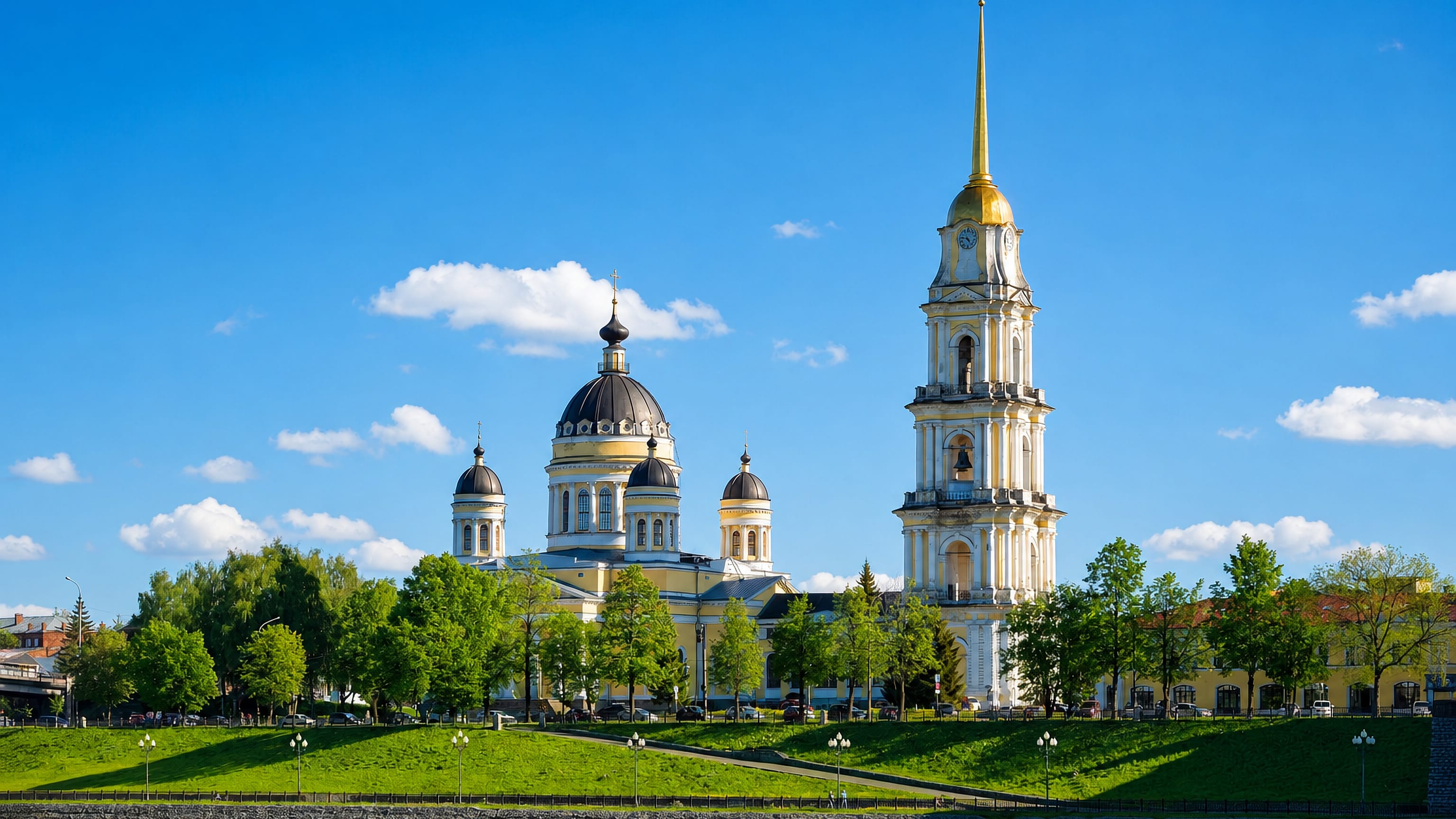
Russia · Yaroslavl Oblast
Where to Stay in Rybinsk, Yaroslavl Oblast
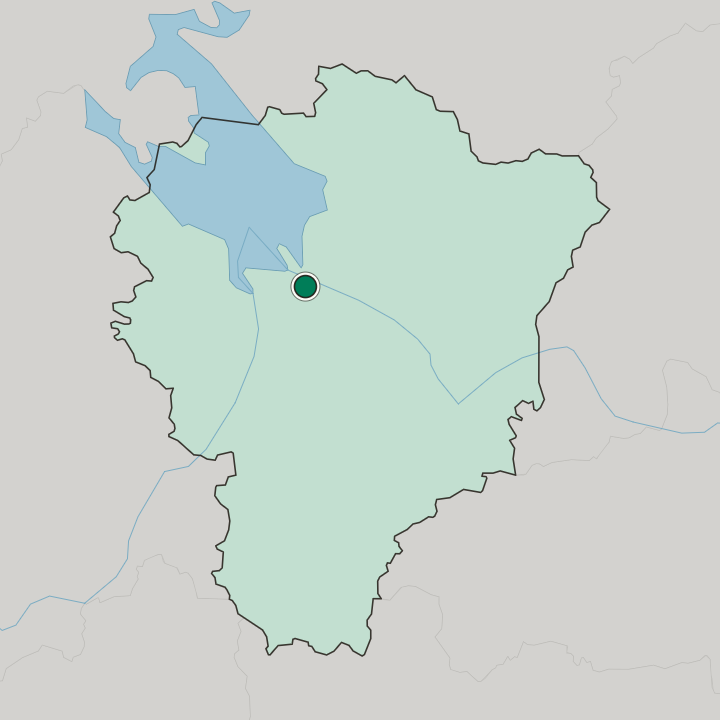
Rybinsk is the second-largest city of Yaroslavl Oblast, on both banks of the Volga at its confluence with the Sheksna and Cheremukha.
Find your area →


Where to stay in Rybinsk
Where visitors usually base themselves, and why.
Krestovaya Street is the spine of the choice. The old merchant frontage runs along it, Krestovaya Street 84, Krestovaya Street 25, and turns down to Volzhskaya embankment 61 and the Volga, which puts the Church of the Transfiguration, the Fire lookout tower in Rybinsk, and Rybinsk Museum-Preserve inside one walk. Stay on that axis.
Gordeev house and the Ikonnikovy estate belong to the same merchant city, and the Church of the Theotokos of Kazan stands a short way along it. Rooms further out trade the embankment for nothing you would rather have, and the walk back at night is longer than it looks on a map. The railway station is the practical alternative.
Rybinsk-Passenger railway station sits back from the water, which suits an early train better than it suits an evening on the Volga, and the Palace of Culture "Aviator" and Chkalov Street 20 mark that side of the city. Stoyalya Street 21 and Bulvarnaya street 14 fall between the two. Anyone here for the Rybinsk Hydroelectric Station or Музей Мологского края will find the centre closer to both than the outskirts are, so there is little reason to look beyond it.
Things to do in Rybinsk
Ranked by global recognition; descriptions from Wikidata (CC0).
Museums & Galleries
2- Музей Мологского края им. Н. М. Алексеева Heritage
- Мемориальный Дом-музей академика А. А. Ухтомского Heritage
Churches & Religious Sites
4- Church of the Transfiguration Heritage
- Roman Catholic church in Rybinsk, Russia Heritage
- Церковь Вознесения с колокольней (Рыбинск) Heritage
- Church of the Presentation of Jesus at the Temple, Rybinsk Heritage
Castles & Historic Sites
1- Памятник Льву Ошанину
Landmarks & Notable Places
8- Rybinsk Hydroelectric Station Heritage
- Rybinsk Museum-Preserve Heritage
- Rybinsk-Passenger railway station Heritage
- Fire lookout tower in Rybinsk Heritage
- Gordeev house Heritage
Show 3 more →
- Groats mill in Rybinsk Heritage
- Ikonnikovy estate, Rybinsk Heritage
- Volzhskaya embankment 61, Rybinsk Heritage
worth knowingacross 4 categories in Rybinsk
About Rybinsk
The Volga takes in two rivers here.
What is Rybinsk known for?
Rybinsk stands on both banks at the point where the Sheksna and the Cheremukha join it, and the Rybinsk Hydroelectric Station sits on that water as the largest single structure the city holds. The museums carry the rest. Rybinsk Museum-Preserve holds the main collection, Музей Мологского края keeps the record of the Mologa country, and Памятник Льву Ошанину stands among the city's monuments.
What are the main landmarks in Rybinsk?
Few cities of this size list so many. Rybinsk Museum-Preserve, the Church of the Transfiguration, the Fire lookout tower in Rybinsk, and the Roman Catholic church in Rybinsk hold the civic set, with Церковь Вознесения с колокольней (Рыбинск) and the Church of the Presentation of Jesus at the Temple standing behind them. The river adds its own.
Rybinsk Hydroelectric Station sits on the Volga, and the Groats mill in Rybinsk survives from the trade the three rivers once carried through the city.
What is the history of Rybinsk?
Усть-Шексна came first, in 1071. The settlement took its original name from the mouth of the Sheksna, and nearly a thousand years of occupation separate that founding from the city now standing on both banks of the Volga. The name Rybinsk arrived later, and Усть-Шексна survives now mainly in the record rather than on any signpost.
Trade explains the middle centuries. Gordeev house, the Ikonnikovy estate, and the Groats mill in Rybinsk survive from the period when the Volga trade shaped the town, and they are the reason the centre reads as a merchant city rather than an industrial one. The river was rebuilt in the twentieth century.
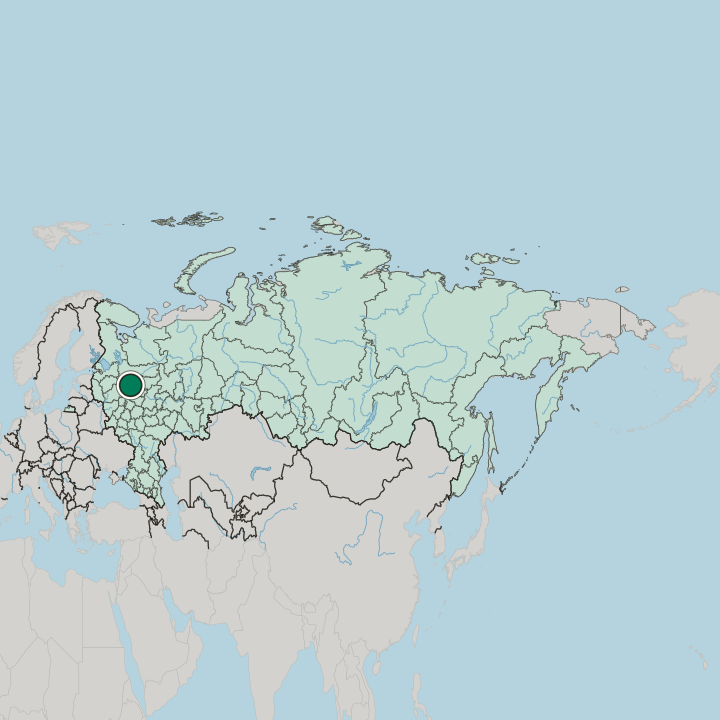
Rybinsk Hydroelectric Station stands from that period, and Музей Мологского края keeps the record of the Mologa country through the same century of Yaroslavl Oblast history. Памятник Льву Ошанину belongs to the modern city. The Church of the Transfiguration and the Church of the Theotokos of Kazan outlasted every one of those changes. Rybinsk has been the second-largest city of Yaroslavl Oblast throughout, 82 kilometres from Yaroslavl and 270 kilometres from Moscow, near enough to both to matter and far enough to keep its own character.
Where is Rybinsk?
Three waters converge at the city. The Volga runs through Rybinsk with the Sheksna and the Cheremukha joining it there, and the built-up ground sits on both banks rather than on one. Yaroslavl is 82 kilometres off.
Rybinsk lies north-west of it in Yaroslavl Oblast, with Moscow 270 kilometres away, on flat river country that gives the city a long frontage and very little relief.
What is the climate of Rybinsk?
The Volga sets the tempo of the year. Ice closes the river for a long stretch, and the city's cold season runs with it, holding on well past the point where Moscow 270 kilometres away has moved on. Warmth arrives late.
The water at the confluence of the Sheksna and the Cheremukha holds damp air over the city through the warm months, and the difference between the two halves of the year is stark.
How do you get to Rybinsk?
Rybinsk-Passenger railway station handles the trains. Yaroslavl is 82 kilometres away and Moscow 270, which makes the city a straightforward addition to a route through Yaroslavl Oblast rather than a detour requiring its own trip. The Volga is the other approach.
River traffic has used this confluence since Усть-Шексна, and the water remains the reason the site was worth founding at all.
Good for
Another city in Yaroslavl Oblast
Updated October 2026