Russia
Yaroslavl Oblast, Russia — Towns & Travel Guide
Yaroslavl Oblast is the heart of Russia's Golden Ring, an upper-Volga region of ancient towns north-east of Moscow.
Find your area →


Towns & cities in Yaroslavl Oblast
Pick a town or city — each links to where to stay.
 Russia
Yaroslavl
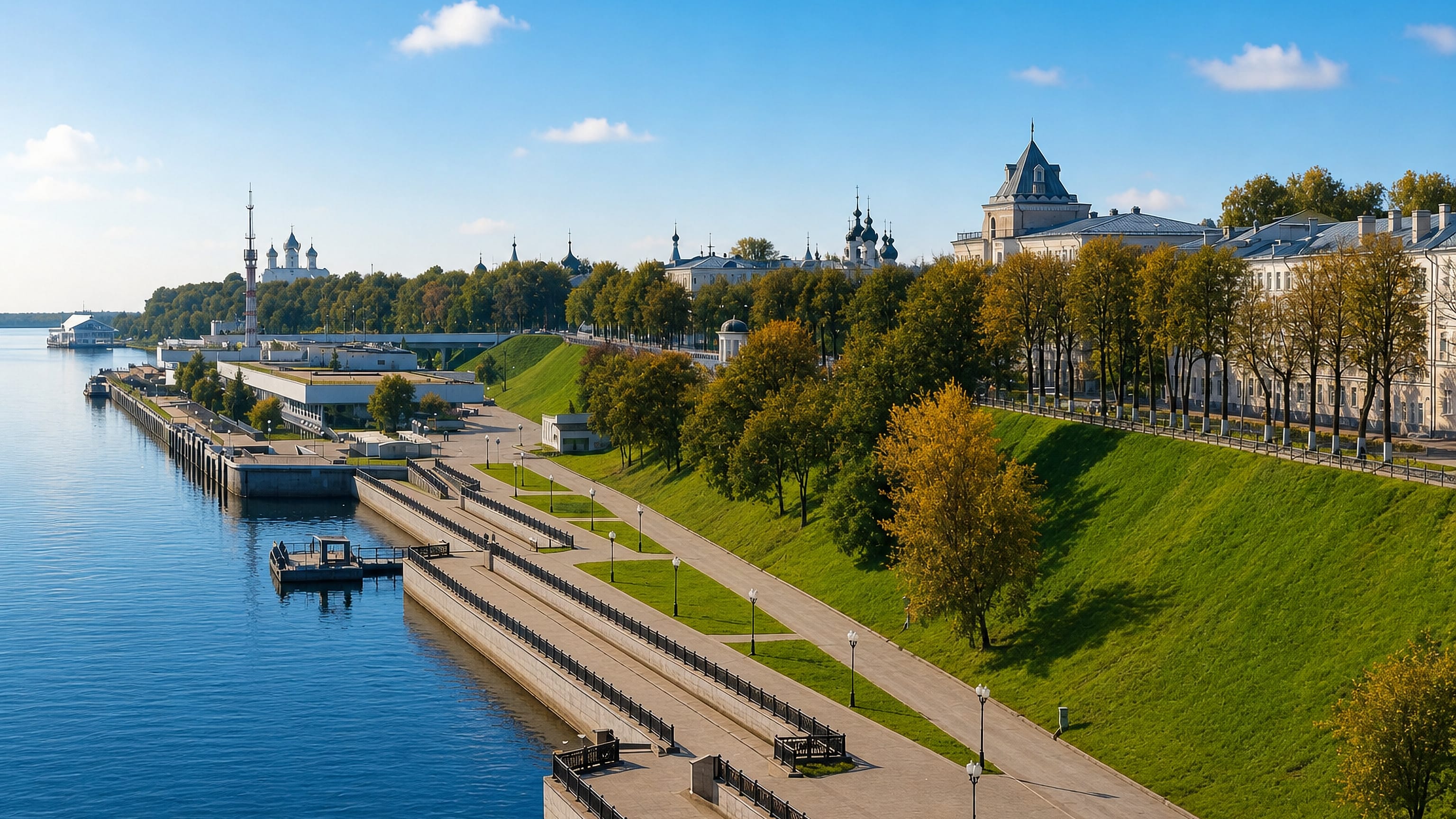
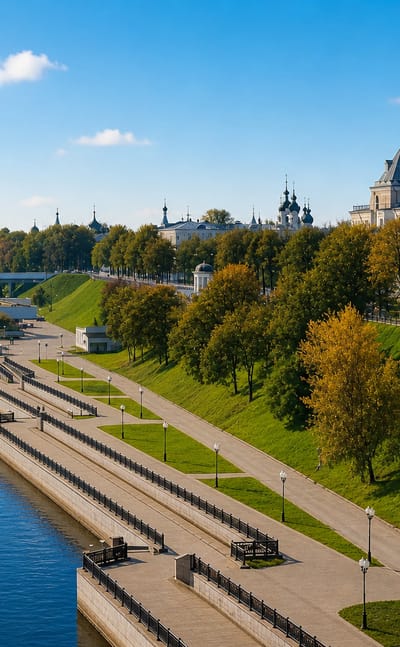
The Volga and the Kotorosl meet at Yaroslavl, a Golden Ring city and World Heritage centre in Yaroslavl Oblast, founded in 1010.Where to stay →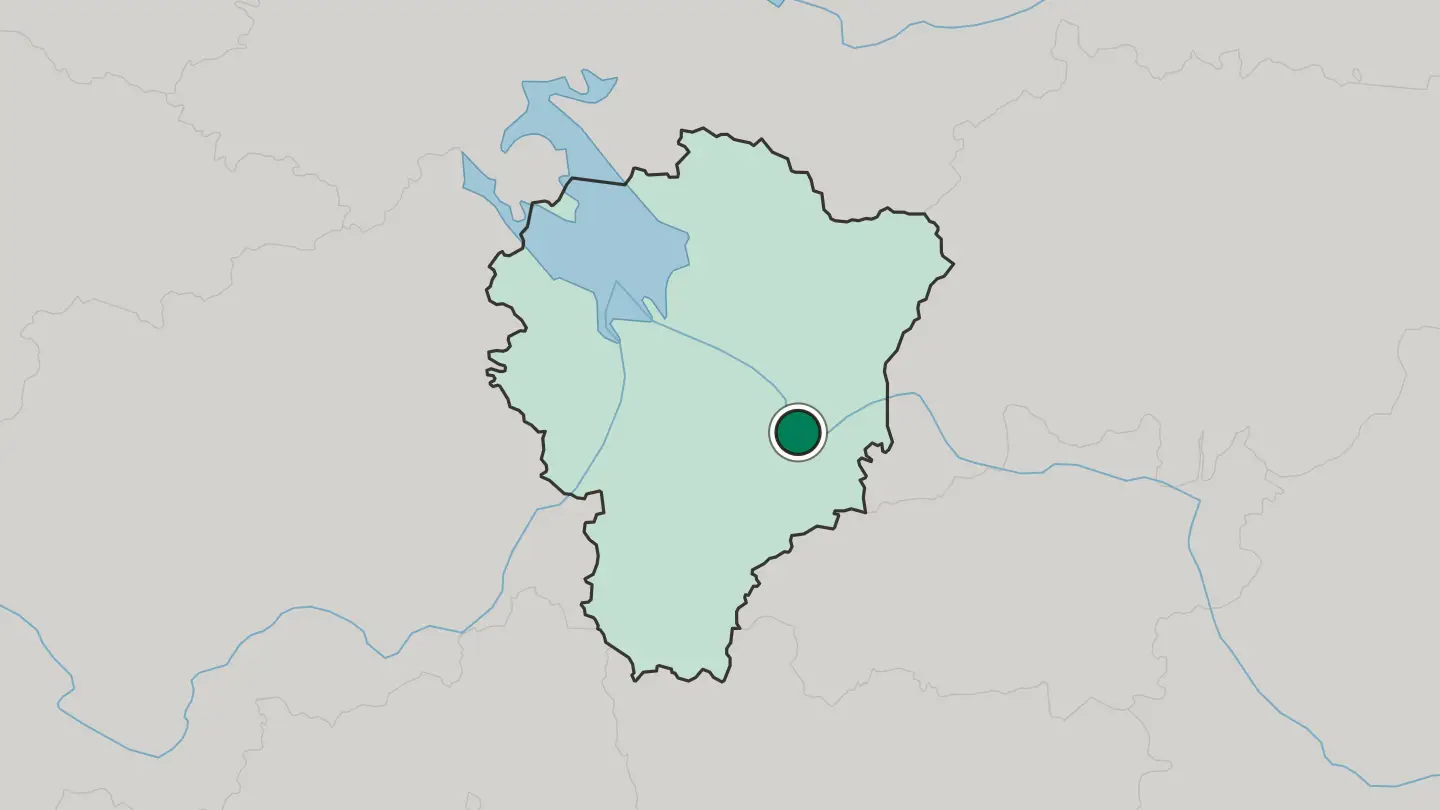
 Russia
Rybinsk
Rybinsk is the second-largest city of Yaroslavl Oblast, on both banks of the Volga at its confluence with the Sheksna and Cheremukha.Where to stay →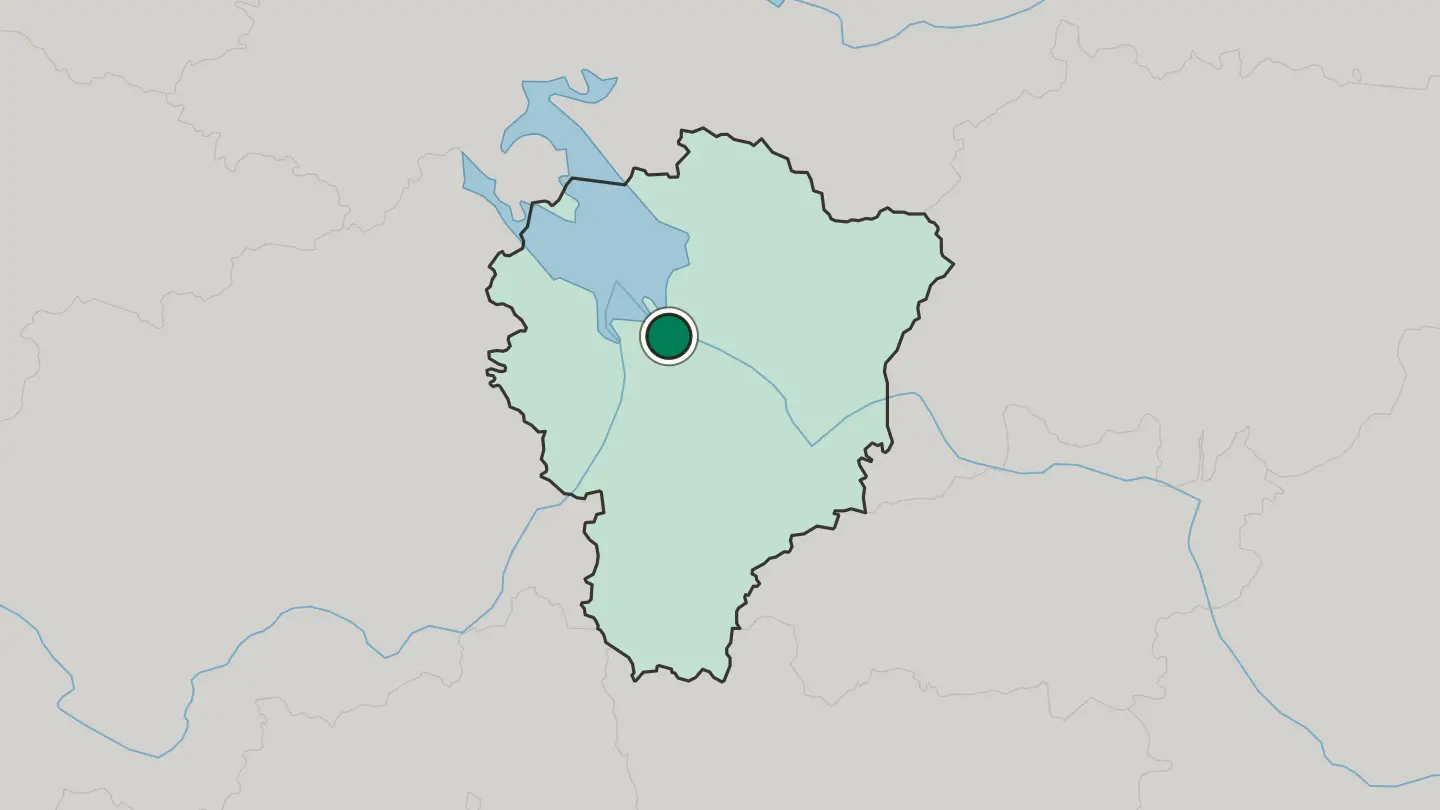
About Yaroslavl Oblast
This is Golden Ring country.
What is Yaroslavl Oblast known for?
The region strings together some of the oldest towns in Russia, several of them founded before Moscow itself. Yaroslavl, its capital on the Volga, keeps a historic centre that UNESCO added to its World Heritage list in 2005. Rostov Veliky was first named in the chronicles in 862 and guards a white-walled kremlin above Lake Nero, while Uglich and Pereslavl-Zalessky trade on onion-domed monasteries and the memory of Peter the Great's toy fleet.
Beyond the towns spreads the Rybinsk Reservoir, a Volga sea so wide it once ranked as the largest man-made lake on earth.
Where is Yaroslavl Oblast?
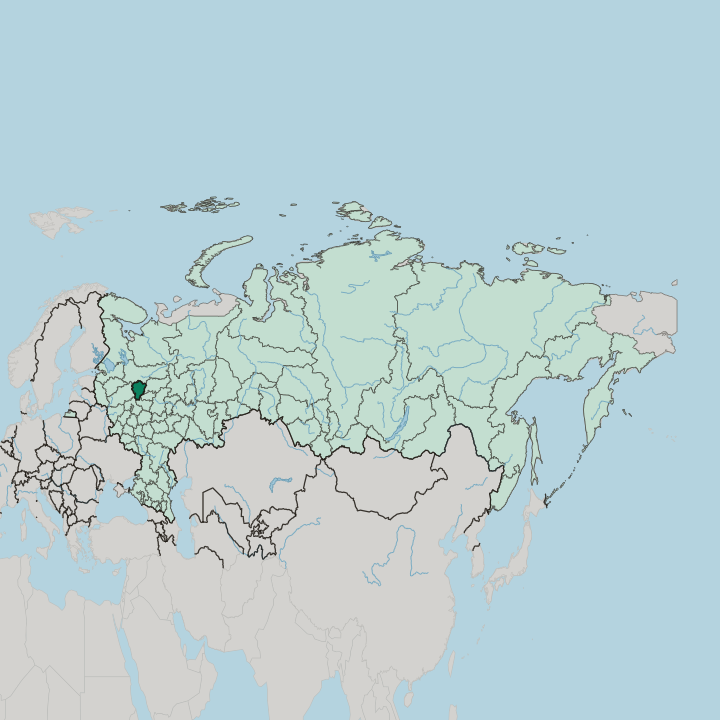
Yaroslavl Oblast lies in Central Russia, north-east of Moscow, in the upper basin of the Volga. Six oblasts wrap around it. Tver sits to the west, Moscow Oblast to the south-west, Vladimir to the south, Ivanovo to the south-east, Kostroma to the east, and Vologda closes the northern edge.
The Volga is the axis of the whole region, curving down from the Rybinsk Reservoir in the north-west, through the capital, and on toward Kostroma. Most of the land is low plain, ribbed only by the gentle Danilov and Uglich uplands that run north-east to south-west across it. Rivers and reservoirs shape everything else.
The Rybinsk Reservoir, formed when the Volga was dammed above Rybinsk, floods the north-western corner into a lake so broad locals call it the Rybinsk Sea. Two shallow ancient lakes lie inland: Lake Nero at Rostov Veliky and Lake Pleshcheyevo at Pereslavl-Zalessky, both left by retreating ice. The Kotorosl joins the Volga at the capital, the Sheksna and Mologa feed the great reservoir, and marshy lowlands stretch between the low ridges.
It is a region you read by its rivers.
What is Yaroslavl Oblast like?
Old Rus lives in the stonework here. The region carries one of the densest stocks of medieval church architecture in Russia, and its towns wear that inheritance plainly. Yaroslavl rebuilt itself in brick and whitewash from the sixteenth century onward, and its merchant churches, frescoed inside from wall to vault, earned the historic centre its place on the UNESCO list.
The Russian language and Orthodox faith shape daily life, and the calendar still turns on monastery feast days at Rostov Veliky and Pereslavl-Zalessky. The past is not only sacred. Uglich holds the memory of Tsarevich Dmitry, whose death in 1591 helped tip Russia into the Time of Troubles, and its red-walled church marks the spot.
Yaroslavl gave the country its first permanent Russian theatre, founded in the eighteenth century. Craft runs deep too, from Rostov's painted enamel miniatures to the bronze bells once cast for its kremlin towers. Cruise boats climb the Volga each summer to the same quays that floated grain south for centuries.
Working city and living museum share one riverbank.
What is the history of Yaroslavl Oblast?
The land predates its capital. Rostov Veliky appears in the chronicles as early as 862, one of the first towns of Kievan Rus. Prince Yaroslav the Wise founded Yaroslavl on the Volga around 1010, and by 1218 it headed a principality of its own before Moscow absorbed the territory in the fifteenth century.
Trade on the upper Volga made the towns rich, and in 1722 the Yaroslavl Great Manufactory rose as one of Russia's earliest textile mills. The oblast in its present borders was drawn in 1936.
What is the climate of Yaroslavl Oblast?
The oblast runs on four clear seasons. Winters are long and cold, when the Volga and the Rybinsk Reservoir freeze hard enough to walk on and snow holds from late autumn into spring. Summers are short, warm and green, drawing the cruise boats up the river to Yaroslavl and Uglich.
Rain and snow fall across the year rather than in one wet season, and the inland position keeps the winters sharper than in coastal Russia. Break-up on the reservoir is the true sign of spring.
How do you get to Yaroslavl Oblast?
Most travellers come from Moscow. Trains leave the capital's Yaroslavsky station, the western head of the Trans-Siberian line, and reach Yaroslavl in a few hours across roughly 250 km of forest and field. The same railway and the parallel highway thread on through Rostov Veliky and Pereslavl-Zalessky.
In summer the Volga itself is a route, with cruise boats calling at Yaroslavl, Rybinsk and Uglich on the run between Moscow and the lower river. Once inside the oblast, road and rail tie the Golden Ring towns together.
Common questions
What is the best area to stay in Yaroslavl Oblast?
Yaroslavl: a first base for the whole Golden Ring.
Good for
More regions in Russia
Updated September 2026