Russia · Yaroslavl Oblast
Where to Stay in Yaroslavl, Yaroslavl Oblast
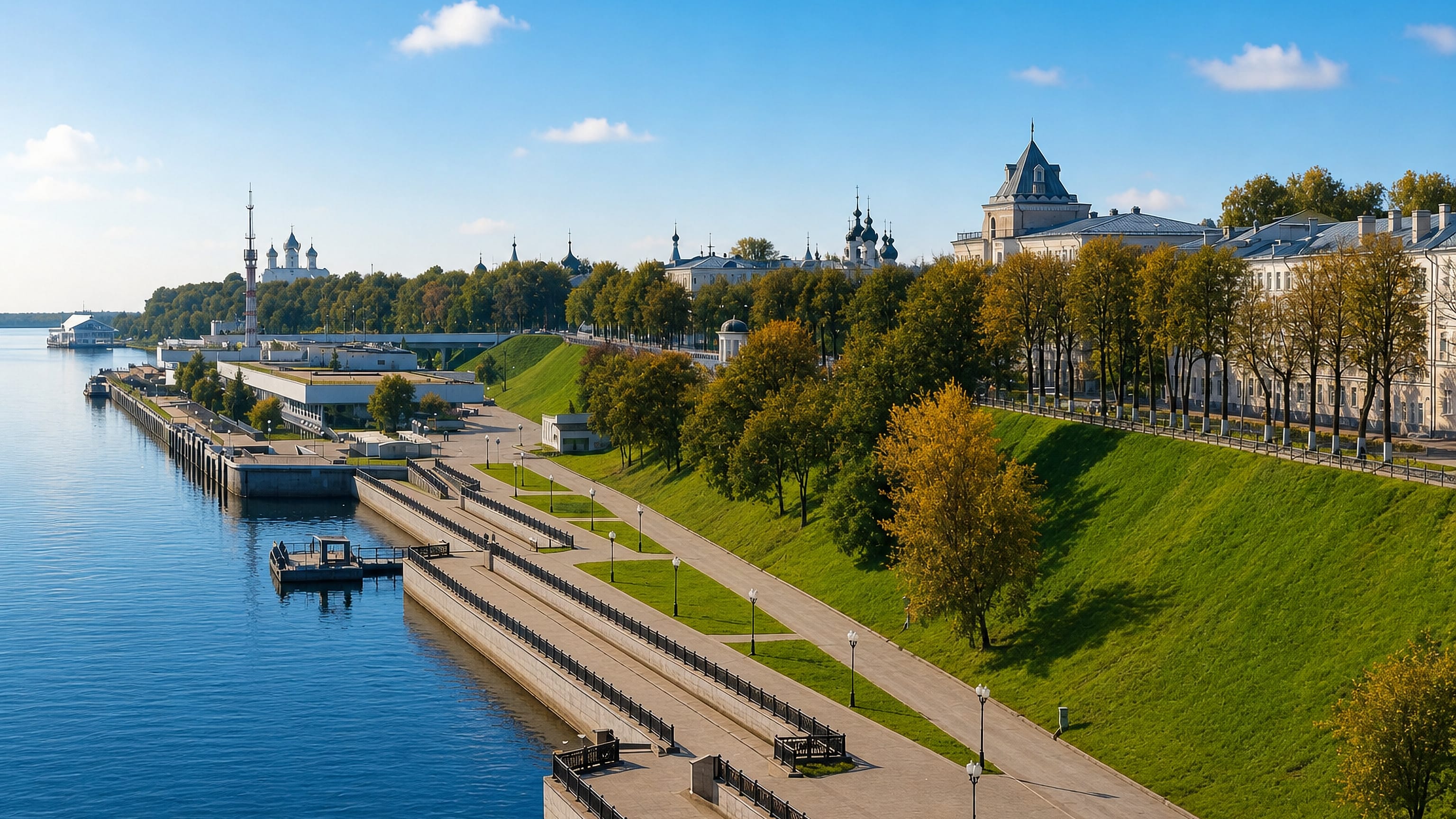
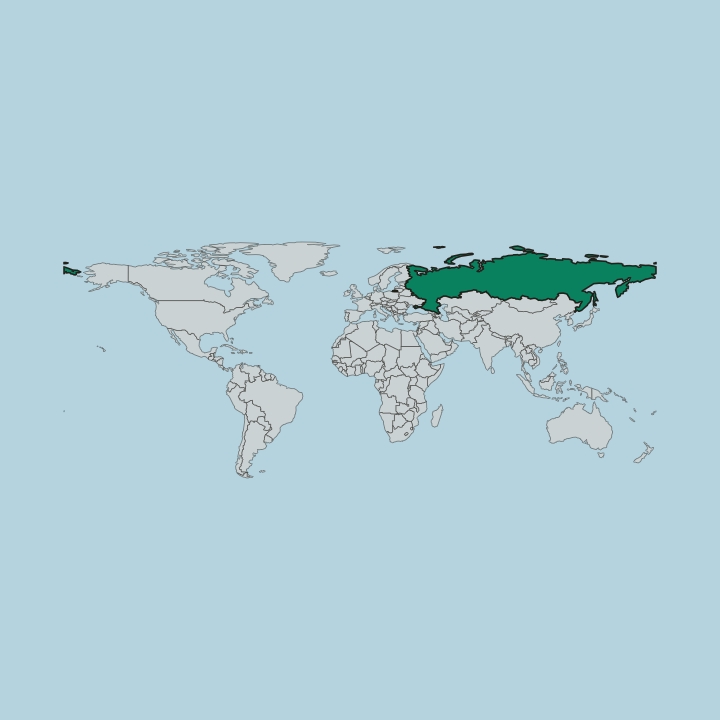
The Volga and the Kotorosl meet at Yaroslavl, a Golden Ring city and World Heritage centre in Yaroslavl Oblast, founded in 1010.
Find your area →


Where to stay in Yaroslavl
Each area has its own feel; here's who each one suits.
 YaroslavlRussia
Tveritsy
Tveritsy is a district of Yaroslavl dated in the record to 1375, sharing the city with the Volzhskaya tower and the Yaroslavl Art Museum.Where to stay → YaroslavlRussia
Korovniki
Korovniki is a settlement in the south of Yaroslavl at the mouth of the Kotorosl, whose sloboda arose in the thirteenth century opposite the kremlin.Where to stay → YaroslavlRussia
Bragino
Bragino is a residential district in the north of Yaroslavl, built as the largest housing massif in the city. Eleven numbered microdistricts fill it.Where to stay →Things to do in Yaroslavl
Ranked by global recognition; descriptions from Wikidata (CC0).
Museums & Galleries
2- Maksim Bahdanovič Literary Museum, Yaroslavl Heritage
- Yaroslavl Art Museum
Churches & Religious Sites
8- Church of Elijah the Prophet in Yaroslavl Heritage
- St. John the Baptist Church in Yaroslavl Heritage
- St. John Chrysostom Church in Yaroslavl Heritage
- Церковь Богоявления (Ярославль) Heritage
- Fyodorovskaya Church Heritage
Show 3 more →
- Church of Sts. Peter and Paul in Yaroslavl Heritage
- St. Michael's Church in Yaroslavl Heritage
- Church of the Saviour in the town Heritage
Castles & Historic Sites
1- Nekrasov Monument in Yaroslavl Heritage
Landmarks & Notable Places
8- Volkov Theatre Heritage
- Savior Transfiguration Monastery Heritage
- Yaroslavl railway station Heritage
- Yaroslavl-Moskovsky Heritage
- Metropolitan Palace in Yaroslavl Heritage
Show 3 more →
- Volzhskaya tower Heritage
- Governor's Palace in Yaroslavl Heritage
- Ascension Church, Yaroslavl Heritage
worth knowingacross 4 categories in Yaroslavl
About Yaroslavl
What is Yaroslavl known for?
Yaroslavl is known as one of the great cities of the Golden Ring, its historic centre a World Heritage Site at the meeting of the Volga and the Kotorosl. Ten centuries lie behind Yaroslavl, from its founding in 1010 to the World Heritage churches at its heart. Founded in 1010 and the administrative centre of Yaroslavl Oblast northeast of Moscow, the city is famous for churches such as the Church of Elijah the Prophet, the Savior Transfiguration Monastery and Russia's first permanent playhouse, the Volkov Theatre.
It sits on the Golden Ring.
What are the main landmarks in Yaroslavl?
Yaroslavl's landmarks are a concentration of Russian church and civic architecture. Churches lead the roll. The Church of Elijah the Prophet, the Savior Transfiguration Monastery and the Saint John the Baptist Church carry the World Heritage core, while the Volkov Theatre, the Yaroslavl Art Museum, the Volzhskaya tower, the Governor's Palace and the historic Yaroslavl railway station broaden the city's stock of monuments beyond its many churches.
What is the history of Yaroslavl?
Yaroslavl was founded in 1010 at the confluence of the Volga and the Kotorosl, making it one of the oldest cities of the region. Its site was strategic. The land between the two rivers gave the settlement a defensible core and a place on the trade routes of medieval Rus, and over the centuries it rose into one of the historic cities of the Golden Ring northeast of Moscow.
The city's golden age left the churches for which it is celebrated. Both the Church of Elijah the Prophet and the Savior Transfiguration Monastery date from the era when Yaroslavl was a wealthy centre of trade and church-building, and that heritage earned its historic centre a place as a World Heritage Site. Later foundations such as the Volkov Theatre, remembered as Russia's first permanent playhouse, and the growth of the city into the seat of Yaroslavl Oblast carried its long story forward from the founding of 1010.
Where is Yaroslavl?
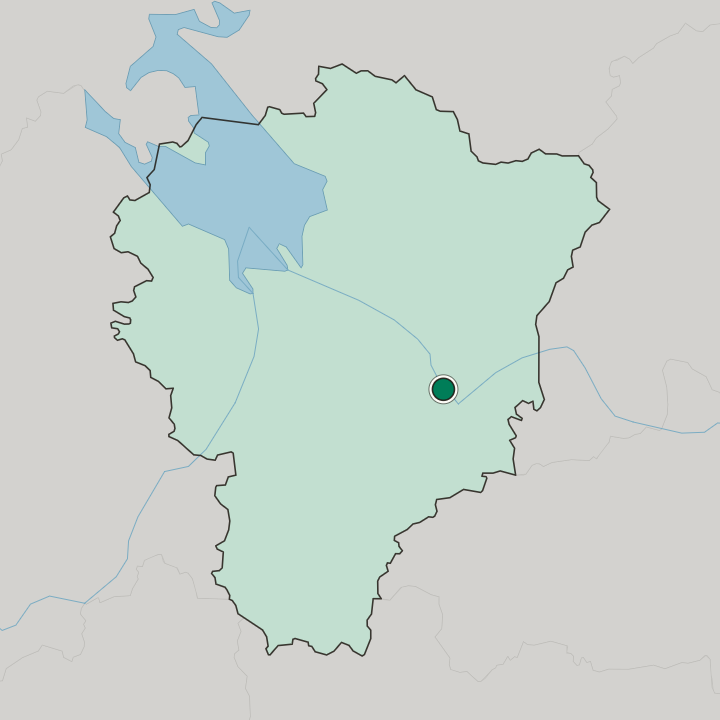
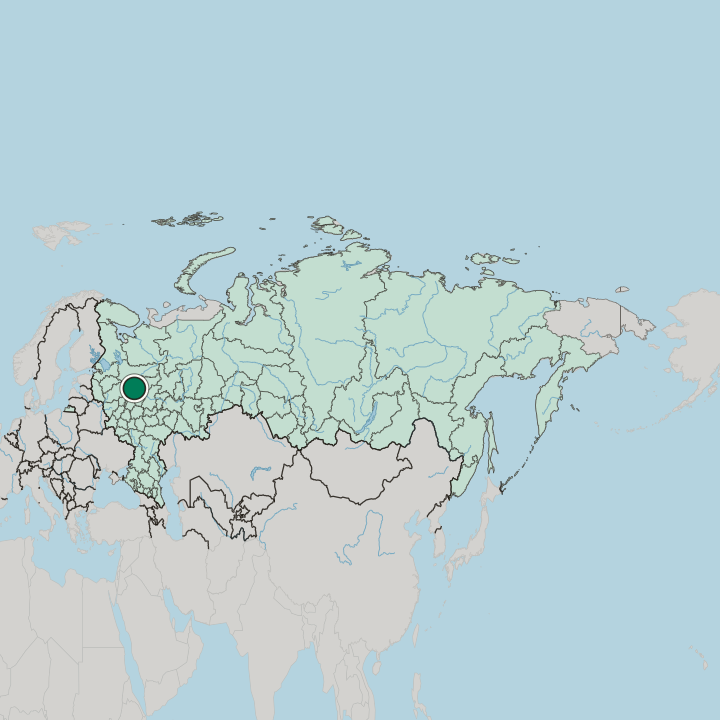
Yaroslavl stands at the confluence of the Volga and the Kotorosl, northeast of Moscow in Yaroslavl Oblast. Two rivers frame it. The historic core occupies the wedge of land where the smaller Kotorosl joins the great Volga, and the city spreads out along both banks over the low river country of central Russia.
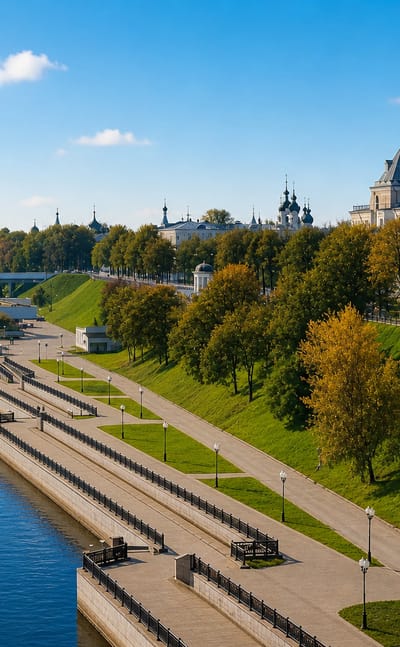
The broad Volga is the defining feature of the setting, and its embankments carry some of Yaroslavl's finest views.
What is the climate of Yaroslavl?
Yaroslavl has a temperate continental climate typical of central Russia. The cold season stretches on for months, snow lying deep as the Volga locks hard under ice. The Volga freezes hard through the cold months while the churches of the World Heritage core stand under snow, and summers turn warm and green along the river northeast of Moscow, giving the city a full and pronounced round of seasons.
Spring break-up and a short crisp autumn bracket the year.
How do you get to Yaroslavl?
Yaroslavl is easily reached from Moscow, lying northeast of the capital on the routes of the Golden Ring. Rail is the natural way in. Trains arrive at the historic Yaroslavl railway station, tying the city to Moscow and the wider region, and roads run in across Yaroslavl Oblast to bring visitors to the World Heritage core between the Volga and the Kotorosl.
River traffic still uses the Volga in season.
Good for
Another city in Yaroslavl Oblast
Updated October 2026