Rwanda · Kigali Province
Where to Stay in Kigali, Kigali Province
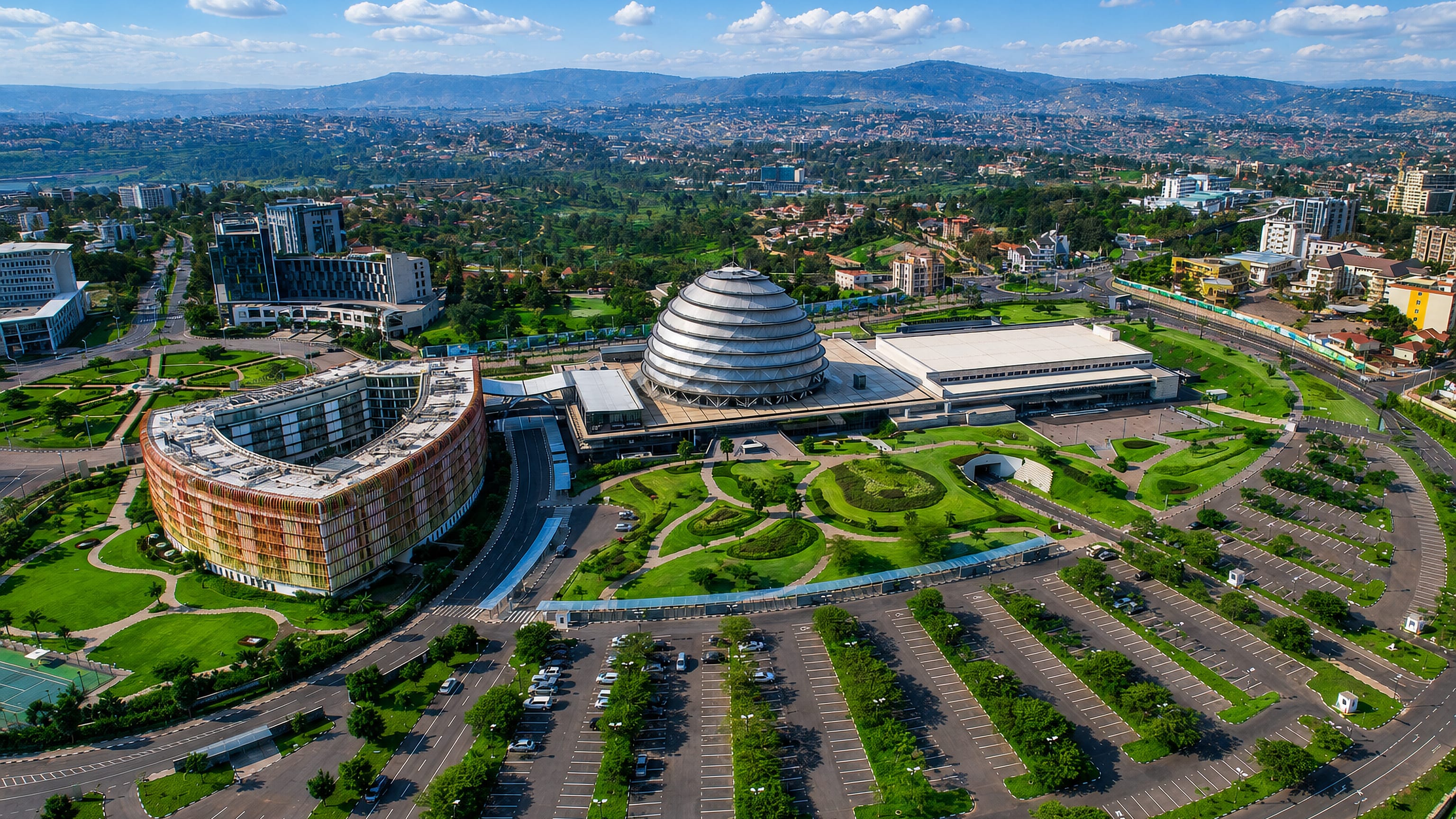
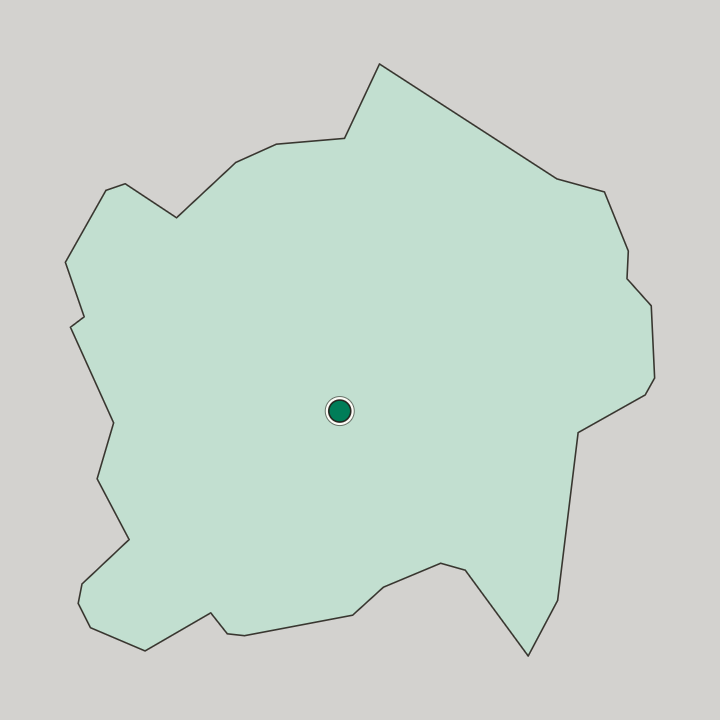
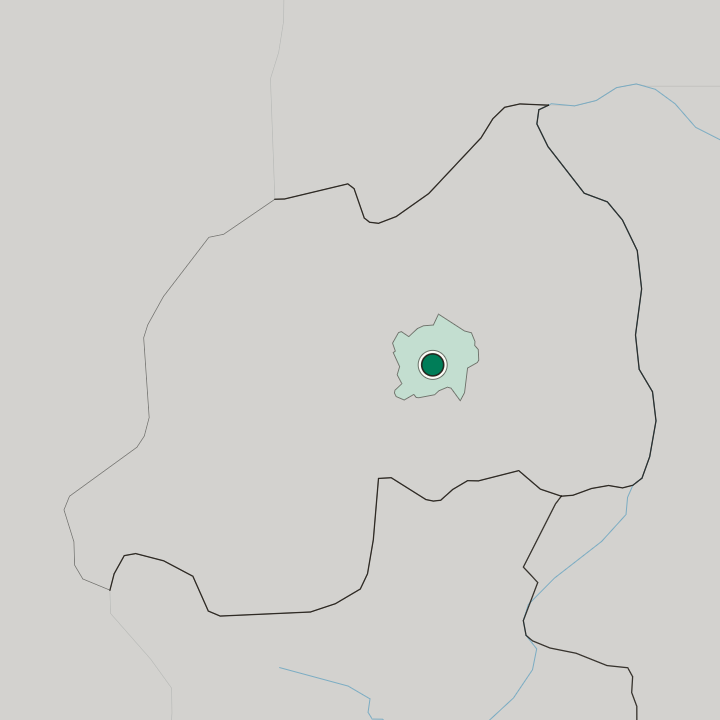
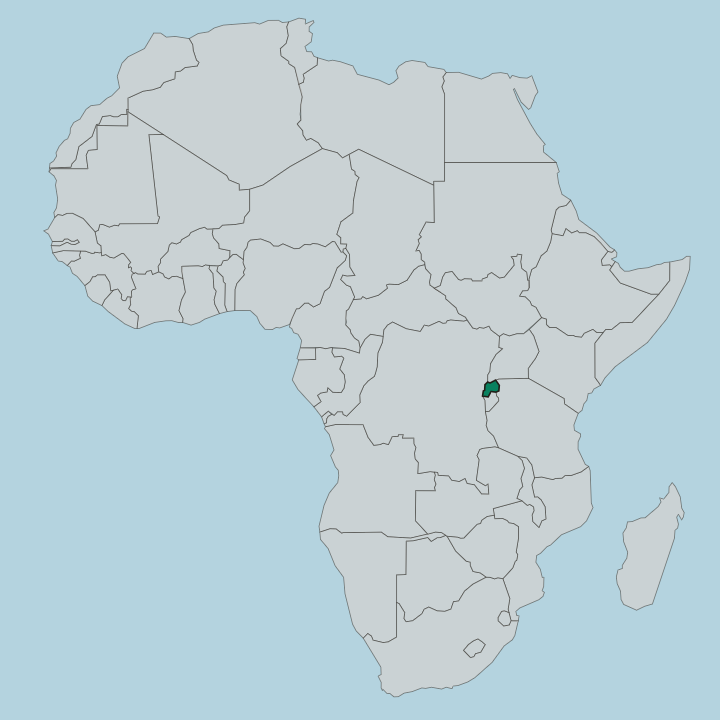
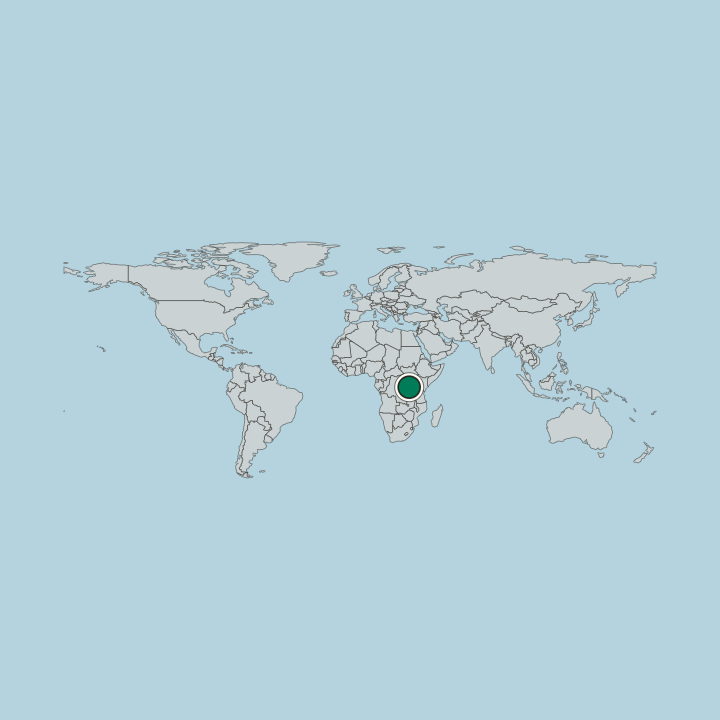
Kigali is the capital and largest city of Rwanda, a young hill city near the country's geographic centre and the seat of Kigali Province.
Hotel links are affiliate links: booking through them may earn us a commission, at no extra cost to you. It never affects how places are ranked. How this works


Where to stay in Kigali
The right area depends on your trip — here's what each neighbourhood is best for.

 KigaliRwanda
Nyarugenge
Nyarugenge names both a sector and the district around it, an umurenge of a little over four square kilometres in the City of Kigali, Rwanda.Where to stay → KigaliRwanda
Muhima
Muhima is an umurenge of Nyarugenge District, a sector of some three square kilometres in the west part of the City of Kigali, Rwanda.Where to stay →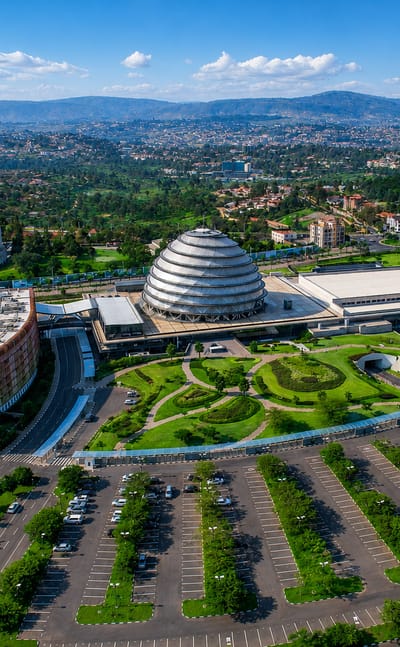 KigaliRwanda
Gitega
Gitega is an umurenge in the southwest part of Kigali, a small sector of the Nyarugenge District holding the Kandt House Museum.Where to stay → KigaliRwanda
Nyamirambo
Nyamirambo is a sector, or umurenge, of Nyarugenge District in the City of Kigali, Rwanda, covering some 8.7 square kilometres.Where to stay →Hotel links are affiliate links: booking through them may earn us a commission, at no extra cost to you. It never affects how places are ranked. How this works
Find hotels in Kigali
Direct booking searches for these neighbourhoods.
Central ridges
The city-centre ridges of Kigali gather the commercial core and the government quarters within one climb, keeping the Rwanda Art Museum and the Kandt House Museum within reach.Find hotels in Central ridgestravellers who want reflective, low-key rooms close to Kigali's memorial sites rather than the central commercial ridgesMemorial-hill slopes
The quieter slopes near the Kigali Genocide Memorial keep a calmer base a valley away from the busiest ridges of central Kigali.Find hotels in Memorial-hill slopesHotel links are affiliate links: booking through them may earn us a commission, at no extra cost to you. It never affects how places are ranked. How this works
Things to do in Kigali
Ranked by global recognition; descriptions from Wikidata (CC0).
Museums & Galleries
3- Kigali Genocide Memorial UNESCO
- Campaign Against Genocide Museum
- Kandt House Museum
Churches & Religious Sites
1- Sainte-Famille Church
Castles & Historic Sites
3- Anti-corruption Monument of Rwanda
- Campaign Against Genocide Monument
- Monument of a soldier on one knee holding a gun
Landmarks & Notable Places
1- Santa Columbus Apartment
worth knowingacross 4 categories in Kigali
About Kigali
What is Kigali known for?
Kigali is known above all as Rwanda's dominant capital. It is the centre of political and commercial life, and few travellers reach the country without passing through it first. The memorials mark it too.
The Kigali Genocide Memorial and the Campaign Against Genocide Museum sit among the hills alongside the Rwanda Art Museum and the older Kandt House Museum, so the city is remembered both as a fast-developing showpiece capital and as the place that holds Rwanda's central sites of remembrance.
What are the main landmarks in Kigali?
Remembrance shapes the map of Kigali. The Kigali Genocide Memorial is the city's signature site, joined by the Campaign Against Genocide Museum, the Rebero Genocide Memorial, and the Memorial of Belgian Peacekeepers among the hills. Faith and culture have their landmarks as well.
Sainte-Famille Church stands among the older buildings, while the Kandt House Museum and the Rwanda Art Museum hold the city's colonial-era and artistic collections, giving Kigali a set of memorial, religious, and museum landmarks spread across its ridges and valleys.
What is the history of Kigali?
Kigali was founded in 1907 as a German administrative outpost near the centre of what is now Rwanda. For decades it stayed a minor administrative centre, secondary to Huye, where the main administrative focus of the territory then lay. The turning point came at independence.
When Rwanda became independent in 1962 the city was made the national capital, and the administrative weight shifted away from Huye onto Kigali's hills, setting the young town on the path to becoming the country's primate city. That colonial beginning is still legible in the fabric. The Kandt House Museum occupies the residence of the German founder from those first years, and Sainte-Famille Church dates to the older layers of the growing town.
More recent memory is held by the memorial sites. Anchored by the Kigali Genocide Memorial and the Campaign Against Genocide Museum, the way the capital records its history gives Kigali the double reading, across its ridges, of a young administrative capital and a centre of national remembrance.
Where is Kigali?
Kigali sits near the geographic centre of Rwanda, spread across a landscape of rolling hills. Valleys and ridges run through the city, connected by steep slopes, so its quarters climb and dip rather than resting on any level ground. The hills set the rhythm.
Neighbourhoods drape over separate ridges and the valleys divide them, giving Kigali the up-and-down grain of the surrounding Kigali Province and placing it at the middle point from which the rest of Rwanda spreads outward.
What is the climate of Kigali?
Kigali has a tropical setting softened by its height. The city stands on hills well above sea level near the centre of Rwanda, and that elevation tempers the equatorial warmth into something milder across its ridges and valleys. High ground eases the heat.
Over the rolling hills of Kigali the days stay warm rather than harsh, the same upland tropical character shared with the slopes of the surrounding Kigali Province.
How do you get to Kigali?
Kigali is the gateway hub for the whole of Rwanda. As the dominant city, it is the point almost every visitor passes through, and few reach the country without arriving here first. It is the natural entry point.
Roads run out from the central hills over the ridges and down the valleys toward the rest of the country, so Kigali serves as the base from which travellers spread into Kigali Province and beyond into Rwanda.
Common questions
What is the best area to stay in Kigali?
Central ridges: first-time visitors who want Kigali's business, government, and museum core on the central hills of the capital. Memorial-hill slopes: travellers who want reflective, low-key rooms close to Kigali's memorial sites rather than the central commercial ridges.
Good for
Updated October 2026