
Sudan
Khartoum, Sudan — Towns & Travel Guide
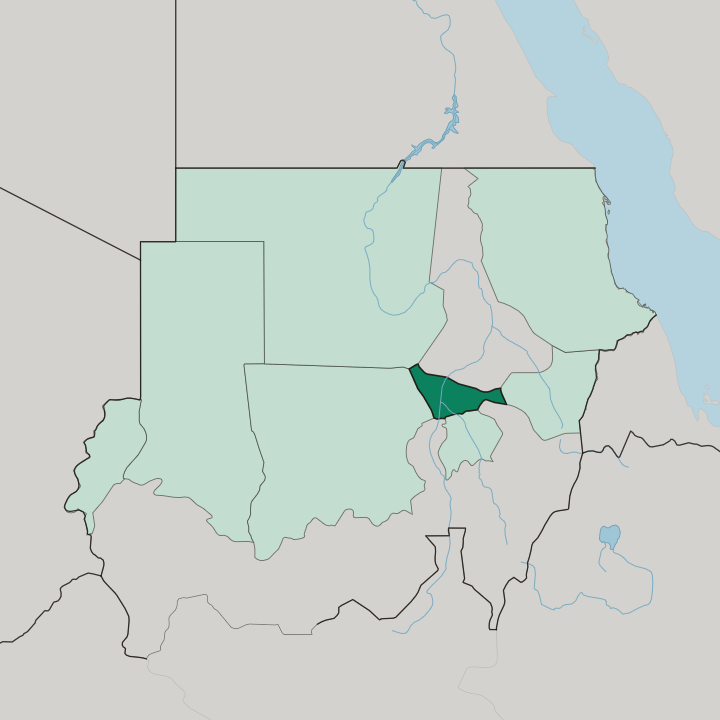
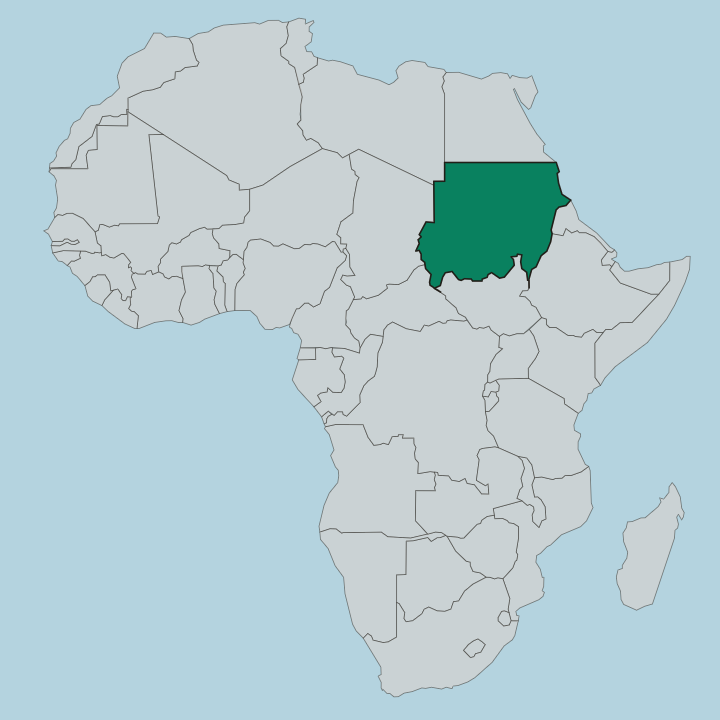
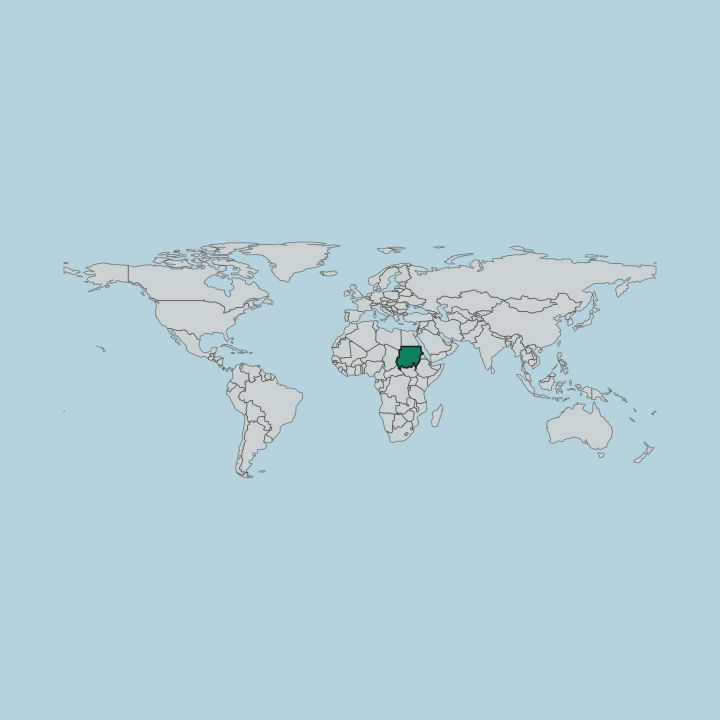
Khartoum State is the region of Sudan around the Nile confluence, holding the capital Khartoum with Bahri and Omdurman along the Blue and White Niles.
Hotel links are affiliate links: booking through them may earn us a commission, at no extra cost to you. It never affects how places are ranked. How this works


Towns & cities in Khartoum
Pick a town or city — each links to where to stay.

 Sudan
Sudan
Khartoum
Two rivers meet at Khartoum, the capital of Sudan where the Blue Nile and White Nile join to form the Nile, spread across Khartoum, Bahri and Omdurman.Where to stay →
 Sudan
Sudan
Omdurman
Omdurman stands on the west bank of the River Nile opposite Khartoum, Sudan's second city and the road hub of the State of Khartoum.Where to stay →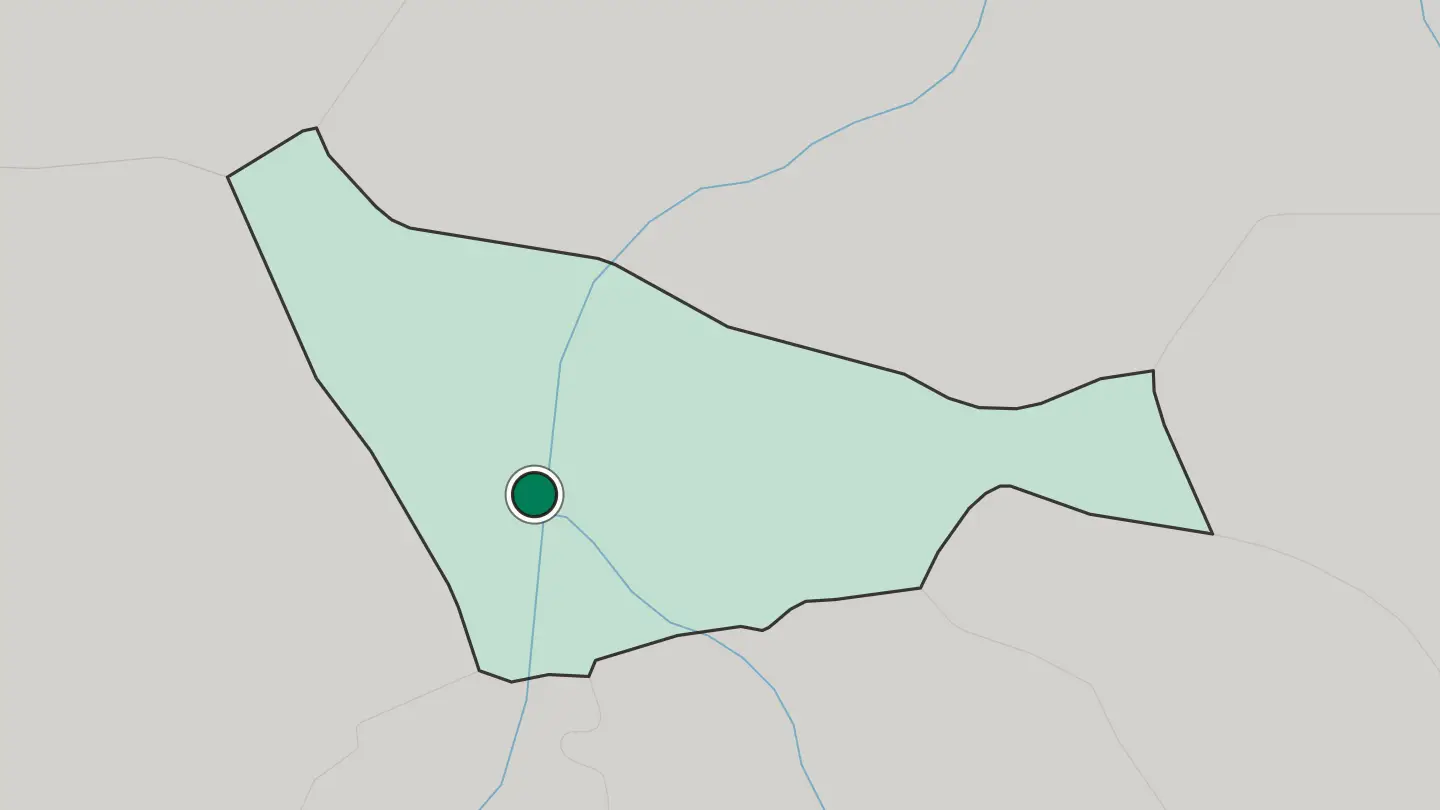
 Sudan
Sudan
Khartoum North
Khartoum North, also written Khartoum Bahri or simply Bahri, is a city in Khartoum State standing north of Khartoum, the capital of Sudan.Where to stay →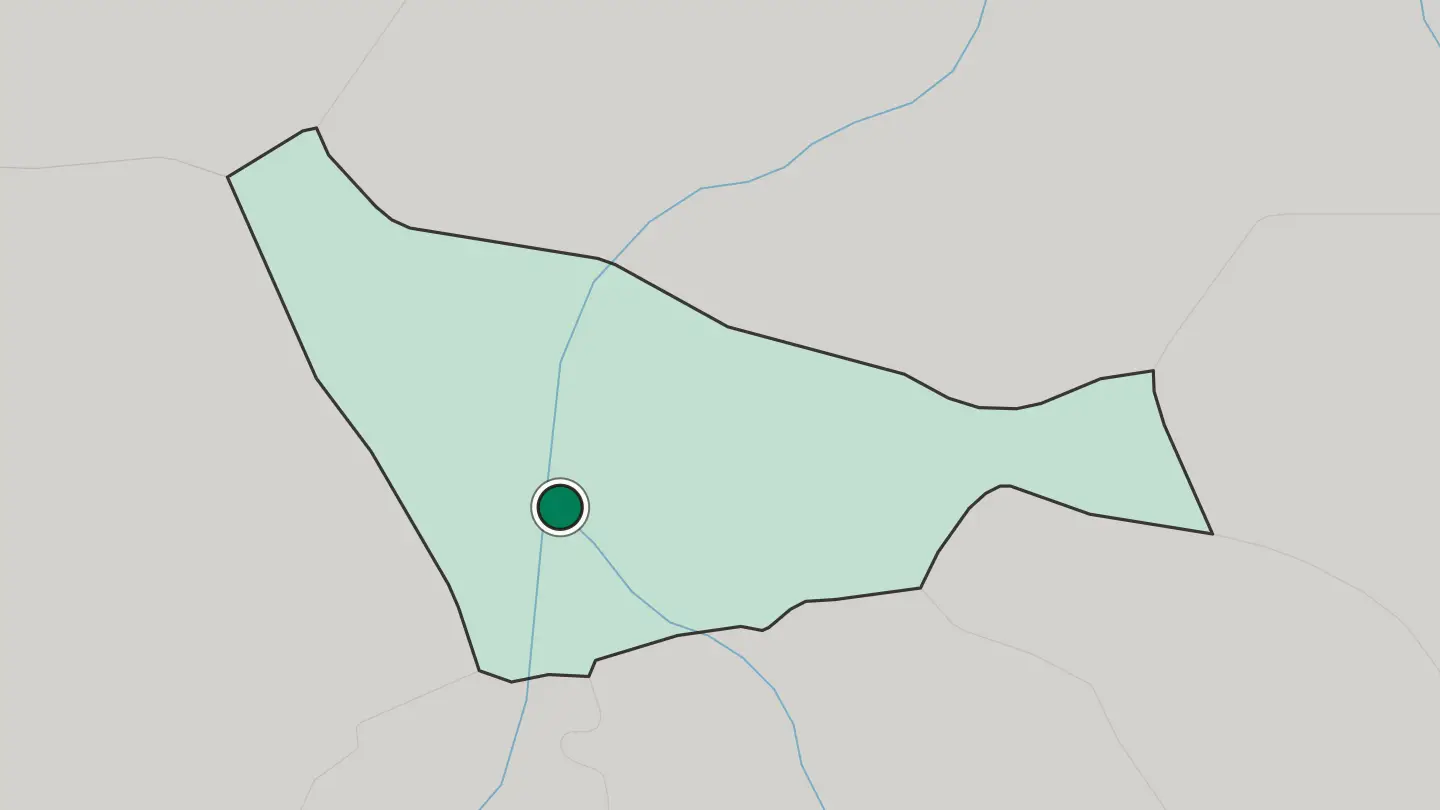
Hotel links are affiliate links: booking through them may earn us a commission, at no extra cost to you. It never affects how places are ranked. How this works
About Khartoum
What is Khartoum known for?
Khartoum State is known above all for holding the Nile confluence, the point where the Blue Nile and the White Nile join. Its defining anchor is the three-city cluster gathered there. The capital Khartoum, Bahri, and Omdurman all fall within this region of Sudan, split among the river's arms.
That watery junction, Al-Mogran, marks the region's heart. Beyond the built-up core, the state spreads out as the surrounding land of the Nile corridor.
Where is Khartoum?
Khartoum State takes its shape from the Nile. The region gathers around the point where the Blue Nile and the White Nile merge into the single Nile, a confluence named Al-Mogran. That junction sits just north of the bridge between Khartoum and Omdurman, and it organises the whole state.
The rivers cut the core into three parts. The Blue Nile runs between Khartoum and Bahri, the White Nile between Khartoum and Omdurman, and the merged Nile flows on between Bahri and Omdurman toward the north. Around this three-city hinge, the region of Sudan spreads across the flat land of the Nile corridor, tropical in setting and shaped by the seasonal pulse of the two great tributaries.
Water is the region's frame. Every bank belongs to one of the three cities, and the Al-Mogran meeting of the waters remains the fixed centre from which the rest of Khartoum State reads outward.
What is Khartoum like?
Khartoum State carries the shared culture of a three-city region built on the Nile. Arabic is its language. Life across the state turns on the relationship between the capital Khartoum and its two river partners, each contributing its own texture to the whole.
Omdurman holds the older, more traditional Sudanese identity of the region, the western city across the White Nile with the deepest local roots. Khartoum proper brings the civic and administrative layer, the capital of Sudan set on the wedge between the two Niles. Bahri, over the Blue Nile, rounds out the trio to the north.
The confluence at Al-Mogran binds them into one cultural sphere, so the everyday rhythm of the state is a crossing rhythm, moving between banks and cities along the rivers. This is a river culture. The Nile is not a backdrop here but the organising thread of regional life, from the water's edge inward across Khartoum State.
What is the history of Khartoum?
Khartoum State grew as an administrative region around the Nile confluence. The meeting of the Blue Nile and the White Nile made this a natural gathering place. Omdurman carries the older Sudanese layer of the story, while the capital Khartoum became the seat of government for the wider country and drew the machinery of administration to its side of the water.
The rivers set the frame. Over time the three cities knit into one region of Sudan, bound by the crossings over the two Niles and centred on the junction at Al-Mogran.
What is the climate of Khartoum?
Khartoum State has a hot desert climate, lying well within the tropics along the Nile. Heat dominates. Long, dry, intensely hot stretches run through most of the year across the region, with a short rainy break arriving in high summer when the Blue Nile and White Nile run at their fullest.
Clear, sunbaked skies are the norm. Winters ease into warm rather than cold, and the two Niles carry their seasonal flood rhythm through the whole state.
How do you get to Khartoum?
Khartoum State is the transport centre of Sudan, and its hub city Khartoum is the arrival point for the whole region. Roads and rail lines from across the country converge here. Inside the region, getting around means crossing the rivers, because bridges span the Blue Nile toward Bahri and the White Nile toward Omdurman to link the three cities of the state.
Rivers decide the routes. The Nile confluence at Al-Mogran is the landmark that orients them all.
Common questions
What is the best area to stay in Khartoum?
Khartoum city core: Central stays beside the Nile confluence. Omdurman side: Traditional Sudanese character across the White Nile.
More regions in Sudan
Updated September 2026