Sudan · Khartoum
Where to Stay in Omdurman, Khartoum
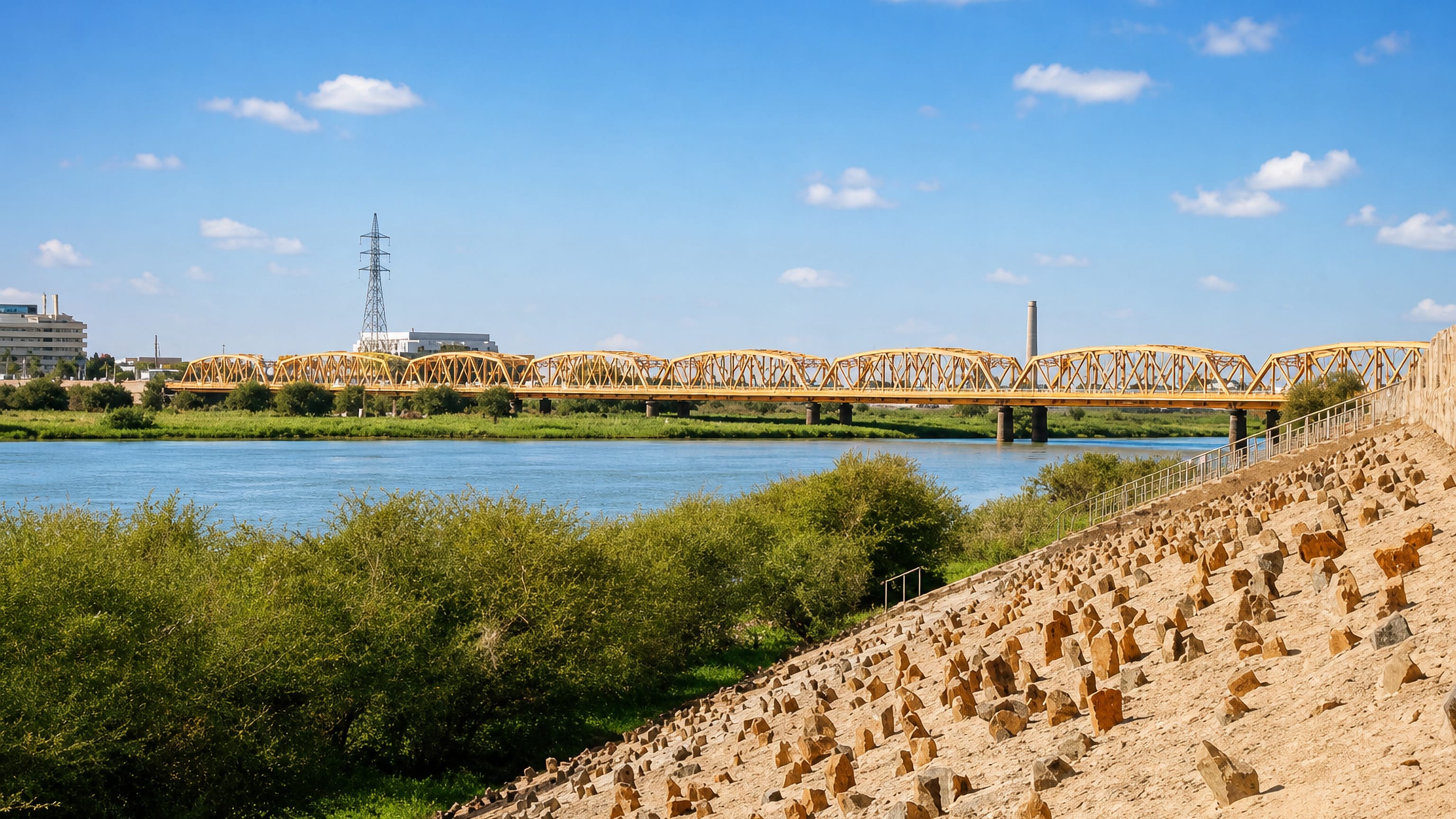
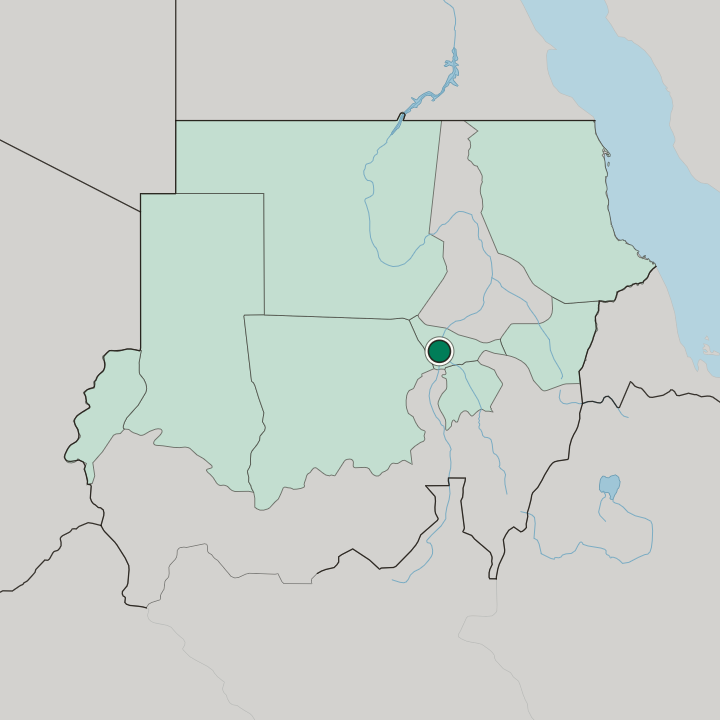
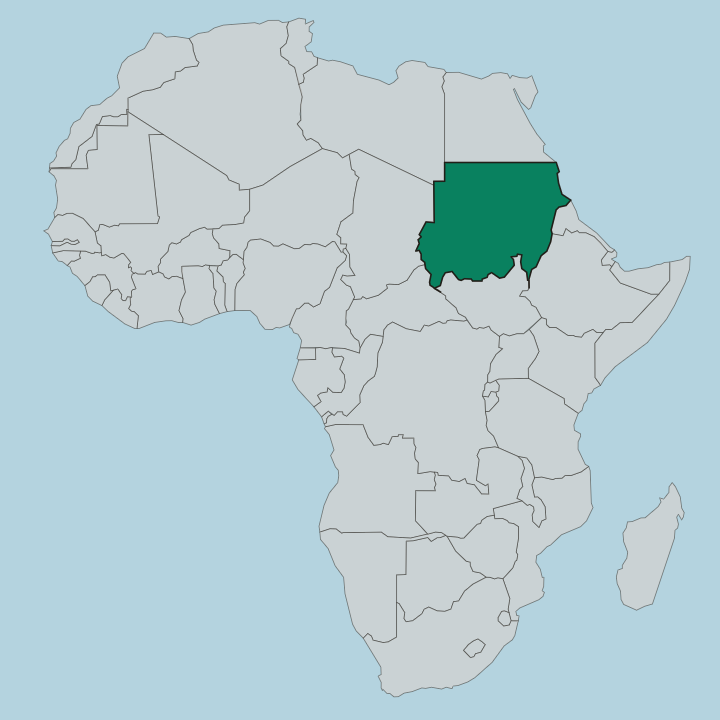
Omdurman stands on the west bank of the River Nile opposite Khartoum, Sudan's second city and the road hub of the State of Khartoum.
Hotel links are affiliate links: booking through them may earn us a commission, at no extra cost to you. It never affects how places are ranked. How this works


Where to stay in Omdurman
Where the beds are, and what that means for the visit.
Omdurman is one half of a pair. The city faces Khartoum across the River Nile, so a stay here is a decision about which bank to sleep on before it is a decision about which street, and the crossings matter as much as the address. Water gives the first option.
Nile Street, Sudan runs along the bank, and rooms near it give the river, the road along it and the view toward the capital without putting a visitor far from anything else the city lists. Museums cluster on the other side of the choice. The Khalifa House Museum, the National Museum of Sudan and متحف التاريخ الطبيعي السودان are what most visitors to Omdurman actually plan around, and a bed near them makes the day walkable rather than a sequence of drives.
Match days change everything. Stade de Omdurman pulls crowds in from across the State of Khartoum, and staying near the ground is worth more on a fixture weekend than any amount of central convenience. The city is not small.
Omdurman spreads over some 615 square kilometres of the west bank, so the difference between a good and a poor address is measured in real distance here, not in a few minutes of walking.
Find hotels in Omdurman
Direct booking searches for these neighbourhoods.
Nile Street
Nile Street, Sudan runs along Omdurman's own side of the River Nile, and a room on it keeps the water and the crossings toward Khartoum in sight from the door.Find hotels in Nile StreetMuseum days that open at the Khalifa House MuseumAround the Khalifa House Museum
The Khalifa House Museum and the National Museum of Sudan anchor the visiting side of Omdurman, and beds near them turn a museum itinerary into a morning on foot.Find hotels in Around the Khalifa House MuseumFixtures at Stade de OmdurmanBy Stade de Omdurman
Stade de Omdurman draws crowds from across the State of Khartoum, and a room on that side of the city spares a visitor the long haul back once the ground empties. Beds are limited here, so book early.Find hotels in By Stade de OmdurmanHotel links are affiliate links: booking through them may earn us a commission, at no extra cost to you. It never affects how places are ranked. How this works
About Omdurman
Museums hold the record here.
What is Omdurman known for?
The National Museum of Sudan, the Khalifa House Museum and the Ethnological Museum of Khartoum are all listed for Omdurman, which gives the city a documentary weight unusual for a place with no founding date on file. Football fills Stade de Omdurman. Between the stadium, the Greek Orthodox Church of the Annunciation and متحف التاريخ الطبيعي السودان, the city's named sites run from sport to natural history without a single obvious centrepiece.
What are the main landmarks in Omdurman?
Nine sites carry the list. Two of them are place names rather than buildings, Kadero and Khor Abu Anga, and they sit alongside the Khalifa House Museum and the National Museum of Sudan on the record for Omdurman. The rest are various.
Stade de Omdurman covers the sporting side, while the Greek Orthodox Church of the Annunciation, متحف التاريخ الطبيعي السودان and the Ethnological Museum of Khartoum fill out a list with no single monument at its head.
What is the history of Omdurman?
Nobody set down when Omdurman began. What Omdurman has instead is a position, on the west bank of the River Nile directly opposite Khartoum, which is the fact that explains almost everything else about the city. Two names, one river. أم درمان and the capital face each other across the water inside the State of Khartoum, and the road hub the city became follows from that pairing rather than from any charter of its own.
The past is kept in cases here. The Khalifa House Museum, the National Museum of Sudan and the Ethnological Museum of Khartoum all appear on the city's record, which is an unusual concentration and the clearest sign that Omdurman has been the place where Sudan's history is collected. Ground far older than that survives here.
Kadero and Khor Abu Anga are named in the same record without a date attached, and neither is a museum nor a monument, which leaves them as the two entries a visitor has to ask about locally. The church is a later note. The Greek Orthodox Church of the Annunciation appears on the same list as the museums and the stadium, which is as much as the record says about a city whose written history is thinner than its collections.
Where is Omdurman?
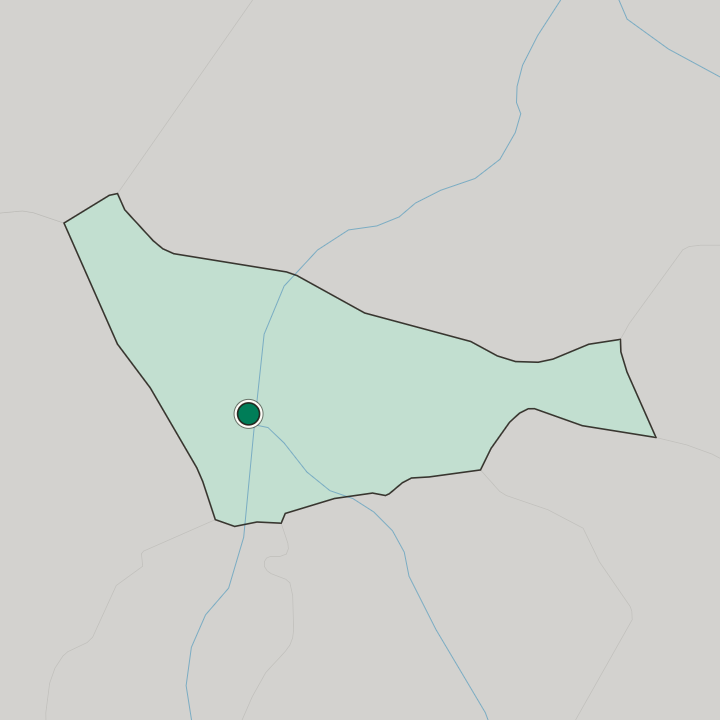
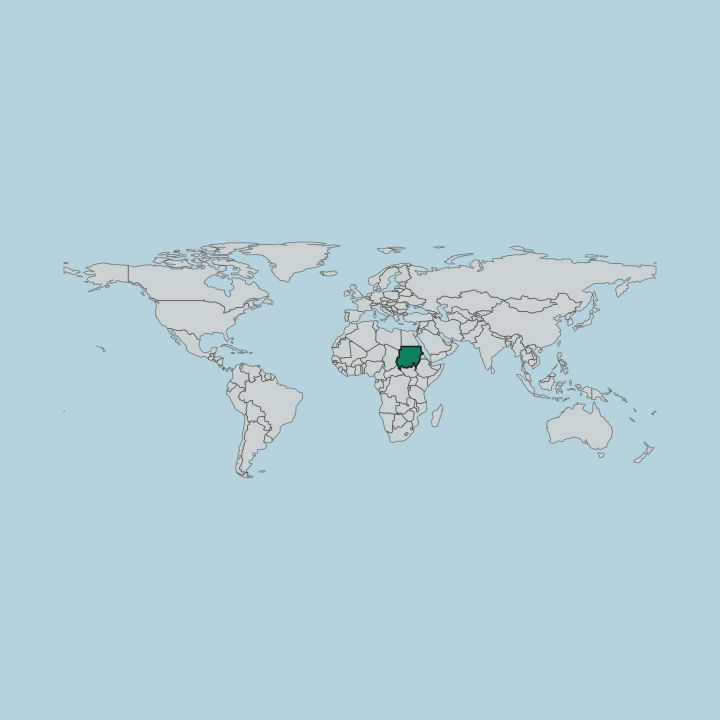
The River Nile draws the boundary. Omdurman occupies the west bank, opposite and northwest of Khartoum, and the water is both the city's edge and the reason the site was worth settling at all. Its ground is broad.
Some 615 square kilometres fall inside the city, spread back from the bank in the tropical band north of the equator, which is why Nile Street, Sudan matters as an orientation point in a place with few natural ones.
What is the climate of Omdurman?
Only the river softens it. Omdurman lies in the tropical band north of the equator with no coast in its record, and the River Nile is the single feature that tempers a setting otherwise open to whatever the season brings. Heat runs the calendar.
Visits to Kadero, Khor Abu Anga and the open ground along the bank are far easier outside the hottest stretch, while the museums of أم درمان give the middle of the day somewhere to be.
How do you get to Omdurman?
Roads converge on this city. Omdurman works as an important road hub for Sudan, and arrivals overwhelmingly come by road rather than by any other means the record names. The River Nile adds to it.
Traffic between the west bank and Khartoum crosses the water constantly, so getting into أم درمان usually means threading the capital's approaches first, and Nile Street, Sudan is the line most journeys end on.
Common questions
What is the best area to stay in Omdurman?
Nile Street: Waterfront rooms facing the River Nile and the Khartoum bank. Around the Khalifa House Museum: Museum days that open at the Khalifa House Museum. By Stade de Omdurman: Fixtures at Stade de Omdurman.
Good for
More cities in Khartoum
Updated October 2026