
Slovakia: Regions, Cities & Travel Guide
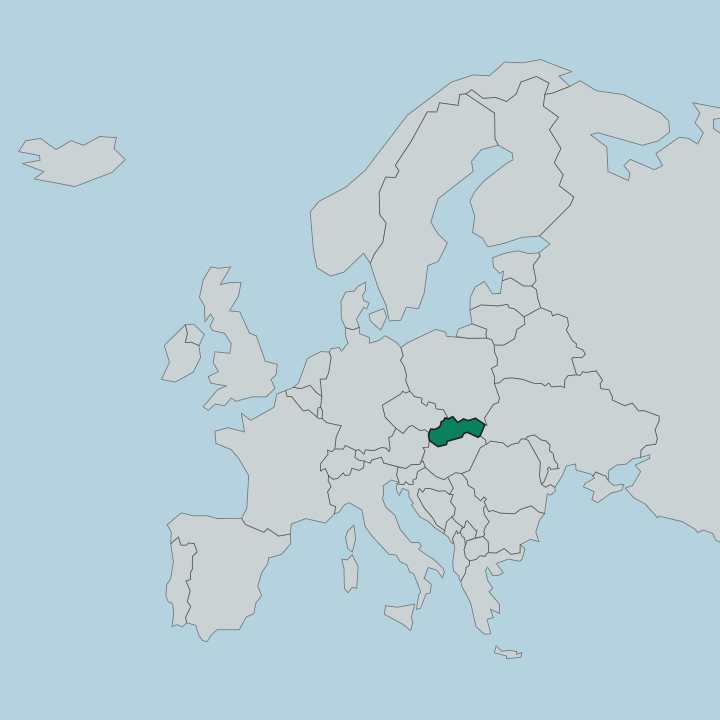
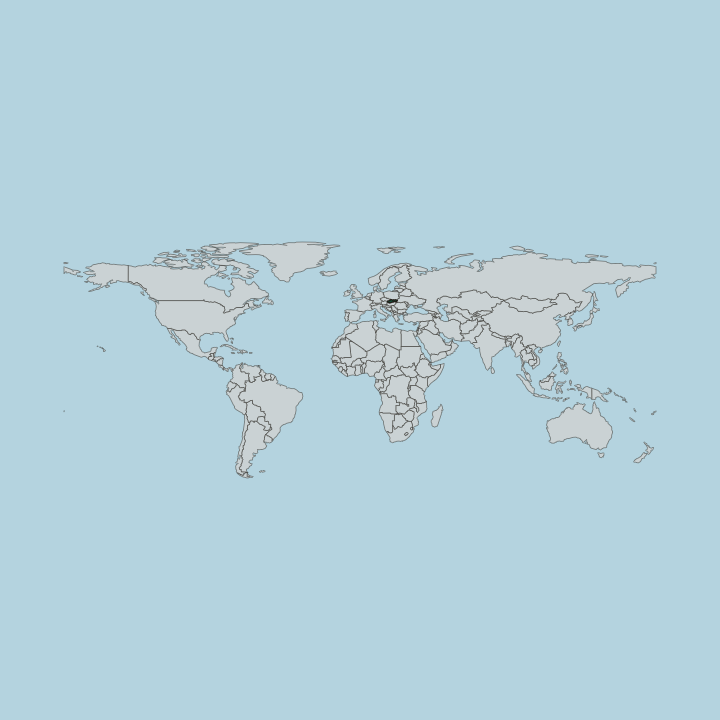
Slovakia is a landlocked country in Central Europe, ringed by the Carpathians, with Bratislava on the Danube as its capital.
Hotel links are affiliate links: booking through them may earn us a commission, at no extra cost to you. It never affects how places are ranked. How this works


Top destinations in Slovakia
Cities to start from, then drill into areas and hotels.
 Slovakia
Bratislava
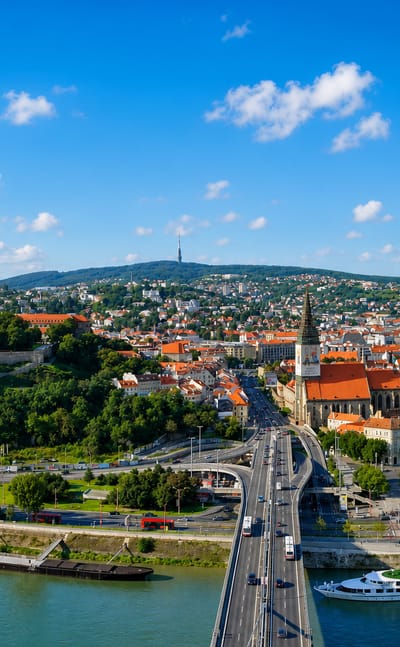
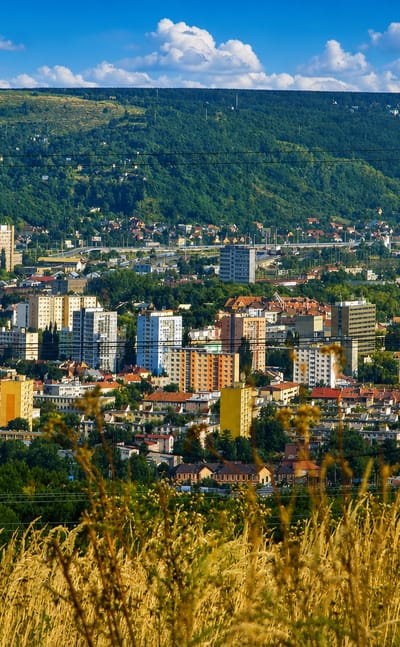
Bratislava Castle crowns the hill above the Danube, marking Slovakia's capital, a city of coronation churches, medieval gates, and riverside promenades.Where to stay →
 Slovakia
Košice
The great Cathedral of St. Elizabeth rises over Košice, the largest city in eastern Slovakia, set on the river Hornád below the Slovak Ore Mountains.Where to stay →
 Slovakia
Trnava
Trnava is a historic walled city in western Slovakia, long the seat of the Hungarian church and famed for its many churches.Where to stay →
 Slovakia
Banská Bystrica
Banská Bystrica is an old copper-mining city in the mountains of central Slovakia, cradle of the Slovak National Uprising.Where to stay →
 Slovakia
Nitra
Nitra is one of the oldest cities of Slovakia, a castle town below Zobor hill and an ancient seat of the church.Where to stay →
 Slovakia
Žilina
Žilina is a historic city in northwestern Slovakia, at the confluence of the Váh and the Kysuca below the Malá Fatra mountains.Where to stay →
 Slovakia
Prešov
Prešov is the third city of Slovakia, a historic town of the Šariš region on the Torysa river, known for its long medieval square and its old salt works.Where to stay →
 Slovakia
Trenčín
Trenčín is a historic city on the Váh in western Slovakia, crowned by a great castle above a Roman inscription cut in its rock.Where to stay →
 Slovakia
Martin
Martin is a town in the Turiec basin of northern Slovakia, long the heart of Slovak national culture.Where to stay →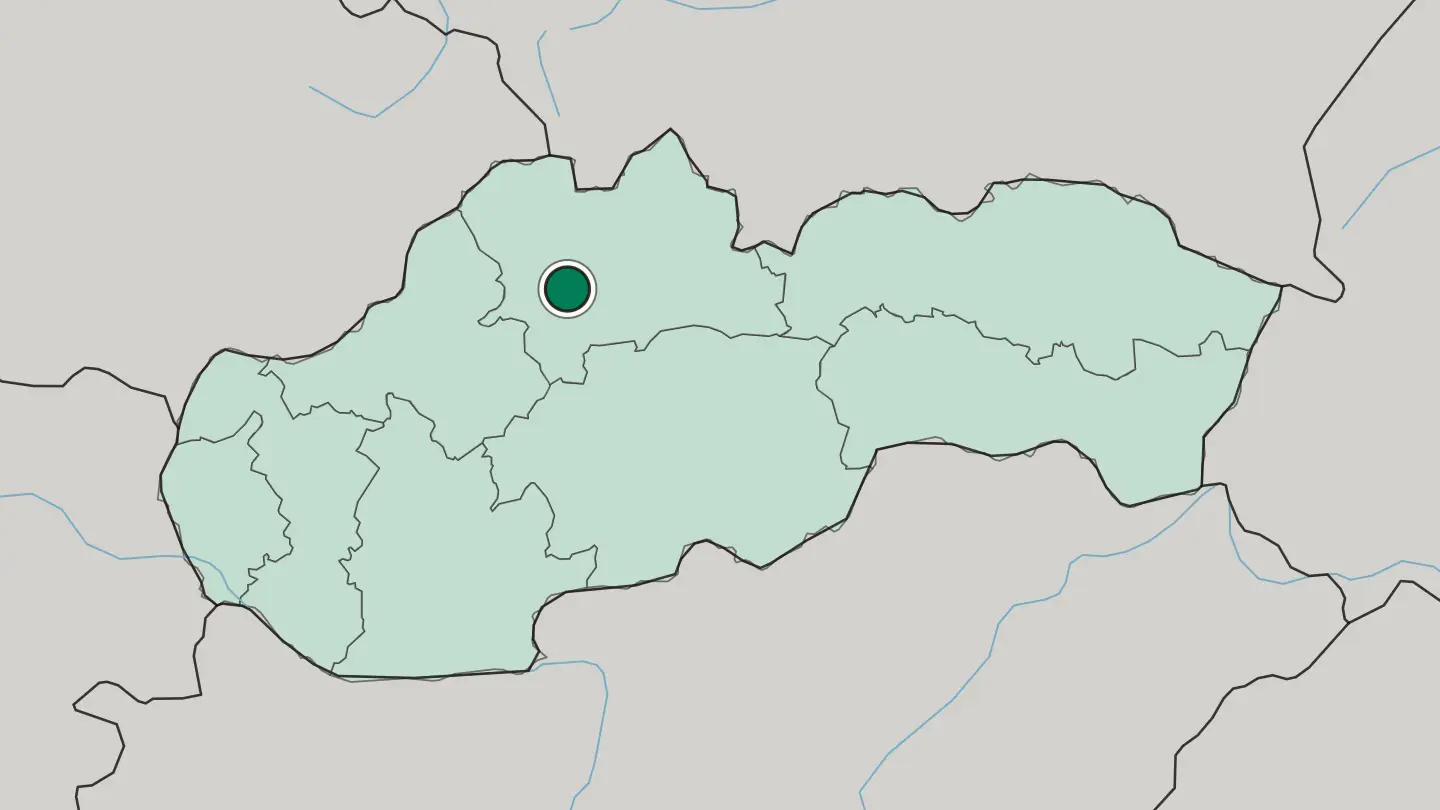
Hotel links are affiliate links: booking through them may earn us a commission, at no extra cost to you. It never affects how places are ranked. How this works
Regions of Slovakia
Slovakia
Banska Bystrica
Banská Bystrica Region is the largest of Slovakia's eight regions, spread between the Low Tatras, the Great Fatra and Poľana.Towns & cities →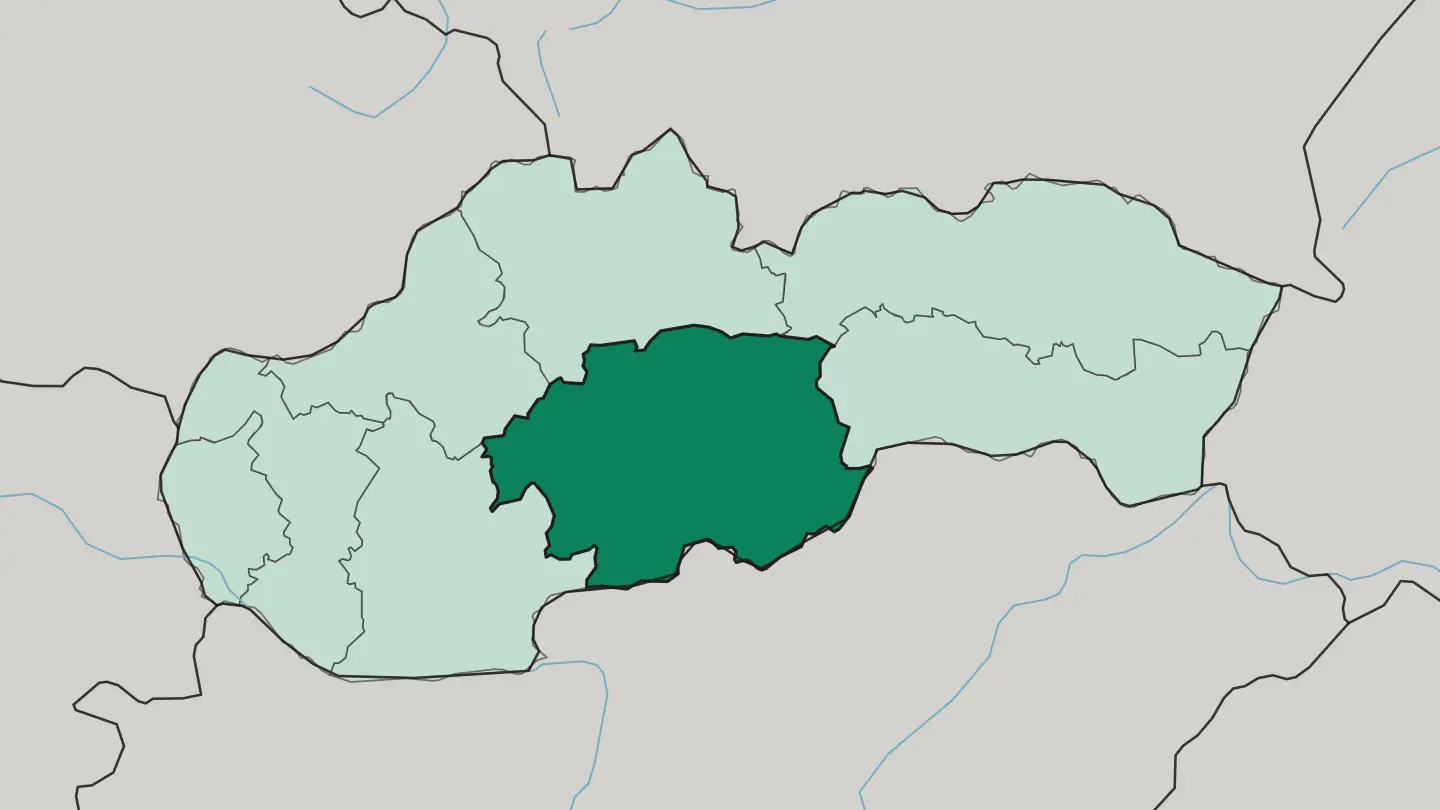 Slovakia
Bratislava
Bratislava, the Bratislavský kraj, is the region around Slovakia's capital, drawn along the Danube where the country meets its western neighbours.Towns & cities →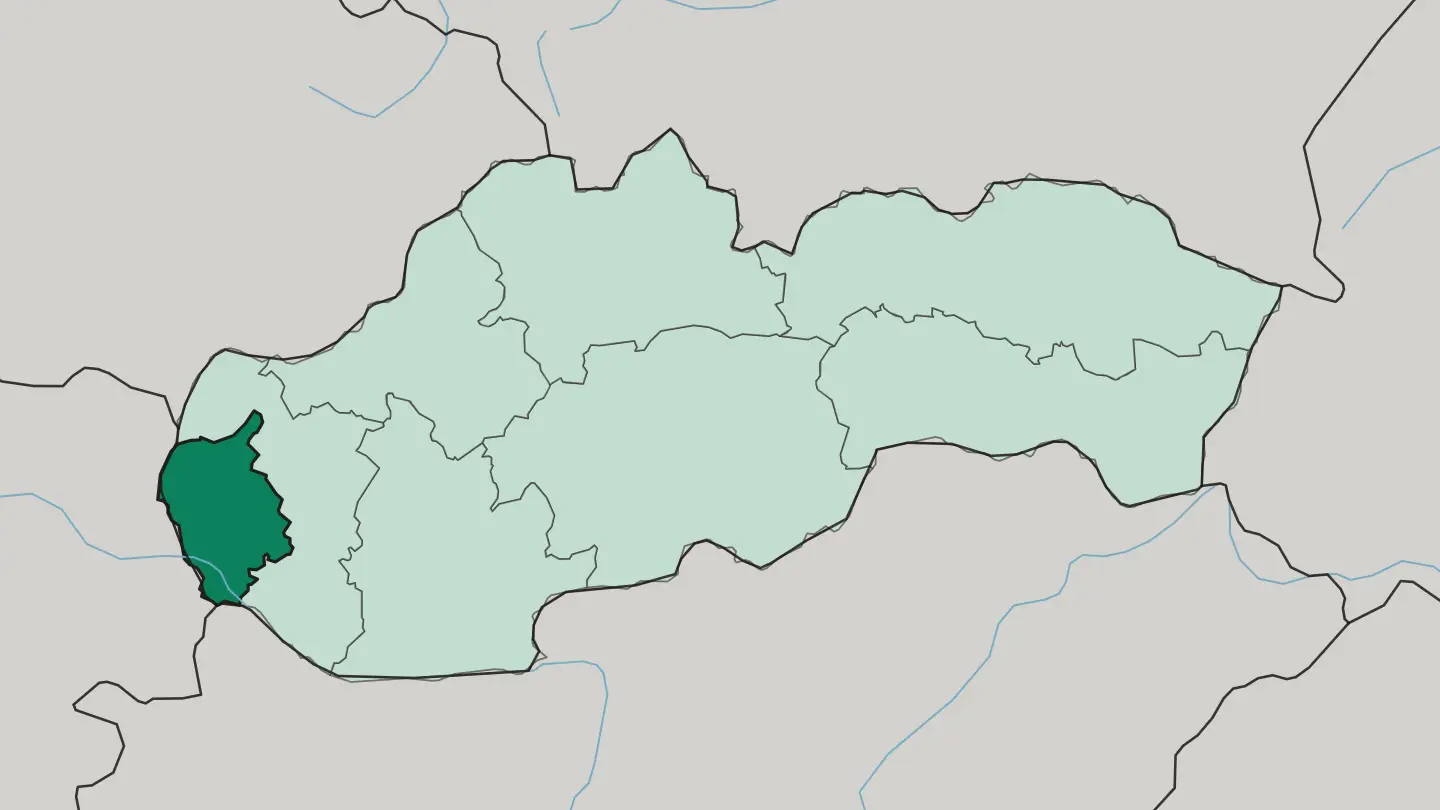 Slovakia
Kosice
The river Hornád threads the Kosice region, an administrative region of Slovakia below the Slovak Ore Mountains, near the borders with Hungary and Ukraine.Towns & cities →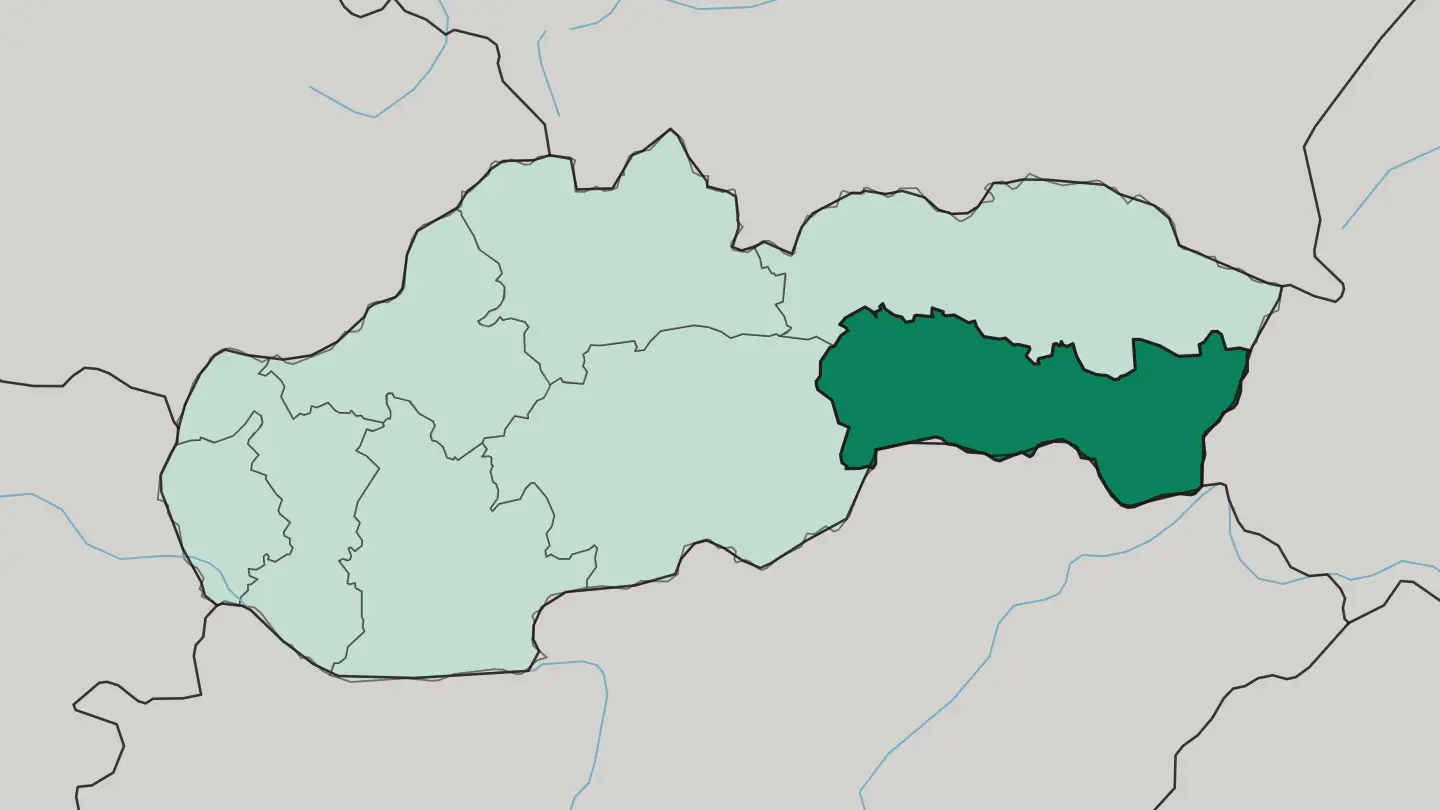 Slovakia
Nitra
Nitra is one of the eight administrative regions of Slovakia, farming country of seven districts with the city of Nitra as its seat.Towns & cities →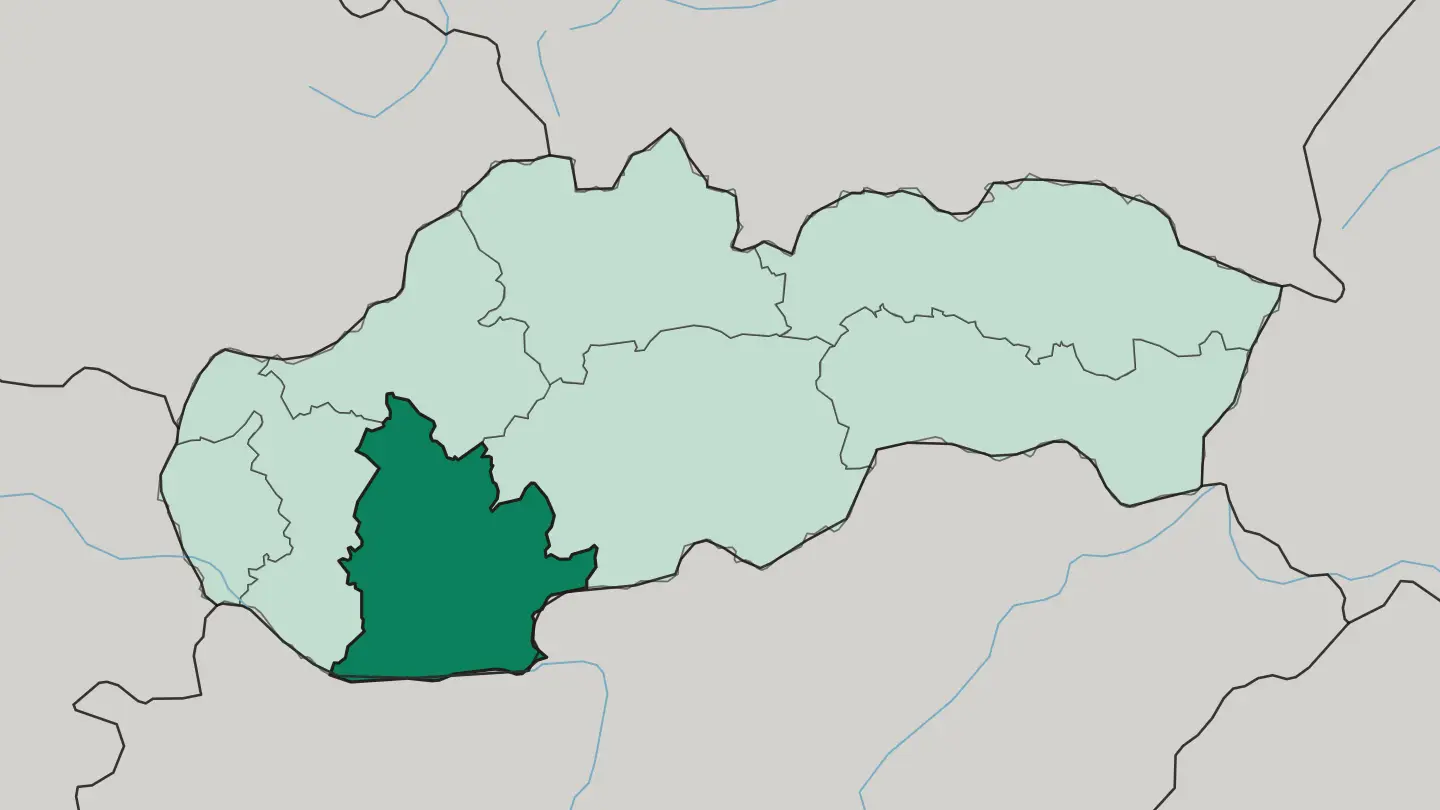 Slovakia
Presov
Prešov is the most populous of Slovakia's eight regions, thirteen districts and 666 municipalities under a seat city of the same name.Towns & cities →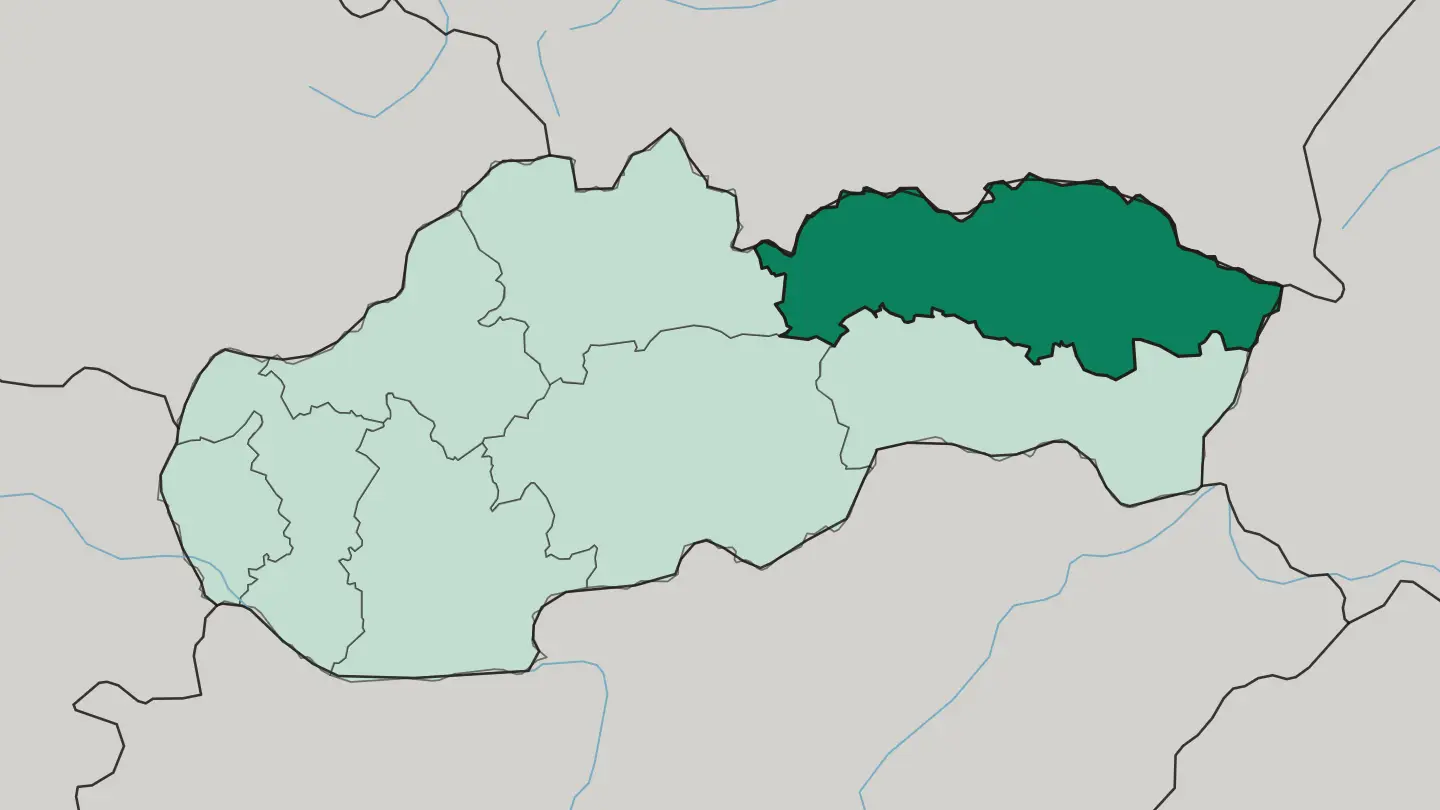 Slovakia
Trencin
Trenčín is a Slovak administrative region of nine okresy, an industrial kraj established in 1996 and named for the city at its centre.Towns & cities →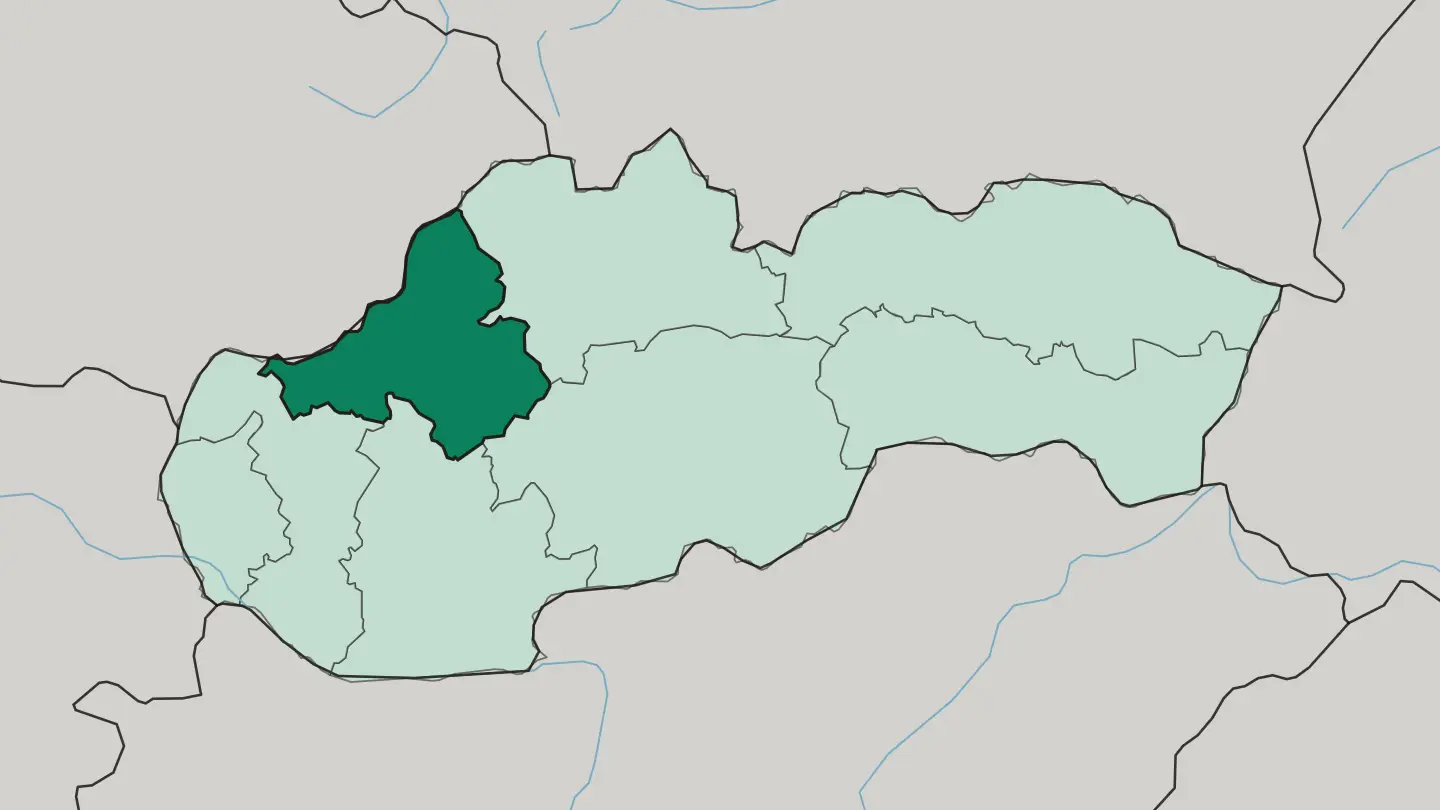 Slovakia
Trnava
Trnava is a densely settled Slovak region of 251 municipalities, split from the old Bratislava Region in 1996.Towns & cities →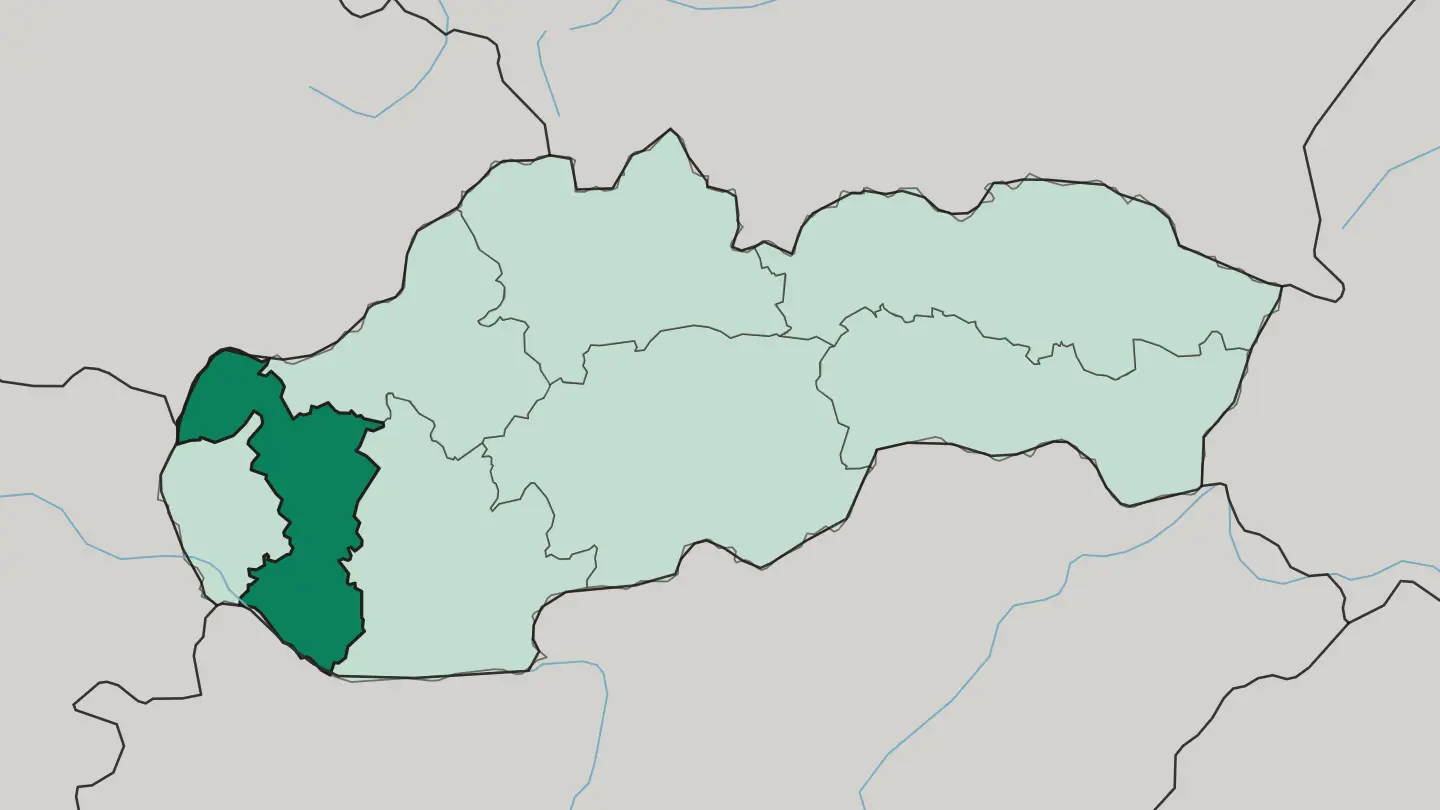 Slovakia
Zilina
Žilina is a mountainous kraj of eleven okresy in Slovakia, holding the Little Fatra range and the cultural town of Martin.Towns & cities →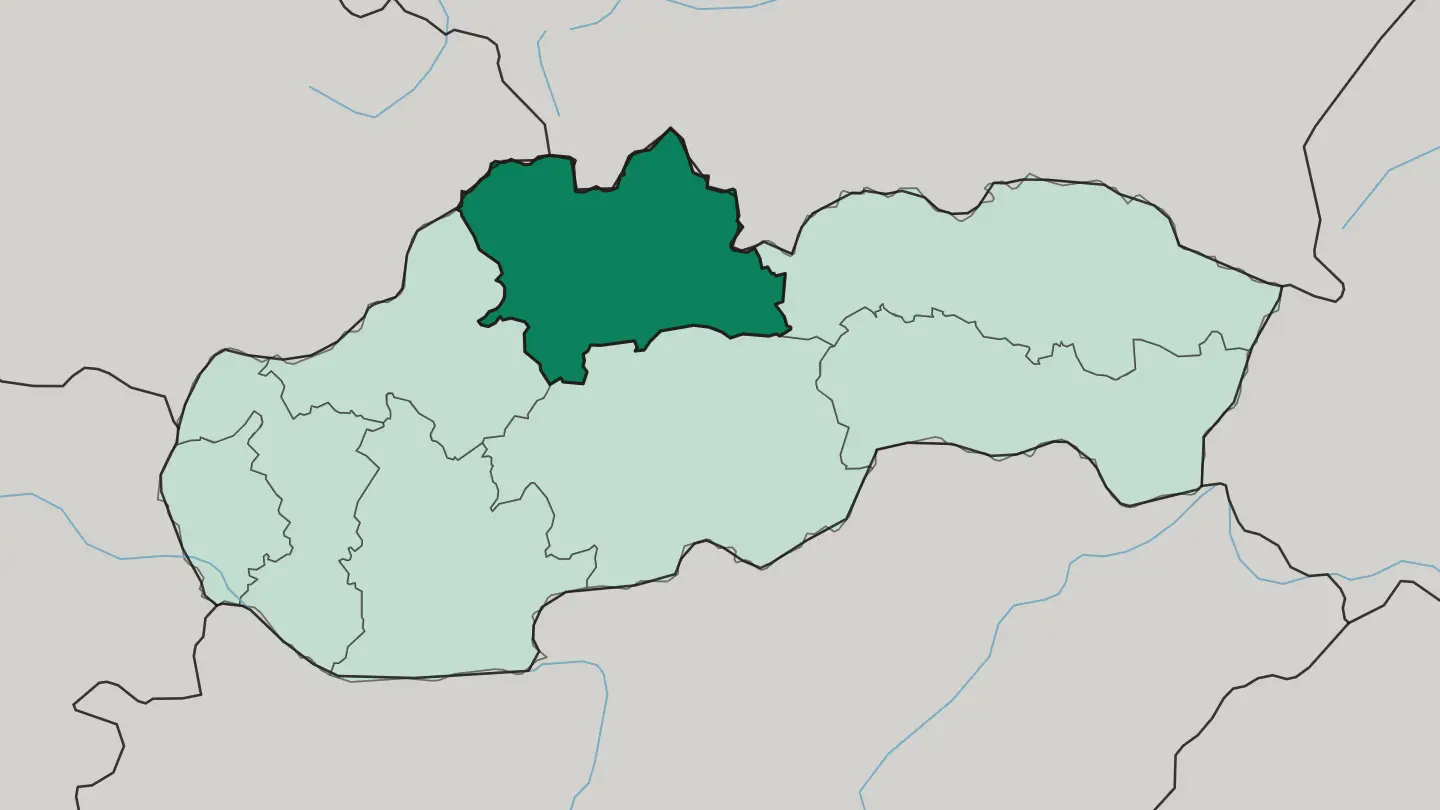
Explore by experience
Not sure which place? Start from how you want to travel.
About Slovakia
Mountains define the postcard.
What is Slovakia known for?
The granite spine of the High Tatras rises along the Polish border, crowned by Gerlachovský štít, the highest peak in the Carpathians. Below them sit medieval towns, thermal spas at Piešťany, and one of Europe's largest fortresses at Spiš Castle. Bratislava guards the Danube in the far west, while Košice anchors the east with its Gothic cathedral.
Vineyards in the Little Carpathians and the deep gorges of Slovak Paradise round out a compact country that packs alps, castles, and wine into a short drive.
Where is Slovakia?
Slovakia is a landlocked country wedged into the northern arc of the Carpathian Mountains, which sweep across most of its territory and give the land its grain. The mountains rise in the north and centre, then relax southward toward the lowland plains along the Danube and the Hungarian border. In the far north, straddling the frontier with Poland, the High Tatras form the highest range in the whole Carpathian chain, their bare granite peaks topping out at Gerlachovský štít.
The relief is uneven and dramatic. West of the Tatras stand the crags of Malá Fatra, and the karst gorges of Slovak Paradise cut deep into the eastern highlands. Rivers order the rest.
The Danube enters near Bratislava, forming the western border with Austria before curving into Hungary, while the Váh, the country's longest river, drains the northern mountains southward across the interior. The capital sits in the far south-west, at the foot of the Little Carpathians where the vineyards begin. Košice, the second city, holds the L-shaped basin of the east.
Between plain and summit, the country stays compact. A traveller can leave the vineyards of the south-west and reach the alpine trails of the north in a single morning's drive.
What is the history of Slovakia?
Slovak history opens with Great Moravia, the ninth-century Slavic state that spread across the middle Danube and gave the region its first taste of statehood. It was here that the missionaries Cyril and Methodius devised a Slavic alphabet and translated scripture into the vernacular. Magyar raids broke the state apart around 907.
What followed was the long chapter that shaped the land most deeply. From about 1000 until 1918, the Slovak lands lay inside the Kingdom of Hungary, and for a stretch Bratislava served as the Hungarian coronation city while the Ottomans held the south. The modern nation is young.
When Austria-Hungary collapsed at the end of the First World War in 1918, Slovaks joined the Czechs to found Czechoslovakia. The two peoples shared a state through two world wars, a communist era, and the Velvet Revolution of 1989 that ended one-party rule. On the first day of 1993 the federation split peacefully, and the Slovak Republic became independent with Bratislava as its capital.
Spiš Castle and the wooden churches of the eastern hills survive from that older, contested past. The thread from Great Moravia to sovereign republic runs a thousand years.
What is Slovakia like?
Folk tradition sits at the heart of Slovak identity, alive in embroidery, fiddle music, and the painted timber houses of Čičmany, whose white geometric patterns were the country's first protected architectural reserve. The mountains bred a distinct pastoral culture, and its flavour survives on the plate. Bryndzové halušky, soft potato dumplings smothered in sheep's cheese and bacon, is the closest thing to a national dish.
Shepherding still colours the highland villages. In the Prešov country of the east stand clusters of wooden churches, several inscribed by UNESCO, built without a single nail from spruce and oak. Wine and water shape the calendar too.
The slopes of the Little Carpathians and the Slovak corner of the Tokaj region turn out crisp whites and dark Frankovka reds, poured at autumn harvest festivals. Spa culture runs just as deep, with thermal cures drawing visitors to Piešťany and Bardejov for well over a century. Cities carry the layered inheritance of Great Moravia, Hungarian rule, and the Czechoslovak decades, visible in Košice's Gothic cathedral and Bratislava's coronation churches.
Music and dance still mark the seasons. One small country holds mountain, vineyard, and spa within a single weekend.
What is the climate of Slovakia?
Slovakia has a continental climate with sharp seasons. Winters are cold and snowy, hardest in January, when the High Tatras hold deep snow and the ski season runs long. Summers turn warm across the lowlands along the Danube, ideal for hiking once the alpine trails clear in July and August.
Altitude changes everything. The peaks stay cool and stormy while Bratislava bakes in the south-western plain, so the mountains draw walkers exactly when the cities grow hot.
How do you get to Slovakia?
Most flights land at Bratislava's M. R. Štefánik Airport, though many travellers arrive through Vienna, whose larger airport sits barely an hour west by bus. For the east and the mountains, Košice International Airport serves the second city, while tiny Poprad-Tatry Airport drops walkers at the foot of the High Tatras. Trains and buses knit the country together.
Distances are short, so a single base can reach much of Slovakia on day trips.
Good for
Updated September 2026