Slovakia
Kosice, Slovakia — Towns & Travel Guide
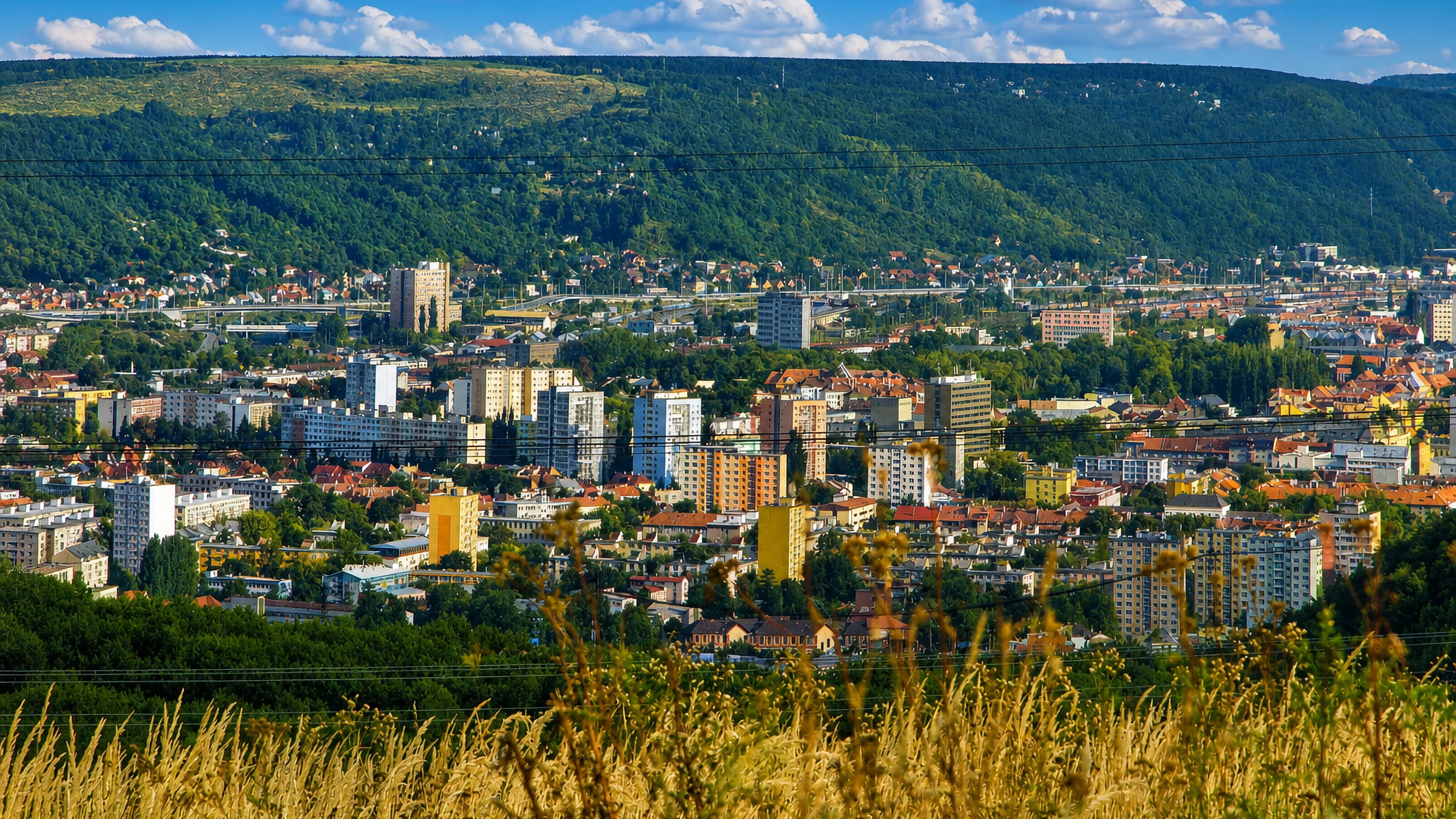
The river Hornád threads the Kosice region, an administrative region of Slovakia below the Slovak Ore Mountains, near the borders with Hungary and Ukraine.
Hotel links are affiliate links: booking through them may earn us a commission, at no extra cost to you. It never affects how places are ranked. How this works


Towns & cities in Kosice
One town here has its own guide — it links to where to stay.
 Slovakia
Košice
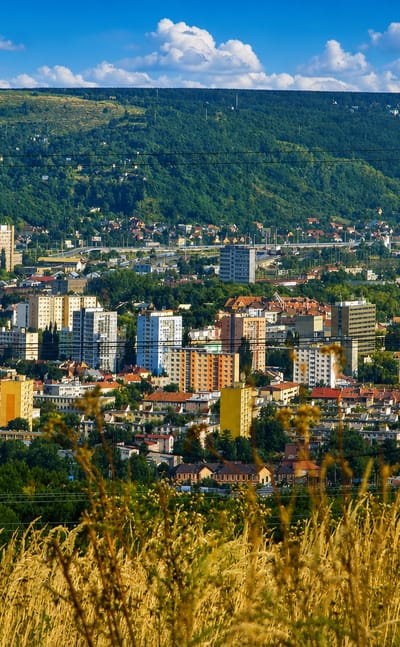
The great Cathedral of St. Elizabeth rises over Košice, the largest city in eastern Slovakia, set on the river Hornád below the Slovak Ore Mountains.Where to stay →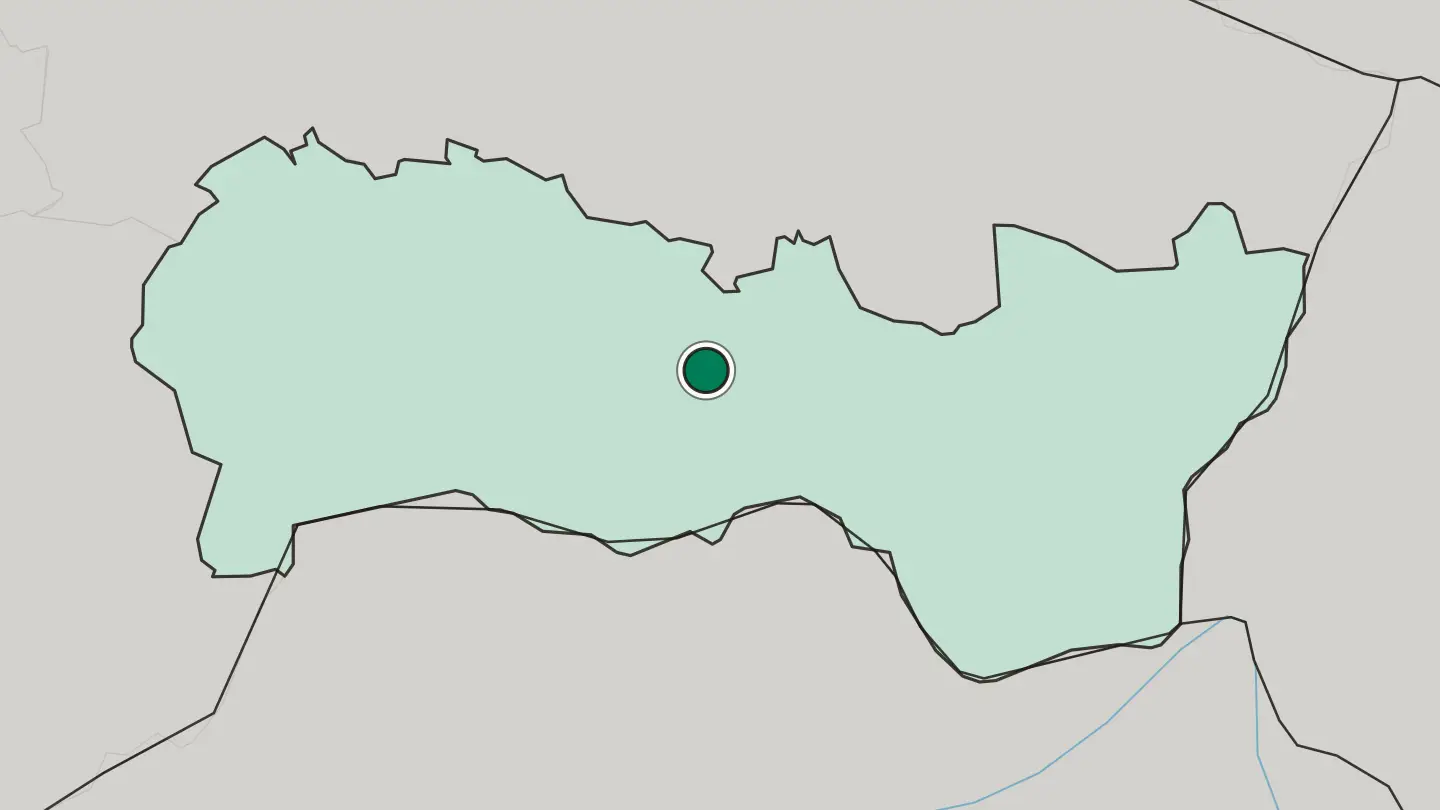
Hotel links are affiliate links: booking through them may earn us a commission, at no extra cost to you. It never affects how places are ranked. How this works
About Kosice
What is Kosice known for?
The Kosice region is known for its hub city Košice, the largest in eastern Slovakia and a former European Capital of Culture. Its land runs from the Slovak Ore Mountains down to the plain the river Hornád crosses on its way toward Hungary. This is Slovakia's far corner.
The reaches near the Ukraine border carry a lived-in mix of Slovak, Hungarian, and older Central European history rather than a single tidy story.
Where is Kosice?
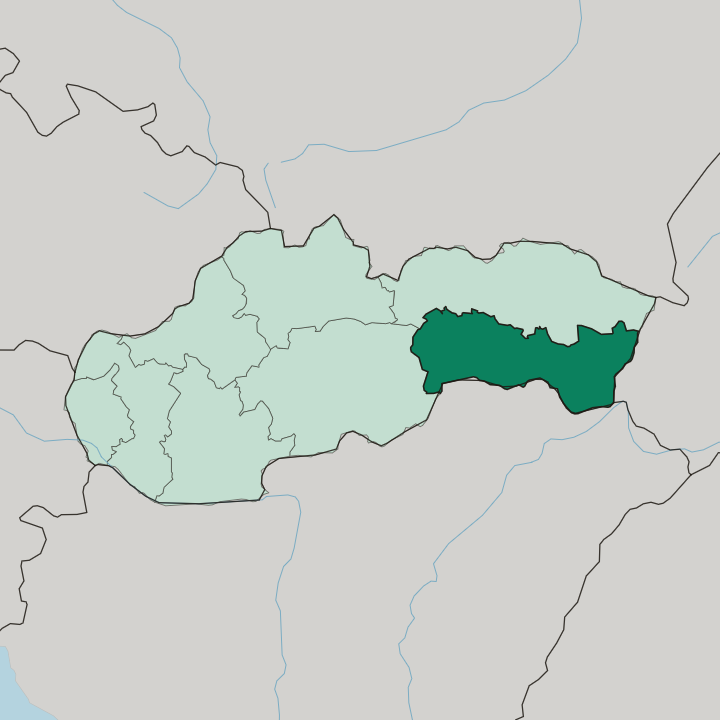
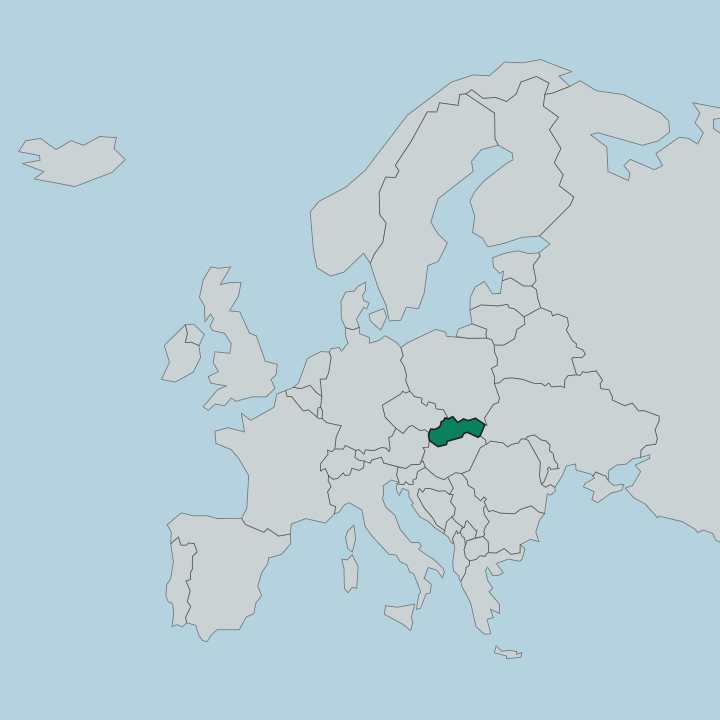
The Kosice region occupies the far eastern corner of Slovakia, where the Slovak Ore Mountains give way to lower ground near the borders with Hungary and Ukraine. Its shape is one of contrast. The Slovak Ore Mountains rise across the region's western and northern reaches, their forested ridges the source of the ore that named them, and from these heights the land steps down toward the plain.
The river Hornád is the region's organising line, running down out of the uplands and past the hub city of Košice before continuing south toward Hungary. That descent sets the pattern for how people live here. Košice sits where the valley opens, the natural gathering point for a region that otherwise spreads thin toward its frontier edges.
The southern and eastern margins flatten into open country as they approach the Ukraine border, the last Slovak ground before the land passes into another state. Between the Slovak Ore Mountains and the Hornád valley, the Kosice region reads as Slovakia's eastern threshold.
What is Kosice like?
The Kosice region's cultural life gathers around Košice, which held the title of European Capital of Culture and carries the fullest arts scene in eastern Slovakia. The city sets the tone. Its year as a Capital of Culture drew music, exhibitions, and stagecraft into the streets along the river Hornád, and that momentum outlasted the single year, leaving the hub city as the region's stage.
Away from Košice the culture of the Kosice region is older and quieter, shaped by centuries at the meeting point of Slovak and Hungarian life near the frontier. The borderland setting is the through-line. Sitting hard against Hungary and reaching toward Ukraine, the region has long been a place where languages, faiths, and customs from several Central European traditions overlapped rather than replaced one another.
Slovak is the language of the region, spoken across the towns of the Slovak Ore Mountains and down the Hornád valley alike. The result is a culture that reads as a threshold: Slovakia's, but tuned by every neighbour it touches.
What is the history of Kosice?
The Kosice region took its modern administrative shape in 1996, when Slovakia redrew its regions and named this eastern unit for its hub city Košice. The deeper past is far longer. Košice grew across centuries as the chief town of eastern Slovakia, its fortunes tied to the trade roads that crossed the Slovak Ore Mountains and to the shifting frontier with Hungary, and the region around it carries that same border history.
This is old ground made into a new region. The 1996 lines gave a single name to a corner of Slovakia that had always looked toward the Hornád valley and the lands beyond the Ukraine edge.
What is the climate of Kosice?
The Kosice region has a temperate inland climate marked by warm summers and cold, often snowy winters. Its weather answers to the land. The Slovak Ore Mountains hold the chill and the snow longest across the region's uplands, while the lower Hornád valley around Košice warms faster and dries sooner as the season turns.
Down toward the open country near Hungary, summers run warm over the plain. It is the ordinary rhythm of a Central European interior, sharpened by the drop from the mountains to the valley floor.
How do you get to Kosice?
The Kosice region is reached through its hub city Košice, the main transport point for eastern Slovakia. Most arrivals converge there. Košice sits on the rail and road lines that run east across Slovakia and on toward the Hungary and Ukraine borders, and its position in the Hornád valley makes it the natural place to break a journey before heading into the Slovak Ore Mountains or out across the eastern plain.
From the hub city the region opens outward. Roads follow the Hornád and climb into the uplands, linking the smaller towns that a traveller reaches by way of Košice.
Common questions
What is the best area to stay in Kosice?
Košice old core: the region's densest hotel cluster on the river Hornád.
Good for
More regions in Slovakia
Updated September 2026