Sierra Leone · Western Area
Where to Stay in Freetown, Western Area
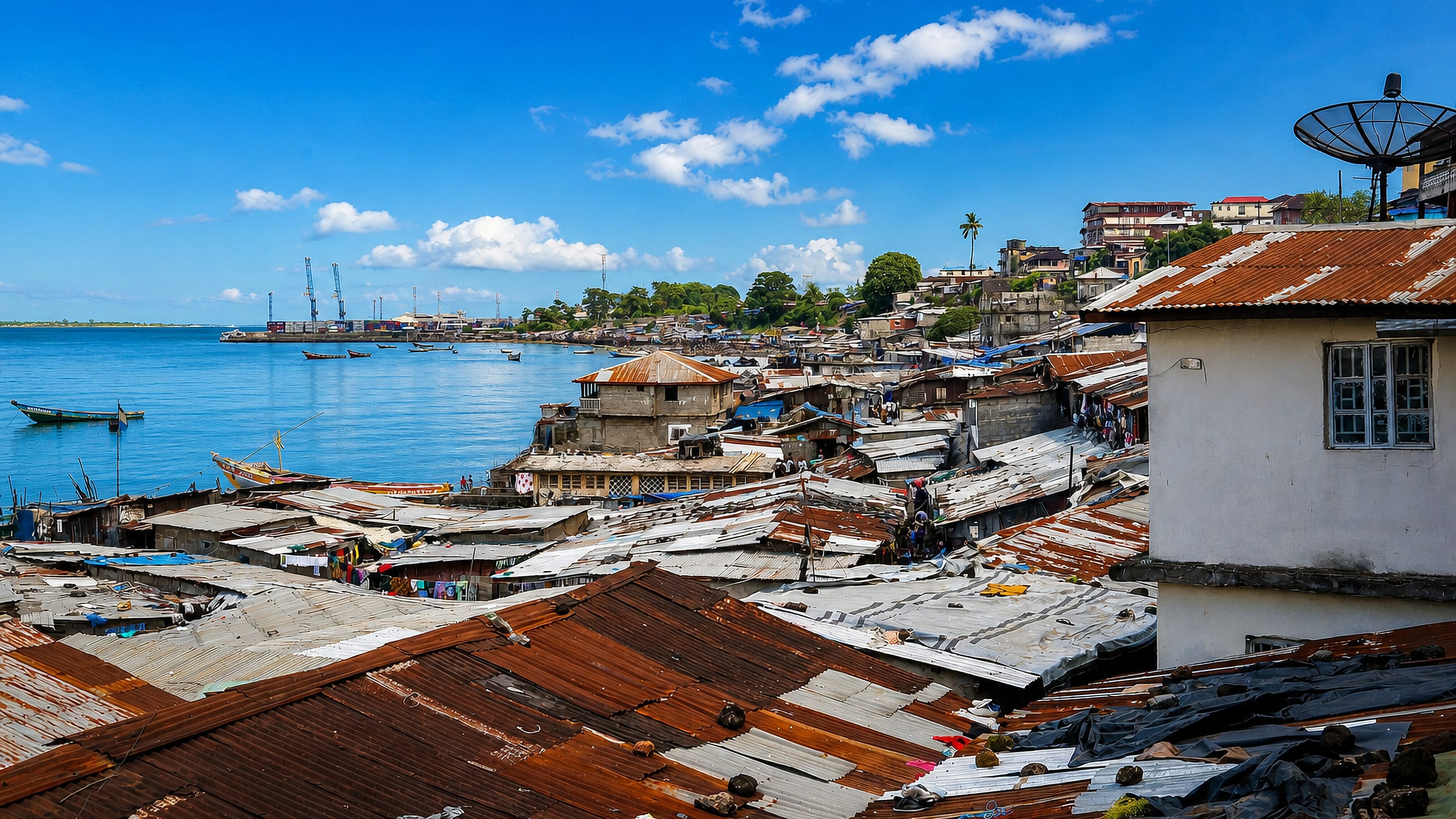
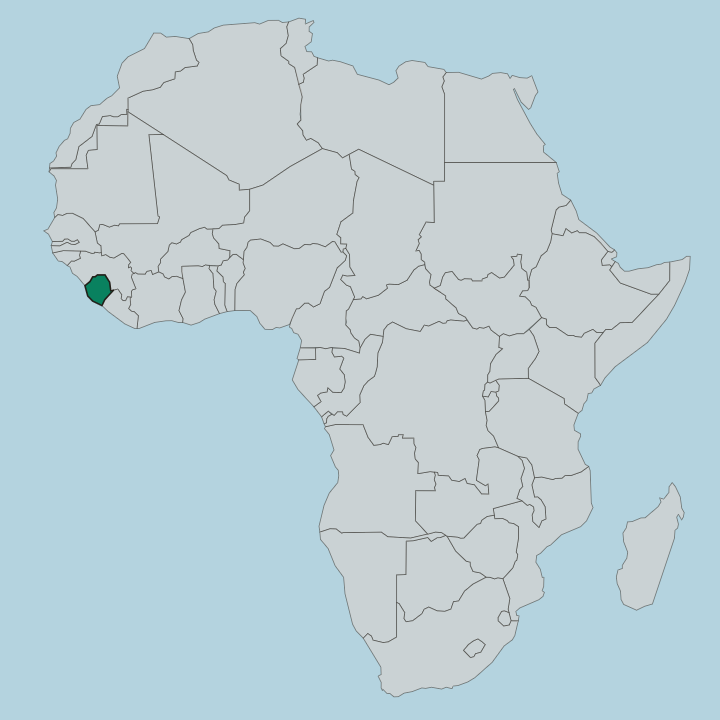
A deep natural harbour opens below the peninsula mountains at Freetown, capital of Sierra Leone, known for Saint George's Cathedral and its beaches.
Hotel links are affiliate links: booking through them may earn us a commission, at no extra cost to you. It never affects how places are ranked. How this works


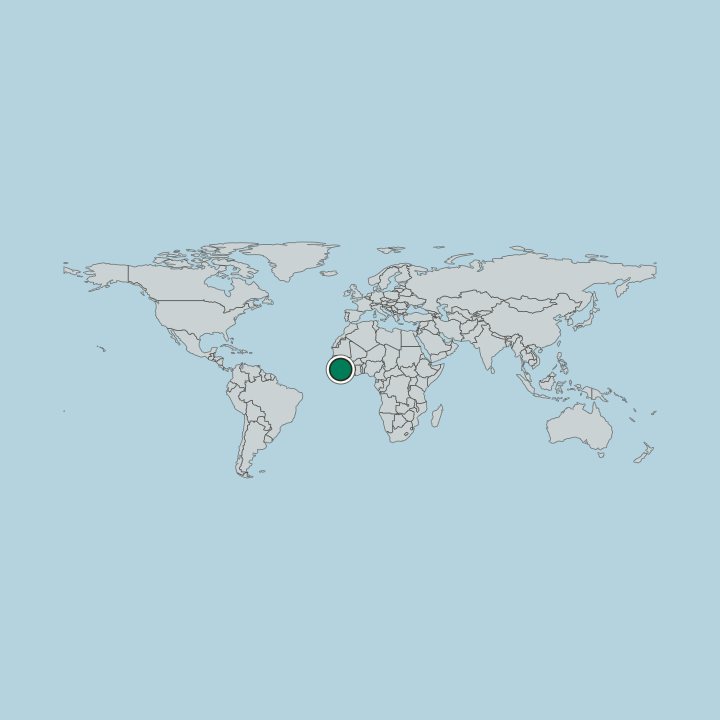
Where to stay in Freetown
Where the beds are, and what that means for the visit.
Where to stay in Freetown splits between the port city and the beaches beyond it. The centre gathers the government buildings, churches, and museums along the streets that run back from the harbour, so a central base keeps the Sierra Leone National Museum, Saint George's Cathedral, and State House within reach. The harbour is the anchor.
Out along the peninsula, the sands at Lakka Beach and Toke Beach trade the city for open Atlantic water. The two halves suit different stays. The centre keeps the working port, the cathedral, and the Sierra Leone National Railway Museum close together under the peninsula mountains, while the coast road strings together beaches such as Bureh.
Choose the centre if you want the city and its landmarks at your door. The beaches are for quiet. Further down the peninsula, Bureh and the outer sands sit well away from the harbour and the traffic of the centre.
Find hotels in Freetown
Direct booking searches for these neighbourhoods.
Central Freetown
Central Freetown sets State House, Saint George's Cathedral, and the Sierra Leone National Museum within a short walk of the working harbour.Find hotels in Central FreetownOpen Atlantic sand out along the Freetown peninsulaLakka and the peninsula beaches
Lakka Beach and Toke Beach string open Atlantic sand along the Freetown peninsula, well beyond the harbour and the city centre.Find hotels in Lakka and the peninsula beachesQuiet surf sand at the far end of the peninsulaBureh
Bureh sits at the outer end of the Freetown peninsula, a quiet run of surf sand kept apart from the port and its traffic.Find hotels in BurehHotel links are affiliate links: booking through them may earn us a commission, at no extra cost to you. It never affects how places are ranked. How this works
Things to do in Freetown
Ranked by global recognition; descriptions from Wikidata (CC0).
Museums & Galleries
2- Sierra Leone National Museum
- Sierra Leone National Railway Museum
Churches & Religious Sites
3- St. George's Cathedral, Freetown
- St. John's Maroon Church
- Church of the Holy Trinity, Freetown
Landmarks & Notable Places
1- State House
worth knowingacross 3 categories in Freetown
About Freetown
What is Freetown known for?
Freetown is known as the capital and largest city of Sierra Leone, a major port on the Atlantic Ocean. Its harbour made it. The city faces one of the finest natural harbours on the west coast of Africa, and it serves as the country's urban, economic, and political centre from the Western Area.
The government sits here. Beyond the port, the peninsula carries the beaches that draw people out from the city.
What are the main landmarks in Freetown?
Freetown's landmarks gather in the old centre below the peninsula mountains. The Sierra Leone National Museum and the Sierra Leone National Railway Museum hold the country's collections, while State House marks the seat of government. Churches define the older streets.
Saint George's Cathedral, the Church of the Holy Trinity, Saint John's Maroon Church, and the Zion Methodist Church, Wilberforce Street stand among the city's oldest buildings, raised as the settlement grew from its founding.
What is the history of Freetown?
Freetown was founded in 1792 on a peninsula at the mouth of the Sierra Leone River. The harbour drew it into being. Ships found one of the finest natural harbours on the west coast of Africa here, and the settlement grew along the shore below the peninsula mountains into the port that anchors the Western Area.
It grew from the water up. The early settlement left its churches. Saint John's Maroon Church and the Zion Methodist Church, Wilberforce Street stand among the oldest buildings, raised in the city's founding decades, while Saint George's Cathedral and the Church of the Holy Trinity followed as Freetown became the capital of Sierra Leone.
The railway came later. Its old network is remembered in the Sierra Leone National Railway Museum, and the Sierra Leone National Museum keeps the wider record of the country's past. The port endured through all of it.
Where is Freetown?
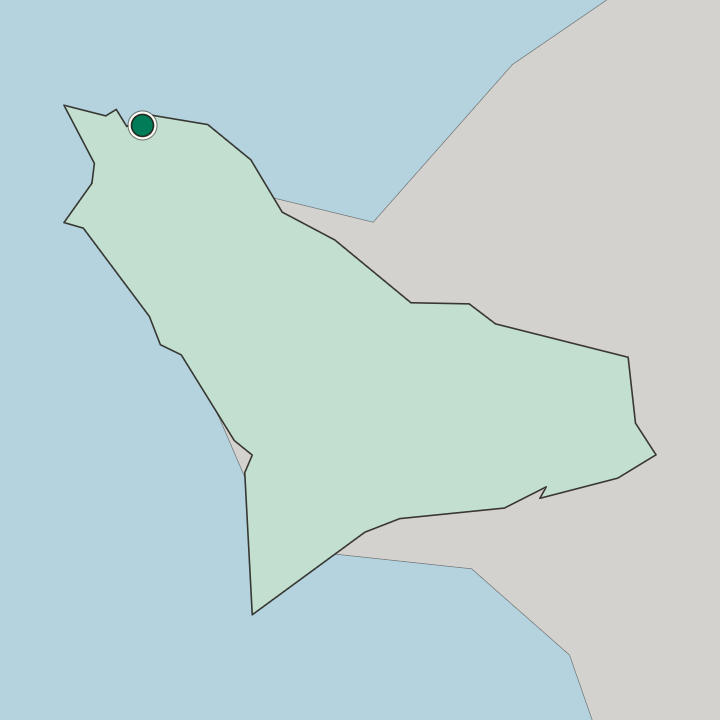
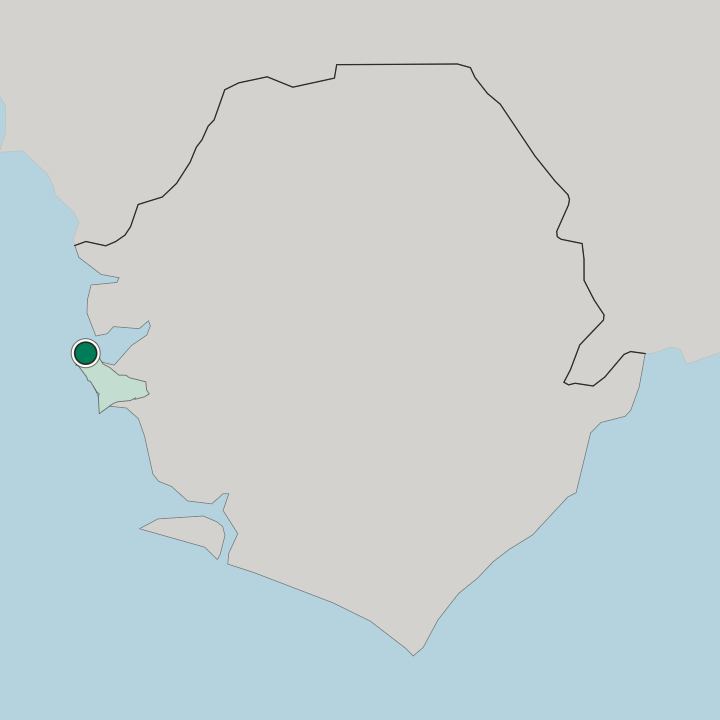
Freetown occupies a peninsula on the south bank of the Sierra Leone River estuary, in the Western Area of Sierra Leone. The mountains rise behind it. The city sits at the foot of the peninsula mountains and faces one of the finest natural harbours on the west coast of Africa, its streets running down to the water.
Beyond the built-up shore, the peninsula carries beaches such as Lakka Beach and Bureh along the Atlantic Ocean.
What is the climate of Freetown?
Freetown has a tropical climate, hot and humid the year round on its Atlantic peninsula. The seasons turn on the rain. A long wet season brings heavy rains off the ocean, while the drier months settle warm and hazy over the harbour and the peninsula mountains behind the city.
The sea holds the heat steady. Warm, damp air off the Atlantic Ocean keeps the peninsula mountains green above Freetown.
How do you get to Freetown?
Freetown is reached by air, road, and sea on its peninsula in Sierra Leone. The harbour handles the ships. Vessels work one of the finest natural harbours on the west coast of Africa, roads climb over the peninsula mountains and run down the coast to the beaches, and crossings link the city across the Sierra Leone River estuary.
The peninsula shapes every route. From the centre, the coast road threads down the peninsula past Lakka Beach and Bureh toward the open Atlantic Ocean.
Common questions
What is the best area to stay in Freetown?
Central Freetown: The government seat, the cathedral, and the national museum. Lakka and the peninsula beaches: Open Atlantic sand out along the Freetown peninsula. Bureh: Quiet surf sand at the far end of the peninsula.
Good for
Updated September 2026