
Senegal · Dakar
Where to Stay in Dakar
Dakar is the capital and largest city of Senegal, a coastal city that anchors French-speaking West Africa and faces the island of Gorée offshore.
Hotel links are affiliate links: booking through them may earn us a commission, at no extra cost to you. It never affects how places are ranked. How this works


Where to stay in Dakar
One neighbourhood here has its own guide — here's what it is best for.

 DakarSenegal
Le Plateau
Le Plateau, listed as Dakar-Plateau, is the central arrondissement of Dakar and the ground the Museum of Black Civilizations stands on.Where to stay →Hotel links are affiliate links: booking through them may earn us a commission, at no extra cost to you. It never affects how places are ranked. How this works
Find hotels in Dakar
Direct booking searches for these neighbourhoods.
The museum core
Around the Museum of Black Civilizations and the IFAN Museum of African Arts, with the National Gallery of Dakar a short walk away.Find hotels in The museum corecontemporary art and studio openingsThe gallery quarter
Near the Selebe Yoon and Galerie Arte galleries, closest to the openings that feed the Contemporary Art Biennale.Find hotels in The gallery quarterthe waterfront and the crossing to GoréeThe harbour and seafront
By the Musée de la Mer and the Porte du Troisième millénaire, at the crossing point for the island of Gorée.Find hotels in The harbour and seafrontHotel links are affiliate links: booking through them may earn us a commission, at no extra cost to you. It never affects how places are ranked. How this works
Things to do in Dakar
Ranked by global recognition; descriptions from Wikidata (CC0).
Museums & Galleries
3- Historical Museum of Senegal Heritage
- Musée de la Mer Heritage
- Museum of Black Civilizations
Churches & Religious Sites
1- Church of Saint Charles Borromee (Goree) Heritage
worth knowingacross 2 categories in Dakar
About Dakar
What is Dakar known for?
Dakar is known as the cultural and commercial centre of French-speaking West Africa. Its museums draw travellers first. The Museum of Black Civilizations and the IFAN Museum of African Arts sit within the same city, alongside the National Gallery of Dakar and the smaller Selebe Yoon and Galerie Arte spaces that keep its contemporary art scene visible.
Two events carry the name abroad: the Dakar Rally and the Contemporary Art Biennale. The island of Gorée, just offshore, holds the Mémorial de Gorée. That heritage is the draw.
What are the main landmarks in Dakar?
Dakar sets its main landmarks around museums and the sea. Museums lead. The Museum of Black Civilizations and the IFAN Museum of African Arts anchor the city, with the Historical Museum of Senegal and the Musée des Forces Armées Sénégalaise adding narrower collections.
The Porte du Troisième millénaire stands on the seafront. Offshore, the island of Gorée holds the Church of Saint Charles Borromée and the Mémorial de Gorée. Art has its own circuit here too, through the National Gallery of Dakar and the Galerie nationale d'Art.
What is the history of Dakar?
Dakar grew into the capital and largest city of Senegal, and its history is written into the island of Gorée just offshore. Gorée is small. Its long-settled story is carried by the Mémorial de Gorée and by the Church of Saint Charles Borromée, which stands among its old houses.
On the mainland, the city gathered the institutions that made it the cultural and commercial centre of French-speaking West Africa, and the collections of the Historical Museum of Senegal and the IFAN Museum of African Arts hold much of that record. The IFAN institute gave the city one of the oldest research collections in the region, and the museum grew from it. Later, the Museum of Black Civilizations was raised to widen that story beyond Senegal alone.
The Musée des Forces Armées Sénégalaise keeps the military strand of the past. Two recurring events, the Dakar Rally and the Contemporary Art Biennale, tied the city's name to the wider world and drew visitors from Western Europe and beyond. The heritage of Gorée remains the deepest layer.
Where is Dakar?
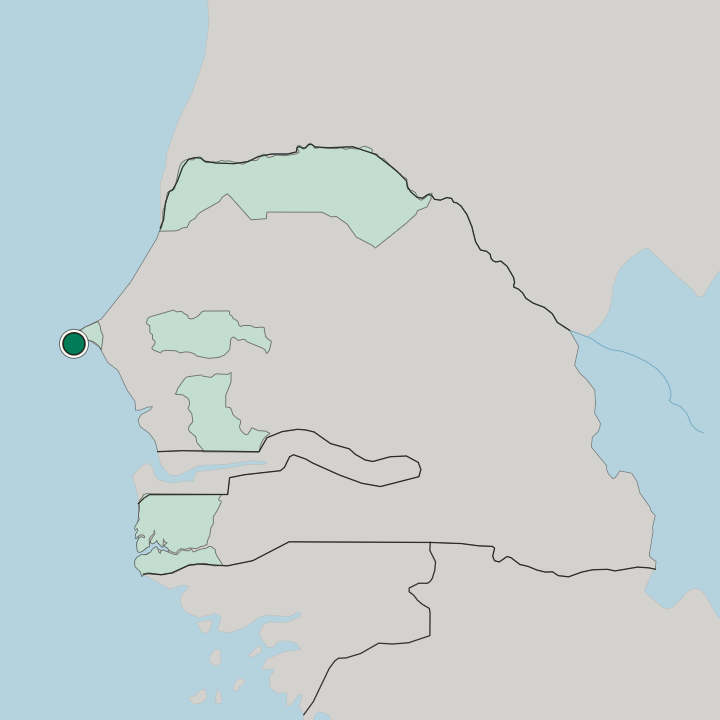
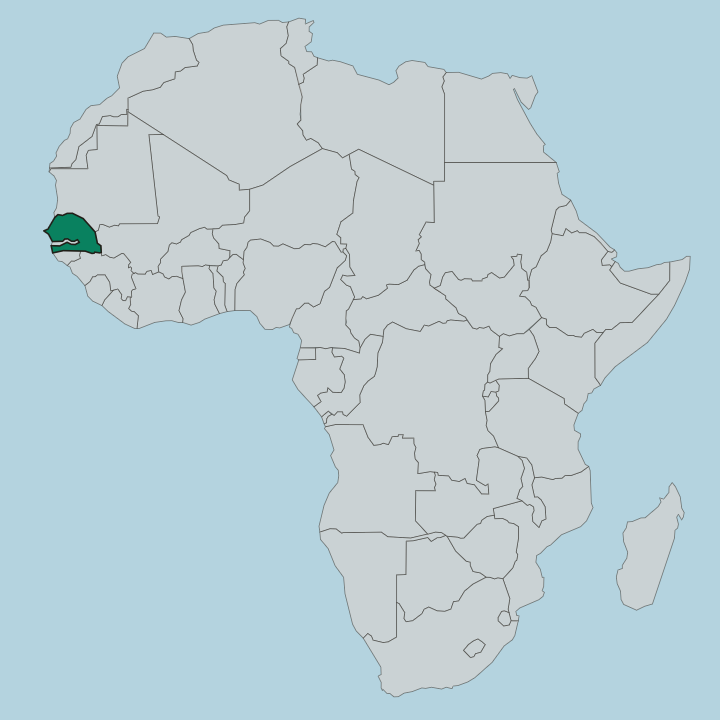
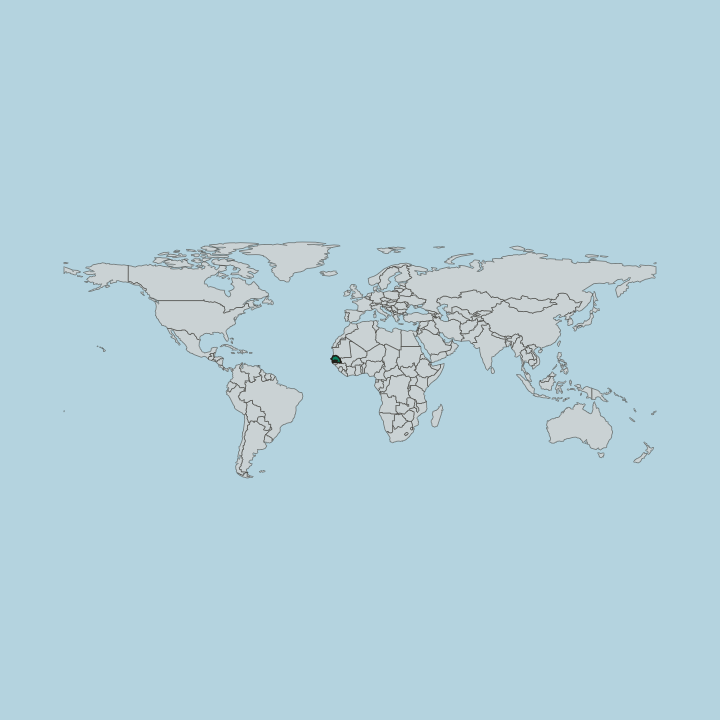
Dakar sits on the coast of Senegal, at the far western edge of the mainland. The sea is close. The city faces the water, and the small island of Gorée lies just offshore within easy reach of the harbour that the Musée de la Mer overlooks.
That coastal position made Dakar the outward-facing anchor of French-speaking West Africa, with the open sea on one side and the country of Senegal spreading inland behind it.
What is the climate of Dakar?
Dakar has a hot tropical climate softened by the sea. The year splits into a long dry season and a shorter wet one, with the coast staying cooler than the interior of Senegal. Warm air and ocean breezes carry across the harbour and out to the island of Gorée for most of the year.
Rain, when it comes, arrives in the warmer months. The coast tempers the heat.
How do you get to Dakar?
Dakar is the main point of entry into Senegal and much of French-speaking West Africa. Flights connect it directly with Western Europe, which is why it is often the first stop for travellers heading further into the region. From the city, the short boat crossing reaches the island of Gorée and its heritage.
Road and rail link Dakar inland to the rest of Senegal. Most visitors arrive by air.
Common questions
What is the best area to stay in Dakar?
The museum core: the main national museums and collections. The gallery quarter: contemporary art and studio openings. The harbour and seafront: the waterfront and the crossing to Gorée.
Good for
Updated September 2026