
Senegal
Dakar, Senegal — Towns & Travel Guide
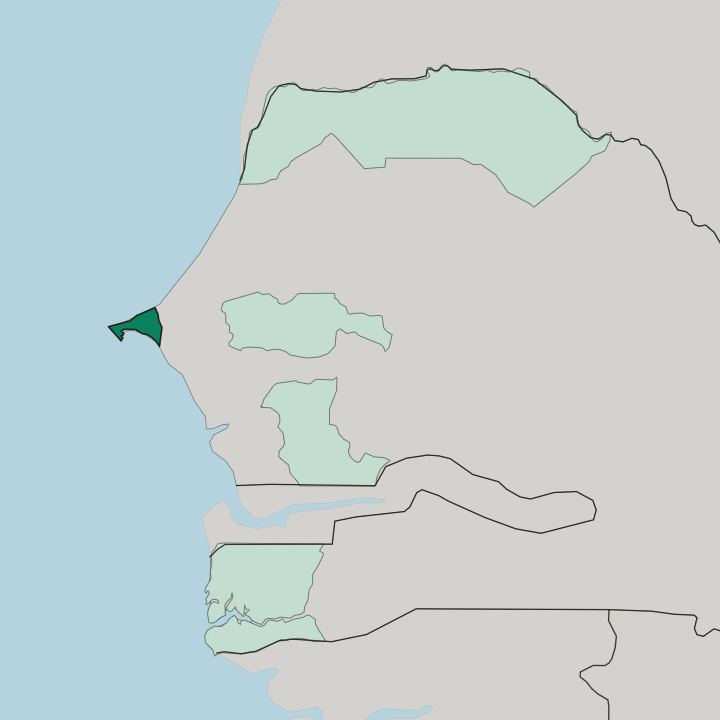
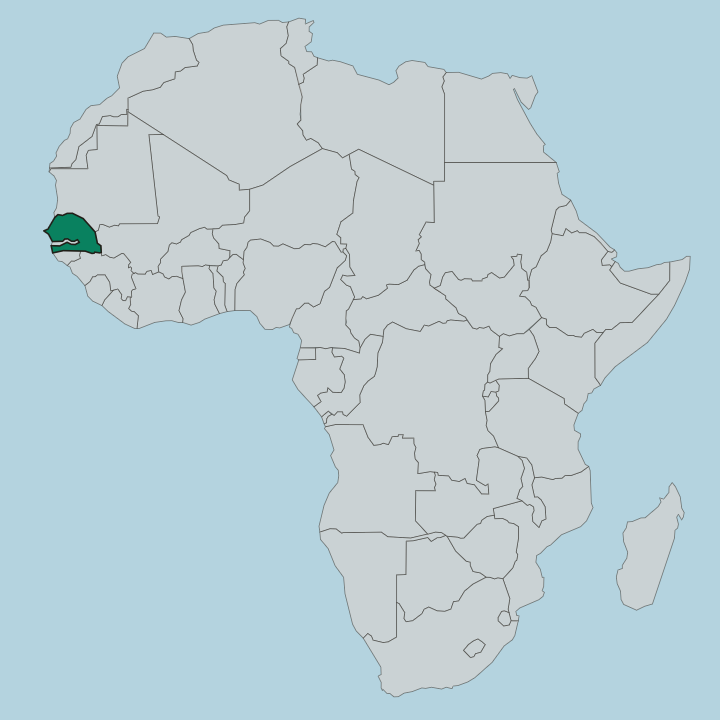
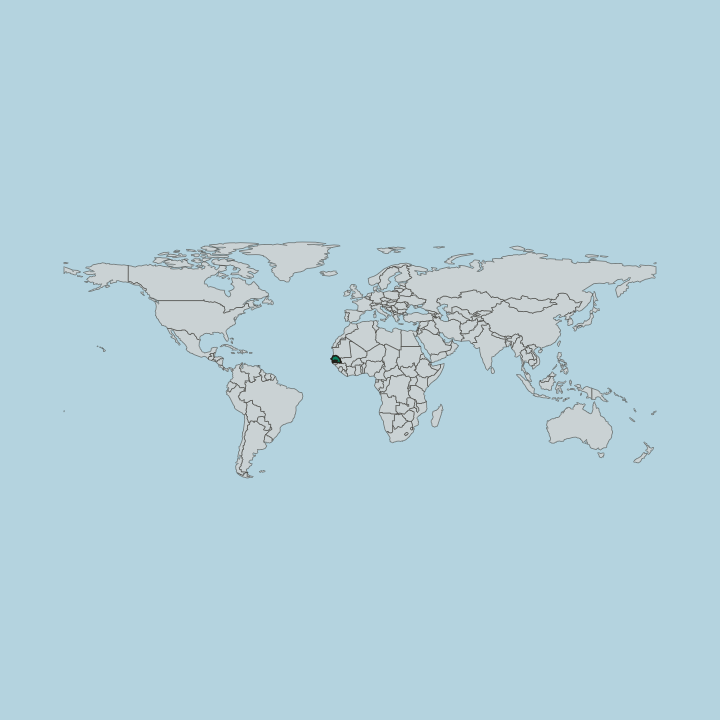
Dakar is the coastal region of Senegal built around its capital city, the compact western corner where the country meets French-speaking West Africa.
Hotel links are affiliate links: booking through them may earn us a commission, at no extra cost to you. It never affects how places are ranked. How this works


Towns & cities in Dakar
One town here has its own guide — it links to where to stay.

 Senegal
Dakar
Dakar is the capital and largest city of Senegal, a coastal city that anchors French-speaking West Africa and faces the island of Gorée offshore.Where to stay →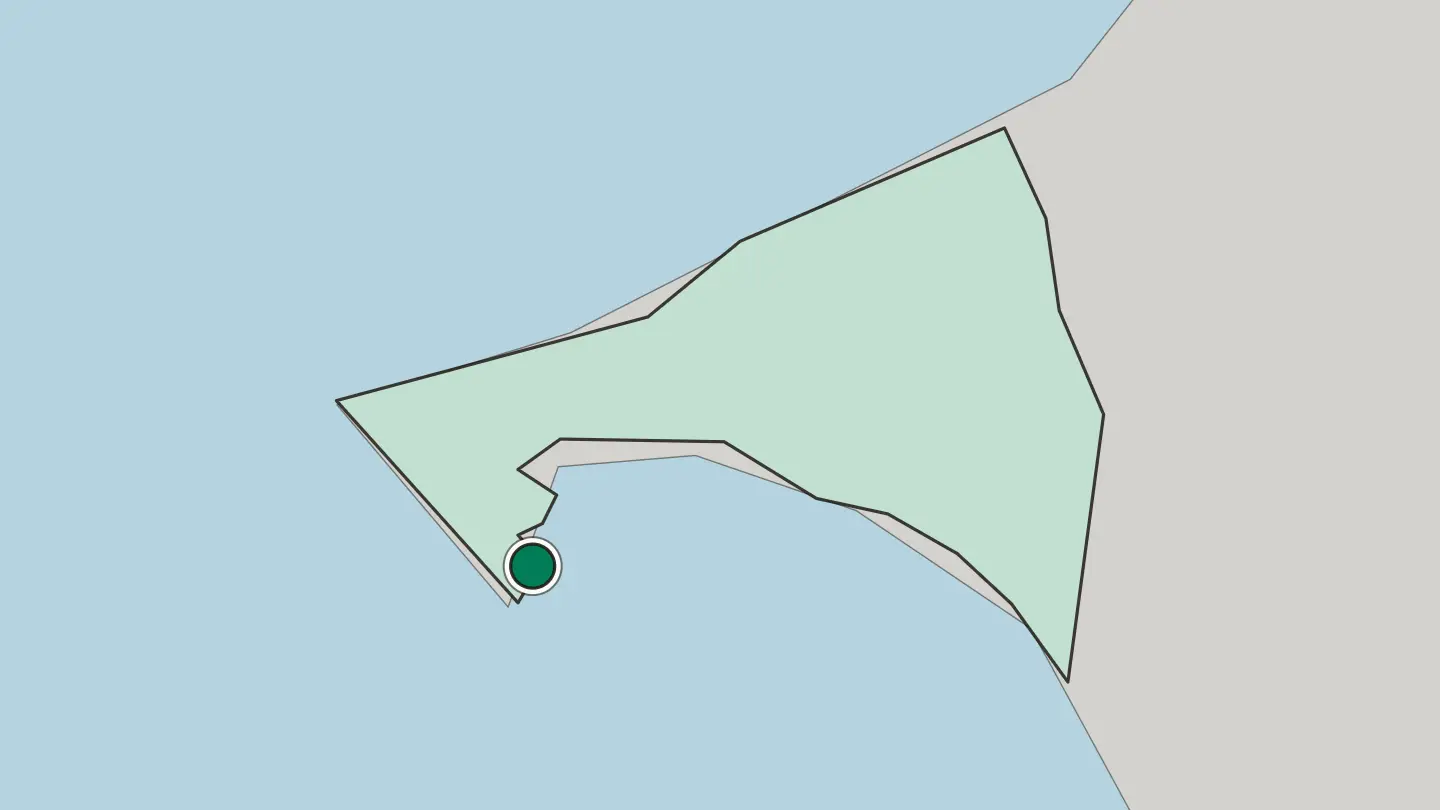
Hotel links are affiliate links: booking through them may earn us a commission, at no extra cost to you. It never affects how places are ranked. How this works
About Dakar
What is Dakar known for?
The Dakar region is known as the outward-facing corner of Senegal, holding the country's capital city. It is small but central. Within its bounds sit the institutions and events that give the wider region its pull, from the Dakar Rally to the Contemporary Art Biennale, both tied to the capital.
This is the part of Senegal most connected to French-speaking West Africa and to Western Europe.
Where is Dakar?
The Dakar region sits at the far western edge of Senegal, on the coast where the mainland runs out into the sea. It is the smallest and most compact of the country's regions. The land here is a low coastal corner, hemmed by water on more than one side, and the ocean shapes almost everything about the place.
Because it juts out toward the sea, the region has long been the country's window onto French-speaking West Africa and the routes beyond it. Inland, the region gives way quickly to the rest of Senegal. Its whole character comes from being a peninsula rather than an interior.
That closeness to the water keeps the coast cooler and the harbour busy, and it is why the capital grew here rather than further inland. Nowhere here is far from water.
What is Dakar like?
The Dakar region carries the cultural weight of Senegal in a small coastal space. Two spoken languages, French and Wolof, run through daily life here, one the language of administration and the wider region, the other the everyday tongue of the streets. The region's cultural calendar is anchored by the Contemporary Art Biennale, which turns the capital into a hub for artists from across French-speaking West Africa, and by the Dakar Rally, which tied the name to a much larger world.
Music, art and trade meet in this corner of Senegal. Business travel mixes with the arts. The region acts as the meeting point between the country and Western Europe, and that exchange leaves its mark on how people here live, work and gather.
French and Wolof both belong to this place. It is the most connected part of the country, and the most outward-looking.
What is the history of Dakar?
The Dakar region owes its history to its position on the coast of Senegal. Its western reach into the sea made it a natural point of contact, and over time the capital grew here to become the cultural and commercial centre of French-speaking West Africa. Events such as the Dakar Rally and the Contemporary Art Biennale later carried the region's name well beyond Senegal.
The coast set the course.
What is the climate of Dakar?
The Dakar region has a hot tropical climate tempered by its coastal setting. A long dry season fills most of the year, broken by a shorter wet spell in the warmer months. Because the region reaches out into the sea, the ocean keeps its coast milder than the interior of Senegal.
Breezes cross the peninsula for much of the year. The water does the cooling.
How do you get to Dakar?
The Dakar region is the main point of arrival for Senegal and much of French-speaking West Africa. Flights arrive daily. Direct services link the region with Western Europe, so it is often the first stop for travellers heading deeper into the wider region beyond it.
Roads and rail run inland from the capital to the rest of Senegal. Nearly every visitor reaches Dakar on a plane.
More regions in Senegal
Updated September 2026