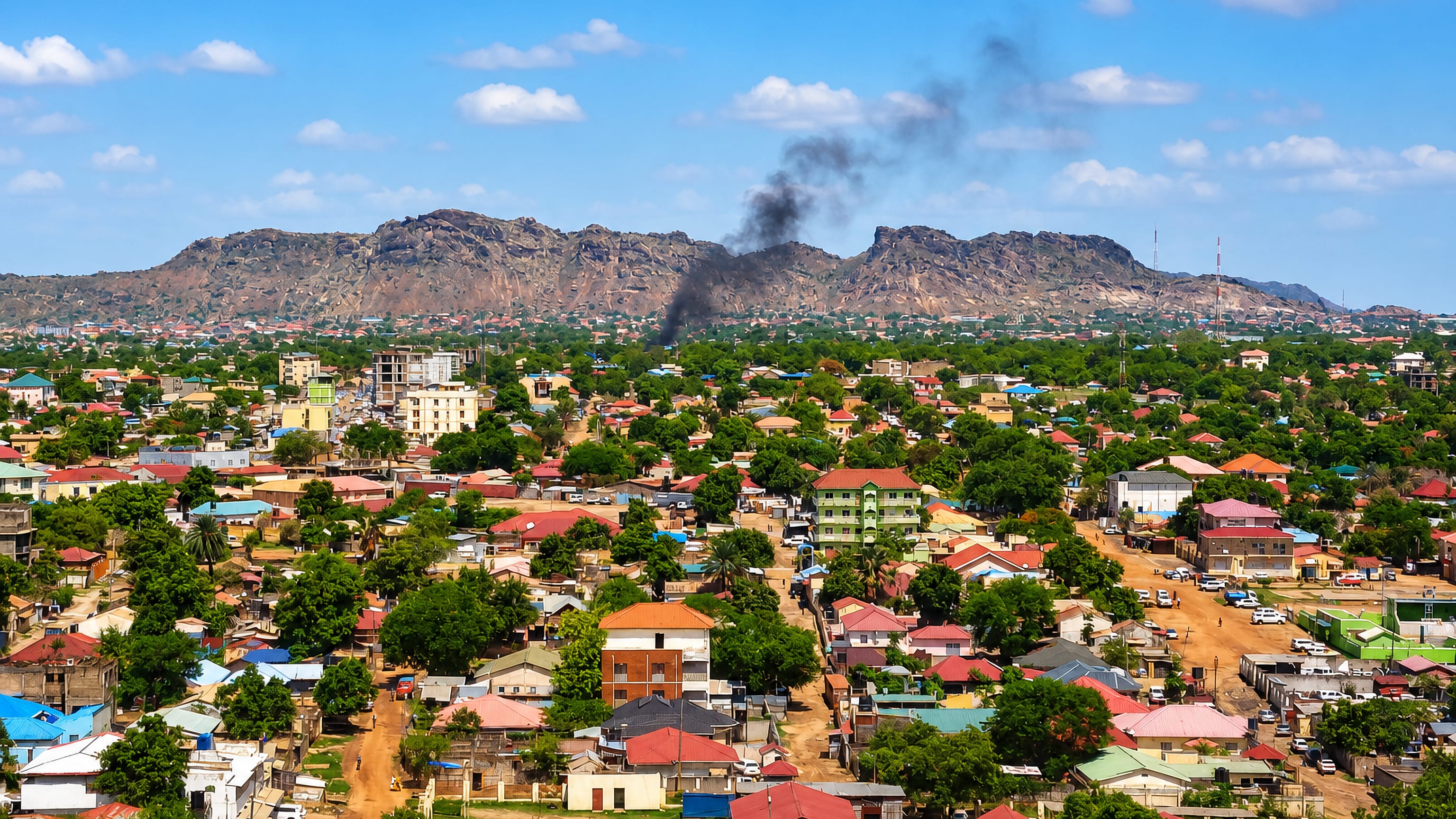
South Sudan · Central Equatoria State
Where to Stay in Juba, Central Equatoria State
The White Nile slides past Juba, capital and largest city of South Sudan, the English-speaking seat of Central Equatoria State on the river's west bank.
Hotel links are affiliate links: booking through them may earn us a commission, at no extra cost to you. It never affects how places are ranked. How this works


Where to stay in Juba
Where the beds are, and what that means for the visit.
Most visitors to Juba stay in the central districts near the White Nile, where the city's government offices, its airport road, and its riverside gather within reach of one another. This is the practical heart of the capital of South Sudan, the base from which official and business travellers work. Beds cluster near the river.
If you want the White Nile waterfront and the ministries of Central Equatoria State close at hand, the central quarters are the obvious choice, and they keep the city's few galleries and memorials within a short ride of the door. Outer neighbourhoods spread inland from the river across the low tropical plain. These quieter districts trade the riverside for calm while staying inside the one city that serves as both the national and the state capital.
Juba is compact at its core, so no central stay leaves you far from the Nile.
Find hotels in Juba
Direct booking searches for these neighbourhoods.
Central Juba by the White Nile
Central Juba puts the government offices, the airport road, and the White Nile waterfront of South Sudan's capital within one walkable core beside the river.Find hotels in Central Juba by the White NileQuieter stays away from the government core of Central Equatoria State's capitalOuter neighbourhoods inland from the Nile
The inland neighbourhoods of Juba spread across the tropical plain, giving a calmer base than the riverside centre while keeping the whole capital of South Sudan in reach.Find hotels in Outer neighbourhoods inland from the NileHotel links are affiliate links: booking through them may earn us a commission, at no extra cost to you. It never affects how places are ranked. How this works
About Juba
What is Juba known for?
Juba is known as the capital and largest city of South Sudan, set on the banks of the White Nile. It doubles as the capital of Central Equatoria State, the seat of both national and state government. English is its official language.
The river is the reason the city stands where it does.
What are the main landmarks in Juba?
Juba's landmarks are modest and gather near the White Nile in the city centre. The memorial Remembering the Ones We Lost stands in the capital, and the Studio One Art Gallery shows work by artists of South Sudan. Both sit within the compact core.
These sights, set in the capital of Central Equatoria State, lie a short way from the riverbank.
What is the history of Juba?
Juba grew from a settlement on the west bank of the White Nile, established in 1922 as a trading and administrative post in the far south of what was then Sudan. Its position at the head of navigation on the great river made it a natural hub, drawing traffic and government inland along the water. The Nile made the town.
Over the twentieth century Juba became the chief centre of the southern region, and when the Republic of South Sudan came into being it was declared the national capital, taking on the role it holds as the seat of Central Equatoria State as well. The city's story is short by the measure of old capitals but tightly bound to the river and to the country's founding. English became its official language along with the wider country.
Juba remains a young capital on an ancient river. The Nile carried its whole history.
Where is Juba?
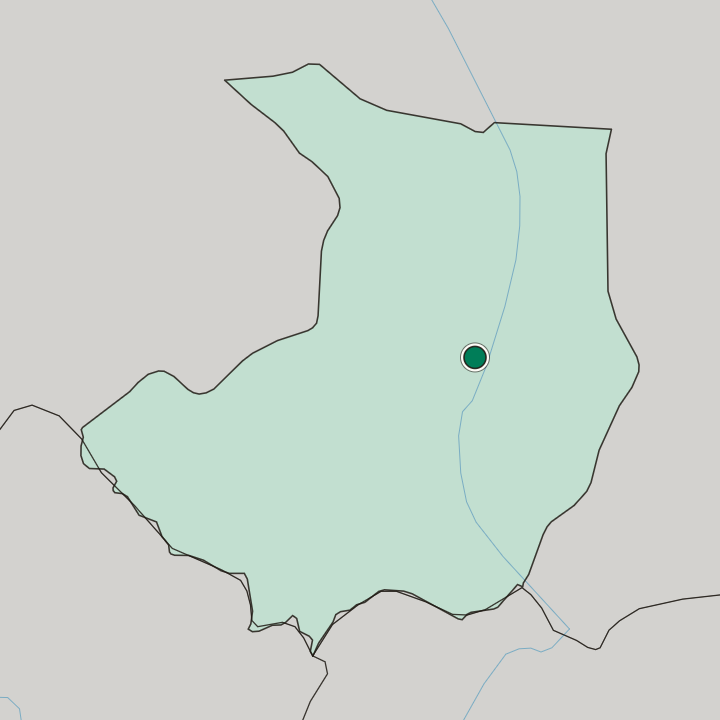
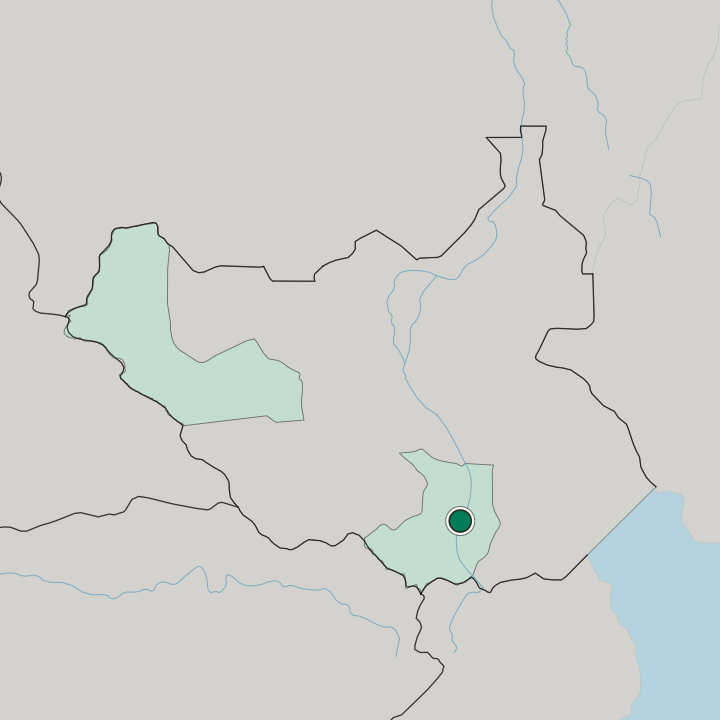
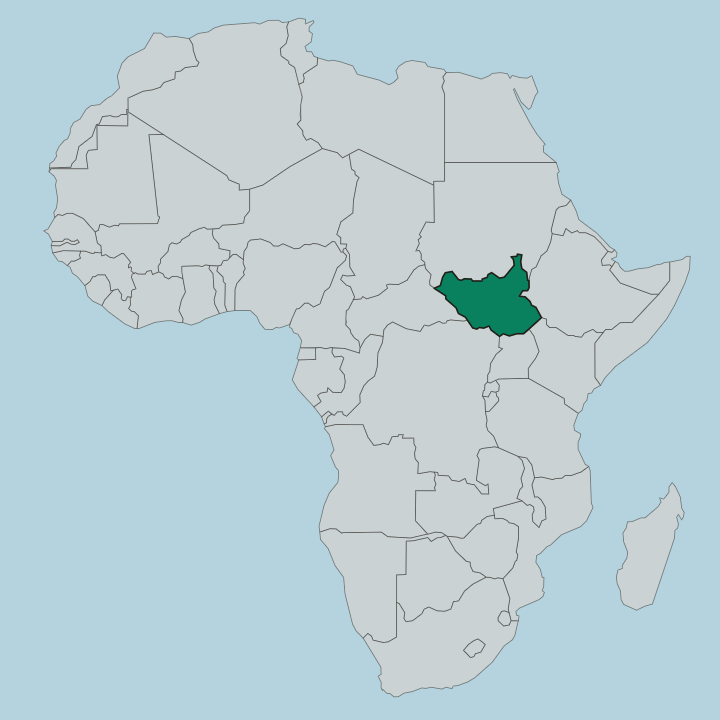
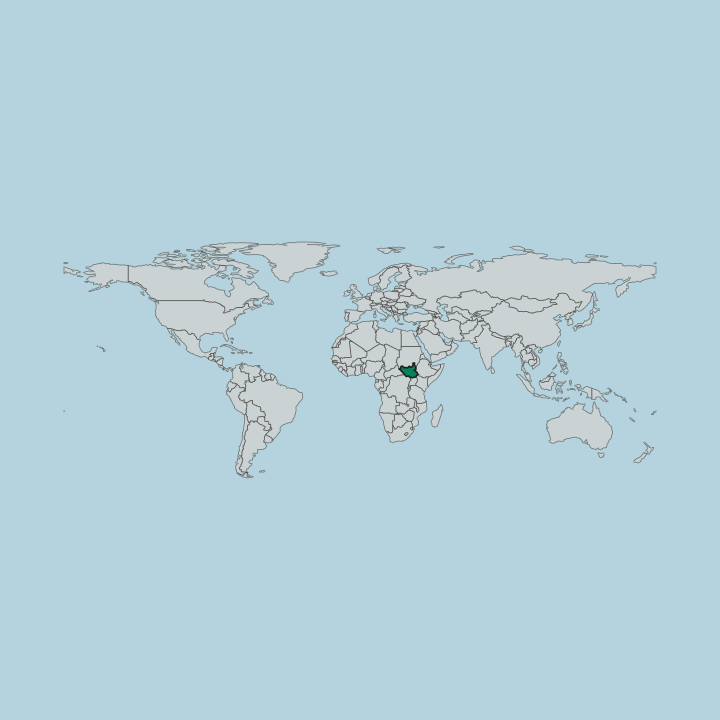
Juba sits on the west bank of the White Nile, on low tropical ground in the Northern Hemisphere. The city is the capital of Central Equatoria State, the smallest of South Sudan's original states, and the river runs north through it toward the wetlands beyond. Its setting is riverine and flat.
Once a southern outpost of Sudan, the city now opens inland from the water onto the savanna plains that spread across the surrounding country.
What is the climate of Juba?
Juba has a hot tropical climate, set on the White Nile in the Northern Hemisphere. A long dry season alternates with a wet season that greens the surrounding savanna and raises the river. The heat stays high all year.
Rain falls hardest in the wet months, while the dry season leaves the capital of South Sudan dusty and parched.
How do you get to Juba?
Juba is the main point of entry to South Sudan, reached by air, road, and river. Its airport is the country's chief air link, and roads run out from the city along the White Nile and toward the borders. The river carries traffic north and south.
Most arrivals reach the country at Juba and travel on from the capital of Central Equatoria State.
Common questions
What is the best area to stay in Juba?
Central Juba by the White Nile: Official and business travellers who want the ministries and the riverside of South Sudan's capital close. Outer neighbourhoods inland from the Nile: Quieter stays away from the government core of Central Equatoria State's capital.
Updated September 2026