
São Tomé and Príncipe: Regions, Cities & Travel Guide
São Tomé and Príncipe is an equatorial island country in the Gulf of Guinea, off Central Africa, with São Tomé as its capital.
Hotel links are affiliate links: booking through them may earn us a commission, at no extra cost to you. It never affects how places are ranked. How this works


Top destinations in São Tomé and Príncipe
One city to start from, then drill into its areas and hotels.

 São Tomé and Príncipe
São Tomé
São Tomé is an island capital. Founded in 1485, it heads São Tomé and Príncipe as one of Africa's oldest colonial cities.Where to stay →
Hotel links are affiliate links: booking through them may earn us a commission, at no extra cost to you. It never affects how places are ranked. How this works
Browse by region
One region so far — open it to see its cities and towns.
About São Tomé and Príncipe
Two rainforest-clad islands straddle the Equator here.
What is São Tomé and Príncipe known for?
The larger, São Tomé, rises to the volcanic spire of Pico Cão Grande and the higher summit of Pico de São Tomé, both wrapped in the Obô Natural Park. Cocoa built the country. Portuguese planters carved out the roças, the plantation estates whose crumbling houses and drying yards still dot the hills.
Príncipe, smaller and greener, keeps the country's most secluded beaches and its quietest forest.
Where is São Tomé and Príncipe?
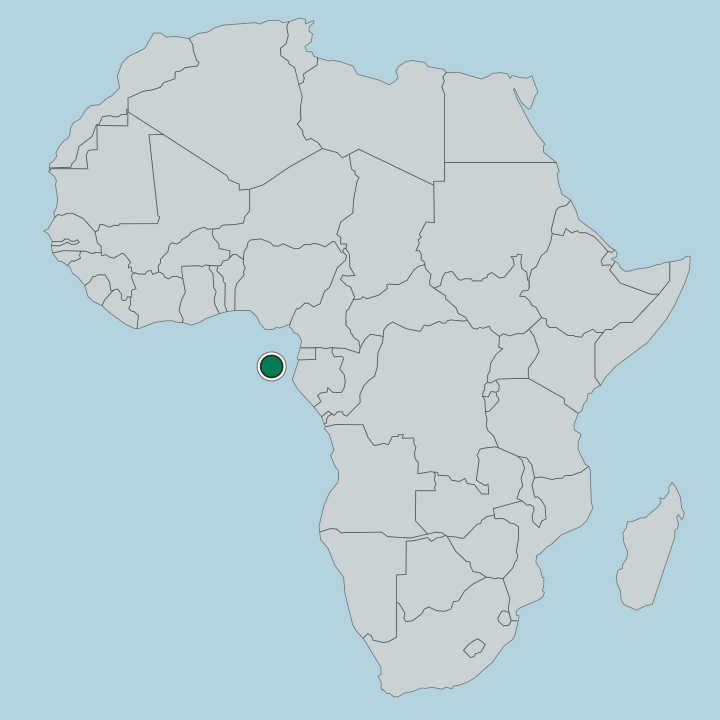
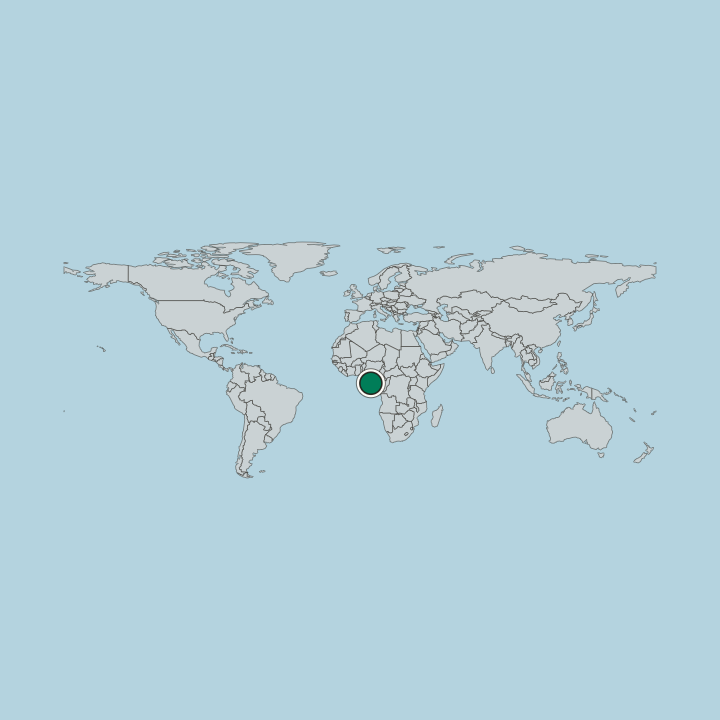
São Tomé and Príncipe is the second-smallest country in Africa, built from two volcanic islands that rose along the Cameroon line in the Gulf of Guinea. They lie off the coast of Gabon, west of the Central African mainland, with the Equator running just south of São Tomé Island through the islet of Ilhéu das Rolas. The larger island carries the higher ground.
São Tomé stretches about fifty kilometres from north to south and climbs steeply inland to Pico de São Tomé, the country's roof at just over 2,000 metres, ringed by the ridges and river valleys of the Obô Natural Park. From that central massif the land drops through dense rainforest to a coast of black-sand coves and river mouths. The country's strangest landmark stands in the south.
Pico Cão Grande, a needle of hardened lava left when a volcano wore away, juts sheer above the forest of the Caué district. Príncipe lies about 150 kilometres to the north-east, older and more eroded, its interior spiked with sheer green towers and its highest point at Pico do Príncipe. Rivers are short and fast on both islands.
Rainforest still covers much of the interior, thinning only where the old plantation clearings and the towns break it.
What is the history of São Tomé and Príncipe?
The islands were empty when Portuguese navigators reached them. Pedro Escobar and João de Santarém sighted São Tomé around 1470 and Príncipe soon after, and permanent settlement began at the end of that century under a captaincy granted by the Portuguese crown. Sugar came first.
Planters cleared the lowland forest and worked the fields with enslaved Africans shipped from the mainland, and for a stretch of the sixteenth century São Tomé was one of the Atlantic world's leading sugar producers and a grim transit point in the slave trade. When sugar failed the estates fell quiet for generations. Cocoa revived them.
In the nineteenth century the Portuguese planted cocoa and coffee across great estates called roças, and by the early twentieth century the islands ranked among the world's foremost cocoa growers, worked by contract labourers brought from other Portuguese colonies. That system drew scandal abroad and bred resentment at home. Independence came on 12 July 1975, and the new republic nationalised the roças, most of the Portuguese planters left, and cocoa output fell sharply as the estates decayed.
The plantation houses still stand across the hills. Their weathered chapels and drying terraces are the clearest mark the country's history left on its land.
What is São Tomé and Príncipe like?
The culture here grew from the collision of Portugal and West Africa on empty land. Portuguese is the official language, but daily speech runs in Creoles born on the plantations, above all Forro among the descendants of freed slaves and the distinct Angolar of communities tracing back to Angolan captives. Those creole worlds shaped the music and the table.
String-and-drum dances like ússua and socopé carry the plantation past, and on São Tomé the tchiloli, a sung and masked pageant retelling a medieval European court drama, has been performed for centuries and is recognised as living heritage. Food tells the same mixed story. Calulu, the national dish, simmers fish or meat with palm oil, okra, and forest greens, and cocoa and breadfruit run through the cooking as they run through the fields.
Community and festival matter deeply. Saints' days fill the calendar, and on Príncipe the Auto de Floripes floods Santo António with performers each August in a marathon street drama unique to the island. Everyday life stays tied to the sea and the roça.
That double inheritance, African and Portuguese, is the thread that holds the country's identity together.
What is the climate of São Tomé and Príncipe?
The Equator sets the weather. It stays hot and humid year-round, with coastal temperatures hovering near the high twenties and thick tropical rain feeding the forest. Two seasons order the year.
The long wet months run roughly from October to May, while a drier spell the São Toméans call the gravana settles in between June and September. Rain is wildly uneven across the land, drenching the mountainous south-west of São Tomé while the sheltered north-east around the capital stays far drier.
How do you get to São Tomé and Príncipe?
Almost all travellers reach São Tomé and Príncipe by air. São Tomé International Airport, on the edge of the capital in the north-east of the larger island, is the country's only real gateway, linked mainly to Lisbon and to Accra and a few other African hubs. The islands are remote.
From São Tomé a short internal flight or a boat carries travellers north across the channel to Príncipe and its small airfield at Santo António, and on the ground taxis and hired drivers cover the modest road network. Plan the Príncipe leg in advance.
Good for
Updated September 2026