
São Tomé and Príncipe · São Tomé
Where to Stay in São Tomé
São Tomé is an island capital. Founded in 1485, it heads São Tomé and Príncipe as one of Africa's oldest colonial cities.
Hotel links are affiliate links: booking through them may earn us a commission, at no extra cost to you. It never affects how places are ranked. How this works


Where to stay in São Tomé
How the choice of base plays out on the ground.
The old centre holds most beds. Rooms near the Our Lady of Conception Church and the Igreja do Bom Jesus put the colonial streets of São Tomé within walking distance, which counts for a great deal in a capital that measures roughly 17 square kilometres. Distances stay short in the capital.
A stay in that part of the city reaches the churches, the commercial streets and the offices without a car, and it is the obvious base for a first visit to São Tomé and Príncipe. São Sebastião marks the other choice. Beds toward the museum and the lighthouse of that name trade the church streets for the water, and the walk back into the centre is short enough that the difference is one of outlook rather than of distance.
Príncipe is a separate trip. Anyone planning both islands tends to start here, since the capital carries the only international airport and the commercial business of the country, so a night in the city usually bookends the journey. Portuguese is the language on every sign.
The choice, in the end, is between the churches and the shore, and neither one is far from the other.
Find hotels in São Tomé
Direct booking searches for these neighbourhoods.
The old centre
In the colonial streets where the oldest churches of the capital standFind hotels in The old centreVisitors who want the São Sebastião Museum and its lighthouse closeAround São Sebastião
By the seaward end of the city where both São Sebastião landmarks standFind hotels in Around São SebastiãoHotel links are affiliate links: booking through them may earn us a commission, at no extra cost to you. It never affects how places are ranked. How this works
About São Tomé
Churches and the sea mark São Tomé.
What is São Tomé known for?
The capital of São Tomé and Príncipe keeps the São Sebastião Museum and a lighthouse of the same name, along with the Igreja do Bom Jesus and the Igreja de Nossa Senhora de Guadalupe, so a short walk crosses several centuries of Portuguese building. It is the commercial centre of the country. Príncipe is the other island.
What are the main landmarks in São Tomé?
Five landmarks carry the city. The São Sebastião Museum and the São Sebastião Lighthouse share a name, while the Our Lady of Conception Church, the Igreja de Nossa Senhora de Guadalupe and the Igreja do Bom Jesus fill out a list weighted heavily toward the colonial churches of the Portuguese centuries. Walking covers all of them.
São Tomé is compact enough that the museum, the lighthouse and the three churches fit into one afternoon.
What is the history of São Tomé?
The city dates from 1485. Portuguese settlement gave the island its first town in the fifteenth century, and the name it received means Saint Thomas, which is how the capital of São Tomé and Príncipe came by the words on its signs. It ranks among Africa's oldest colonial cities.
Centuries of building left the churches that still stand in the old streets, and the oldest of them mark the phases of that long presence as plainly as any written account. Churches carry the record. The Our Lady of Conception Church, the Igreja de Nossa Senhora de Guadalupe and the Igreja do Bom Jesus each hold a place in that story, and together they show how much of the early town was laid out around worship.
São Sebastião keeps the rest. The museum of that name gathers what survives of the island's colonial past, and the lighthouse that shares the title still stands over the water at the edge of the city. Trade followed the churches.
São Tomé serves as the capital and the main commercial centre of São Tomé and Príncipe, and the country's only international airport puts the city at the head of every arrival.
Where is São Tomé?
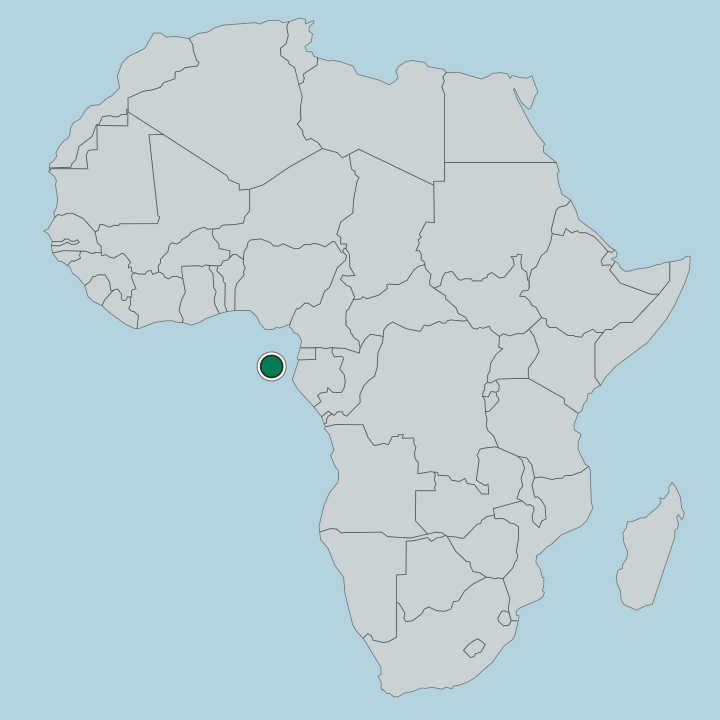
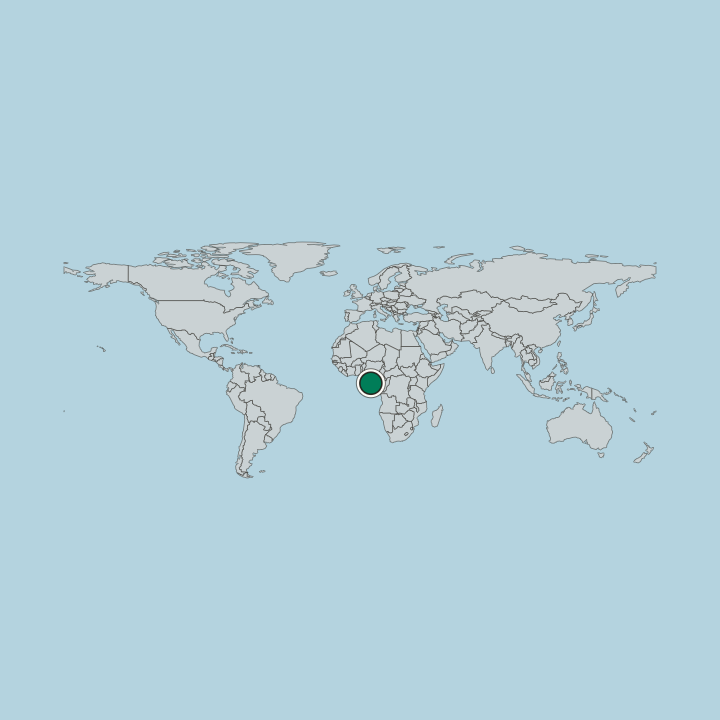
An island holds the city. São Tomé covers some 17 square kilometres on the Central African island that carries the same name, with the sea around it and Príncipe standing off as the country's second island. The sea presses in on every side.
Tropical ground and a shoreline marked by the São Sebastião Lighthouse make up most of what the capital has.
What is the climate of São Tomé?
The sea around the island rules the air. Warmth holds across the whole year on this tropical coast, and rain rather than temperature marks the turning of the seasons, so the difference between one month and another is measured in cloud and downpour. Shade is the local luxury.
Príncipe shares the same pattern.
How do you get to São Tomé?
Flights make the connection. The country's only international airport sits at São Tomé, which is why nearly every visitor to São Tomé and Príncipe passes through the capital before going anywhere else. The city is the travel hub of the country.
Roads out of the capital serve the rest of the island, and the airport keeps São Tomé at the head of the small tourism trade that the islands support.
Common questions
What is the best area to stay in São Tomé?
The old centre: Stays walking to the Our Lady of Conception Church and the Igreja do Bom Jesus. Around São Sebastião: Visitors who want the São Sebastião Museum and its lighthouse close.
Good for
Updated September 2026