
São Tomé and Príncipe
São Tomé, São Tomé and Príncipe — Towns & Travel Guide
São Tomé is the larger island of São Tomé and Príncipe, a Gulf of Guinea province holding the country's capital and its only international airport.
Hotel links are affiliate links: booking through them may earn us a commission, at no extra cost to you. It never affects how places are ranked. How this works


Towns & cities in São Tomé
One town here has its own guide — it links to where to stay.

 São Tomé and Príncipe
São Tomé
São Tomé is an island capital. Founded in 1485, it heads São Tomé and Príncipe as one of Africa's oldest colonial cities.Where to stay →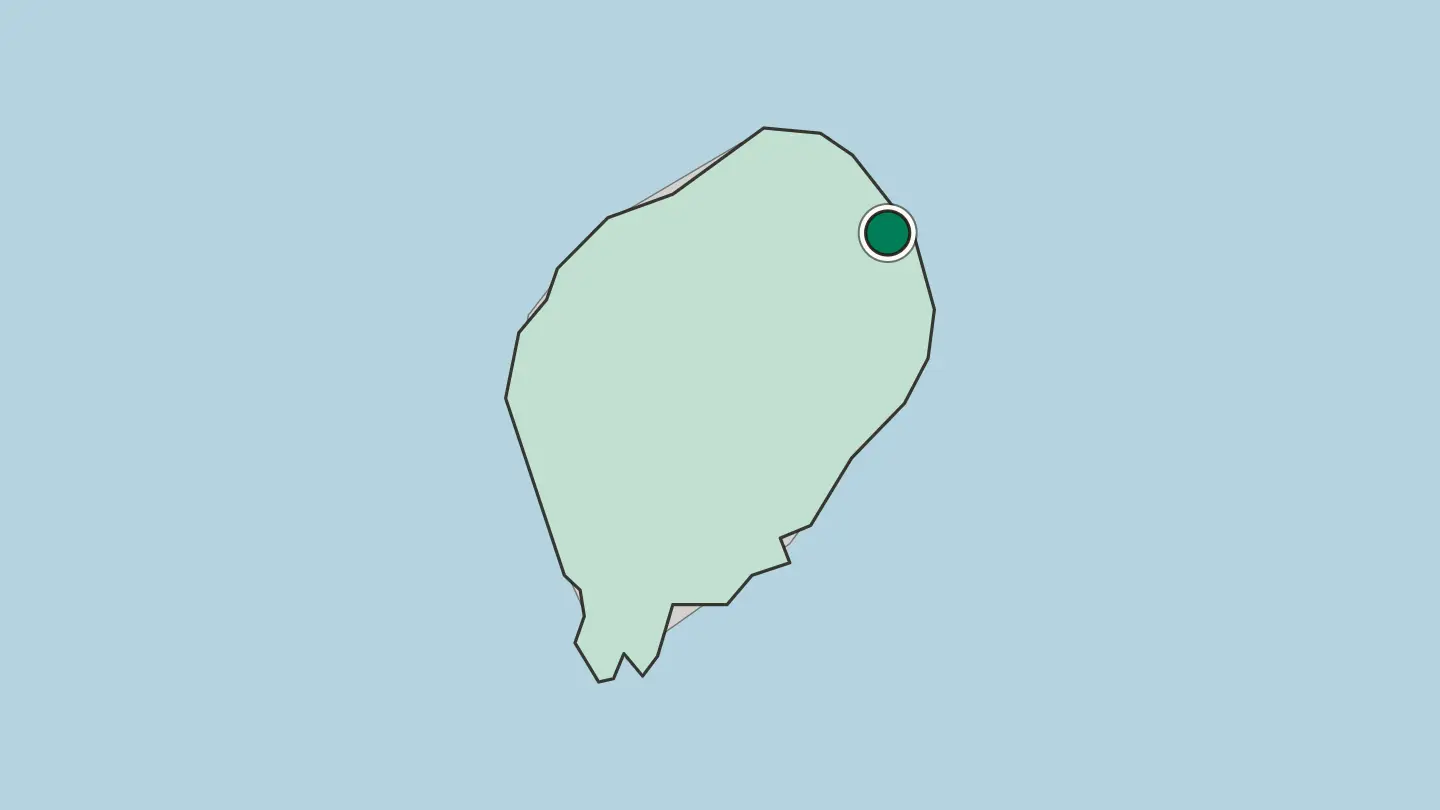
Hotel links are affiliate links: booking through them may earn us a commission, at no extra cost to you. It never affects how places are ranked. How this works
About São Tomé
Nearly everything in the country happens here.
What is São Tomé known for?
The island of São Tomé holds the capital, the commercial centre, and the only international airport in São Tomé and Príncipe, which makes the province the point that arrivals and business both pass through. Six districts divide it. Príncipe is the country's other island, and São Tomé's size and services are what set the two apart in every practical sense.
Where is São Tomé?
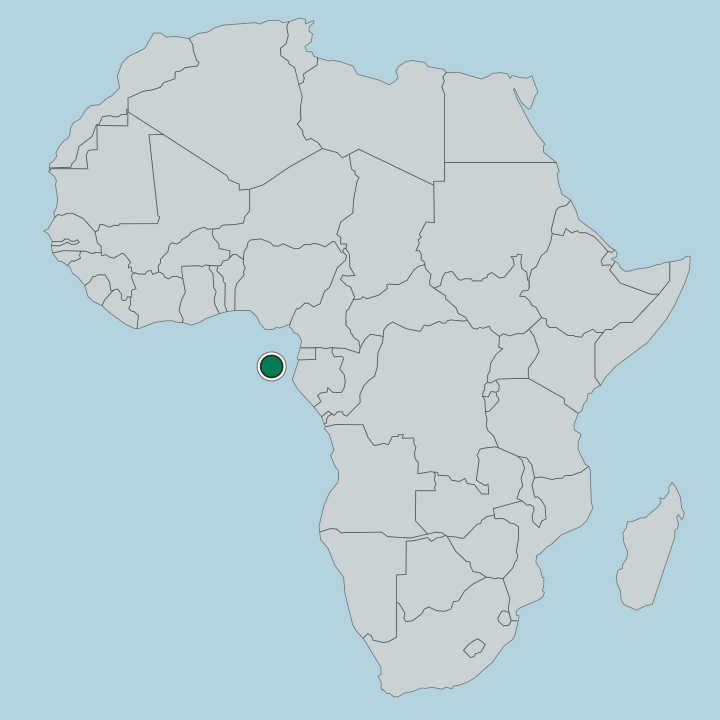
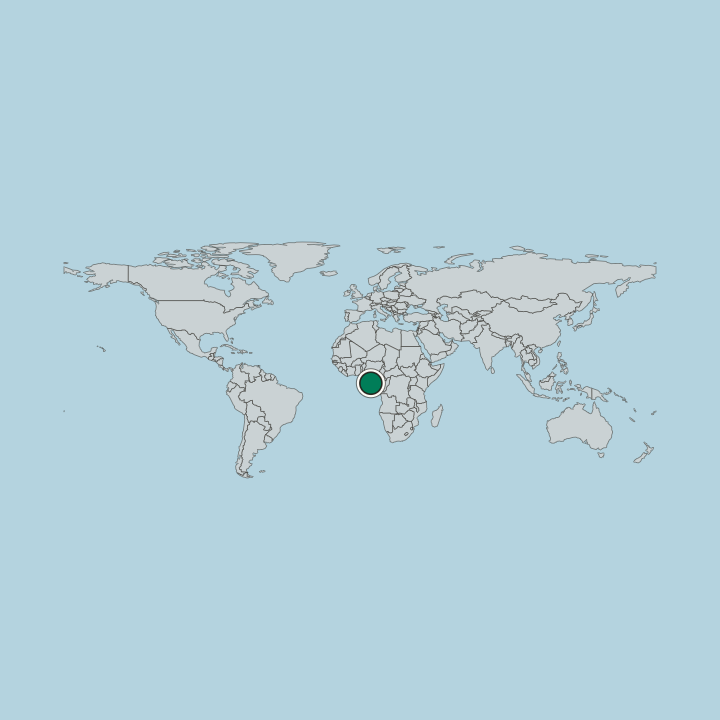
The Gulf of Guinea holds the island. São Tomé stands in open water there, the larger of the two islands that make up São Tomé and Príncipe, and its size is why the province carries most of the country's people, its capital, and its commerce. The Equator runs close by.
The island lies just 2 km north of that line, which is about as close to it as an inhabited place gets. Six districts divide the ground. Príncipe lies apart.
The smaller island belongs to the same country but is reached separately, so a traveller who wants both plans two legs rather than one. The capital sits on this island. São Tomé city gives the province its single point of concentration, and the districts around it are read in relation to that centre rather than to each other.
The province and the island are the same ground. São Tomé Province is the administrative name for what is otherwise simply the island, and the six districts are its subdivisions, so a reference to any of the three can mean the same place depending on who is writing.
What is São Tomé like?
Portuguese is the language of the island. It carries the administration, the paperwork, and the signage of São Tomé and Príncipe, and a visitor who reads it will find almost everything legible from the airport onward. The name repeats at every level.
São Tomé is the city, the island, and the province, and the country adds Príncipe to the pair, so a sentence about São Tomé needs its context before it means anything precise. Life concentrates in the capital. A city that holds the country's commerce and its only international airport draws in the working life of the whole province, and what a visitor meets of São Tomé Province in a short stay is largely what happens in that one place.
Tourism is small here. The airport gives it a way in, and the country's modest scale means that what tourism there is turns on the capital rather than on any resort strip. The islands read differently from each other.
Príncipe is administered as a separate part of the same country, and the difference between the two is one of the reasons visitors take in both.
What is the history of São Tomé?
Dates are thin in the sources. What the record fixes for São Tomé is a structure rather than a chronology: a province coextensive with the island, six districts beneath it, and a capital that has served as the country's commercial centre for as long as the accounts run. Its beginnings carry no date.
Príncipe appears throughout as the other half of São Tomé and Príncipe, smaller and administered separately, which is the arrangement the country's own name records.
What is the climate of São Tomé?
The Equator does the work here. An island sitting barely north of that line runs warm through every month, and what varies is the rain, which arrives in stretches long enough to change what a road or a trail is worth. The Gulf of Guinea keeps it humid.
Sea air crosses São Tomé from every side, since there is no direction in which the coast is far away, and the result asks for light clothes and patience rather than planning.
How do you get to São Tomé?
Everyone flies into the same place. The only international airport in São Tomé and Príncipe sits at the capital, so arrival on the island is arrival in the city, whatever the final destination turns out to be. Onward travel is local.
Movement to the districts is arranged in town, and Príncipe is a separate leg rather than a continuation of the same journey.
Common questions
What is the best area to stay in São Tomé?
São Tomé city: flights, business, and the run of the island. The six districts: days out from the capital across the island of São Tomé.
Good for
Updated September 2026