El Salvador · Departamento de San Salvador
Where to Stay in San Salvador, Departamento de San Salvador
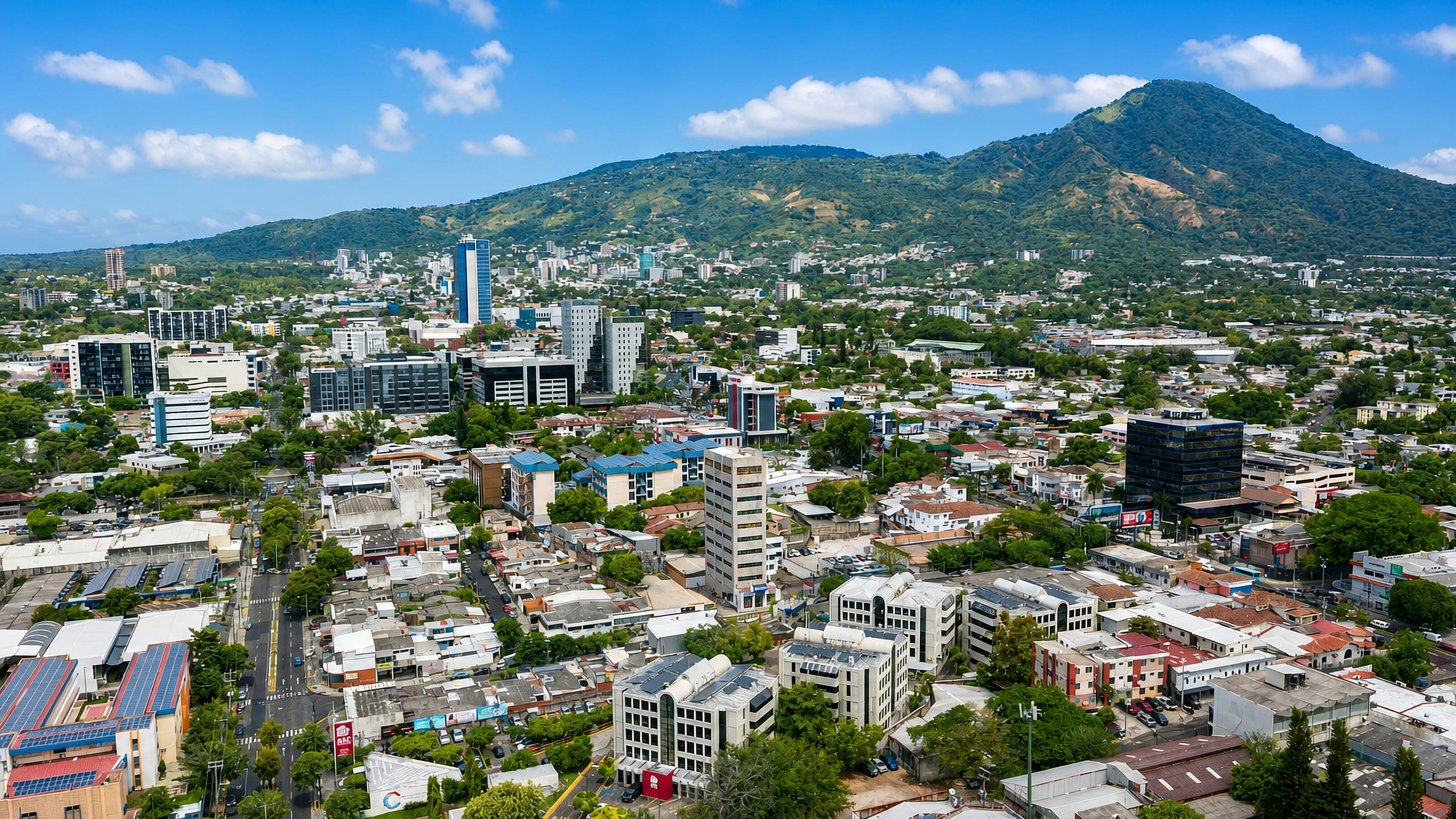
The San Salvador volcano rises over San Salvador, the capital of El Salvador in a valley near the country's centre, known for its Metropolitan Cathedral.
Hotel links are affiliate links: booking through them may earn us a commission, at no extra cost to you. It never affects how places are ranked. How this works


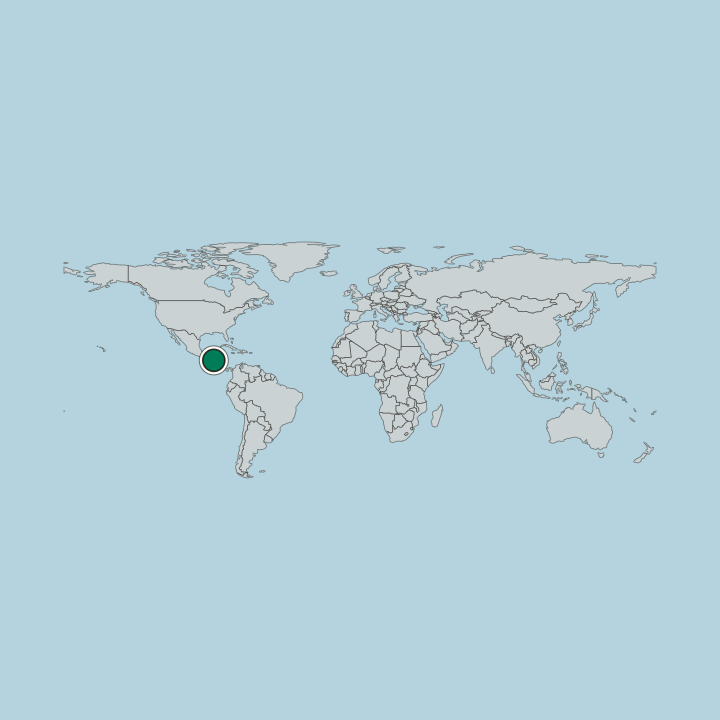
Where to stay in San Salvador
How the choice of base plays out on the ground.
San Salvador holds its lodging across the valley floor beneath the San Salvador volcano, spread between the older downtown around the Metropolitan Cathedral and the newer districts that climb the slopes to the west. The choice divides by ground. The historic core gathers around the cathedral and the central plazas, close to the museums and the civic monuments, while the western reaches of the city rise toward quieter, greener streets that sit nearer the volcano and away from the busiest downtown traffic.
A base near the centre puts the landmarks within reach. Stay downtown for the plazas. The area around the Metropolitan Cathedral keeps the Basilica of the Sacred Heart of Jesus, the central monuments, and the main museums within a short compass, so a room here suits a traveller who wants the civic heart of the capital on foot.
Those who prefer calm and open sky lean toward the higher western neighbourhoods, where the streets sit under the San Salvador volcano and the city thins toward its edge, still tied by road into the whole of San Salvador.
Find hotels in San Salvador
Direct booking searches for these neighbourhoods.
Downtown around the Metropolitan Cathedral
the historic core of San Salvador rings the Metropolitan Cathedral and the Basilica of the Sacred Heart of Jesus, with the central monuments and museums a short walk across the valley floorFind hotels in Downtown around the Metropolitan Cathedralquieter, greener streets away from downtown trafficThe western slopes under the San Salvador volcano
the higher western neighbourhoods of San Salvador climb toward the San Salvador volcano, trading the busy downtown for calmer streets still linked by road into the cityFind hotels in The western slopes under the San Salvador volcanoHotel links are affiliate links: booking through them may earn us a commission, at no extra cost to you. It never affects how places are ranked. How this works
Things to do in San Salvador
Ranked by global recognition; descriptions from Wikidata (CC0).
Museums & Galleries
3- Museo de la Fuerza Armada de El Salvador
- Museo Tin Marin
- Museo Universitario de Antropología
Churches & Religious Sites
2- Basilica of the Sacred Heart of Jesus Heritage
- Metropolitan Cathedral of San Salvador
Castles & Historic Sites
3- Monumento a la Memoria y la Verdad Heritage
- Monumento a la Paz
- Monumento al Mar
Stadiums & Sports
3- Gimnasio Nacional José Adolfo Pineda
- Palacio de los Deportes Carlos "El Famoso" Hernández
- Coliseo Complejo El Polvorín
worth knowingacross 4 categories in San Salvador
About San Salvador
What is San Salvador known for?
San Salvador is known as the capital and largest city of El Salvador, set in a valley near the base of the San Salvador volcano close to the center of the country. It is the national seat. The city carries the political, financial, and cultural weight of the country from the San Salvador Department, and its Metropolitan Cathedral, its museums, and its many public monuments draw visitors into the heart of national life.
Roads from across the country meet here.
What are the main landmarks in San Salvador?
San Salvador centres its landmarks on the Metropolitan Cathedral, the seat of the capital's cathedral on the central plaza. The monuments run through the city. Monumento Cristo de La Paz, Monumento al Mar, Monumento a la Paz, and the Monumento a la Memoria y la Verdad mark its avenues and squares, while the Basilica of the Sacred Heart of Jesus rises among the churches.
The museums gather the rest. Families and history-seekers cross the valley floor between the Museo Tin Marin, the Museo de la Palabra y la Imagen, and the Museo de Historia Natural de El Salvador.
What is the history of San Salvador?
San Salvador was founded in 1525 in the early years of Spanish rule, set in the valley below the San Salvador volcano near the center of what would become El Salvador. The valley shaped its fate. The volcano and the seismic ground beneath the basin marked the city's whole history, and San Salvador grew as the chief town of its district long before independence, holding the administrative role that would make it a capital.
With independence San Salvador rose to lead the country. It became the national seat. The city fixed itself as the capital of El Salvador and the head of the San Salvador Department, drawing the country's government, banks, and institutions into the valley around the Metropolitan Cathedral.
Through repeated shocks from the volcano and the earth, the capital rebuilt on the same ground each time, and its monuments, among them the Monumento a la Memoria y la Verdad, carry the memory of the harder passages of the country's past.
Where is San Salvador?
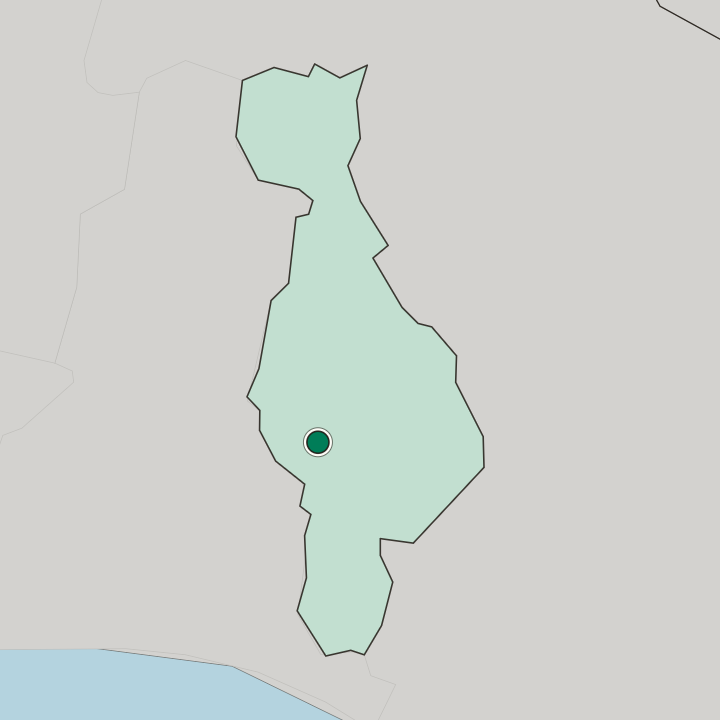
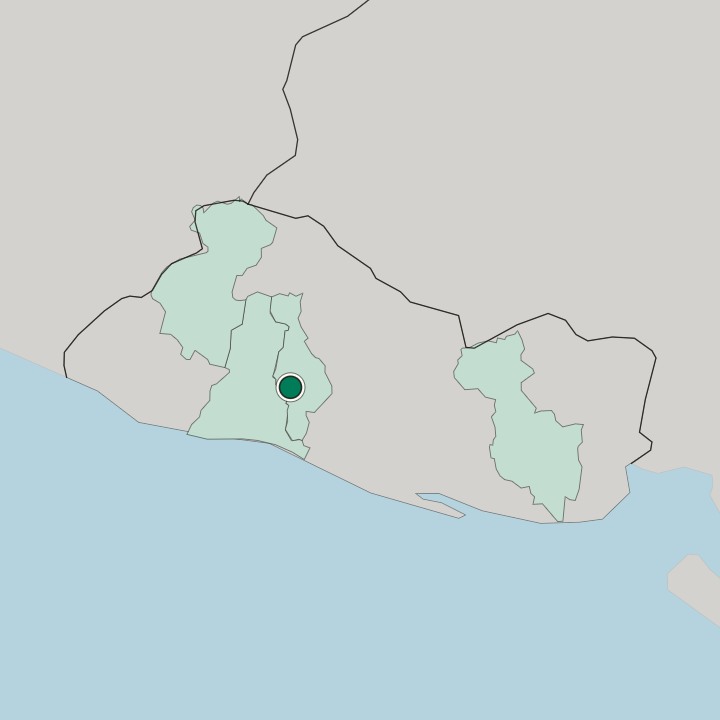
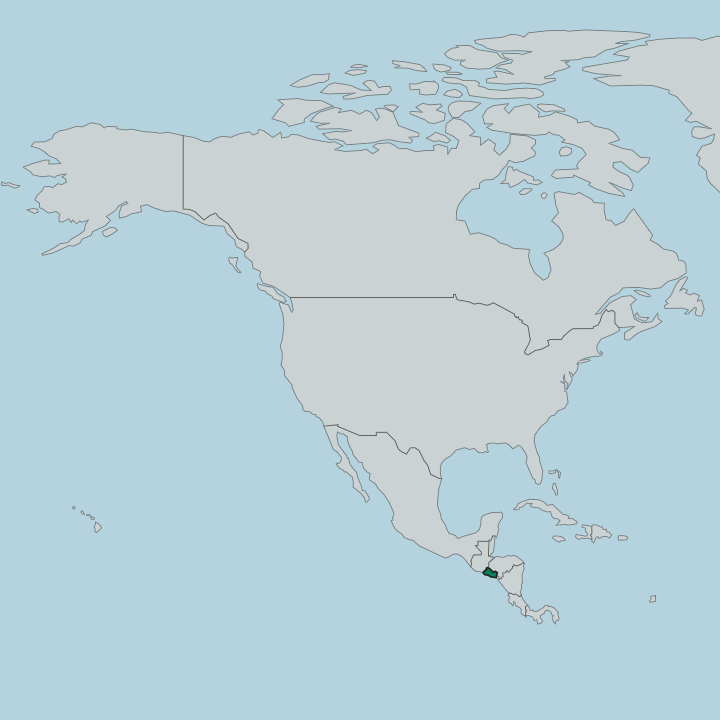
San Salvador sits in a valley near the base of the San Salvador volcano, close to the center of El Salvador in the San Salvador Department. The volcano dominates the west. The city spreads across the floor of the basin and up the surrounding slopes, ringed by volcanic hills and set on ground long shaken by the same forces that raised the San Salvador volcano above it, with the wider metropolitan spread reaching toward the neighbouring cities of its department.
What is the climate of San Salvador?
San Salvador has a warm tropical climate tempered by the altitude of its valley below the San Salvador volcano. The year splits by rain. A hot, dry stretch runs into a green rainy season when afternoon storms break over the basin and the volcano, and the height of the valley floor keeps the capital a little milder than the coastal lowlands of El Salvador beyond the hills.
How do you get to San Salvador?
San Salvador is the transport hub of El Salvador, the point near the center of the country where most major roads converge in the valley below the San Salvador volcano. Most routes lead here. The capital serves as the base for reaching the rest of the country, with highways running out from the San Salvador Department toward the coast, the northern departments, and the borders, so the city works as the natural gateway for onward travel across El Salvador.
Common questions
What is the best area to stay in San Salvador?
Downtown around the Metropolitan Cathedral: seeing the capital's plazas, monuments, and museums on foot. The western slopes under the San Salvador volcano: quieter, greener streets away from downtown traffic.
Good for
Updated September 2026