El Salvador
Departamento de San Salvador, El Salvador — Towns & Travel Guide
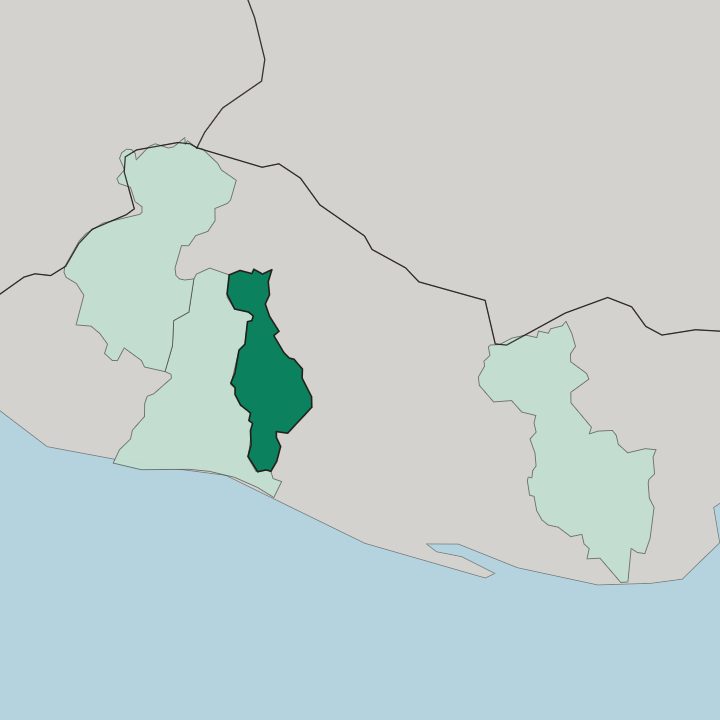
San Salvador Department sits in the west central part of El Salvador, a small department around the Valle de las Hamacas and part of Lake Ilopango.
Hotel links are affiliate links: booking through them may earn us a commission, at no extra cost to you. It never affects how places are ranked. How this works


Towns & cities in Departamento de San Salvador
One town here has its own guide — it links to where to stay.
 El Salvador
San Salvador
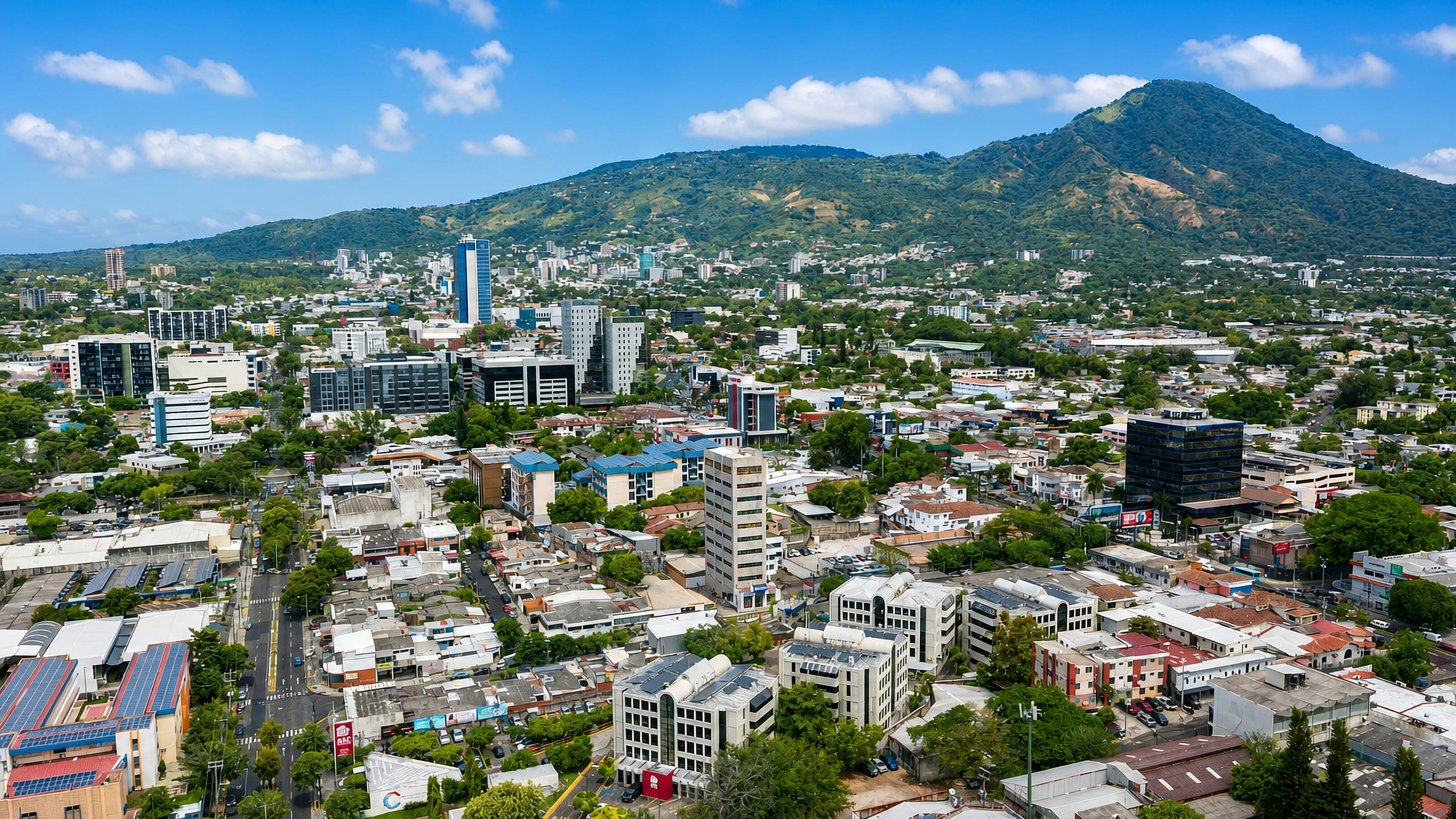
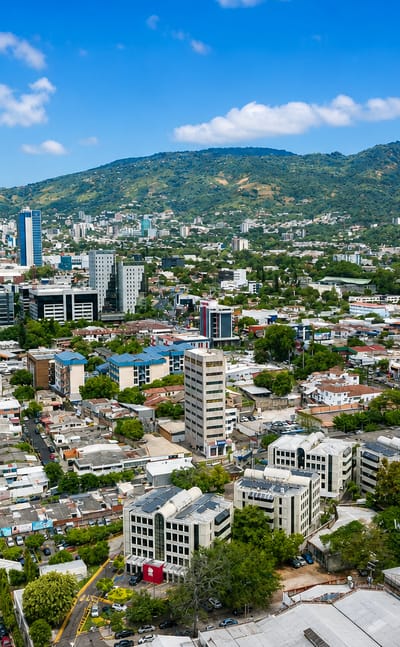
The San Salvador volcano rises over San Salvador, the capital of El Salvador in a valley near the country's centre, known for its Metropolitan Cathedral.Where to stay →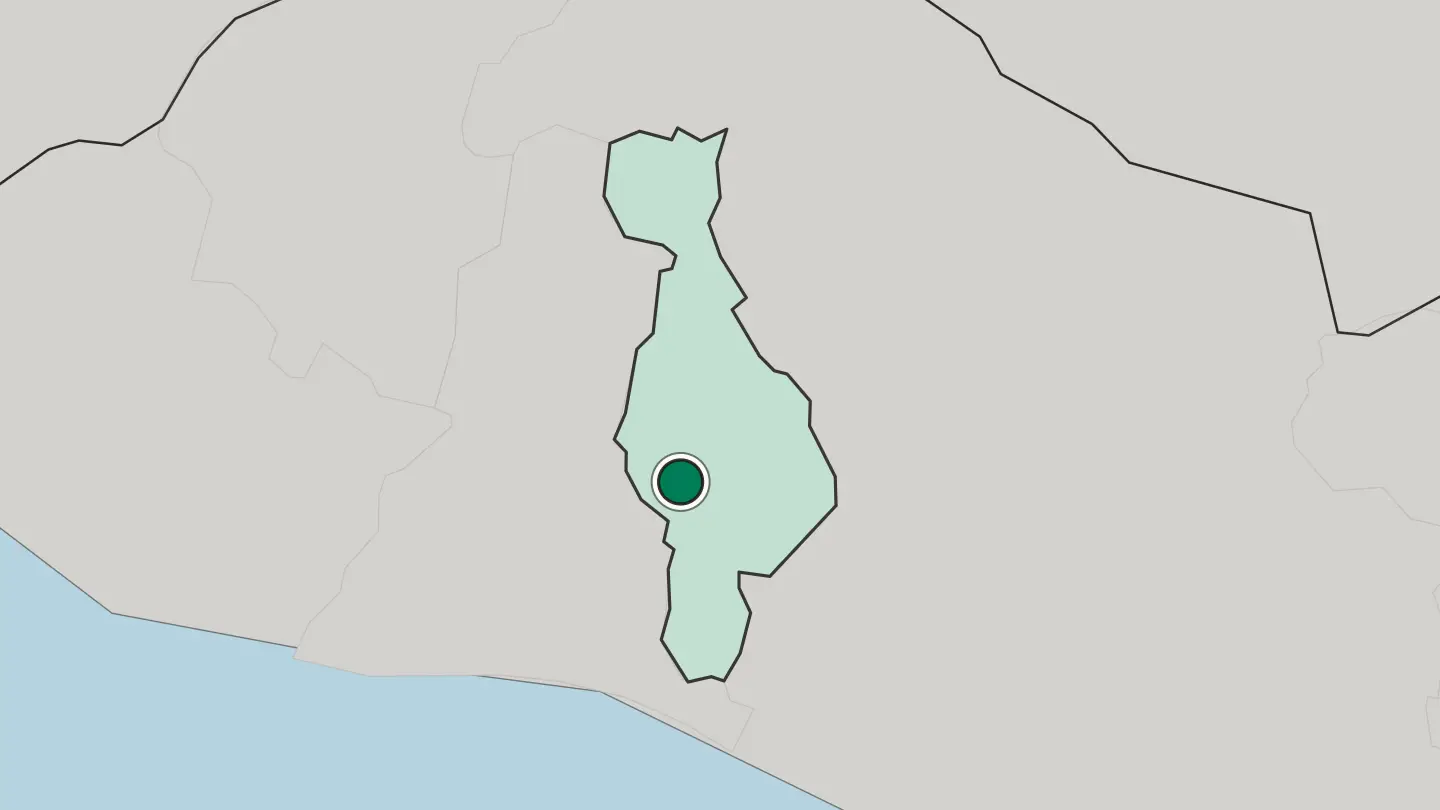
Hotel links are affiliate links: booking through them may earn us a commission, at no extra cost to you. It never affects how places are ranked. How this works
About Departamento de San Salvador
What is Departamento de San Salvador known for?
San Salvador Department is known as the seat of the country, the department in the west central part of El Salvador whose capital, San Salvador, is also the national capital. The valley defines it. Its floor is the Valle de las Hamacas, the basin north of the Río Lempa Valley that holds the capital and its tight ring of neighbouring cities, while the southern edge reaches part of Lake Ilopango and the hills above Panchimalco.
Everything gathers here.
Where is Departamento de San Salvador?
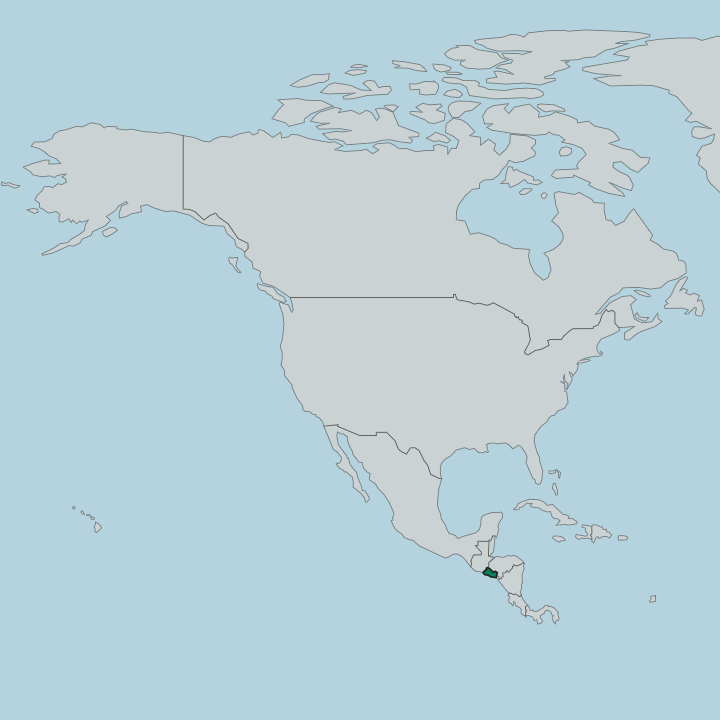
San Salvador Department occupies a compact stretch of the west central part of El Salvador, set on the floor and rim of the Valle de las Hamacas north of the Río Lempa Valley. It is one of the country's smaller departments. The valley basin carries the capital and the cluster of cities packed around it, among them Ciudad Delgado, Mejicanos, Soyapango, and Apopa, while the land climbs south toward Panchimalco and drops at its southern margin to a section of the crater lake of Ilopango.
Water and volcanic ground shape the department. Part of Lake Ilopango, a broad caldera lake, lies within its bounds, and the basin around the capital sits among the volcanic hills that ring central El Salvador. The department gave up land at its edges long ago to help form Chalatenango, La Libertad, Cuscatlán, and La Paz, leaving the tight, densely built valley at its core.
Rosario de Mora marks its smaller southern end. From the crowded floor of the Valle de las Hamacas to the shore of Lake Ilopango, the department stays small, high, and closely settled.
What is Departamento de San Salvador like?
San Salvador Department carries the outlook of the country's centre, a densely settled valley whose life turns on the twin role of its capital as both departmental and national seat. That double role colours everything. Around San Salvador the ring of cities such as Soyapango, Mejicanos, and Ciudad Delgado forms one continuous urban world in the Valle de las Hamacas, and its museums, cathedral, and public monuments give the whole department its cultural focus at the heart of El Salvador.
Beyond the built-up floor the older character survives on the department's southern rim. Panchimalco keeps it alive. The hillside town south of the capital holds long-standing Indigenous traditions and religious festivals that predate the modern spread of the valley, and Spanish threads through daily life across the department as it does through the rest of the country.
From the crowded capital to the quieter slopes above Lake Ilopango, the shared thread is a small department living at the centre of national life.
What is the history of Departamento de San Salvador?
San Salvador Department was classified as a department of El Salvador in 1824, drawn from the older colonial San Salvador Party centred on the capital. It began far larger. From that early territory land was taken to form Chalatenango, La Libertad, Cuscatlán, and La Paz, paring the department back to the tight valley around San Salvador.
The Valle de las Hamacas has held the capital through that long reshaping, and the department has kept its role as the country's political core ever since.
What is the climate of Departamento de San Salvador?
San Salvador Department has a warm tropical climate set by its position in the west central part of El Salvador and the altitude of the Valle de las Hamacas. Seasons split by rain, not cold. A hot, dry stretch gives way to a green rainy season when afternoon storms sweep the valley and the hills above Lake Ilopango, and the high floor of the basin around the capital keeps temperatures a shade easier than the coastal lowlands beyond the department.
How do you get to Departamento de San Salvador?
San Salvador Department is reached through its capital, San Salvador, the road and transport hub at the heart of El Salvador where the main national routes converge. Most arrive via the capital. From the Valle de las Hamacas highways run out to the rest of the country, tying the department's ring of cities such as Soyapango and Apopa into one network, and onward links carry travellers south past Panchimalco or out toward Lake Ilopango and the departments carved from this one.
Common questions
What is the best area to stay in Departamento de San Salvador?
San Salvador, the twin capital: basing in the Valle de las Hamacas before touring the department and country.
Good for
More regions in El Salvador
Updated September 2026