El Salvador · Departamento de Santa Ana
Where to Stay in Santa Ana, Departamento de Santa Ana
Santa Ana is the second city of El Salvador, high in the western coffee country below a great volcano.
Hotel links are affiliate links: booking through them may earn us a commission, at no extra cost to you. It never affects how places are ranked. How this works


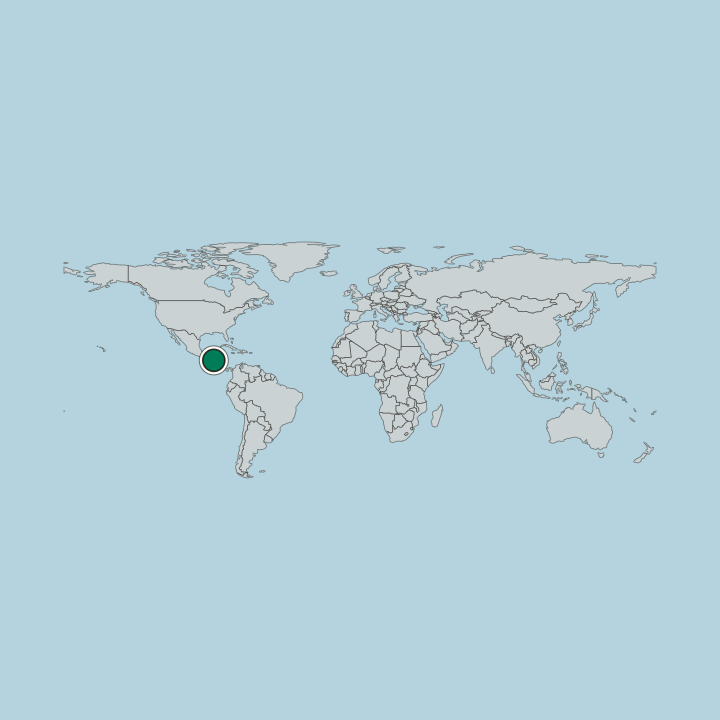
Where to stay in Santa Ana
How the choice of base plays out on the ground.
Picking a place in Santa Ana starts with the old centre. The streets around the cathedral and the theatre keep the churches, the shops, and the markets within a walk, and staying downtown suits anyone here for the city. The square fills in the cool evening.
Rooms sit near the cathedral. Out toward the volcano and the lake, the town gives way to coffee hills. A room in the hills trades the centre for cooler air, the farms, and the road up to Coatepeque.
The green slopes rise past the edge. If you want the cathedral and the markets, stay downtown; if you want the volcano, take a room in the hills. Neither choice puts you far from the cathedral and the theatre.
Find hotels in Santa Ana
Direct booking searches for these neighbourhoods.
The old centre
Around the cathedral and theatre within a walk of the marketsFind hotels in The old centreStays wanting the volcano and the lakeThe coffee hills
In the hills toward the Santa Ana volcano and Lake CoatepequeFind hotels in The coffee hillsHotel links are affiliate links: booking through them may earn us a commission, at no extra cost to you. It never affects how places are ranked. How this works
Things to do in Santa Ana
Ranked by global recognition; descriptions from Wikidata (CC0).
Museums & Galleries
1- Museo Regional de Occidente Heritage
Churches & Religious Sites
3- Iglesia El Calvario Heritage
- Santa Ana Cathedral, El Salvador
- iglesia de El Carmen
Castles & Historic Sites
8- Alcaldía Municipal de Santa Ana Heritage
- National Theatre of Santa Ana Heritage
- Centro de Artes de Occidente Heritage
- CALLES, AVENIDAS, IGLESIAS, CAPILLAS, ESTATUAS, TUMBAS, MAUSOLEOS, ESCULTURAS, JARDINES, PLAZAS, MONUMENTOS DEL CEMENTERIO MUNICIPAL SANTA ISABEL DE SANTA ANA. Heritage
- CASA DE LA CULTURA DE SANTA ANA Heritage
Show 3 more →
- Casa del Niño Heritage
- Cultural Property The Structures of the Historic Center of the City of Santa Ana Heritage
- Ex Casino Militar Heritage
worth knowingacross 3 categories in Santa Ana
About Santa Ana
Santa Ana is the coffee city of western El Salvador.
What is Santa Ana known for?
It grew rich on the coffee of the highlands around, and it keeps a grand neo-Gothic cathedral and an old opera house from those golden days, while the great Santa Ana volcano and the blue crater lake of Coatepeque lie close by. Coffee farms cover the hills. Cathedral and volcano mark the city.
What are the main landmarks in Santa Ana?
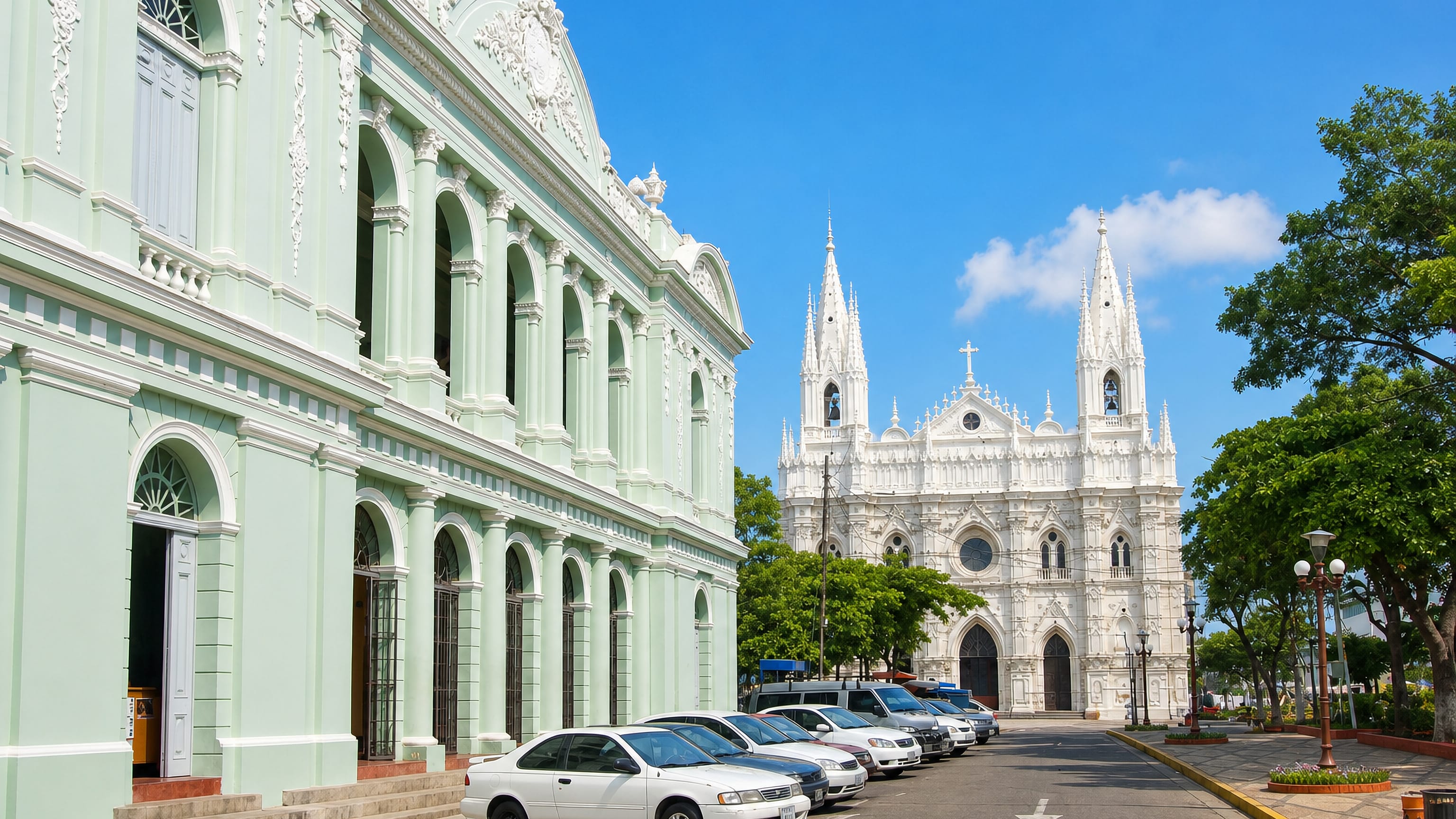
The cathedral crowns the heart of Santa Ana. The white neo-Gothic Cathedral of Santa Ana rises over the main square, the emblem of the city, in the old centre. A grand theatre stands close by.
The National Theatre keeps its gilded opera house from the coffee days, while the Santa Ana volcano and the crater lake of Coatepeque rise beyond the town.
What is the history of Santa Ana?
Santa Ana rose as a town of the western hills. The Spanish gathered an old native settlement into a town after the conquest, and it grew slowly on the high plain until coffee made its fortune. Coffee brought the city gold.
In the eighteen-hundreds the volcanic highlands proved rich for coffee, and the growers of Santa Ana grew wealthy, building fine houses, a great theatre, and a soaring cathedral. The city became the pride of the west. For a time Santa Ana rivalled the capital in wealth and beauty, its opera house and its bank the finest in the land, and coffee flowed out to the world through its warehouses.
Coffee still rules the country around. The slopes of the volcano and the hills of the west still grow the beans that made the city, and the harvest fills the town each year. The old cathedral still crowns the square.
Santa Ana keeps its coffee and its grand old buildings in the west.
Where is Santa Ana?
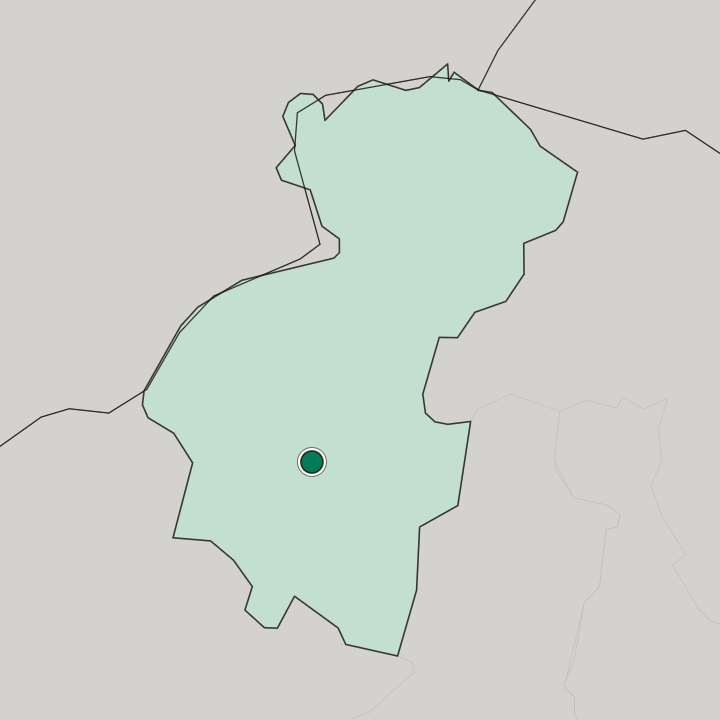
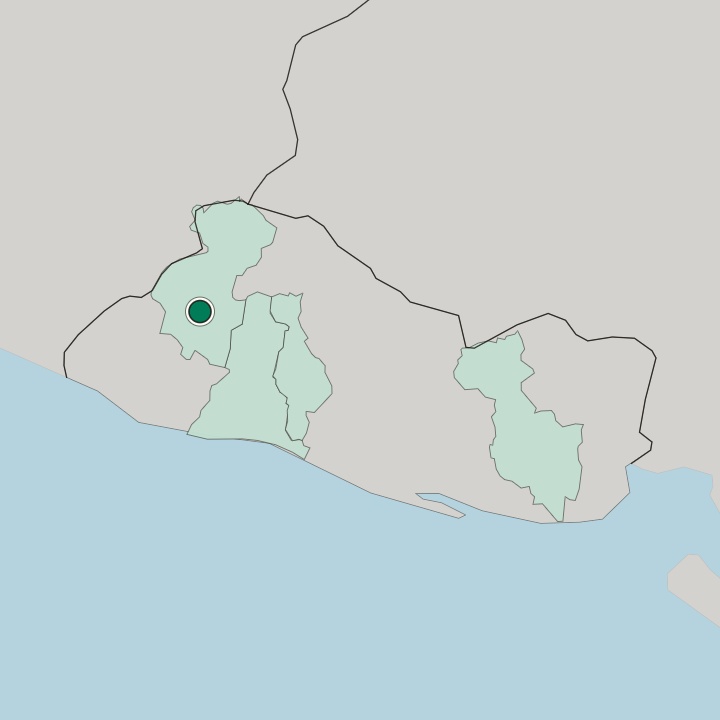
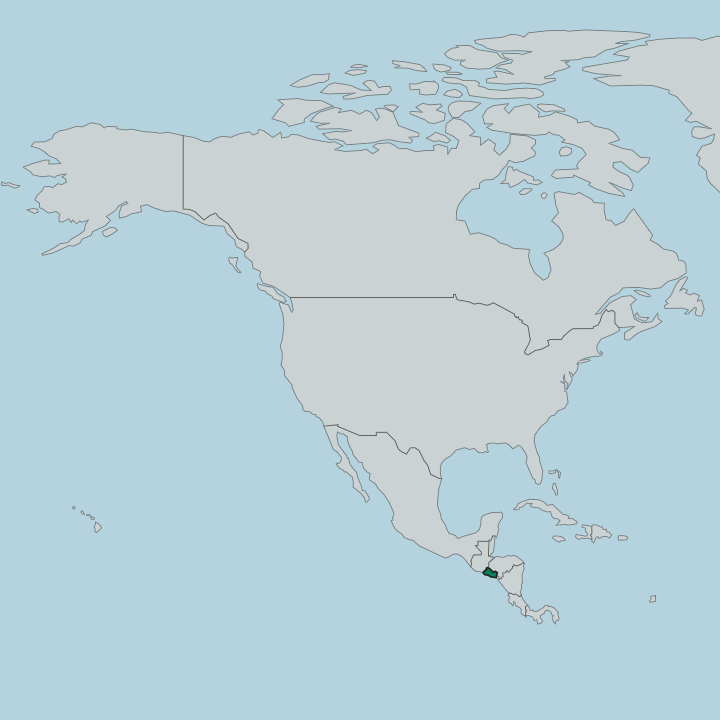
Santa Ana lies in the western highlands of El Salvador, below the Santa Ana volcano. The city sits on a high green plain among coffee hills and old volcanoes, near the crater lake of Coatepeque and the peaks of Cerro Verde, west of the capital. A great cone rises to the south.
The coffee hills roll away around.
What is the climate of Santa Ana?
Santa Ana has a mild highland climate. The height keeps the city warm by day and cool at night through the year, spring-like and pleasant, and the rains fall hard from summer into autumn on the green hills. Mist drifts over the volcano at dawn.
The coffee slopes stay green much of the year.
How do you get to Santa Ana?
Santa Ana lies in the west of El Salvador near the Guatemalan border. The Pan-American Highway runs to it from the capital and on to Guatemala, and roads climb to the volcano and the lake nearby. Buses reach the highland towns around.
Most arrive by road from San Salvador.
Common questions
What is the best area to stay in Santa Ana?
The old centre: Visitors here for the cathedral, theatre, and markets. The coffee hills: Stays wanting the volcano and the lake.
Good for
Updated October 2026