El Salvador
Departamento de Santa Ana, El Salvador — Towns & Travel Guide
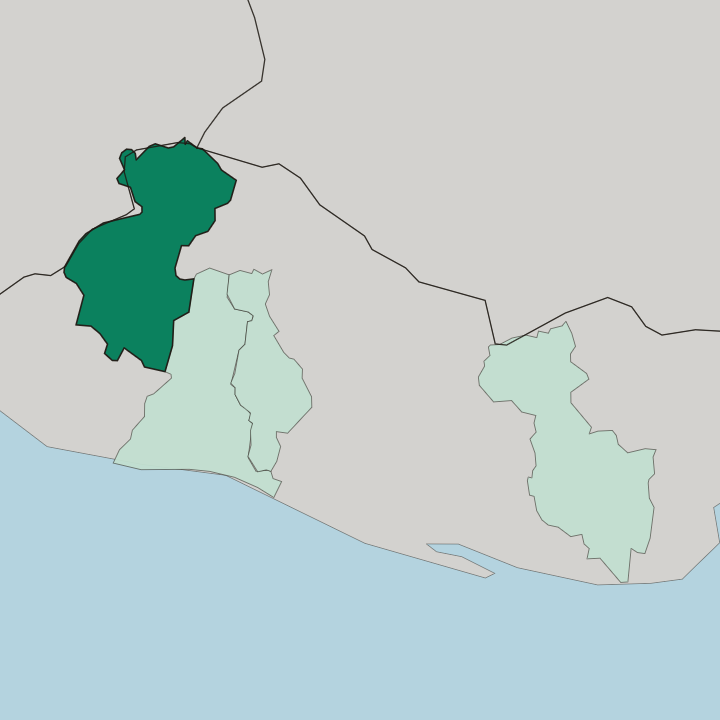
Santa Ana is a department in the northwest of El Salvador, named for its capital and marked by the Santa Ana Volcano within its bounds.
Hotel links are affiliate links: booking through them may earn us a commission, at no extra cost to you. It never affects how places are ranked. How this works


Towns & cities in Departamento de Santa Ana
One town here has its own guide — it links to where to stay.

 El Salvador
Santa Ana
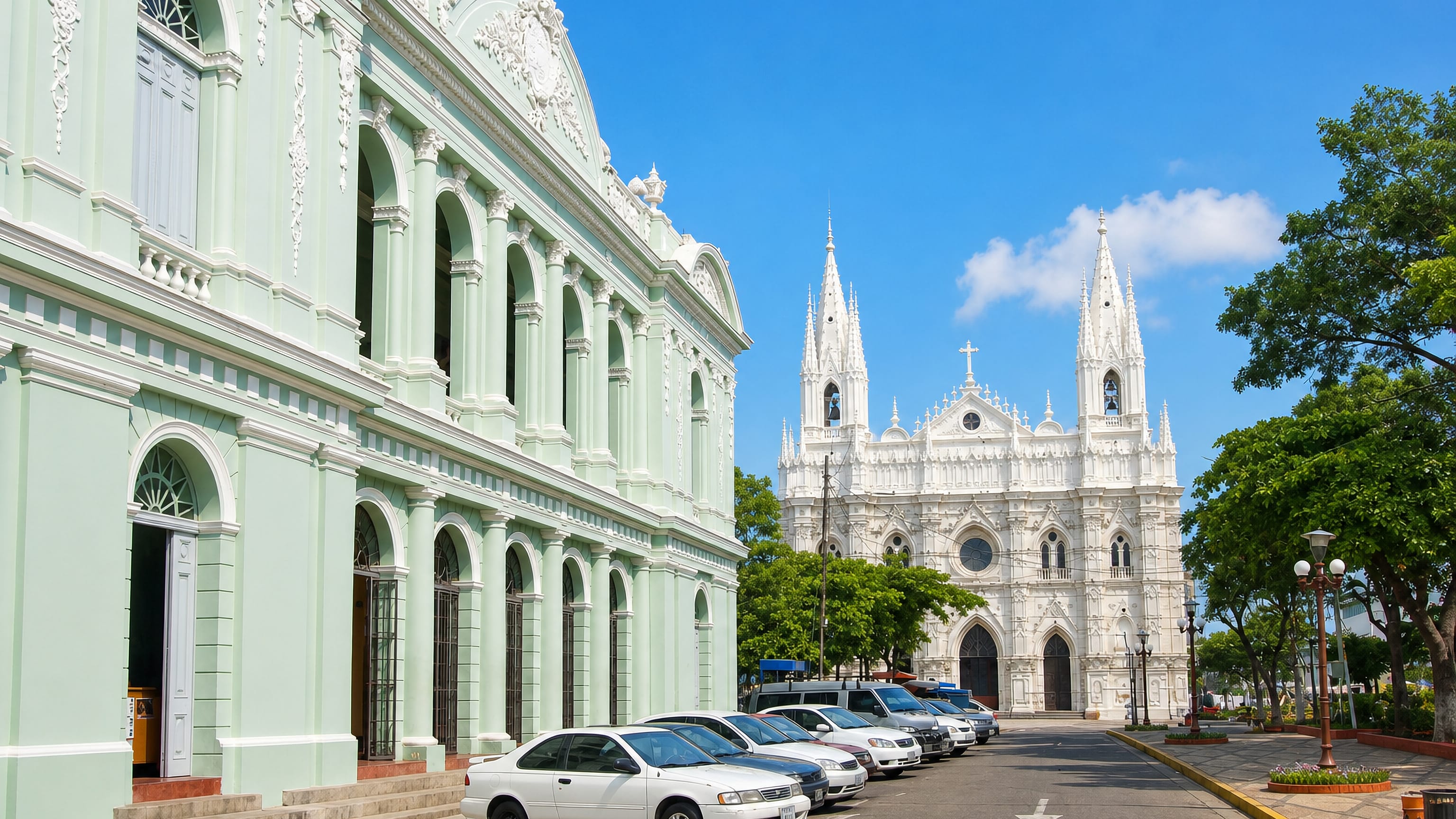
Santa Ana is the second city of El Salvador, high in the western coffee country below a great volcano.Where to stay →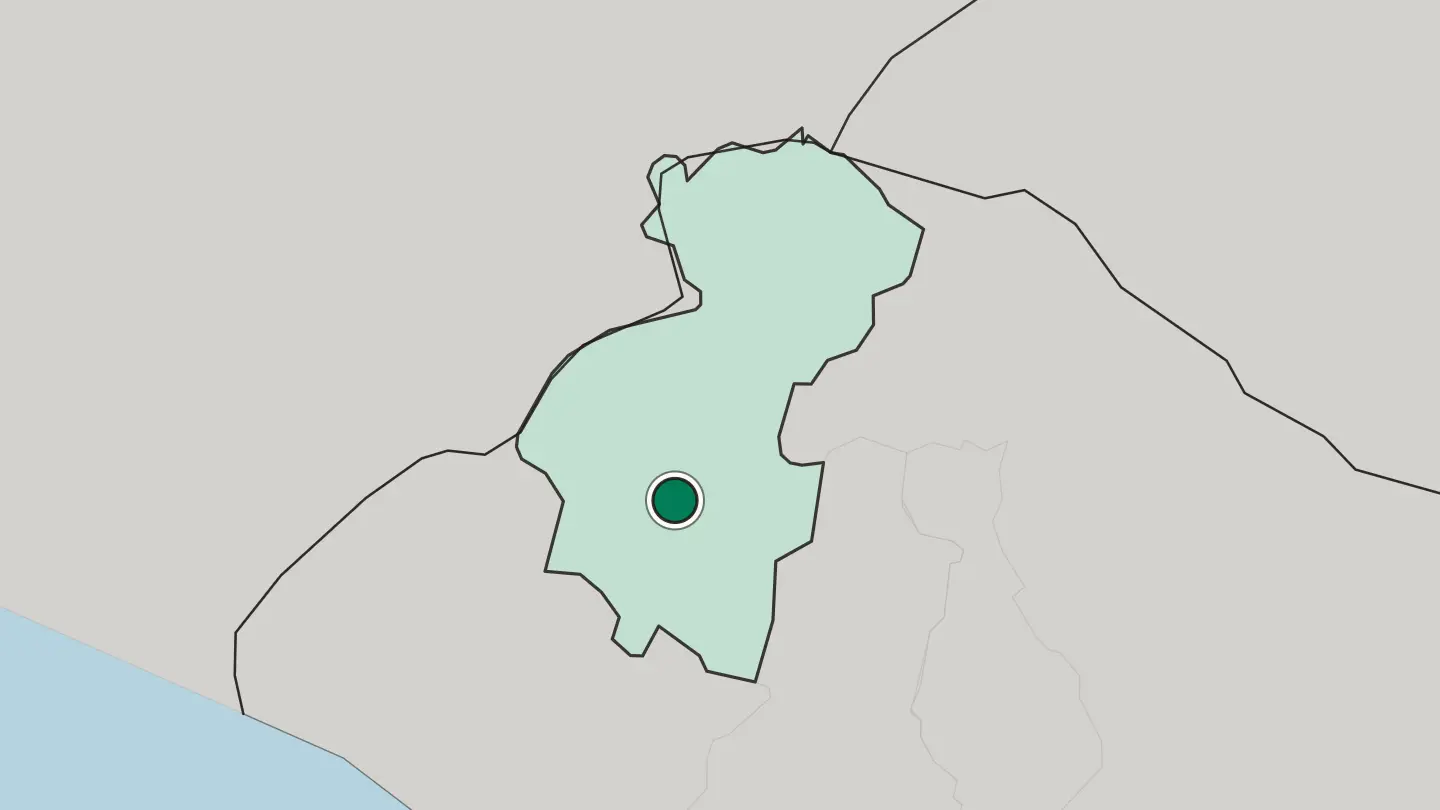
Hotel links are affiliate links: booking through them may earn us a commission, at no extra cost to you. It never affects how places are ranked. How this works
About Departamento de Santa Ana
What is Departamento de Santa Ana known for?
The Santa Ana Volcano is the department's landmark. It stands inside the boundaries of Santa Ana, and it is the feature that fixes the department in a Salvadoran's mind ahead of any office or administrative function. The capital is substantial.
Santa Ana ranks among the largest cities in El Salvador, which gives the department a second identity as an urban centre rather than a purely rural unit.
Where is Departamento de Santa Ana?
The northwest of the country is Santa Ana's ground. A little over two thousand square kilometres lie inside the department's boundary, and the shape of that ground is not flat, because the Santa Ana Volcano rises within it and gives the department a vertical dimension its area alone does not suggest. The volcano is the reference point.
Everything else in the department orients around it, and the cone gives Santa Ana a landmark that no purely administrative boundary could ever supply. The capital lies within the same unit. Santa Ana the city stands inside Santa Ana the department, which means the administrative centre, the largest city and the department's best-known natural feature all sit in one compact arrangement.
Nothing sits far from the capital. A day's driving reaches most of the department from the capital, volcano included. Tropical position applies throughout.
Santa Ana lies north of the equator inside the tropical band, and height on the volcano's flanks is the only thing that varies that basic condition anywhere in the department. Boundaries here are old. El Salvador constituted the department in 1855, and the line drawn then still encloses the same ground in the northwest of the country, capital and volcano together.
What is Departamento de Santa Ana like?
Spanish carries every transaction in the department. Santa Ana is large enough that the city's own habits set the departmental tone, and a place among the largest cities in El Salvador brings with it a commercial and civic life on a scale the department's other towns do not carry. The volcano is part of local self-description.
A department that holds a named volcano inside its boundary does not need to reach for a symbol, and the Santa Ana Volcano fills that role for people describing where they are from. Municipal life runs below the departmental level. Each town keeps its own council and its own calendar, with the department serving as the frame that groups them and Santa Ana as the city they look toward.
The arrangement dates from 1855. El Salvador has kept the same departmental frame since then, so the cultural geography a visitor encounters has had a long time to settle into its layers. Visitors feel it in the capital first.
Santa Ana the city is where the department's Spanish, its trade and its administration are densest, and it is also the natural base for anyone whose reason for coming is the volcano.
What is the history of Departamento de Santa Ana?
El Salvador constituted Santa Ana as a department in 1855. The capital took the same name. That arrangement has proved durable, and the department in the northwest of the country still carries the boundary, the seat and the name settled on in the middle of the nineteenth century.
The volcano predates all of it.
What is the climate of Departamento de Santa Ana?
Height on the Santa Ana Volcano is what varies the department's weather. The rest of Santa Ana sits in the tropical band north of the equator, where the year is organised by rain rather than by temperature, and the wet and dry stretches govern what is passable and what is not. The cone runs cooler.
Anyone climbing away from the department floor trades the heat for something sharper, which is the one significant weather contrast inside the boundary.
How do you get to Departamento de Santa Ana?
Roads in the northwest of the country run to Santa Ana. The city is the department's transfer point, and travellers heading for the Santa Ana Volcano or for the smaller municipalities almost always pass through it on the way. Its size makes that inevitable.
A capital among the largest cities in El Salvador draws the connections that a department of this extent needs.
Common questions
What is the best area to stay in Departamento de Santa Ana?
Santa Ana: travellers pairing the departmental capital's hotel range with a run out to the Santa Ana Volcano.
More regions in El Salvador
Updated September 2026