Syria · Ar-Raqqah Governorate
Where to Stay in Ar Raqqah, Ar-Raqqah Governorate
The Euphrates River flows past Ar Raqqah, a city in Syria and once capital of the Abbasid Caliphate, known for Qasr al-Banat and the Raqqa Museum.
Find your area →


Where to stay in Ar Raqqah
Where visitors usually base themselves, and why.
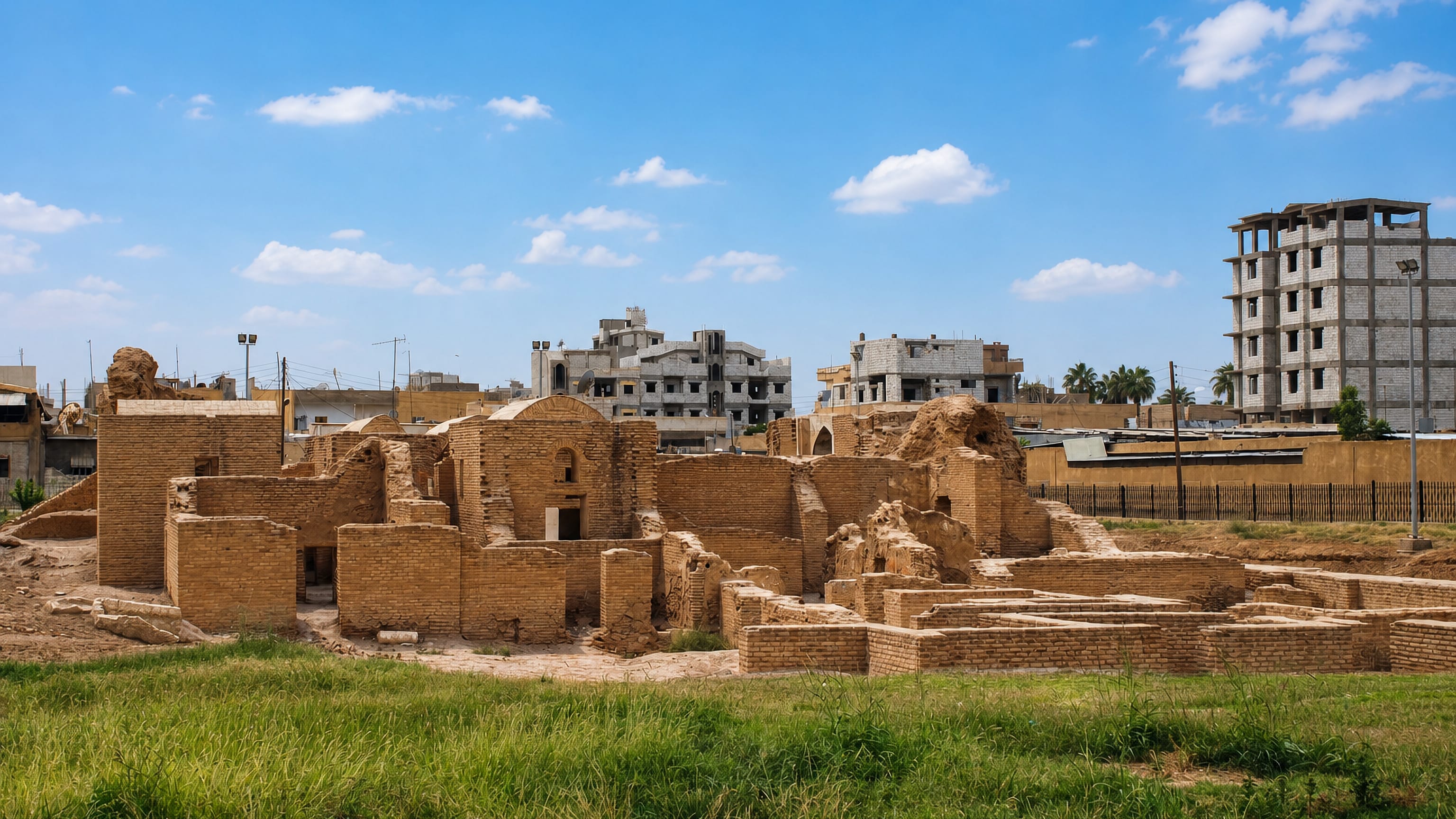
Where to stay in Ar Raqqah centres on the old city beside the Euphrates River. The historic core gathers the city's heritage, so a central position sits close to the Raqqa Museum, the Abbasid ruins of Qasr al-Banat, and the churches of the older quarters. The river runs along its edge.
Beyond the centre, the ground rises toward the ancient mound of Tell Bi'a, where the oldest settlement once stood. The city reads through its layers. The historic centre holds the Abbasid palace of Qasr al-Banat and the Raqqa Museum within the old street grid by the river, while the Holy Martyrs' church and the Holy Mother of God church mark the Christian heritage of the town.
Stay near the centre for the ruins and the museum. The river frames it all. Farther out, the mound of Tell Bi'a and the open plain along the Euphrates carry the deeper archaeology of the site.
Things to do in Ar Raqqah
Ranked by global recognition; descriptions from Wikidata (CC0).
Museums & Galleries
1- Raqqa Museum
Churches & Religious Sites
2- Holy Mother of God church Heritage
- Holy Martyrs' church
Castles & Historic Sites
2- Tell Bi'a
- Qasr al-Banat
worth knowingacross 3 categories in Ar Raqqah
About Ar Raqqah
What is Ar Raqqah known for?
Ar Raqqah is known as an ancient city on the north bank of the Euphrates River, once the capital of the Abbasid Caliphate. Its past runs deep. Under Harun al-Rashid the city served as the Abbasid capital between 796 and 809, long after it had been the Roman and Byzantine town of Callinicum, and its ruins and museum still record that history.
It stands among Syria's larger cities. The Euphrates has shaped its fortunes since antiquity.
What are the main landmarks in Ar Raqqah?
Ar Raqqah's landmarks reach back to antiquity. The Abbasid palace of Qasr al-Banat and the collections of the Raqqa Museum record the medieval city, while the ancient mound of Tell Bi'a preserves a settlement older still. Among them stand the town's old churches.
The Holy Martyrs' church and the Holy Mother of God church mark the town's Christian heritage beside the ruins of the Euphrates city.
What is the history of Ar Raqqah?
Ar Raqqah traces its history deep into antiquity on the north bank of the Euphrates River. It began as Callinicum. The Hellenistic, Roman, and Byzantine town of that name held a bishopric and guarded the river, its founding dated to 244, while the mound of Tell Bi'a nearby marks a settlement older than the classical city.
Trade moved along the river. The city reached its height under the Abbasids. Between 796 and 809 it served as the capital of the Abbasid Caliphate under Harun al-Rashid, and the palace of Qasr al-Banat survives from that age alongside the record kept in the Raqqa Museum.
Centuries followed. Between 2014 and 2017 the city was held by the Islamic State. The Euphrates still runs past its walls.
Where is Ar Raqqah?
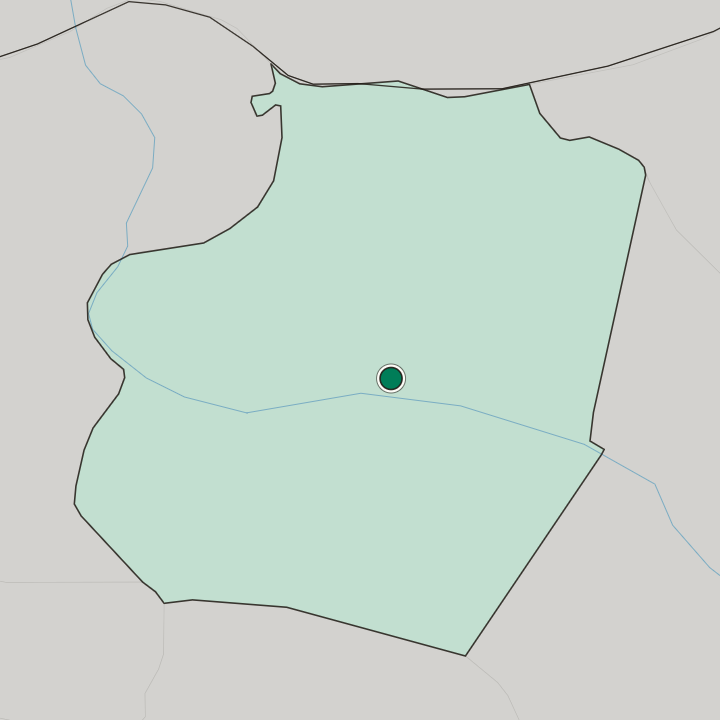
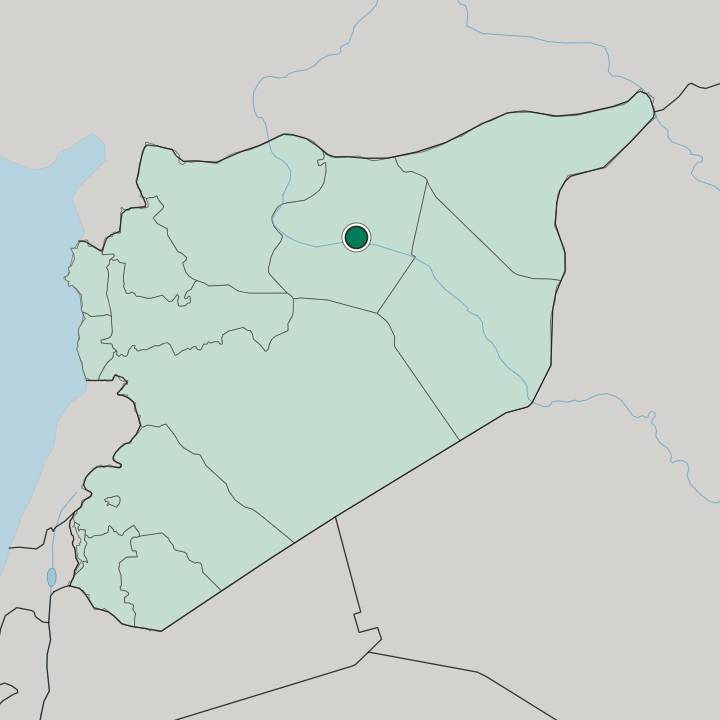
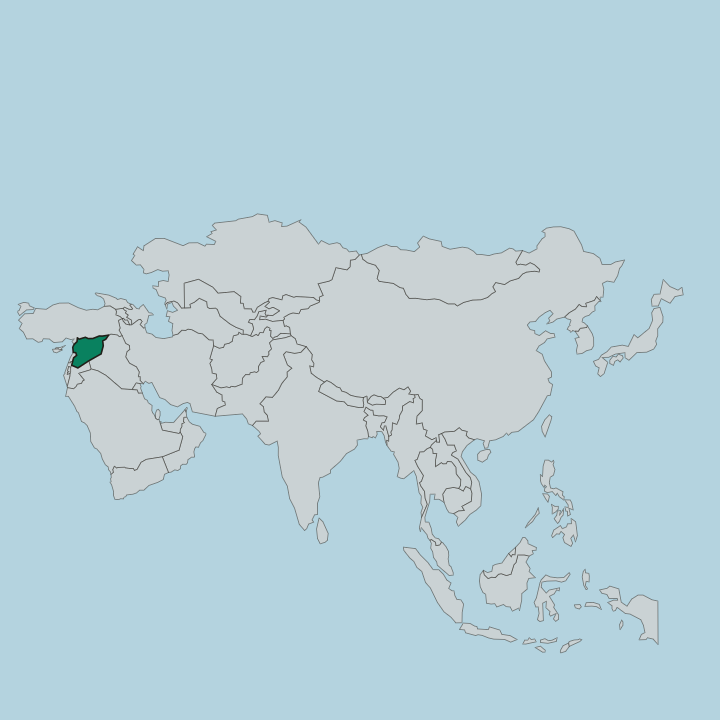
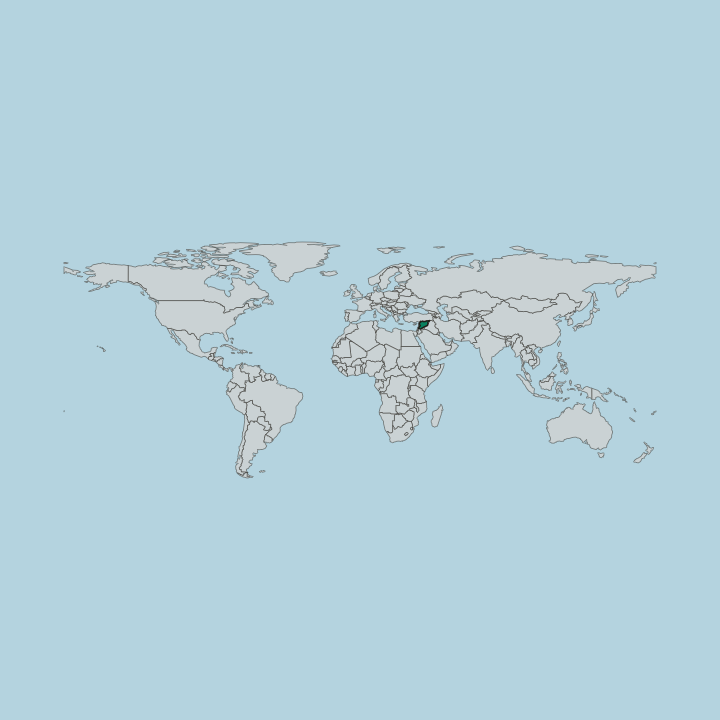
Ar Raqqah stands on the north bank of the Euphrates River, on the plains of inland Syria about 160 kilometres east of Aleppo. Water defines the site. The Euphrates runs along the city's southern edge, and the Euphrates Dam, the largest in Syria, holds the river upstream to the west.
Flat, dry plains stretch around it. The old city sits close to the water, with the mound of Tell Bi'a rising beyond it.
What is the climate of Ar Raqqah?
Ar Raqqah has a hot, dry climate shaped by its place on the inland plains of Syria. Summers are long and scorching. Little rain falls across the year, and the heat builds over the flat land along the Euphrates River before the winters turn cool and short under clear skies.
The river is the one constant. Dry winds cross the plains around the city, and the Euphrates carries what green there is.
How do you get to Ar Raqqah?
Ar Raqqah is reached by road across the plains of inland Syria. The routes follow the river. Highways run west toward Aleppo and along the Euphrates River past the Euphrates Dam, while crossings carry traffic over the water to the north bank where the city stands.
The plains open in every direction. From Ar Raqqah, roads lead out across the dry country that surrounds the Euphrates valley.
Good for
Updated September 2026