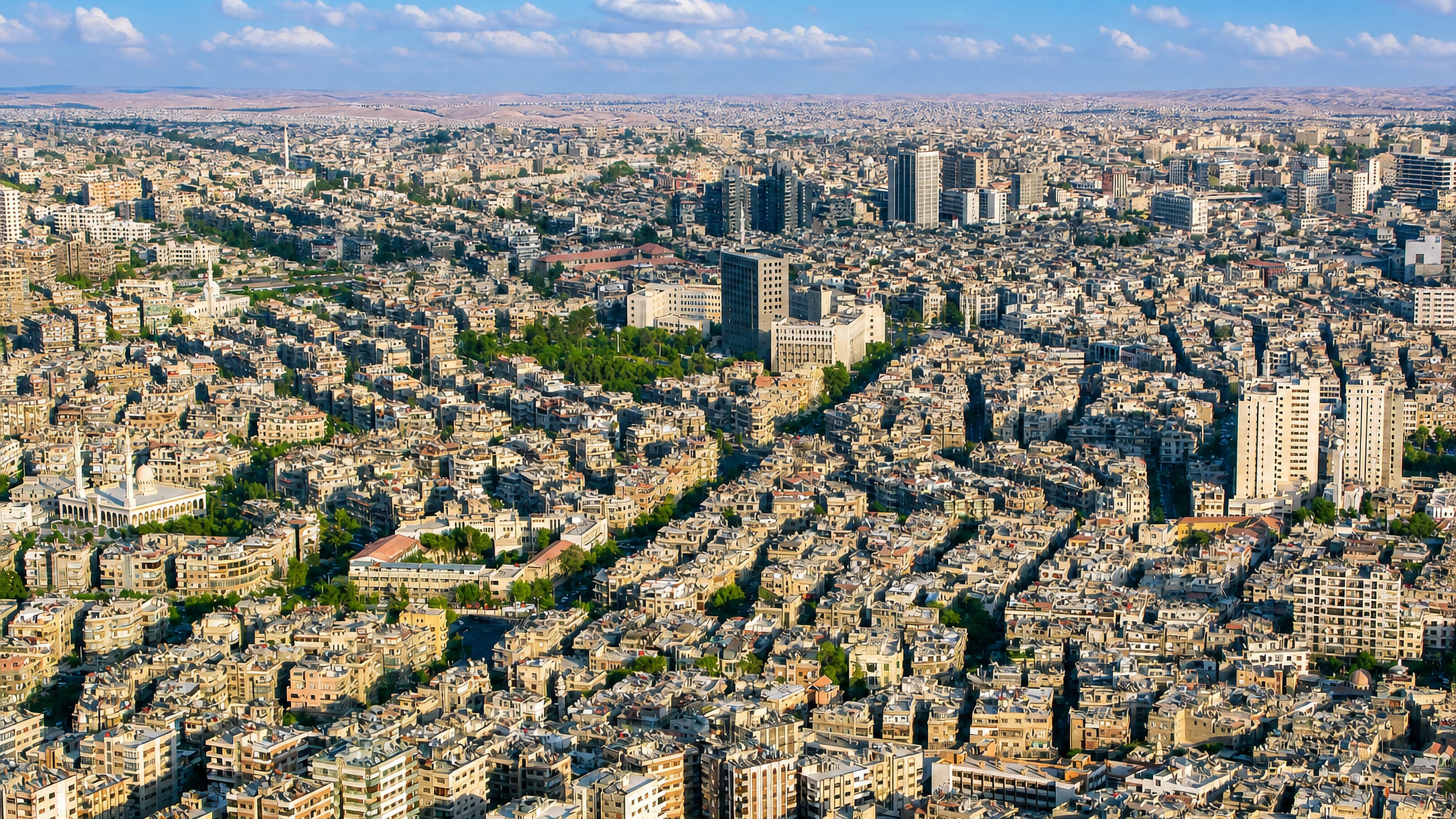
Syria: Regions, Cities & Travel Guide
Syria is a country on the Eastern Mediterranean, in the Levant of West Asia, its capital Damascus among the oldest inhabited cities on earth.
Top destinations →

Top destinations in Syria
Cities to start from, then drill into areas and hotels.
 Syria
Syria
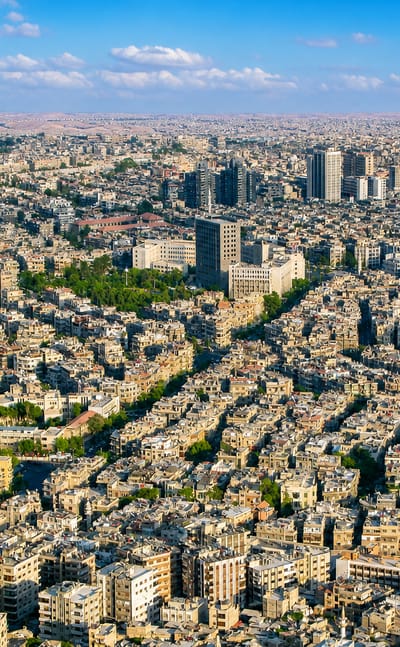
Damascus
Damascus is the capital of Syria and among the oldest cities on earth, an old core of mosques and churches known as the City of Jasmine.Where to stay →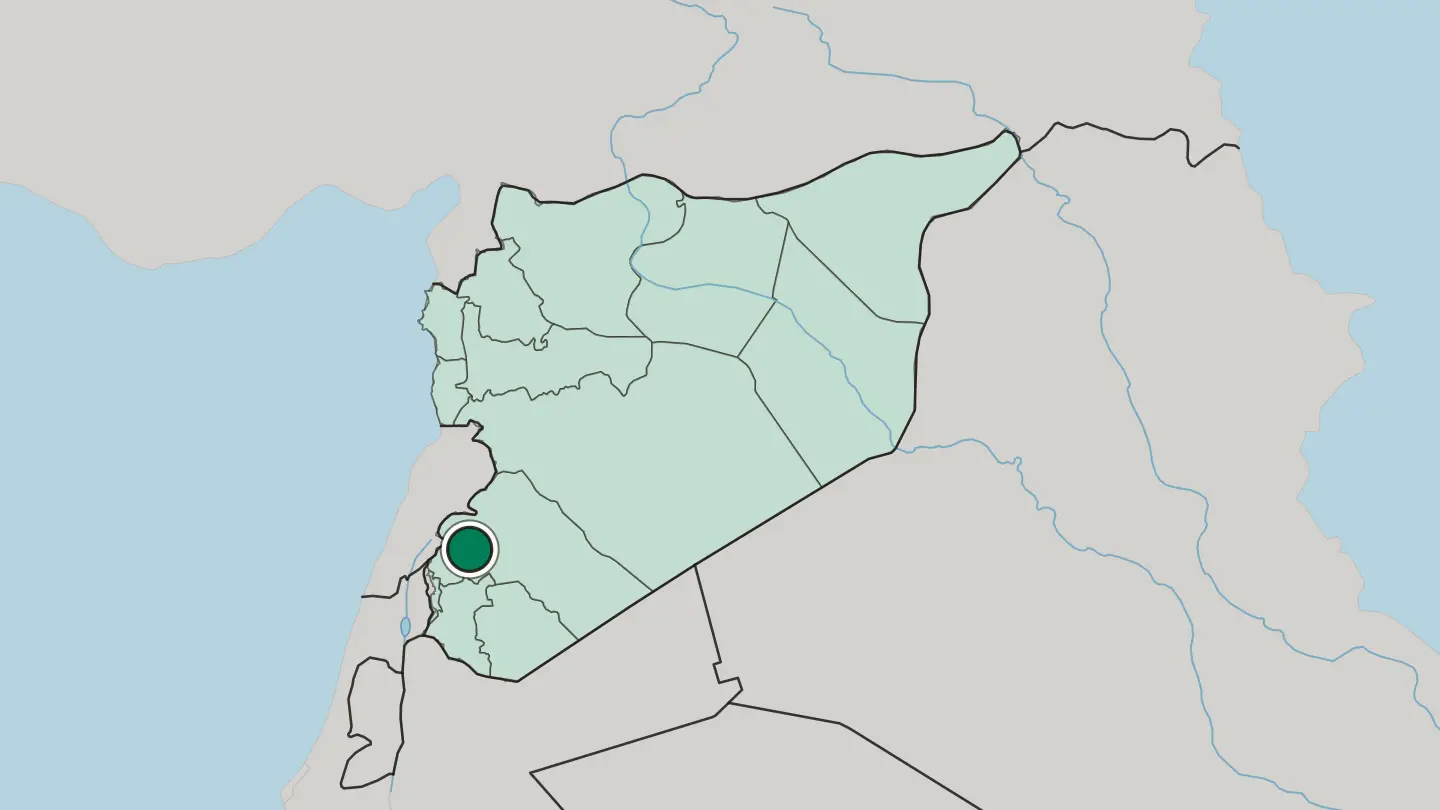
 Syria
Syria
Aleppo
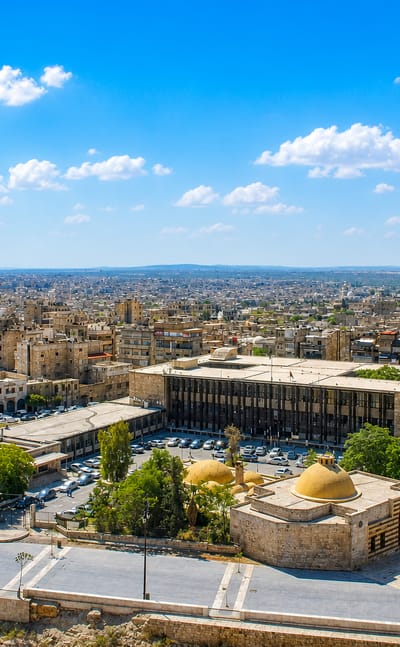
The Citadel of Aleppo crowns the old city, capital of the Aleppo Governorate in northern Syria and one of the oldest continuously inhabited cities.Where to stay →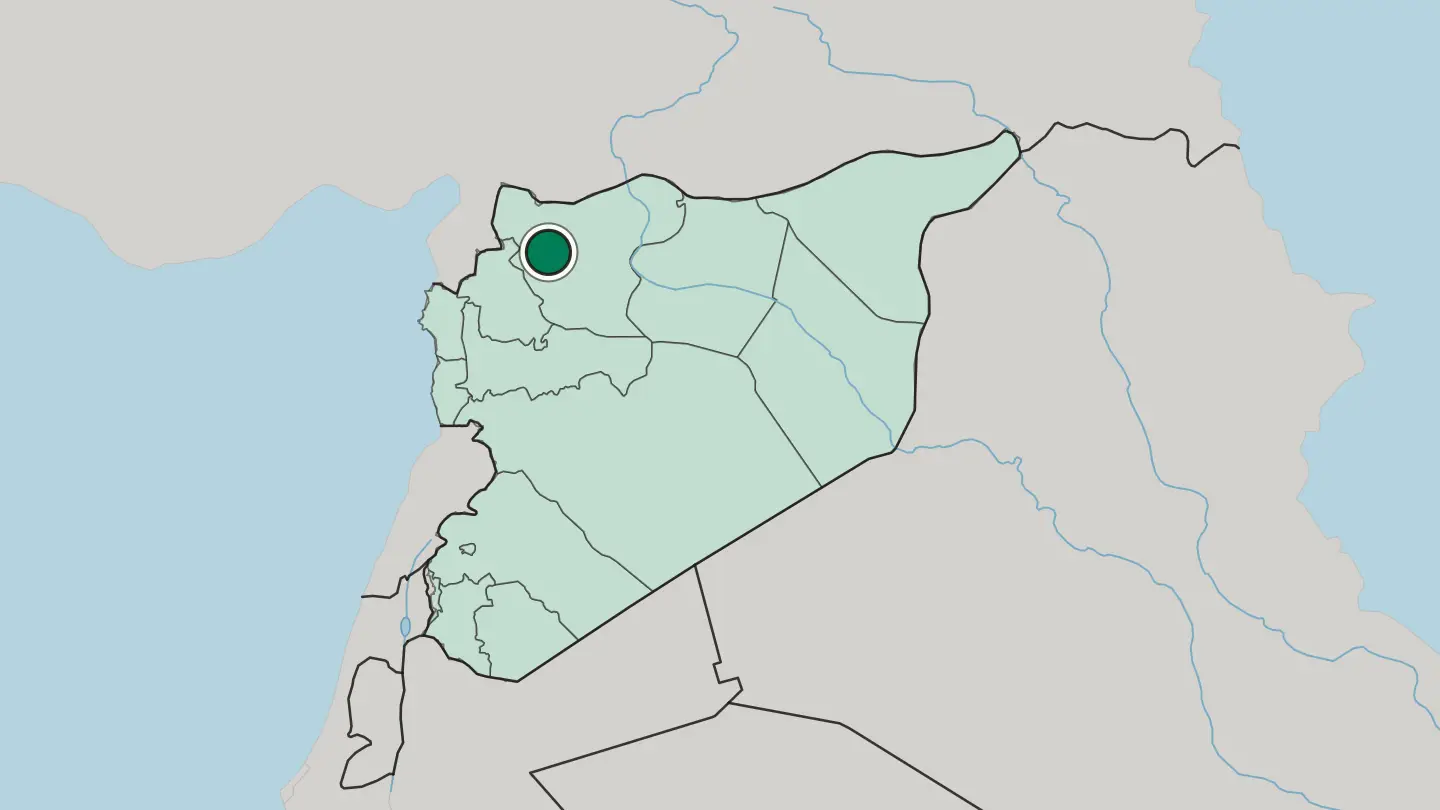
 Syria
Syria
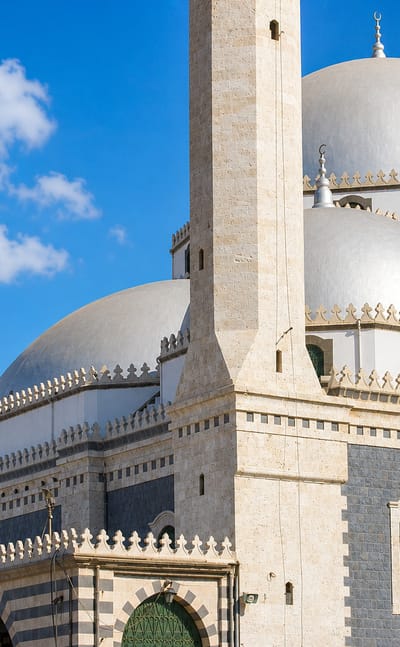
Homs
The Orontes River runs through Homs, an ancient city of western Syria once called Emesa and capital of the Homs Governorate.Where to stay →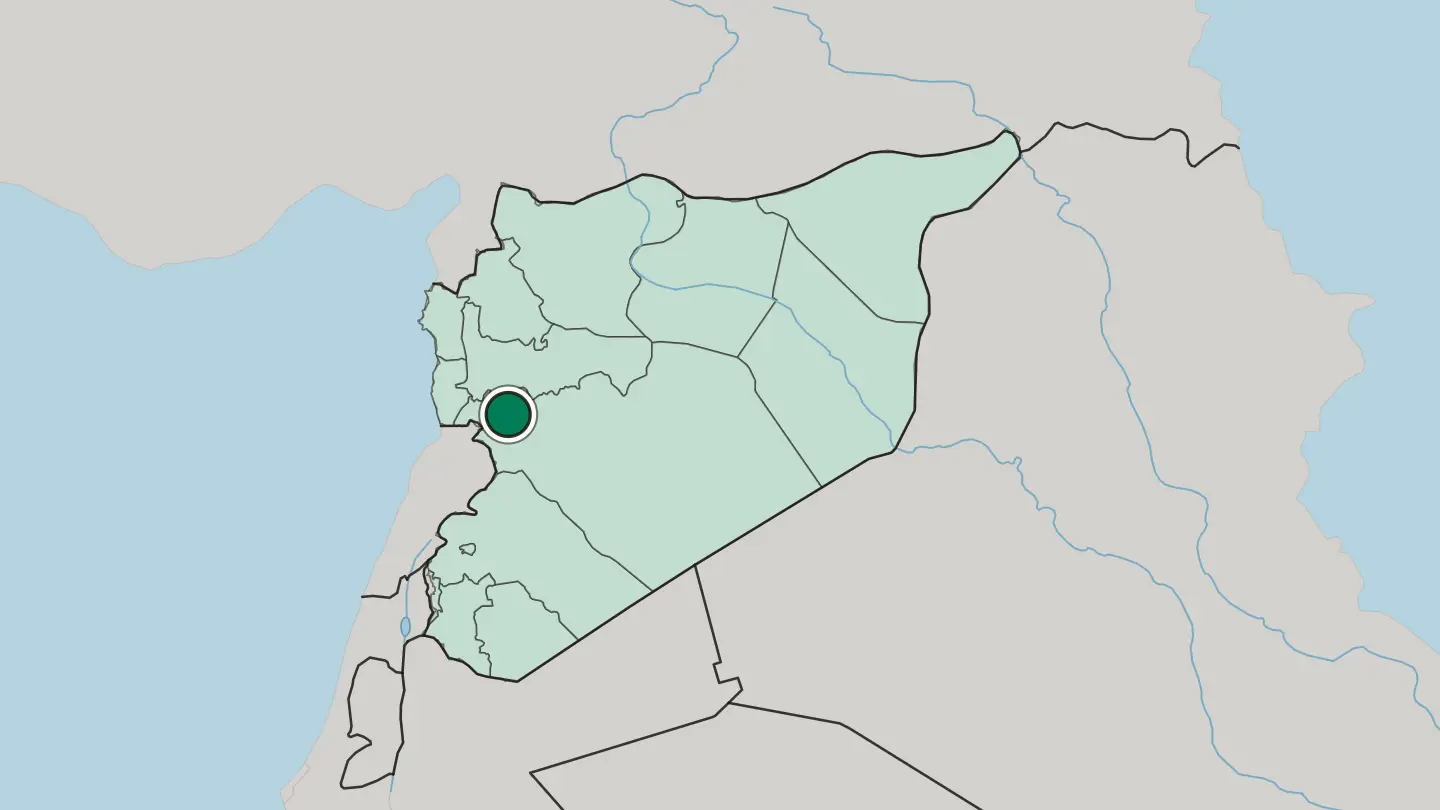
 Syria
Syria
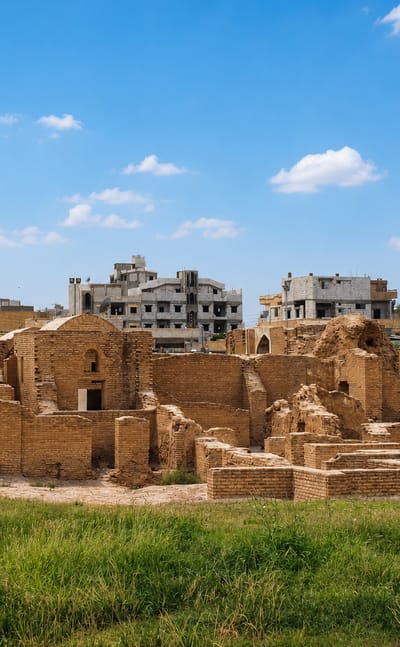
Ar Raqqah
The Euphrates River flows past Ar Raqqah, a city in Syria and once capital of the Abbasid Caliphate, known for Qasr al-Banat and the Raqqa Museum.Where to stay →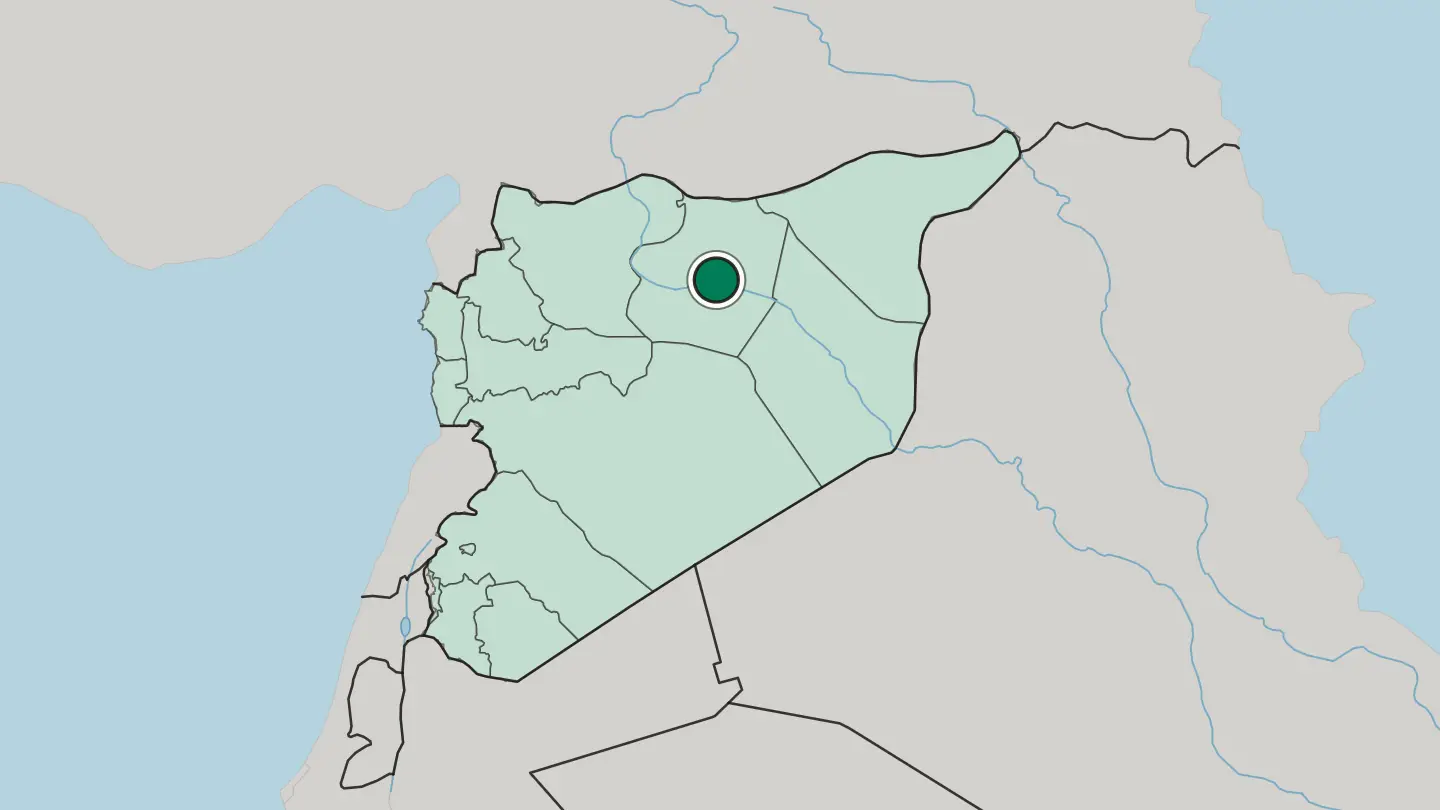
 Syria
Syria
Latakia
Latakia is the principal port of Syria, a Mediterranean city known in antiquity as Laodicea ad Mare and the seat of Latakia Governorate.Where to stay →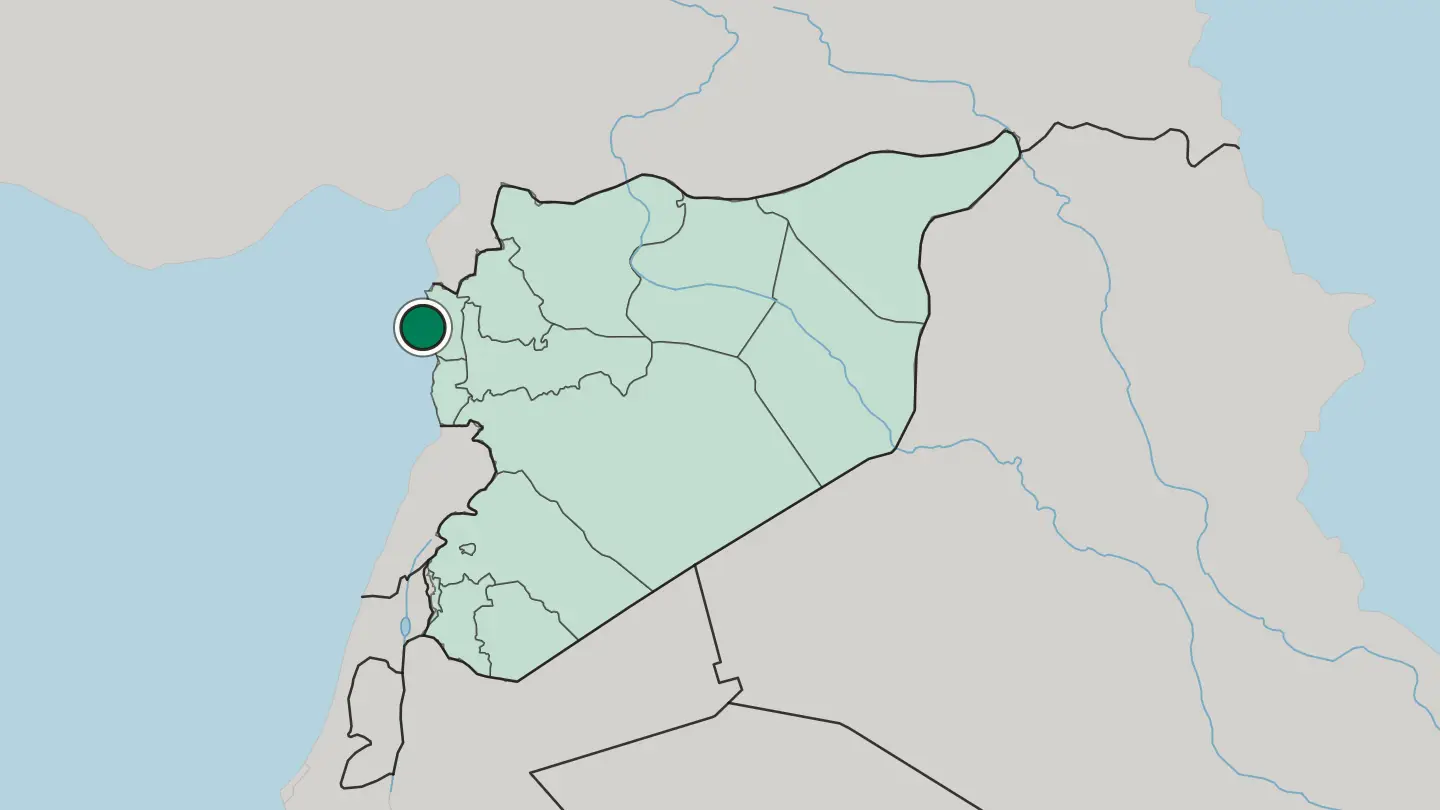 Syria
Syria
Deir ez-Zor
The Euphrates runs through Deir ez-Zor, the largest city of eastern Syria and the seat of Deir ez-Zor Governorate.Where to stay →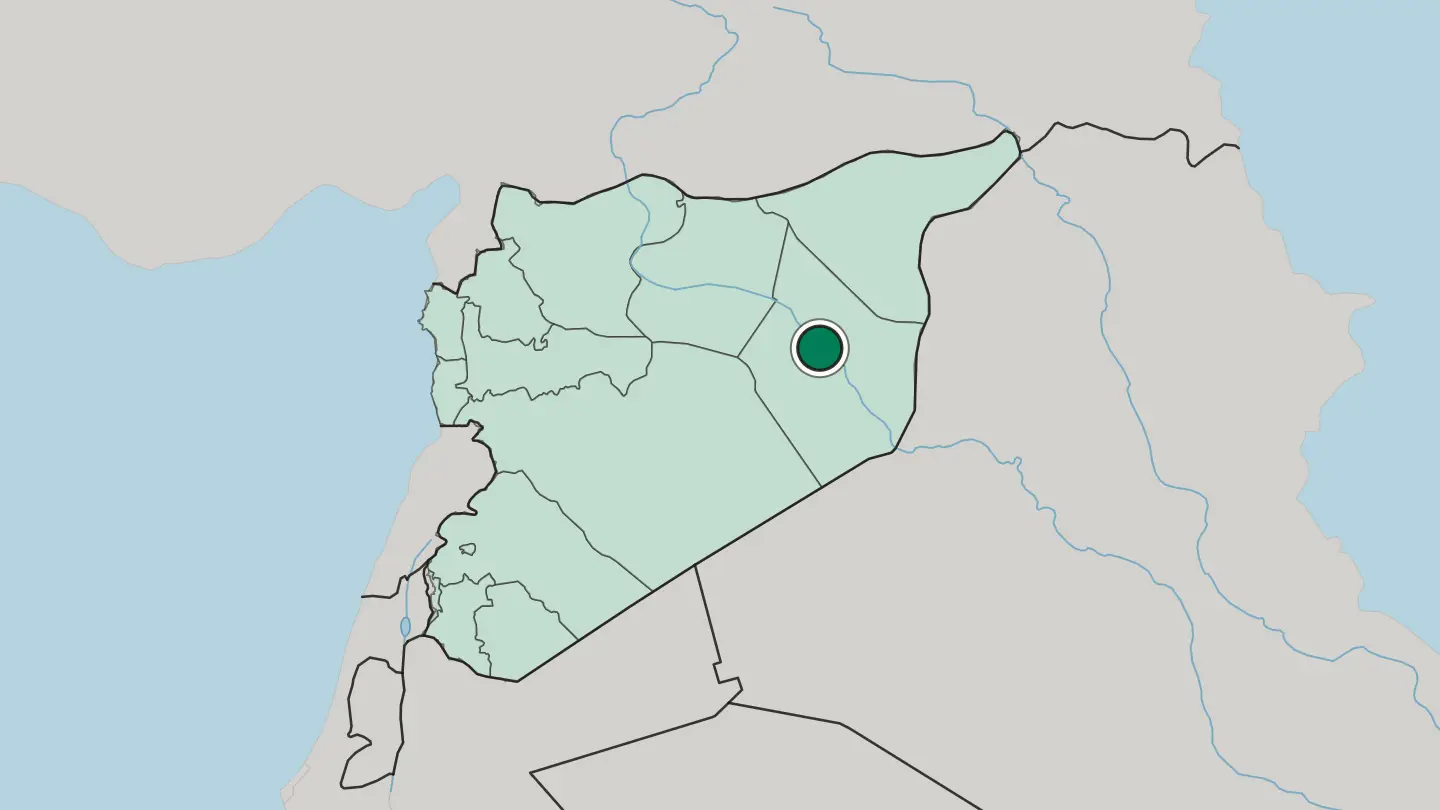 Syria
Syria
Idlib
Idlib is the capital of Idlib Governorate in Syria, an inland city southwest of Aleppo and a short way from the border with Turkey.Where to stay →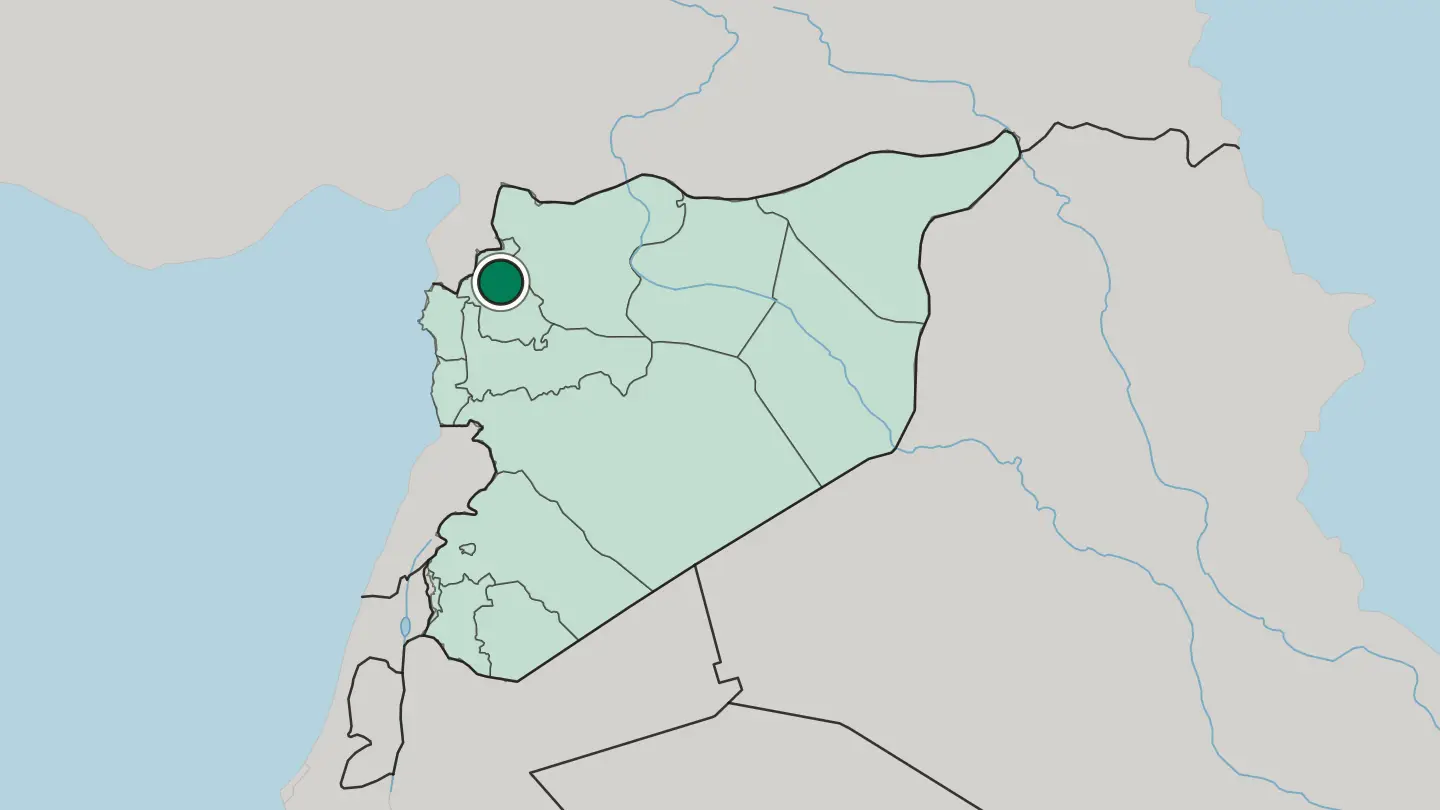
 Syria
Syria
Ḩamāh
Ḩamāh stands on the Orontes River in Syria, a provincial capital known for the norias, the great wheels that turn at its centre.Where to stay →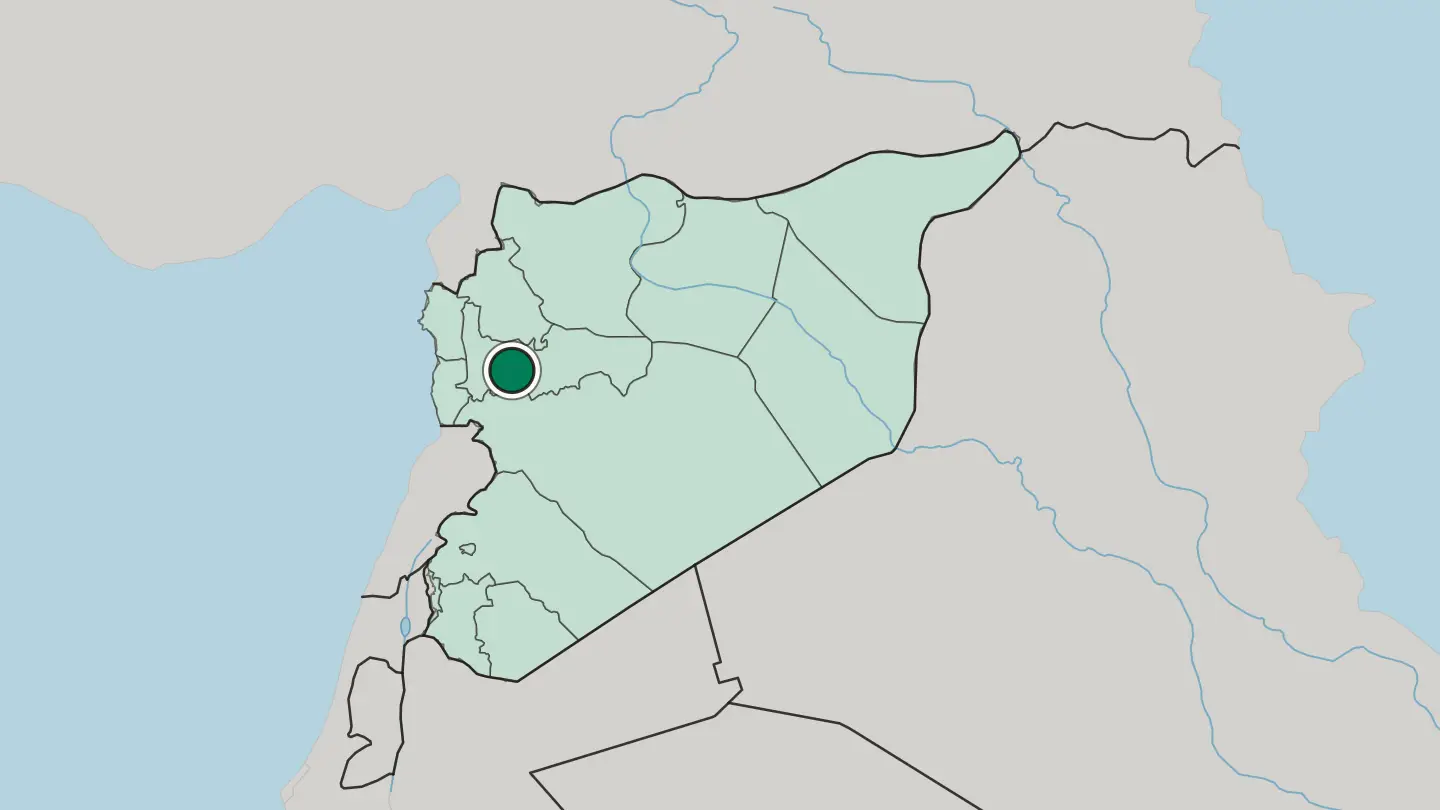
 Syria
Syria
Ţarţūs
Ţarţūs is a Mediterranean port city in Syria, the largest in Tartus Governorate, looking out to the island of Arwad.Where to stay →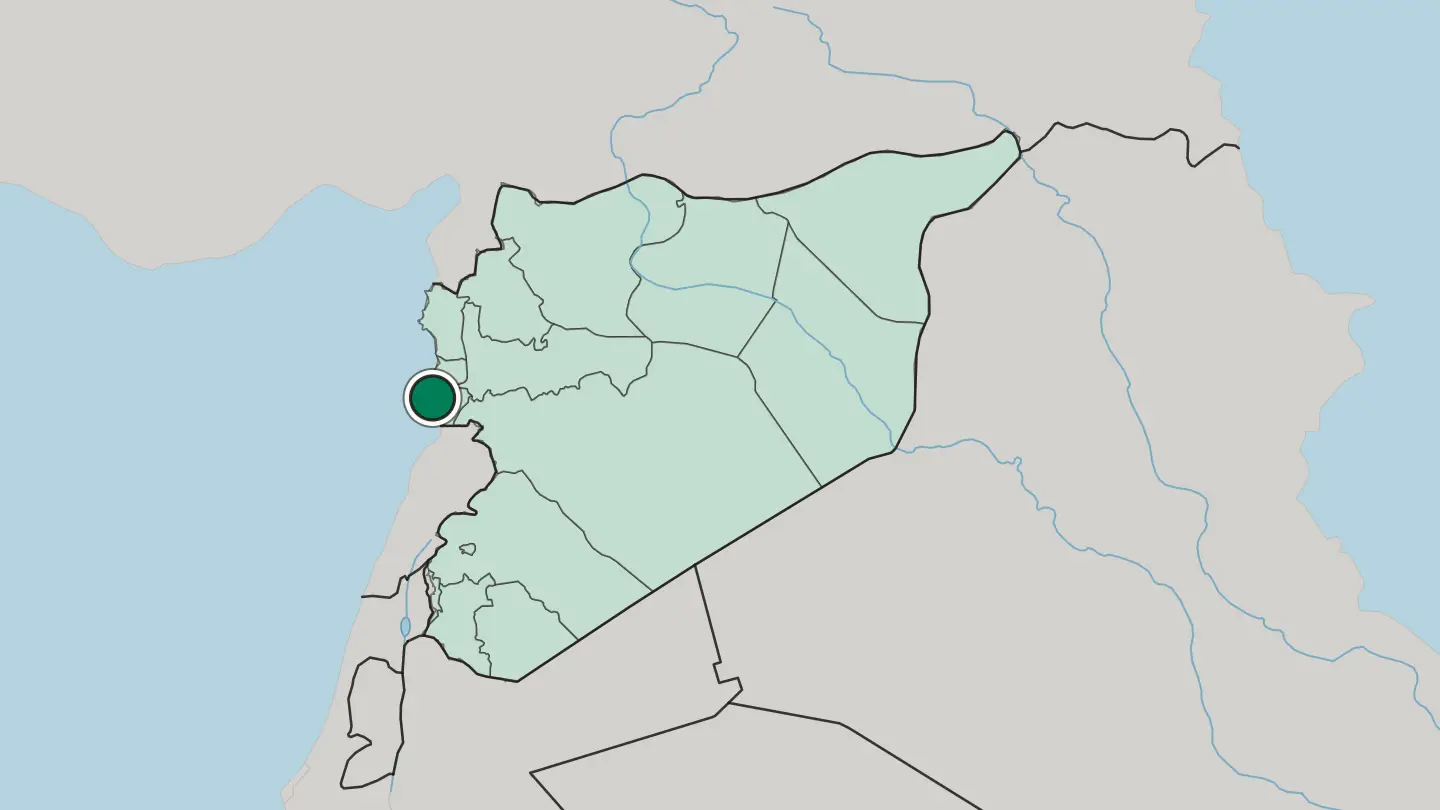
Regions of Syria
 Syria
Syria
Al-Hasakah Governorate
Al-Hasakah Governorate is Syria's far north-eastern corner, a wheat-and-oil plain where the Khabur River threads a hundred ancient mounds.Towns & cities →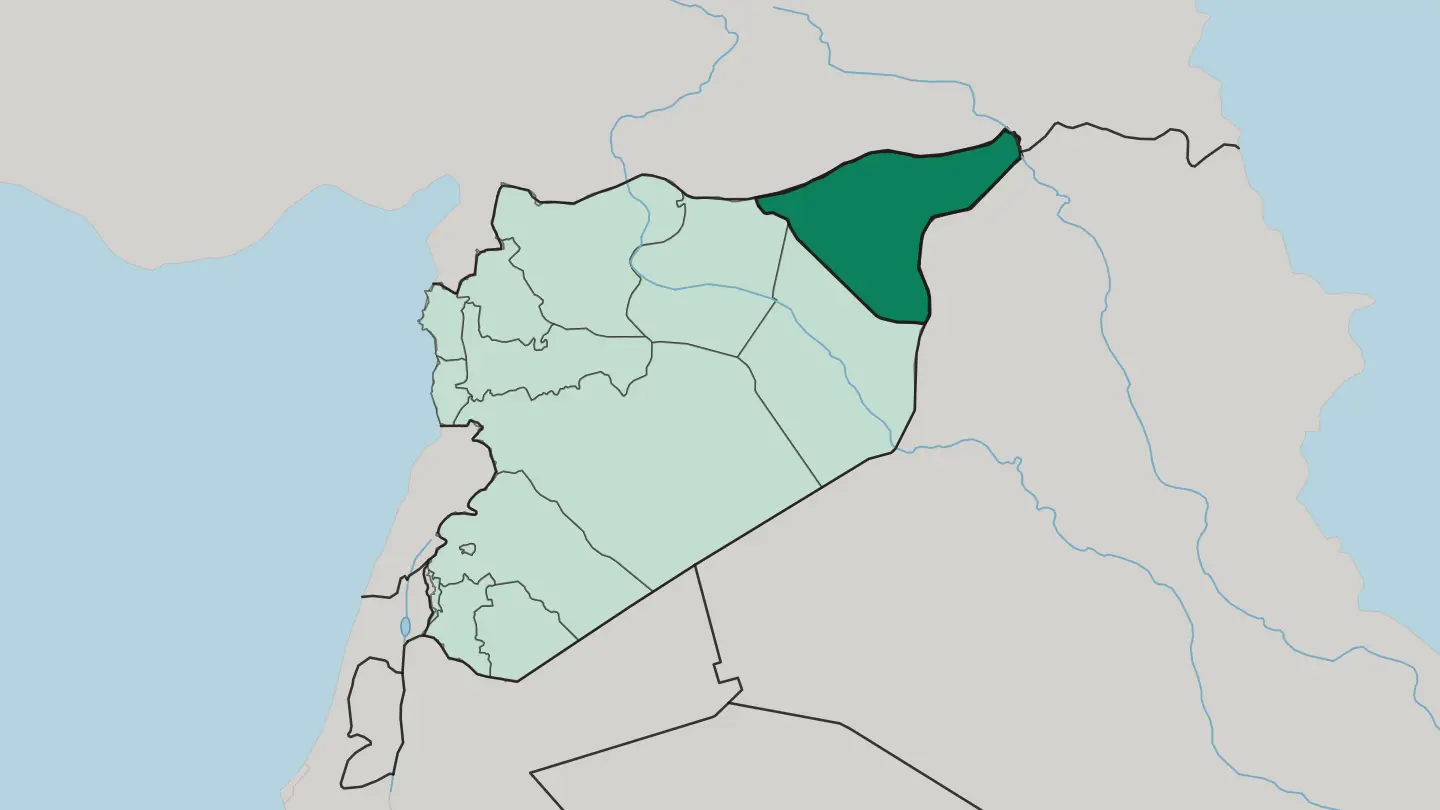 Syria
Syria
Aleppo Governorate
Aleppo Governorate spreads across the plateau of northern Syria, built around Aleppo, one of the oldest inhabited cities on earth.Towns & cities →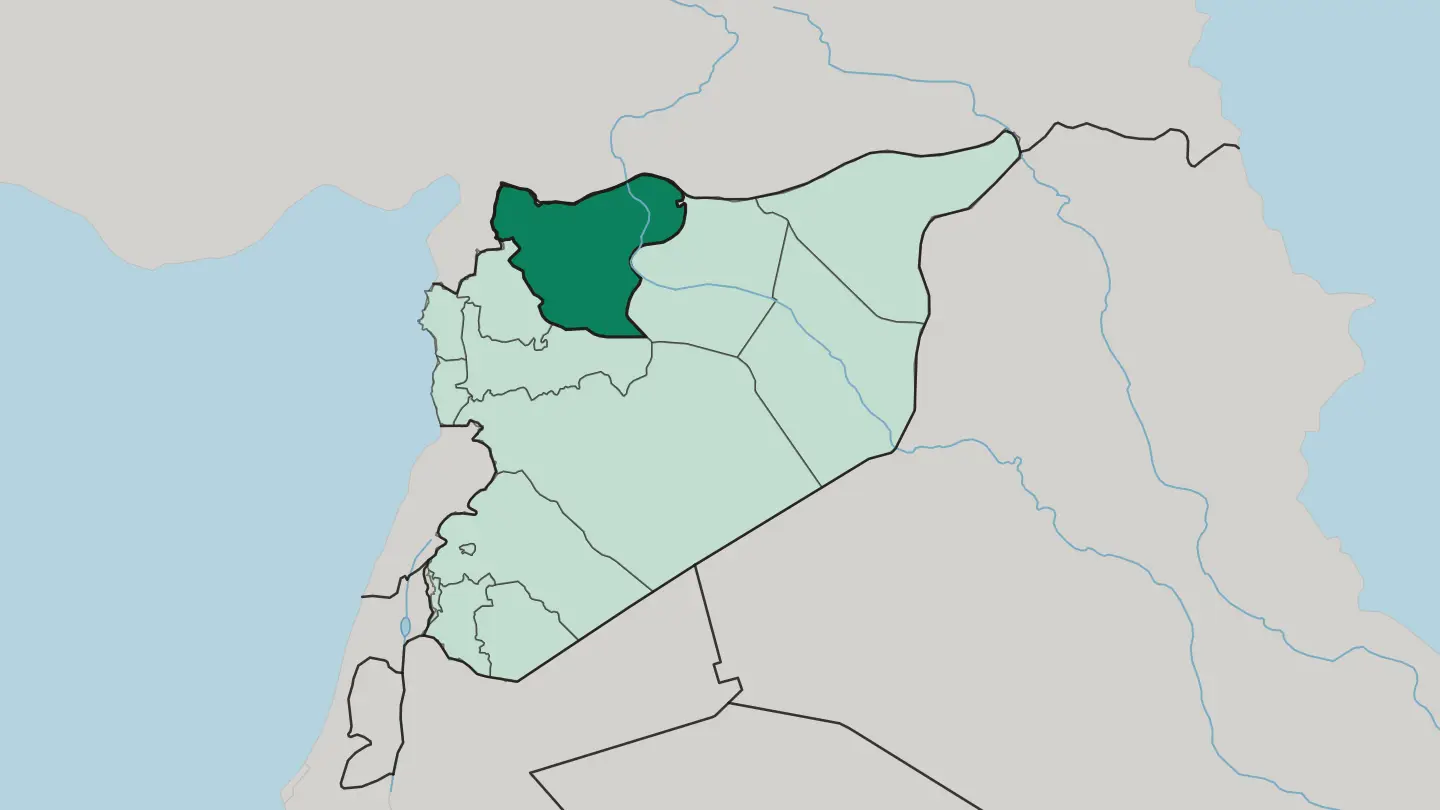 Syria
Syria
Ar-Raqqah Governorate
Ar-Raqqah Governorate spreads across the Euphrates valley of north-central Syria, its plains split by the river and anchored on the city of Raqqa.Towns & cities →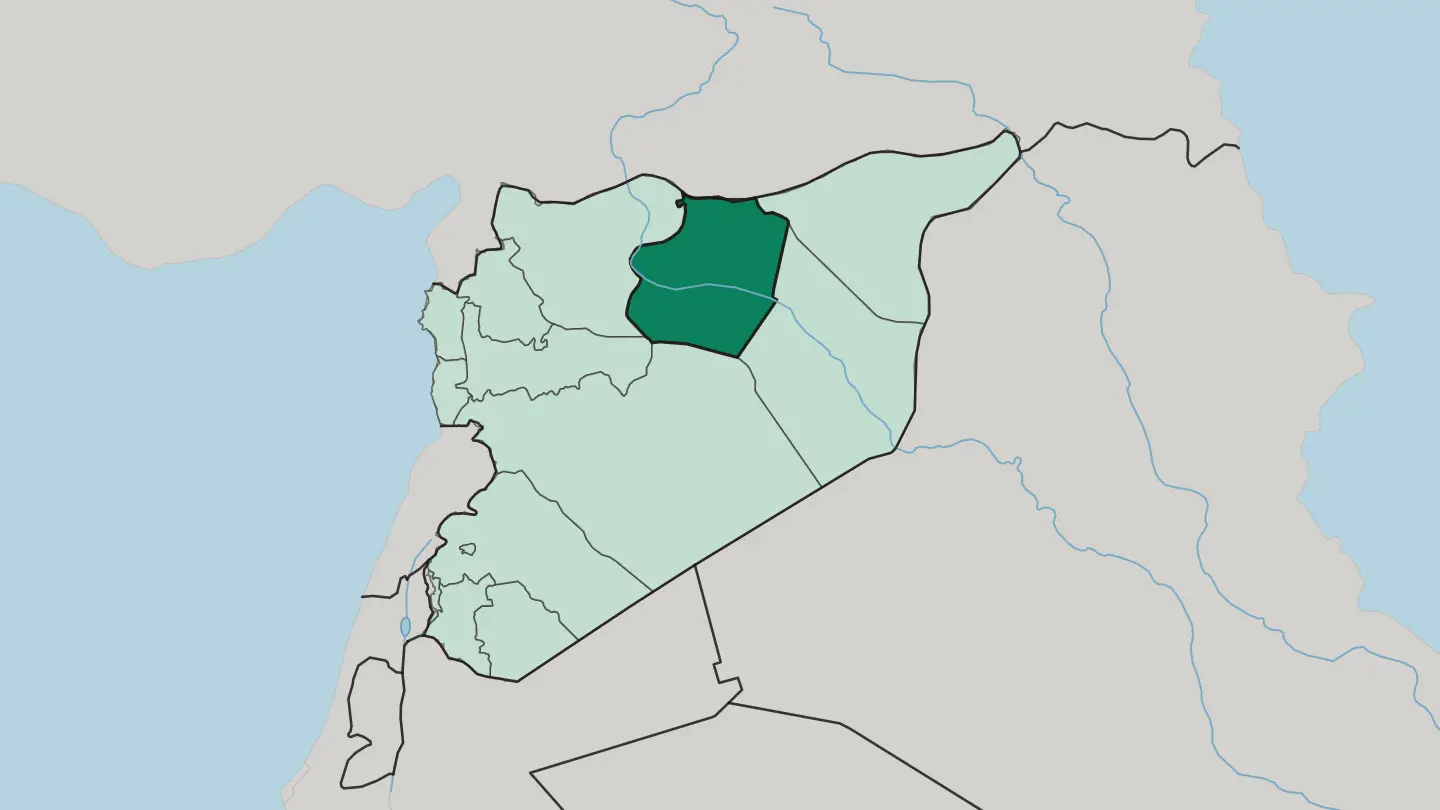 Syria
Syria
As-Suwayda Governorate
As-Suwayda is Syria's southernmost governorate, a volcanic highland of black basalt and Druze towns south-east of Damascus.Towns & cities →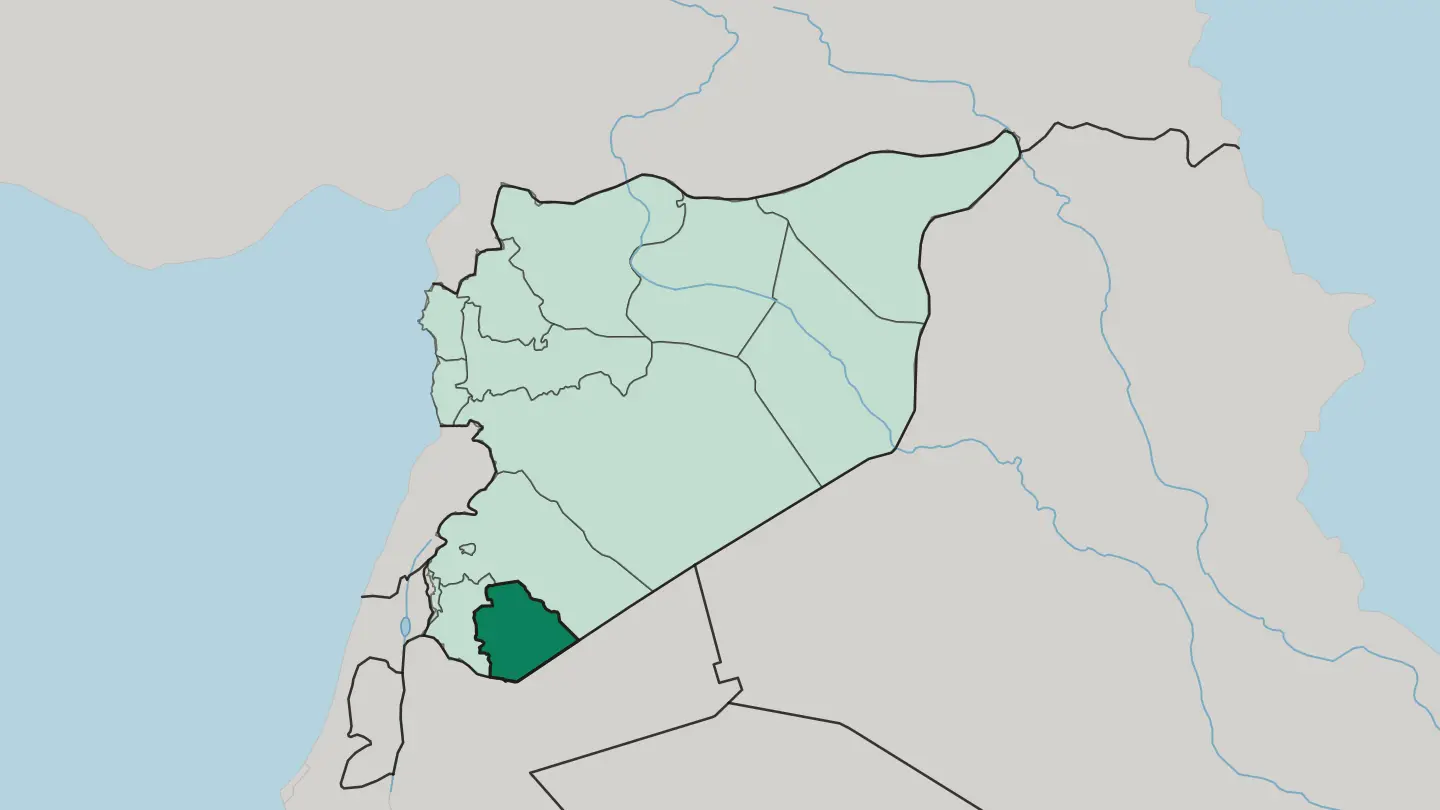 Syria
Syria
Damascus Countryside
The countryside wrapped around Damascus, from the Barada's orchards to the Qalamoun peaks and the desert beyond.Towns & cities →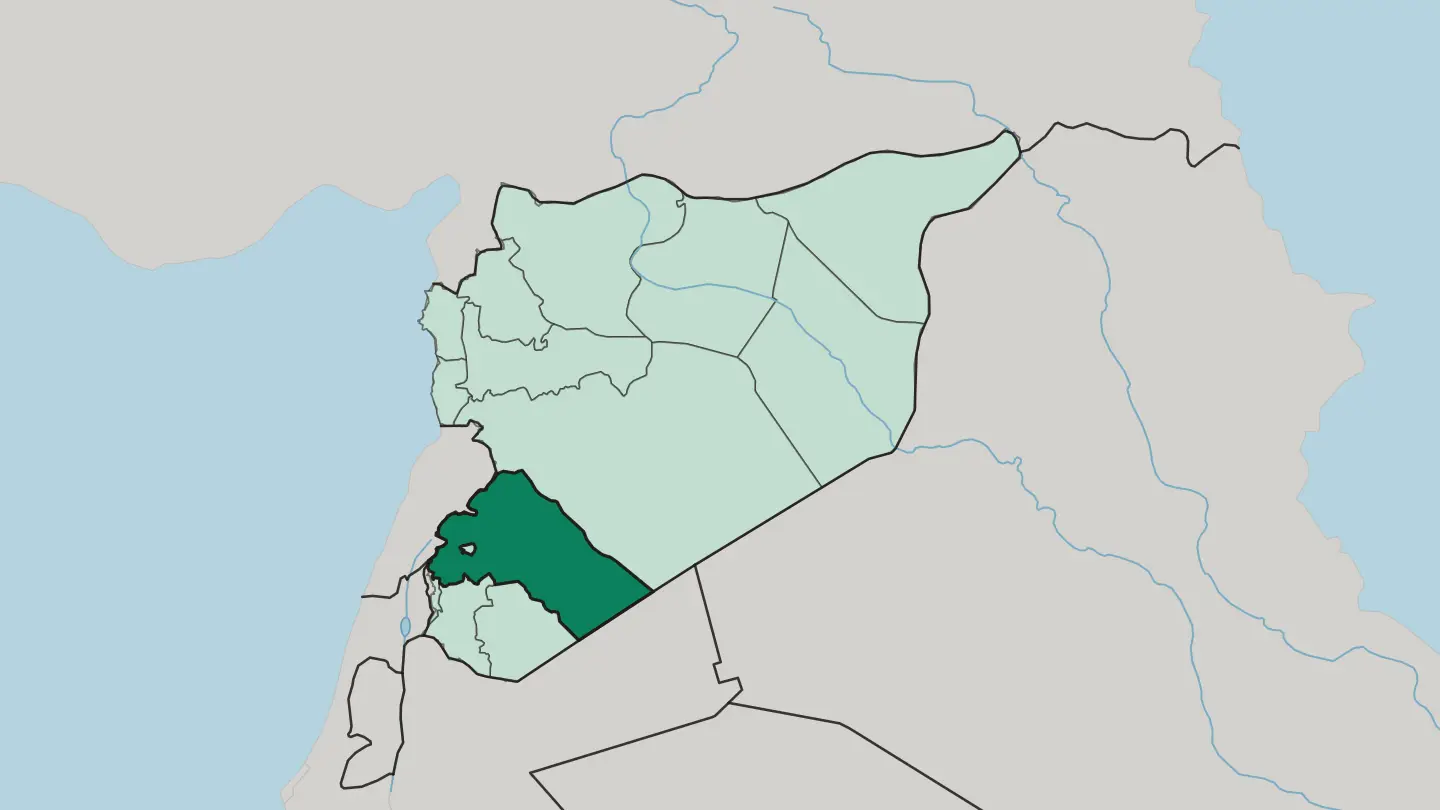 Syria
Syria
Damascus Governorate
Damascus Governorate is the capital governorate of Syria, made up of the city of Damascus alone and ringed by Rif Dimashq Governorate.Towns & cities →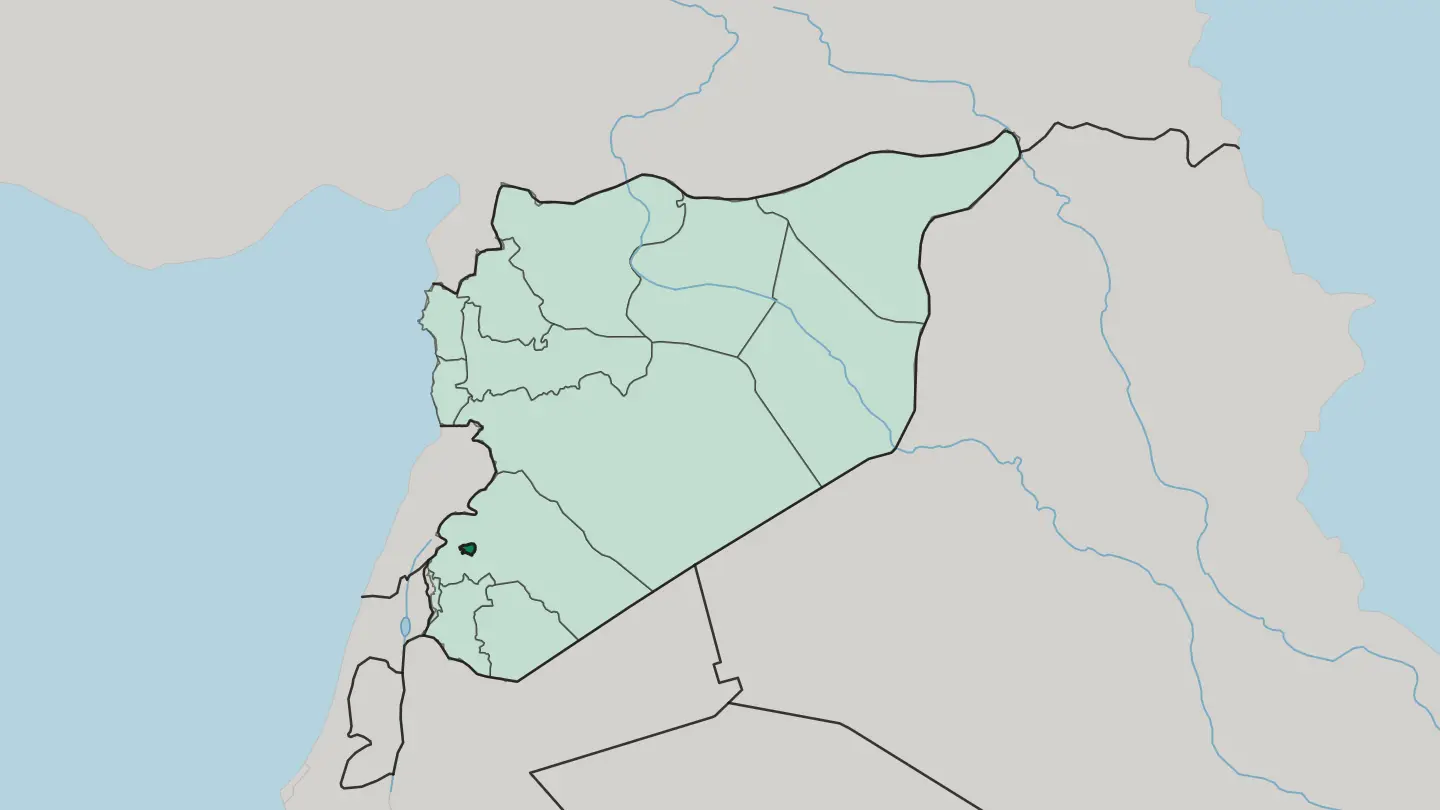 Syria
Syria
Daraa Governorate
Daraa Governorate spreads across the fertile Hauran plain in Syria's far south-west, from the Yarmouk gorge to the Jordanian border.Towns & cities →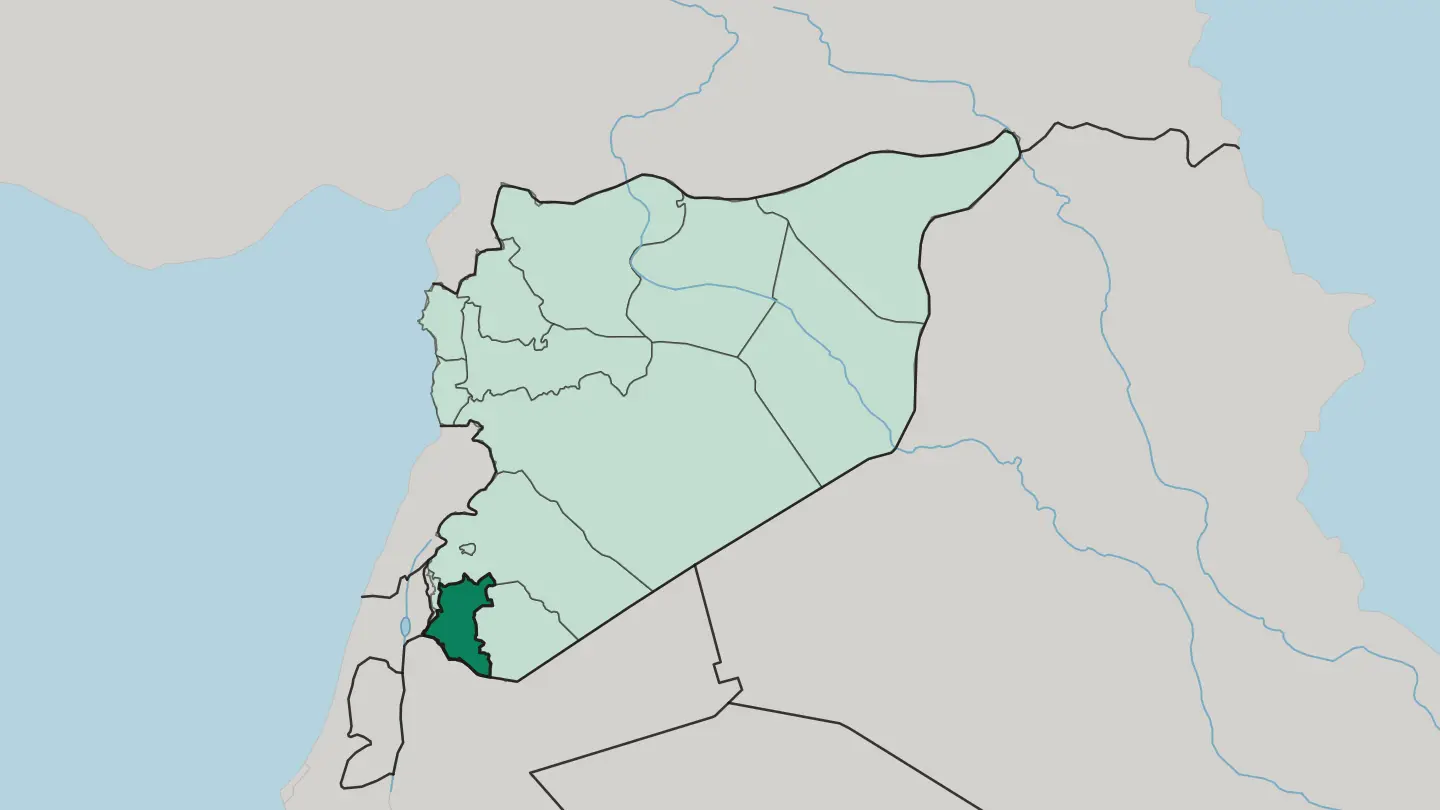 Syria
Syria
Deir ez-Zor Governorate
Deir ez-Zor Governorate is the Euphrates heartland of eastern Syria, a desert province split by the river between Iraq and Damascus.Towns & cities →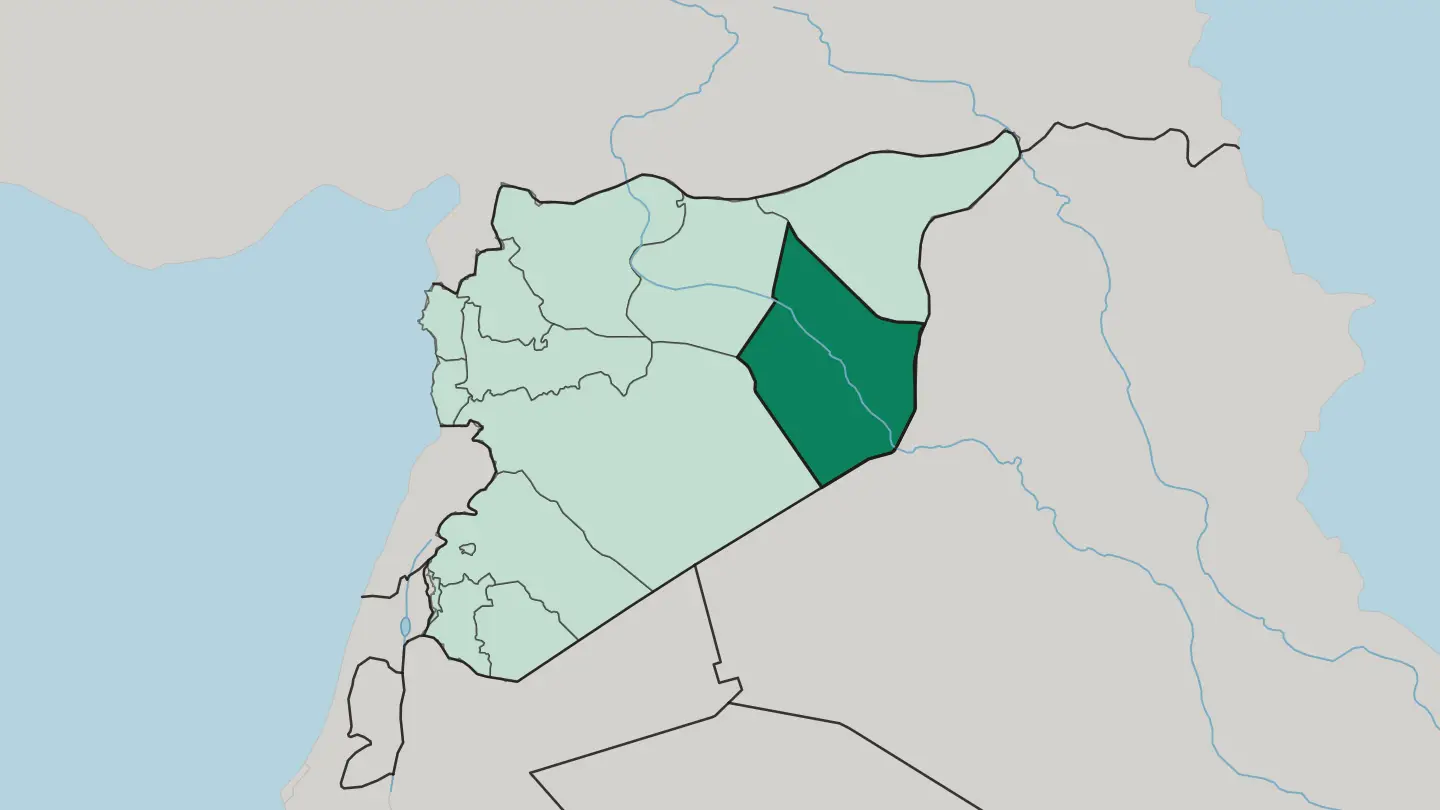 Syria
Syria
Hama Governorate
Hama Governorate spreads across west-central Syria, from the wooden water wheels turning on the Orontes at Hama to the Ghab Plain and the eastern steppe.Towns & cities →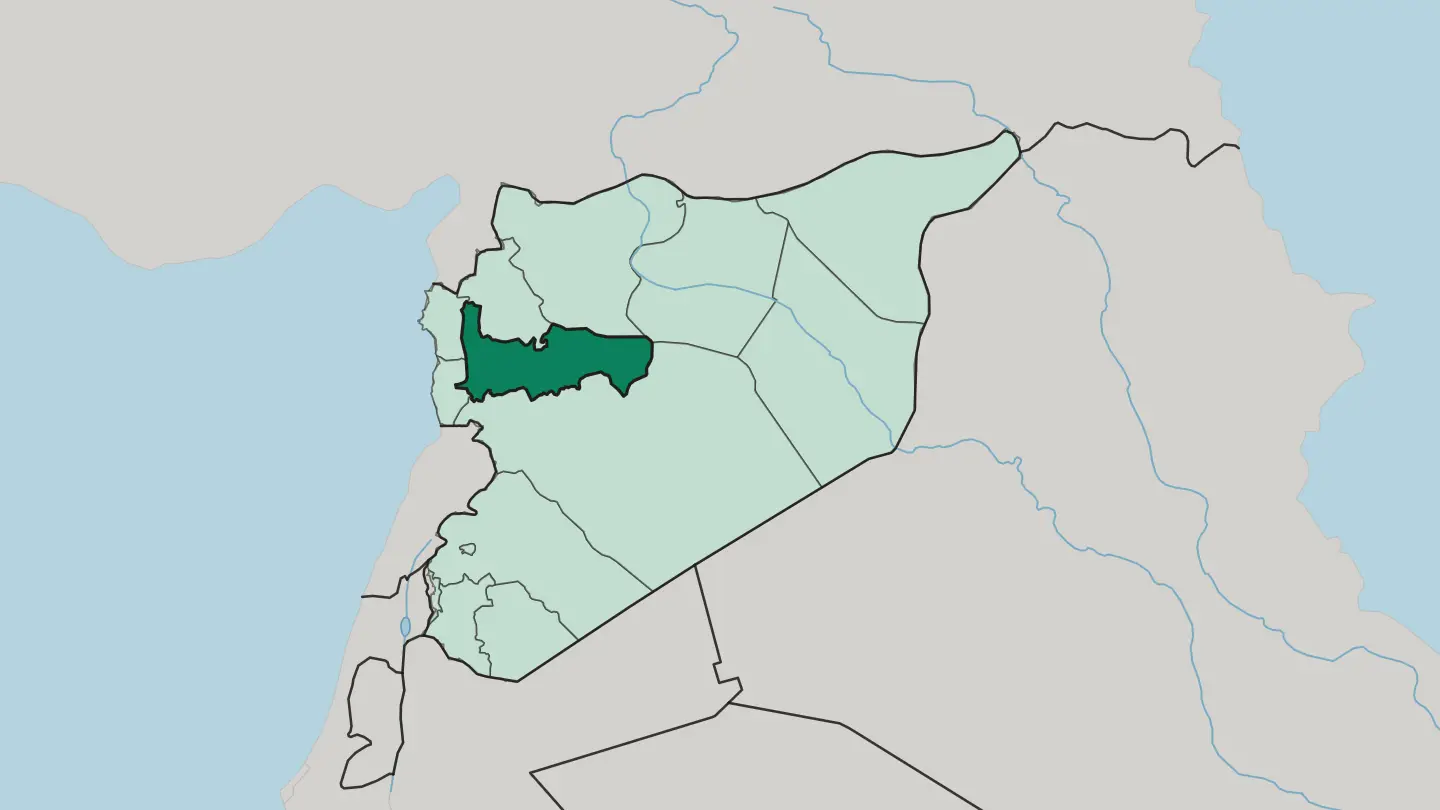 Syria
Syria
Homs Governorate
Homs Governorate is Syria's largest region by area, reaching from the Orontes plains east into the desert to Palmyra.Towns & cities →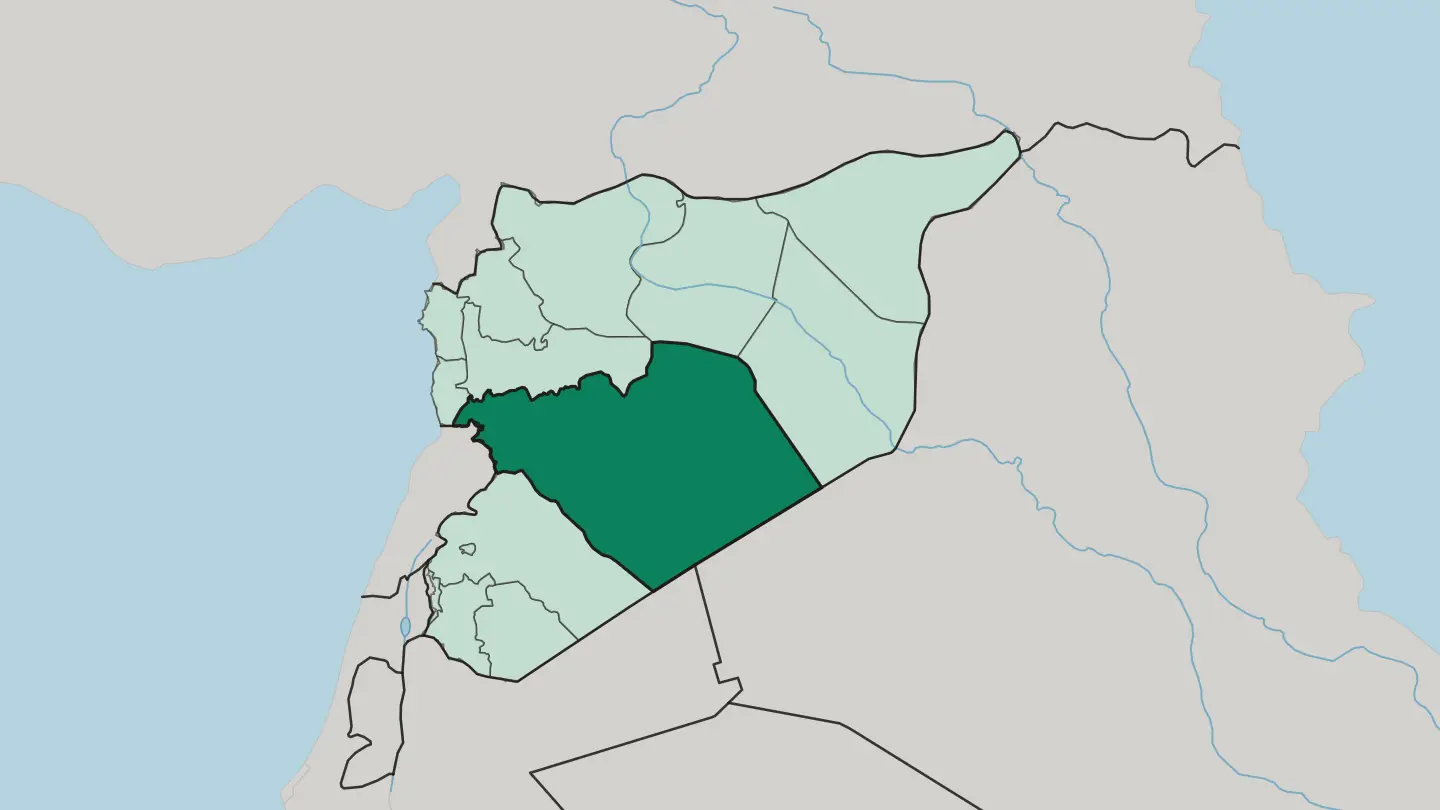 Syria
Syria
Idlib Governorate
Idlib is Syria's north-western governorate of olive hills, Byzantine Dead Cities, and the Orontes flowing through the Ghab plain.Towns & cities →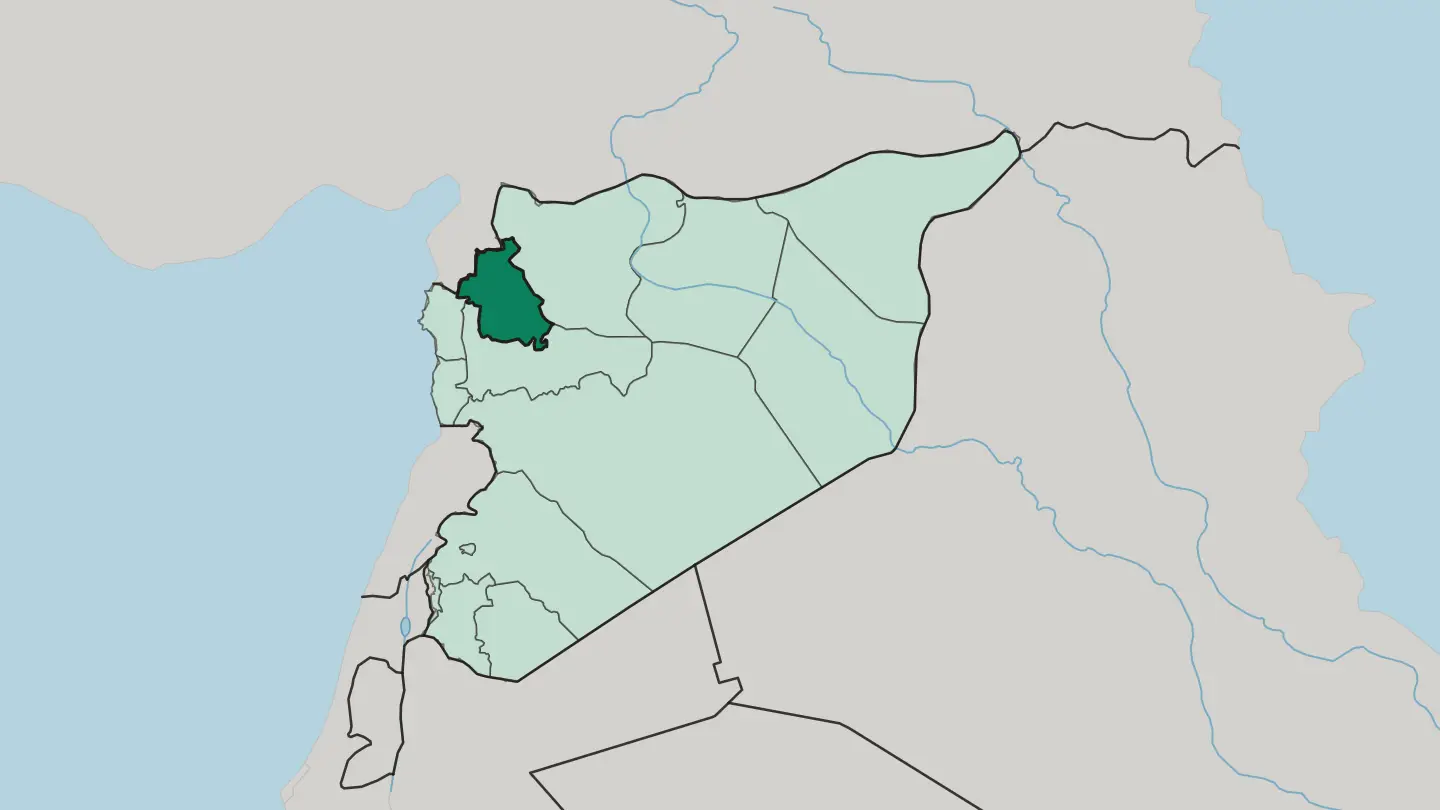 Syria
Syria
Latakia Governorate
Latakia Governorate holds half of Syria's Mediterranean coast, a plain of citrus and tobacco backed by the Coastal Mountain Range.Towns & cities →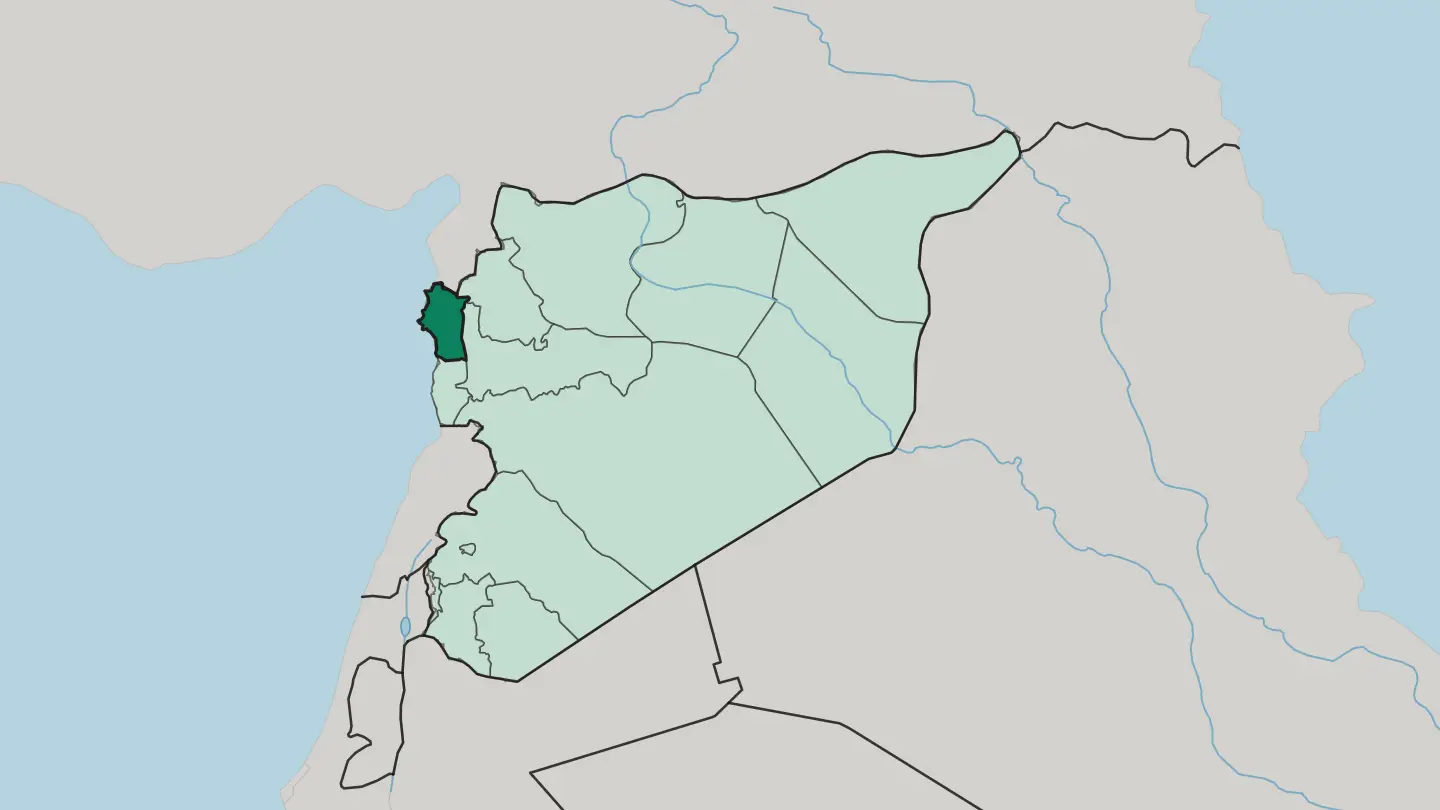 Syria
Syria
Quneitra Governorate
Quneitra Governorate is the southern Syrian province of the Golan Heights, a basalt plateau under Mount Hermon.Towns & cities →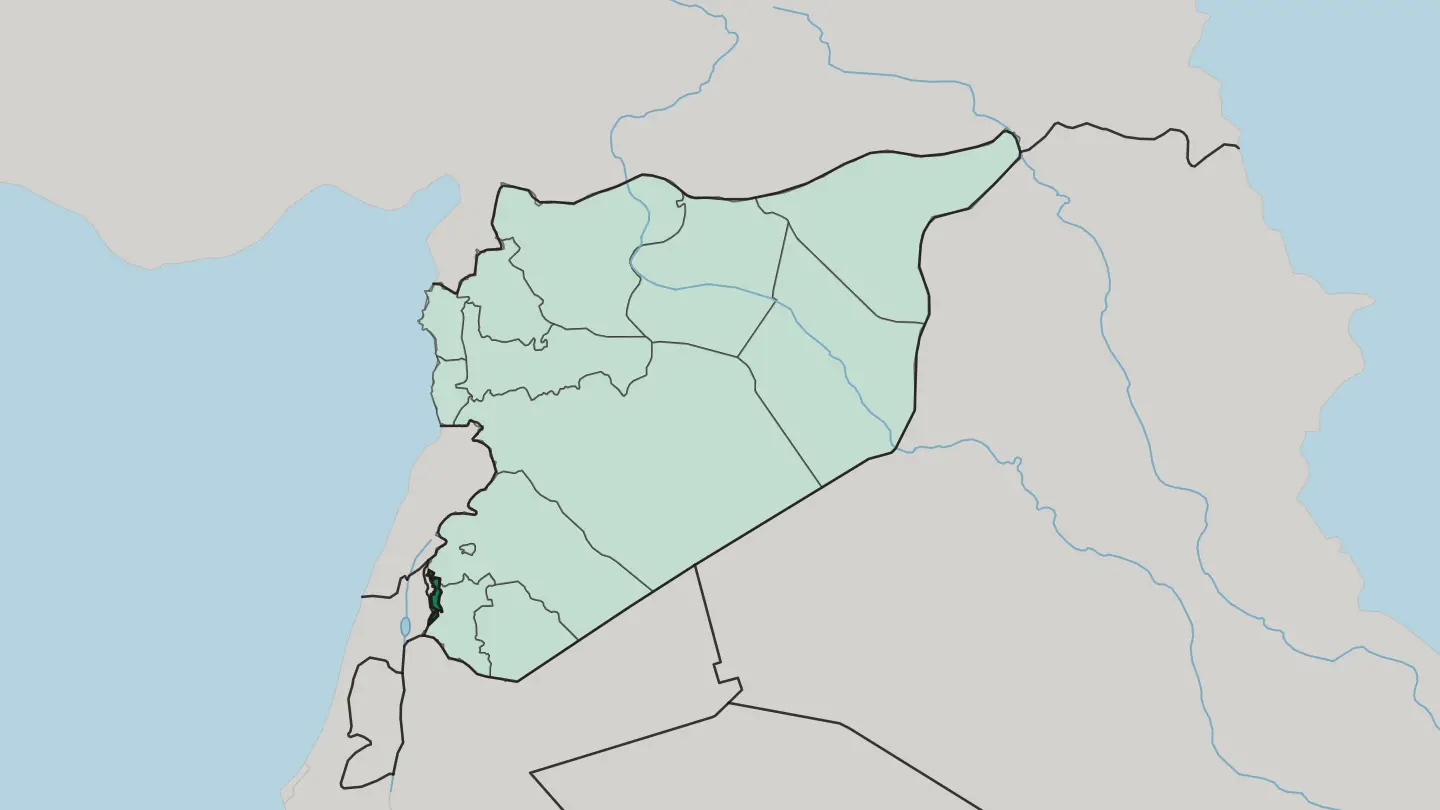 Syria
Syria
Tartus Governorate
Tartus Governorate holds roughly half of Syria's Mediterranean coast, where Crusader Tortosa and the Phoenician isle of Arwad face the sea.Towns & cities →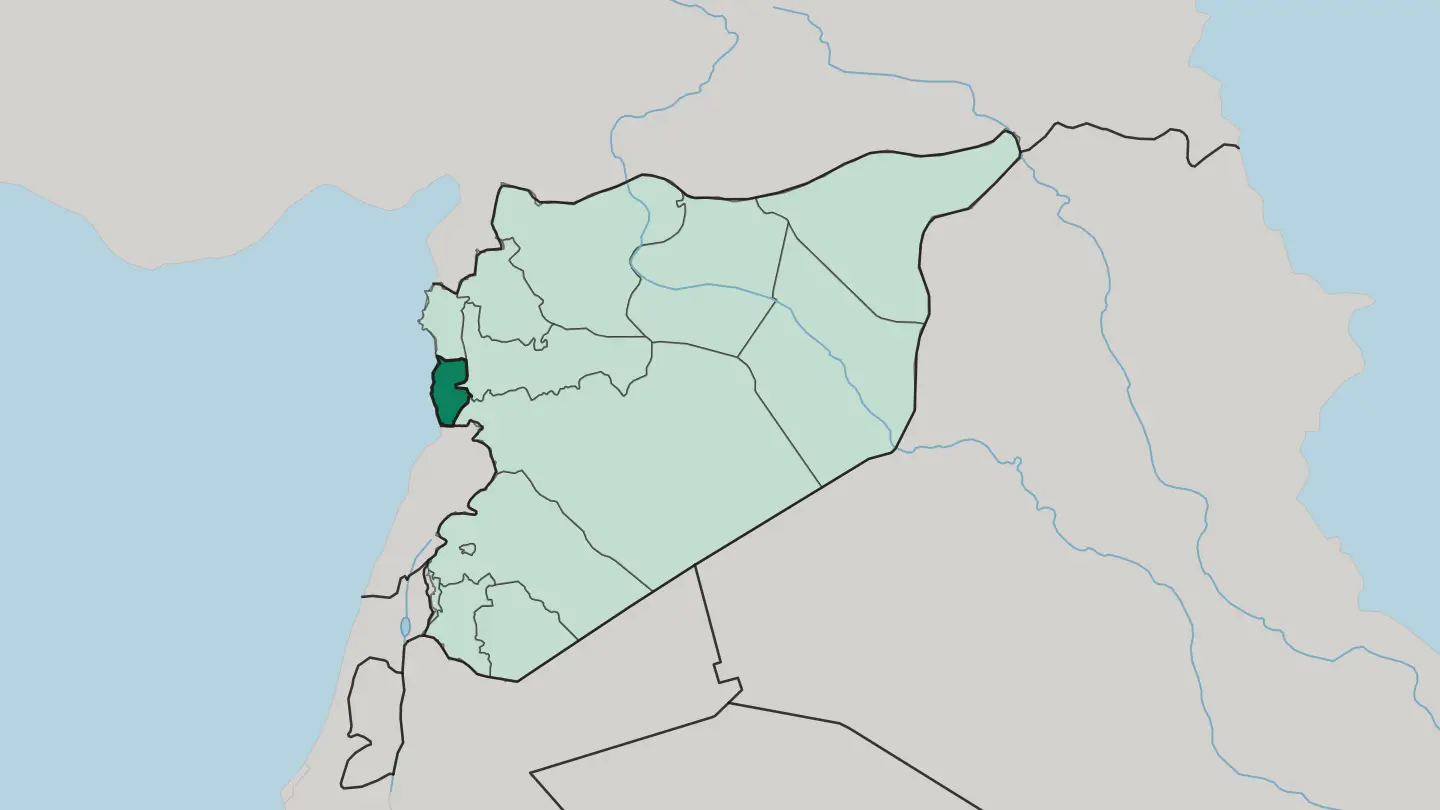
Explore by experience
Not sure which place? Start from how you want to travel.
About Syria
Syria is known for its deep past.
What is Syria known for?
The capital, Damascus, is counted among the oldest continuously inhabited cities in the world, and the land around it has been the seat of many empires. It sits in the Levant, on the Eastern Mediterranean, between the coast and the deserts of West Asia. Arabic is the common language.
History, more than anything, is what the country is known for.
Where is Syria?
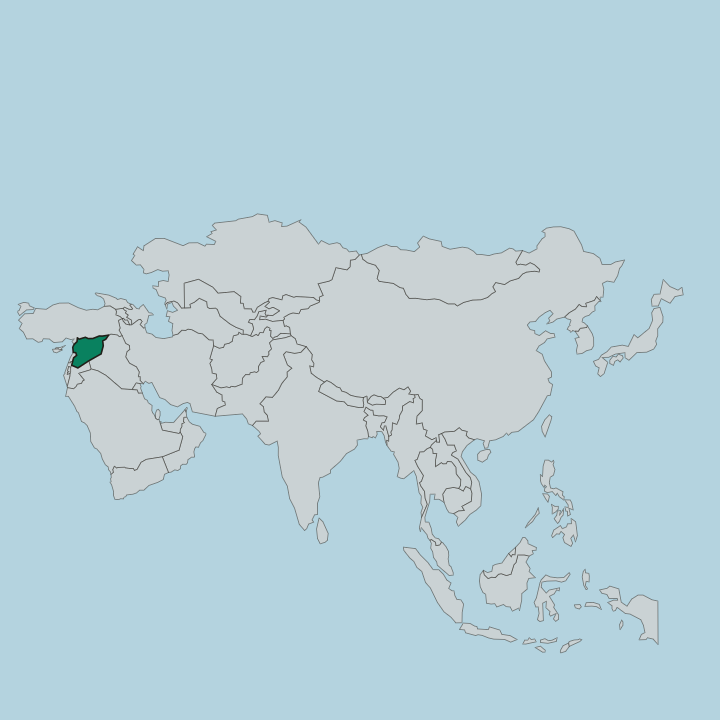
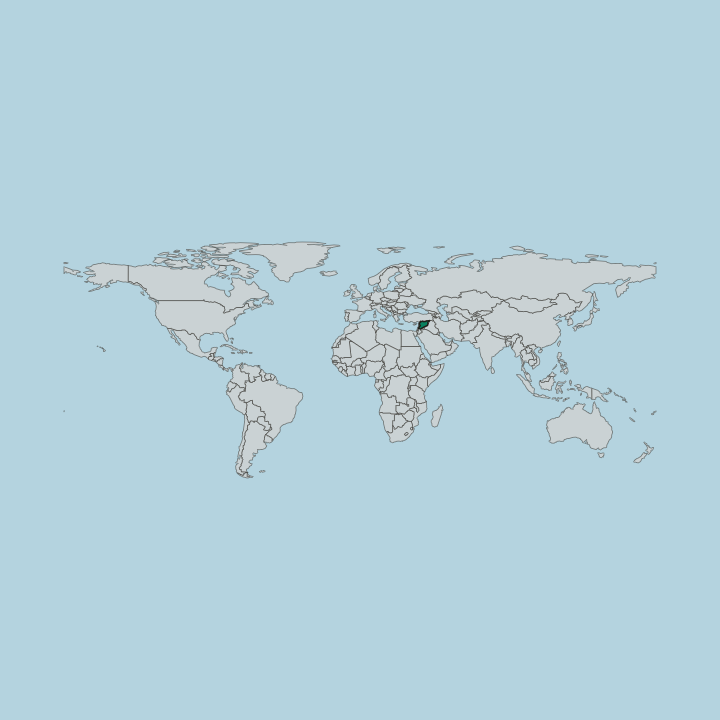
Syria lies in West Asia, on the Eastern Mediterranean, in the region long known as the Levant. Its western edge is a coastline on the Mediterranean Sea, a relatively narrow and greener strip backed by higher ground. Behind that ground the country changes character entirely.
The land opens into wide interior plains and dry steppe, and much of the east is desert that runs on toward Iraq. Most of Syria is arid, and its cities cluster where water and old trade routes have always allowed. Four neighbours frame the land borders.
Turkey runs along the north and northwest, Iraq lies to the east and southeast, Jordan sits to the south, and Israel and Lebanon adjoin the southwest. Damascus, the capital, stands inland near the Lebanese border rather than on the sea. The republic is divided into fourteen governorates in all.
Settlement leans toward the wetter west and the border margins, while the deep interior stays thinly settled. From the Mediterranean shore to the eastern desert, Syria has long been a crossing ground between the sea and the heart of Asia.
What is the history of Syria?
Syria holds some of the longest human history anywhere. Its capital, Damascus, is counted among the oldest continuously inhabited cities on earth, settled for thousands of years without a break. The wider land has been the site of numerous empires.
In the Levant, between the Mediterranean Sea and the interior of West Asia, it sat on the routes that armies and traders followed for millennia, and one power after another ruled it in turn. That long procession of rulers left its mark across the country. Empire after empire rose, governed from cities like Damascus, and gave way to the next, so the land carries layer upon layer of the past.
The modern state is far younger. The Syrian Arab Republic traces its founding to 1920, when the borders of the modern country began to take shape. It became a republic, divided into fourteen governorates, with Damascus as its capital and largest city.
Old and new sit side by side. Beneath a young republic lies one of the oldest inhabited landscapes on earth, centred on a capital that has never been abandoned.
What is Syria like?
Everyday culture in Syria is Arab and deeply rooted. Arabic is the common language, and the country's own name, the Syrian Arab Republic, places that identity at its centre. The past is never far.
Because the land has been settled for so long and ruled by so many empires, its towns and cities carry a heritage that reaches back thousands of years, with Damascus, among the oldest inhabited cities on earth, at the head of it. Syria's place in the Levant has shaped its character. The country stands between the Mediterranean Sea and the interior of West Asia, and it has long absorbed and blended what passed through it, from language to craft to cooking.
Trade and empire did the mixing. Centuries of movement along these routes left a culture that faces both the sea and the desert, western and eastern at once. Damascus sets the tone for much of it.
As the capital and largest city, and one of the great old centres of the Arab world, it gathers the country's cultural life. Old and lived-in, that culture belongs to a land that has rarely stood still.
What is the climate of Syria?
Syria has two climates in one country. Along the Mediterranean Sea in the west, the coast is mild and wetter, with warm summers and soft, rainy winters in the Mediterranean pattern. The interior is another world.
Inland, the plains and desert turn hot and dry in summer and colder at night, with little rain reaching far from the sea. East toward Iraq, the land is true desert.
How do you get to Syria?
Syria sits at a crossing of routes. It borders Turkey, Iraq, Jordan, Israel and Lebanon by land, and opens to the west onto the Mediterranean Sea. Damascus, the capital, is the main hub inland.
Roads run out from it to the coast and to the borders, along the same corridors that trade has always used. The Mediterranean coast gives the country its sea approach.
Common questions
What is the best area to stay in Syria?
Damascus: the capital and its old city.
Updated September 2026