Syria · As-Suwayda Governorate
Where to Stay in As-Suwayda, As-Suwayda Governorate
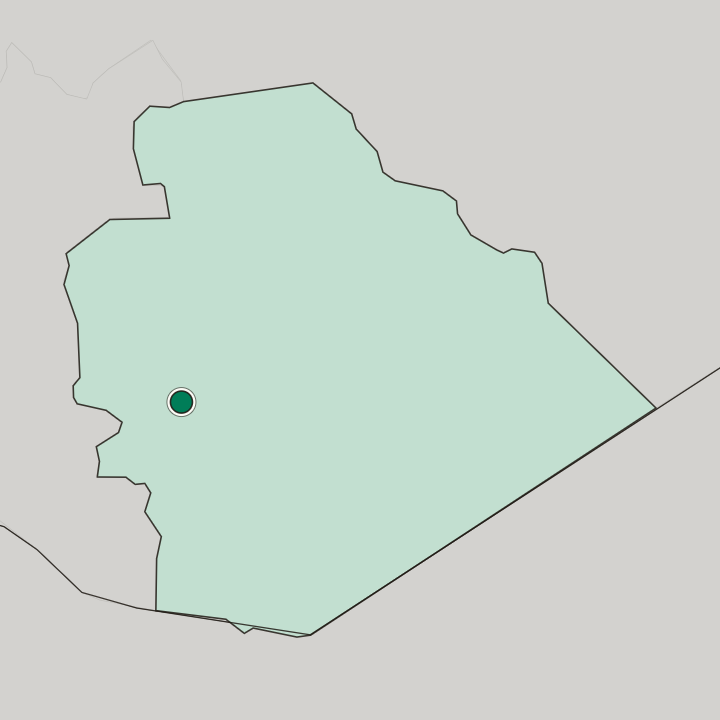
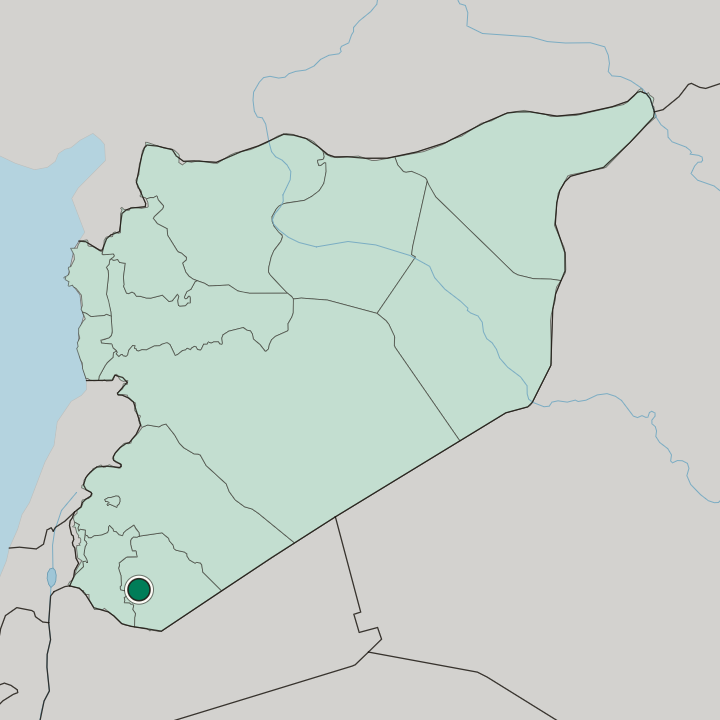
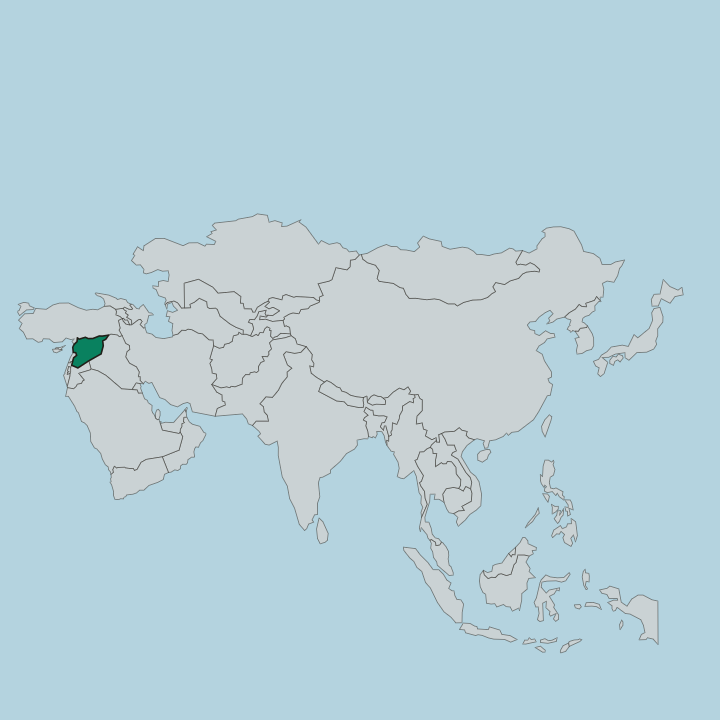
As-Suwayda stands on the Hauran in southern Syria, close to the border with Jordan, and keeps the As-Suwayda National Museum at its centre.
Find your area →


Where to stay in As-Suwayda
The practical side of choosing where to sleep.
As-Suwayda keeps its centre compact. The choice is less about distance than about which side of the city a traveller wants to wake up on, since the governorate seat gathers its offices, its market streets, and its two best-known buildings into a short radius. One of those buildings is St. George's Cathedral, which stands in the older streets and gives that quarter its shape.
Stay there if you want the walk to the church and the shops around it rather than a room on a through road. The As-Suwayda National Museum marks the other pole. Streets beside it run quieter than the main approaches, and a stay here puts the Hauran's collected material a few minutes from the door while leaving the market to be walked to rather than lived above.
A frontier crossing lies close to the south. Rooms on the southern side of As-Suwayda suit anyone heading down toward Jordan the next morning, and they trade the centre's noise for a shorter run out of As-Suwayda Governorate. Southern Syria keeps this city as its administrative centre, so the practical business of a stay is handled here rather than in the villages of the Hauran around it.
Things to do in As-Suwayda
Ranked by global recognition; descriptions from Wikidata (CC0).
Museums & Galleries
1- As-Suwayda National Museum
Churches & Religious Sites
1- St. George's Cathedral
Castles & Historic Sites
3- Suwayda
- نصب السيد الرئيس
- نصب الشهيد حمدان اسعد عمرو
worth knowingacross 3 categories in As-Suwayda
About As-Suwayda
What is As-Suwayda known for?
As-Suwayda is known as a Druze-majority city, with small Christian and Sunni Muslim Bedouin communities, and as the seat of the governorate that carries its name. Two buildings anchor the centre. Its Christian community keeps St. George's Cathedral, and the As-Suwayda National Museum holds what the surrounding Hauran has produced.
The name is also written Suwayda or Sweida, and السويداء in Arabic.
What are the main landmarks in As-Suwayda?
The city's landmarks are few and central. Chief among them is St. George's Cathedral, which serves the Christian minority of a Druze-majority city and stands among the older streets of As-Suwayda. The As-Suwayda National Museum takes the other half of the visit, gathering the material of the Hauran into rooms that can be walked in a single afternoon.
Both sit within the same walk.
What is the history of As-Suwayda?
The name comes in several forms. As-Suwayda, Suwayda, and Sweida all render the same Arabic السويداء, and the variation reflects the ways a southern Syrian city has been written down by outsiders rather than any change in the place itself. The Hauran carried the settlement.
As-Suwayda grew on that plain in southern Syria, close enough to the border with Jordan that the frontier is part of the city's working geography. Communities settled beside one another, a Druze majority with smaller Christian and Sunni Muslim Bedouin minorities, and that mix is the fact most often recorded about the place. Administration came to sit here.
As-Suwayda Governorate takes its name from the city, and the offices, the market, and the collections that serve the surrounding Hauran are all kept within it rather than in the villages around. The As-Suwayda National Museum holds that record, and its rooms are the readiest account of what the plain around the city has produced over a long span of settlement. Faith left its own marks, and chief among them is St. George's Cathedral.
The building serves the Christian minority of a Druze-majority city, and its presence in the centre is the plainest sign of how As-Suwayda has been composed.
Where is As-Suwayda?
The Hauran runs out around As-Suwayda. The city stands in southern Syria, close to the border with Jordan, on open ground that carries the villages of As-Suwayda Governorate outward from it without a coast or a great river to fix the view. Jordan lies south.
Distances inside the governorate are short, and As-Suwayda serves as its fixed point, the address that the Hauran villages around it are described in relation to.
What is the climate of As-Suwayda?
Winter is when the Hauran gets its water. Rain falls in the cool months and little else does, so the year around As-Suwayda divides cleanly between a wet season that greens the plain and a long summer that bakes it dry under an open sky. The sea is distant and tempers nothing.
Southern Syria this far from the coast swings hard between day and night, and travellers who plan around the middle of the day do better in As-Suwayda than those who do not.
How do you get to As-Suwayda?
Every approach is overland. As-Suwayda has no coast and no river to arrive on, so the approaches are the highways that cross the Hauran of southern Syria and the routes running up from the border with Jordan. The governorate seat is the hub.
Traffic within As-Suwayda Governorate converges on the city, which is where onward transport is arranged and where the walk between St. George's Cathedral and the As-Suwayda National Museum takes only a few minutes.
Good for
Updated October 2026