Syria · Damascus Governorate
Where to Stay in al-Yarmūk, Damascus Governorate
al-Yarmūk is the Palestinian quarter on Damascus's south edge, its shops along Yarmouk Street and Palestine Street, in the Damascus Governorate.
Find your area →


Where to stay in al-Yarmūk
How the choice of base plays out on the ground.
There is no lodging in al-Yarmūk. Siege and the fighting of 2012 to 2018 emptied the quarter and brought down much of its housing, and the families who have come back since have been repairing their own walls long before anyone thinks about guests. Palestine Street runs through the middle.
Anyone with business in the quarter stays in Damascus proper and travels south for the day, which is what most of its own people did through the years they could not get back to their houses. The wider Damascus Governorate holds the hotel stock, and the sensible bases are the central districts rather than anything out on this southern edge. Neighbouring quarters offer no shortcut.
Tadamon to the east and Qadam to the west came through the same war and carry the same damage, so moving one street over gains a traveller nothing. Pick a base in the centre and treat al-Yarmūk as somewhere to travel to.
About al-Yarmūk
What is al-Yarmūk known for?
al-Yarmūk grew into the largest Palestinian refugee community in Syria, laid out in 1957 and built up over decades into an ordinary quarter of shops, workshops and concrete apartment blocks rather than a tented camp. Two roads carry the trade. Yarmouk Street and Palestine Street run the length of it, lined with shopfronts and once thick with the service taxis and microbuses that linked the quarter to central Damascus.
UNRWA runs the schools and health centres here. Aeham Ahmad, the pianist born in the quarter in 1988, was taught in those schools and later played in its wrecked streets.
What are the main landmarks in al-Yarmūk?
al-Yarmūk keeps no monument. What it has instead is a street plan, with Yarmouk Street and Palestine Street cutting the length of the quarter and the shopfronts, workshops and stalls along them making it a trading address for the whole southern edge of Damascus rather than a place people came to look at. Much of that frontage was destroyed between 2012 and 2018.
Anyone set on monuments looks north to the older core of the Damascus Governorate, where the mosques, souks and courtyard houses are, and takes al-Yarmūk as a quarter to walk instead.
What is the history of al-Yarmūk?
al-Yarmūk was laid out in 1957 to house Palestinian refugees, on ground that then lay outside the built-up city. Damascus grew out to meet it. The place is still carried administratively as a city within the Damascus Governorate, which is why gazetteers list it at city level while it works as one more district of the capital, and Arabic is the language of every record that describes it.
UNRWA turned down a Syrian request to recognise it as an official camp in 1960, so it grew as a camp in everything but name. Over the following decades the shelters gave way to concrete blocks, the lanes filled in, and the quarter became a working address where doctors and engineers lived alongside day labourers and street traders. The Syrian civil war ended that.
Fighting reached the streets in December 2012 and hardened into a siege the following summer, and by the time it stopped in May 2018 most of the housing was wrecked and the streets were all but empty. Return began in 2022, house by house and largely at the families' own cost.
Where is al-Yarmūk?
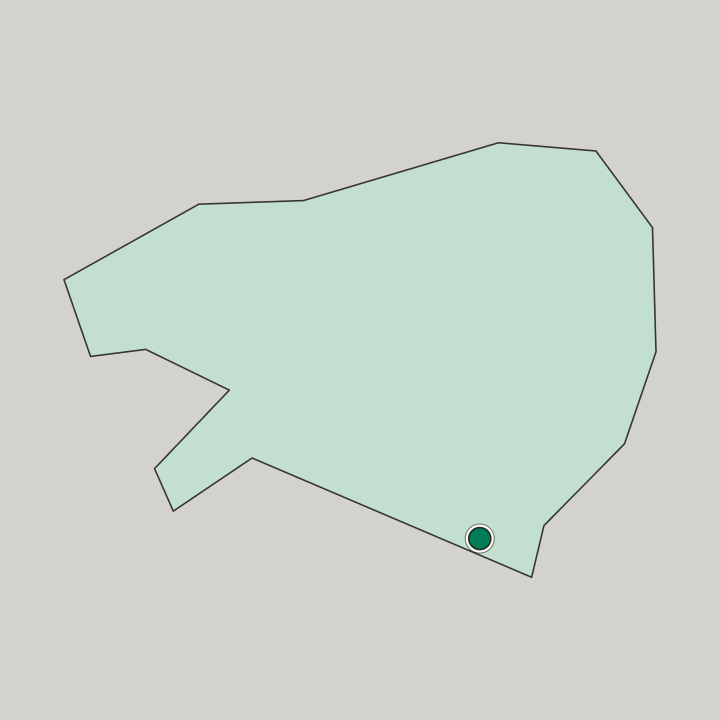
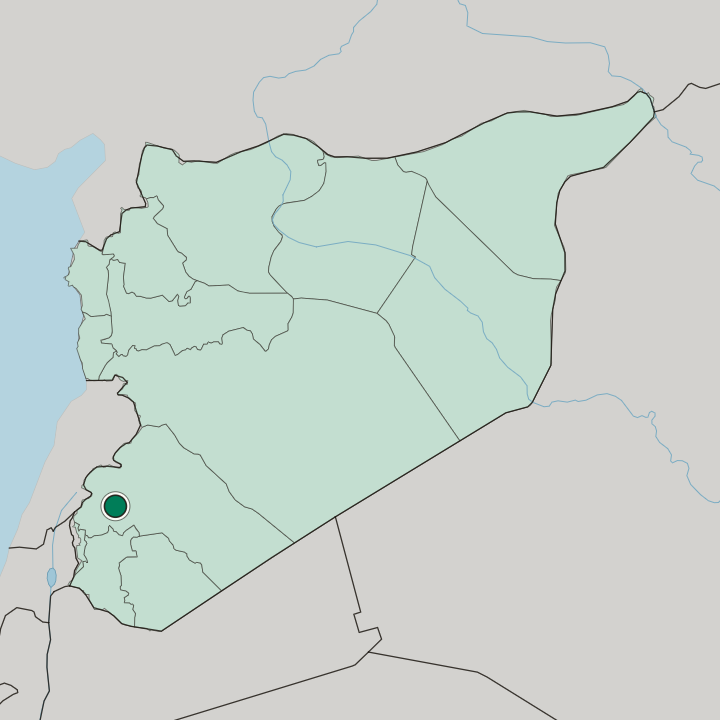
al-Yarmūk covers a little over two square kilometres of flat ground at the southern rim of the Damascus Governorate, inside the city's municipal boundary and well outside the built-up area when it was first laid out. The quarter has neighbours on every side. Tadamon lies east, Qadam west, and Al-Hajar al-Aswad runs along the southern boundary, with Yalda and Babbila a short way further out across the Damascus plain.
The ground is level throughout, and the plan is a dense grid of narrow streets that were widened only where the two through-roads run.
What is the climate of al-Yarmūk?
al-Yarmūk takes the weather of the Damascus basin, which means long dry summers that run hot and cool winters carrying what little rain the year brings, most of it falling between October and May. Snow is rare here. The quarter sits in the same rain shadow that keeps the whole Damascus Governorate dry, so a July visit means heat and dust rather than showers, and a winter visit means cold, damp mornings.
How do you get to al-Yarmūk?
Access to al-Yarmūk runs from Damascus and always has. Yarmouk Street and Palestine Street were the through-routes, carrying the service taxis and privately run microbuses that shuttled between the quarter and the capital's centre, and they remain the roads everything arrives on. Arrival is from the north.
A traveller comes down from the central districts of the Damascus Governorate, passes Qadam over to the west, and covers the last stretch on foot once one of the two through-roads is reached.
Another city in Damascus Governorate
Updated September 2026