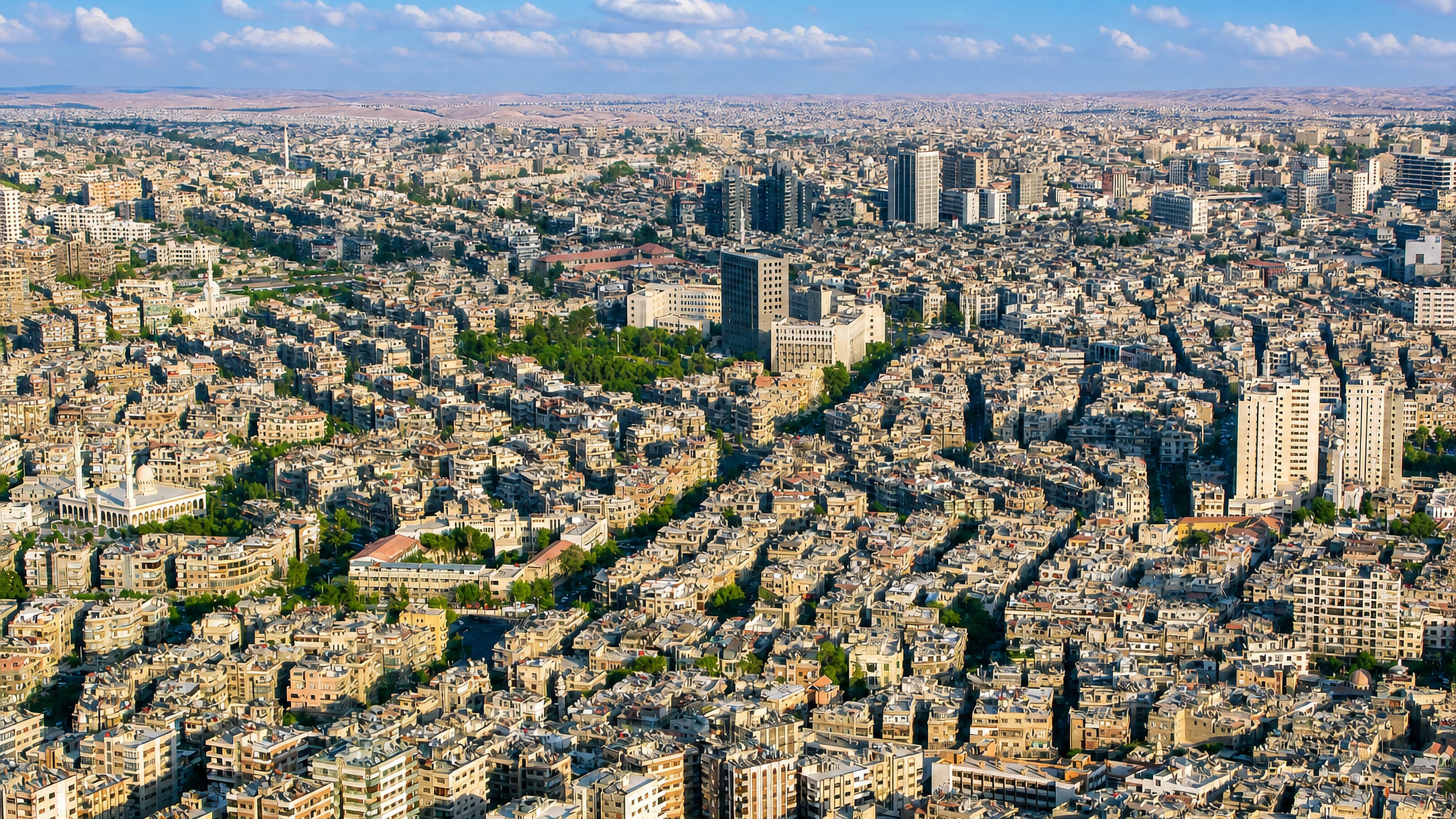
Syria · Damascus Governorate
Where to Stay in Damascus, Damascus Governorate
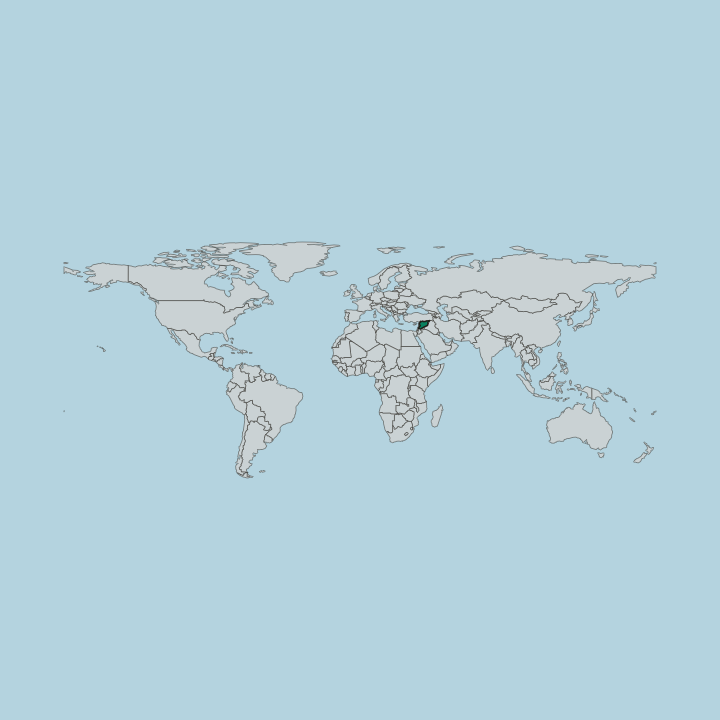
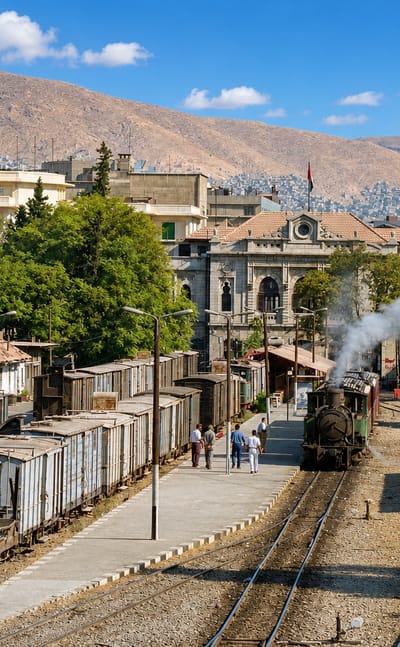
Damascus is the capital of Syria and among the oldest cities on earth, an old core of mosques and churches known as the City of Jasmine.
Find your area →


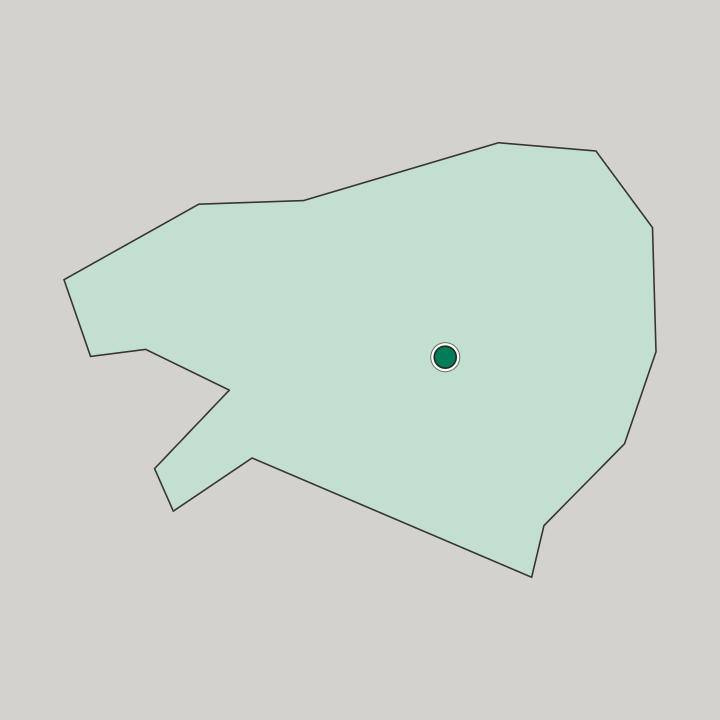
Where to stay in Damascus
Where you base yourself shapes the visit — here's the character of each area.
 DamascusSyria
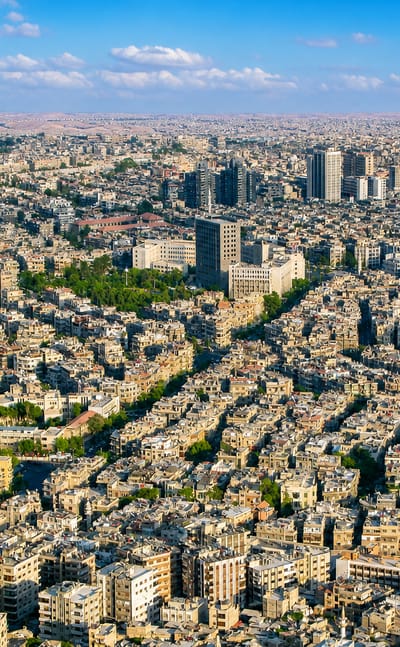
Qanawat
Qanawat is a historic quarter of Damascus, named for the Roman aqueducts that once carried Barada water through it.Where to stay →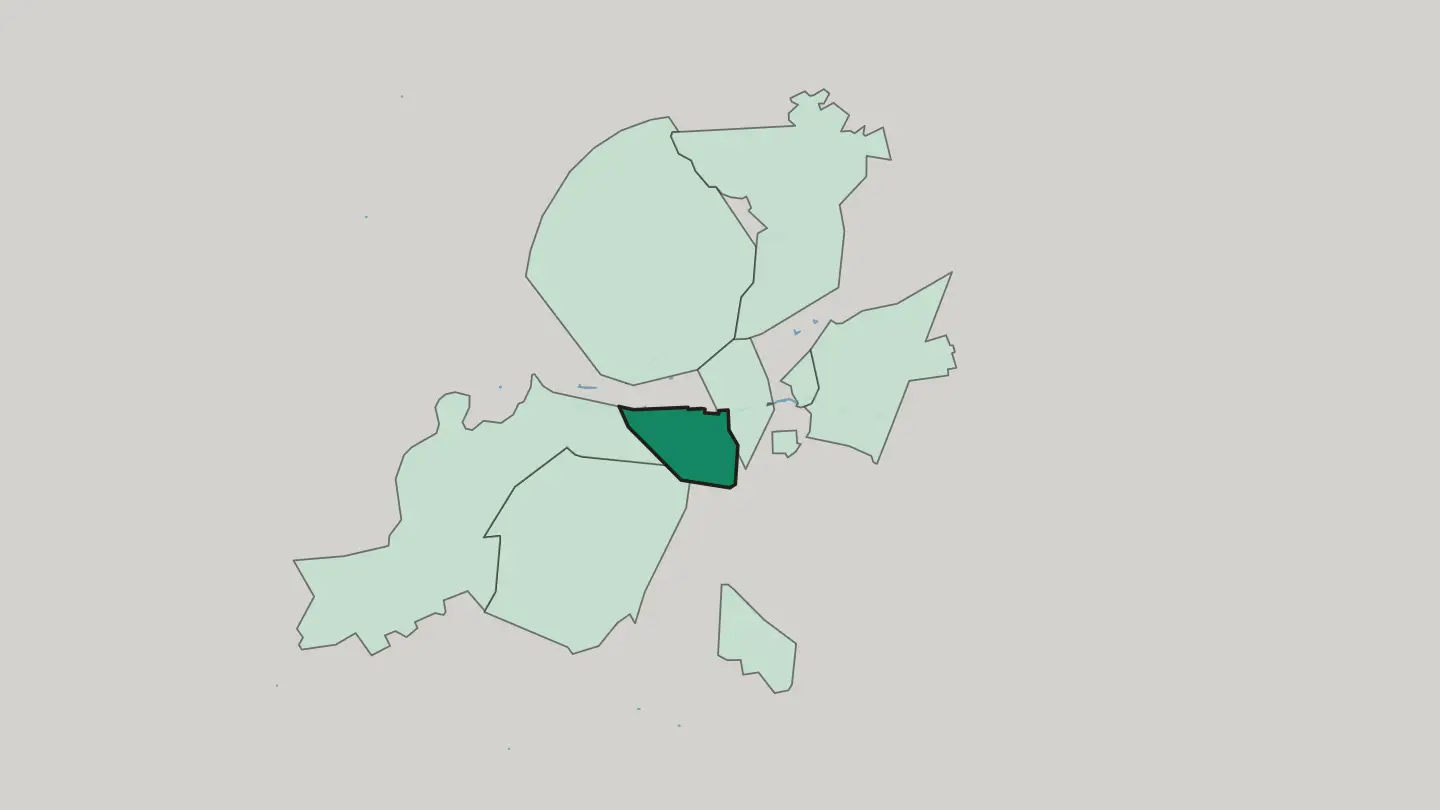
 DamascusSyria
Bab al-Faraj
Bab al-Faraj is one of the historic gates of the old city of Damascus, Syria, close to the Citadel of Damascus.Where to stay →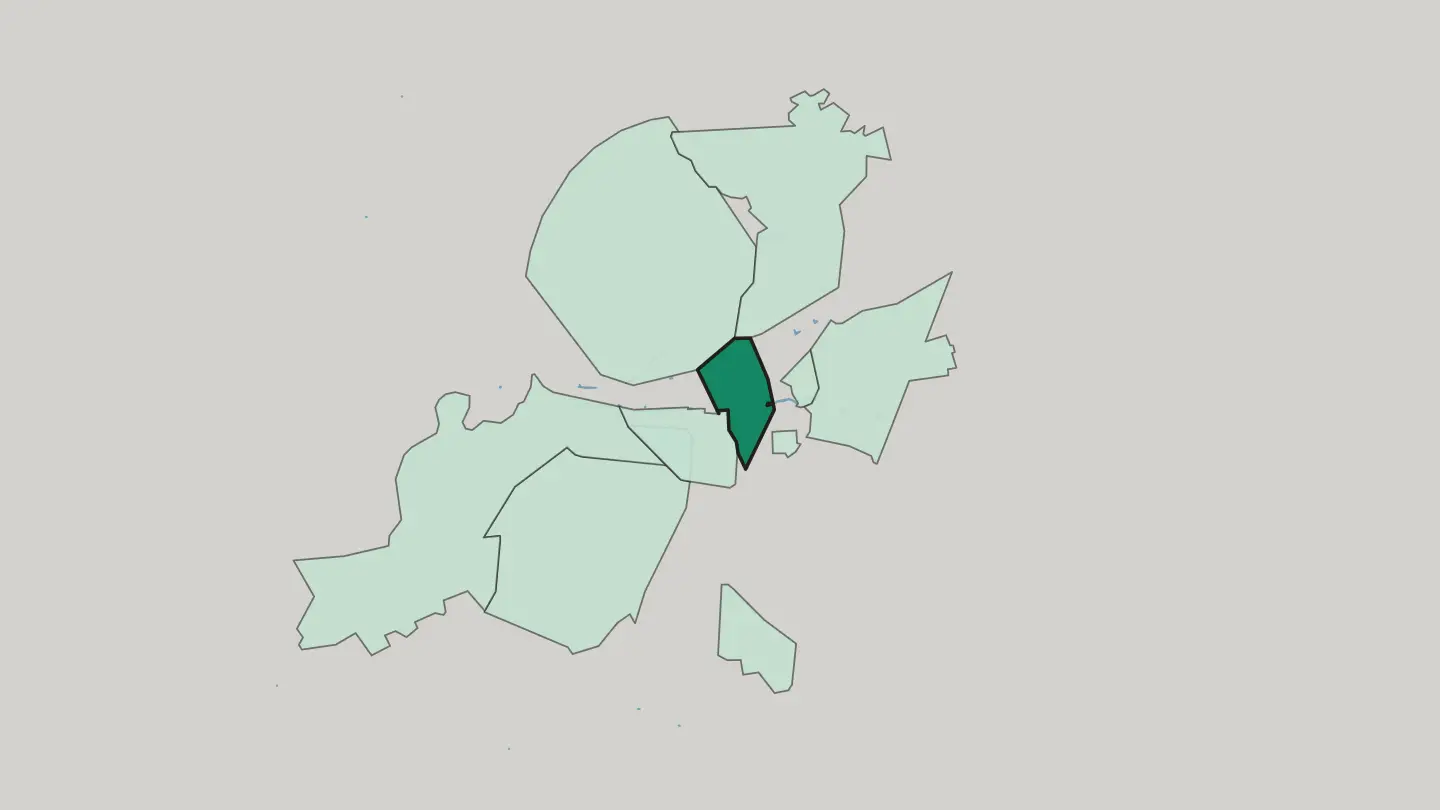 DamascusSyria
Baramkeh
Baramkeh is a central Damascus district in the Qanawat municipality, home to a Damascus University campus.Where to stay →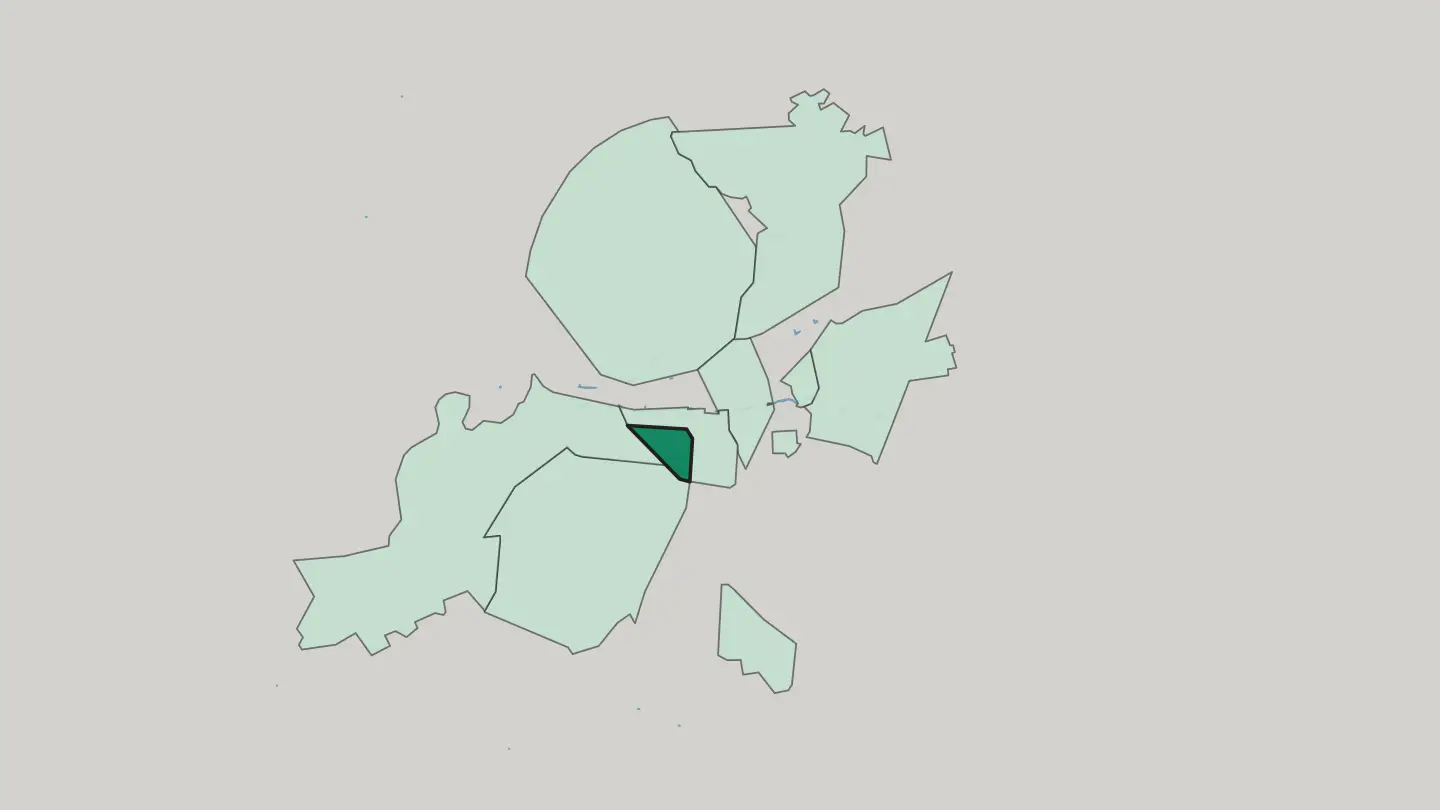 DamascusSyria
Kafr Sousa
Kafr Sousa is a southwestern district of Damascus, Syria, a modern quarter near the Damascene Sword monument.Where to stay →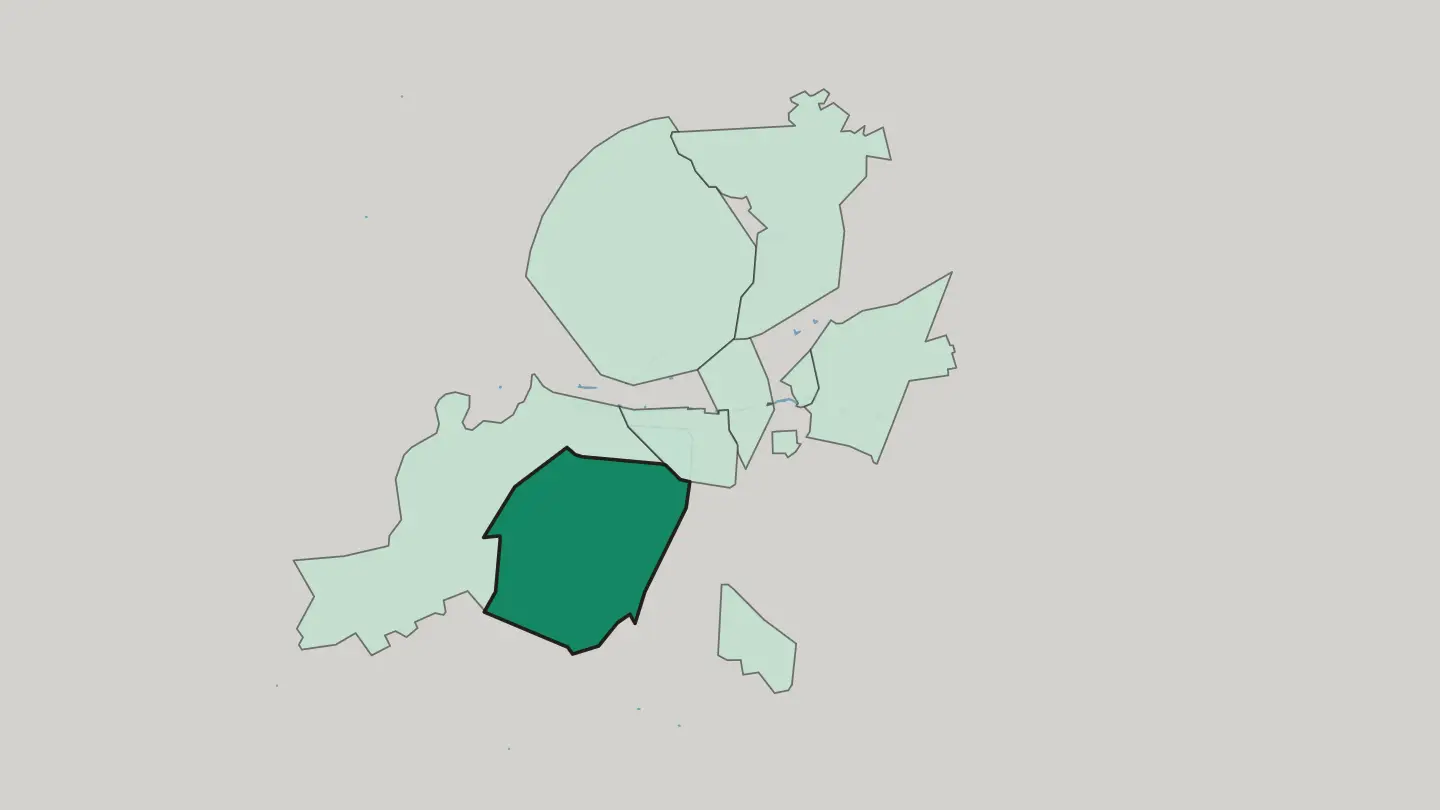 DamascusSyria
Abu Jarash
Abu Jarash is a neighbourhood of al-Salihiyah in Damascus, Syria, built around a domed Ayyubid mausoleum.Where to stay →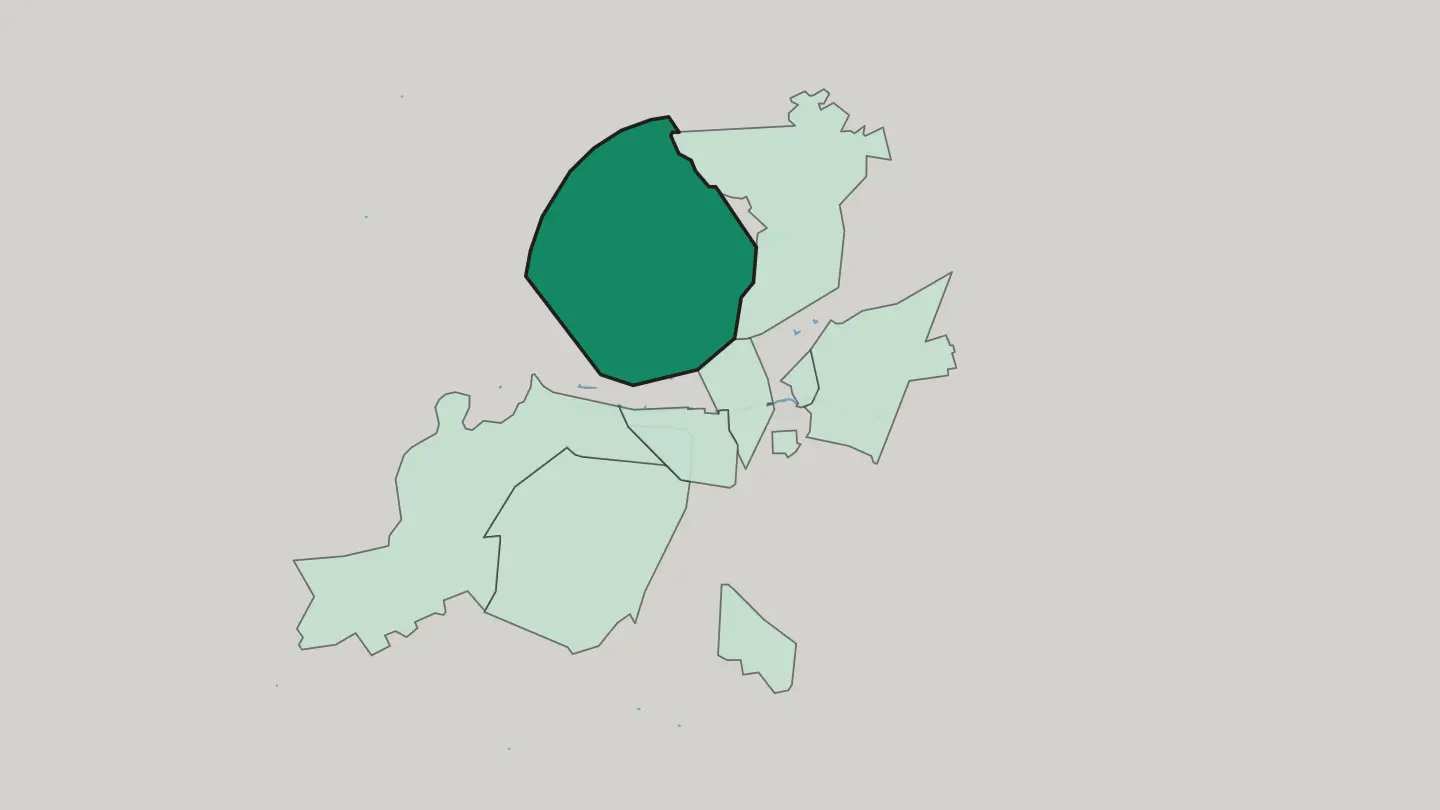 DamascusSyria
Al-Amin (Damascus)
Al-Amin (حي الأمين) is a historic quarter of Damascus, Syria, set among the Old City's mosques, churches and museums.Where to stay →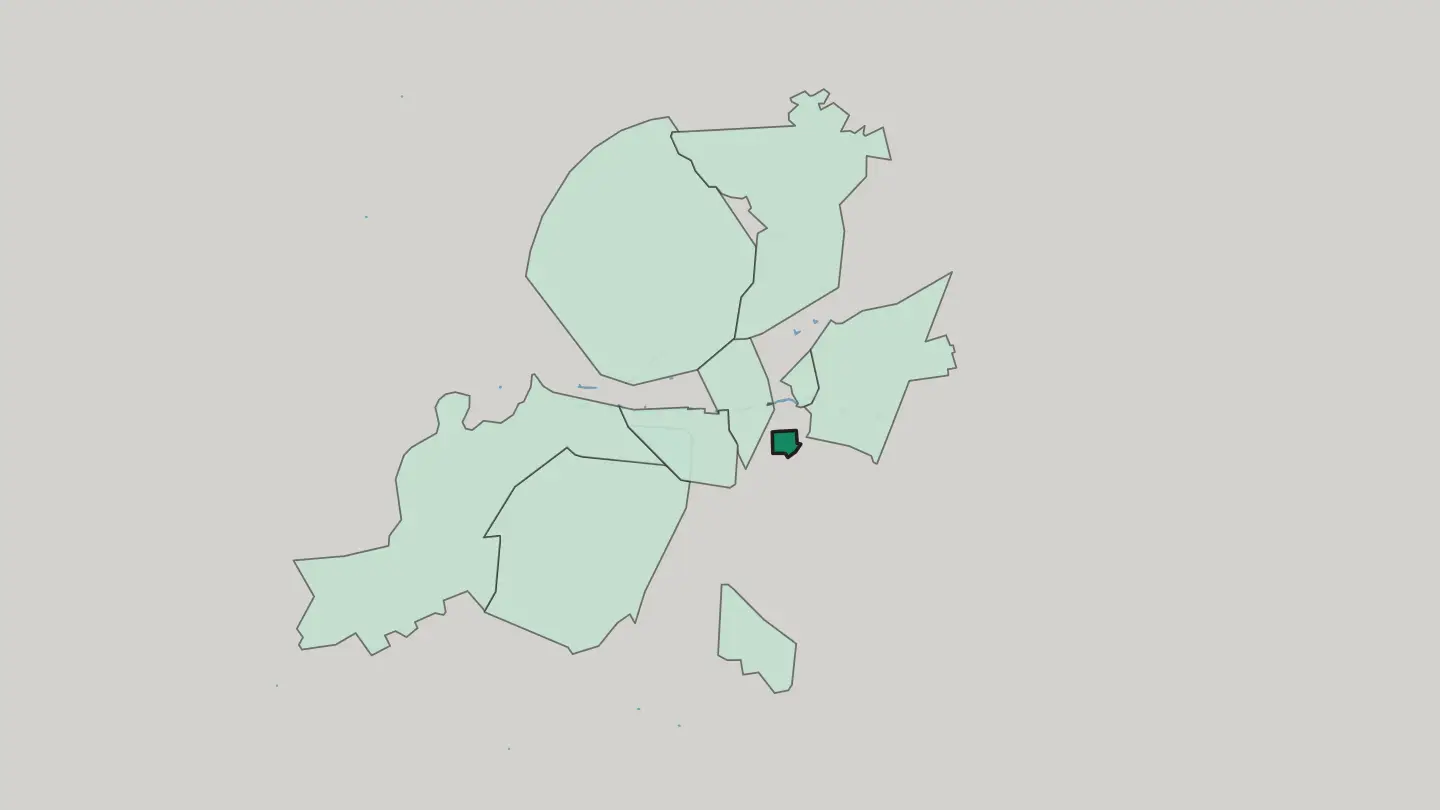 DamascusSyria
Jobar
Jobar is an eastern district of Damascus, Syria, on the approaches to the walled Old City.Where to stay →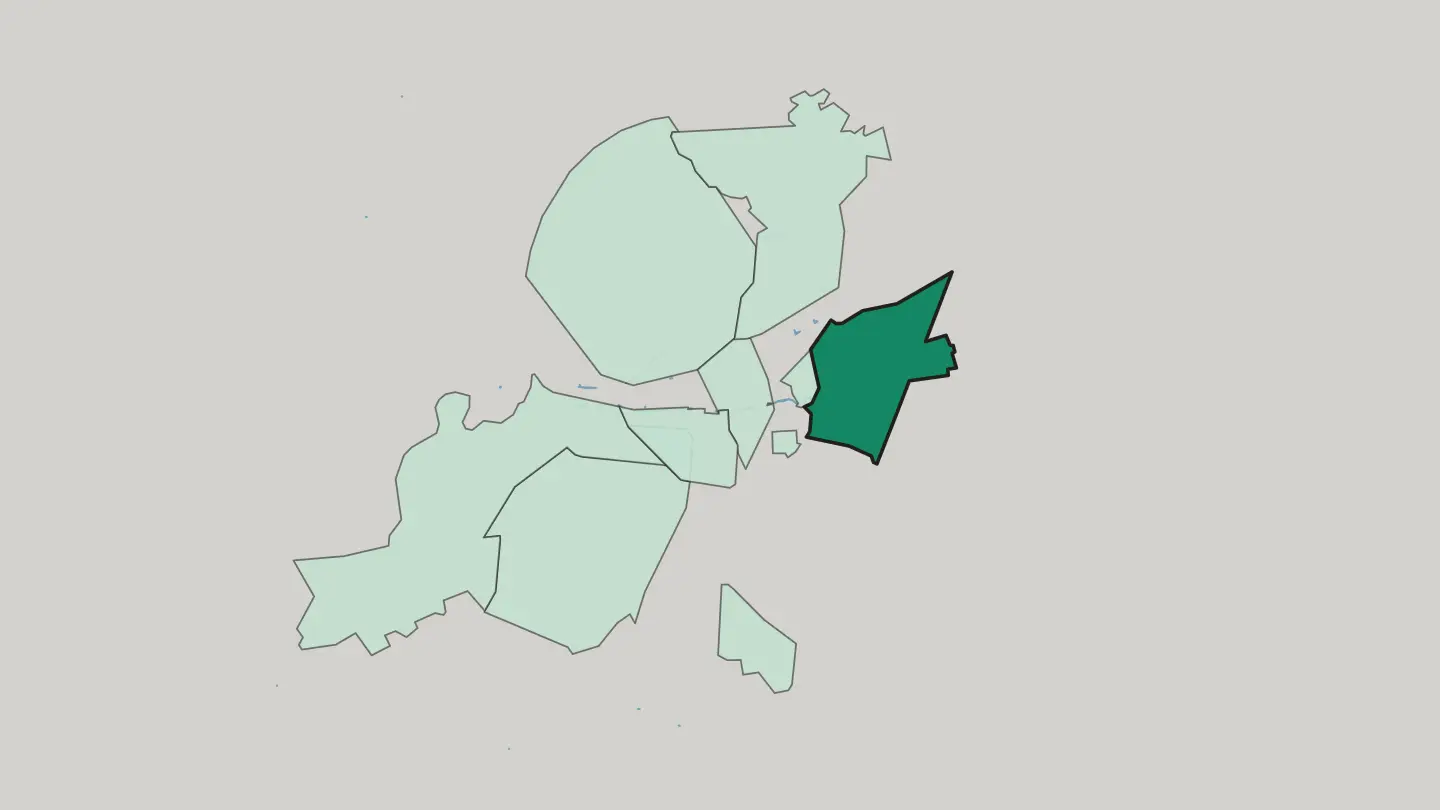 DamascusSyria
Al Qusa'
Al Qusa' is a Christian-rooted neighbourhood on the eastern edge of Damascus, dense with churches and cathedrals.Where to stay →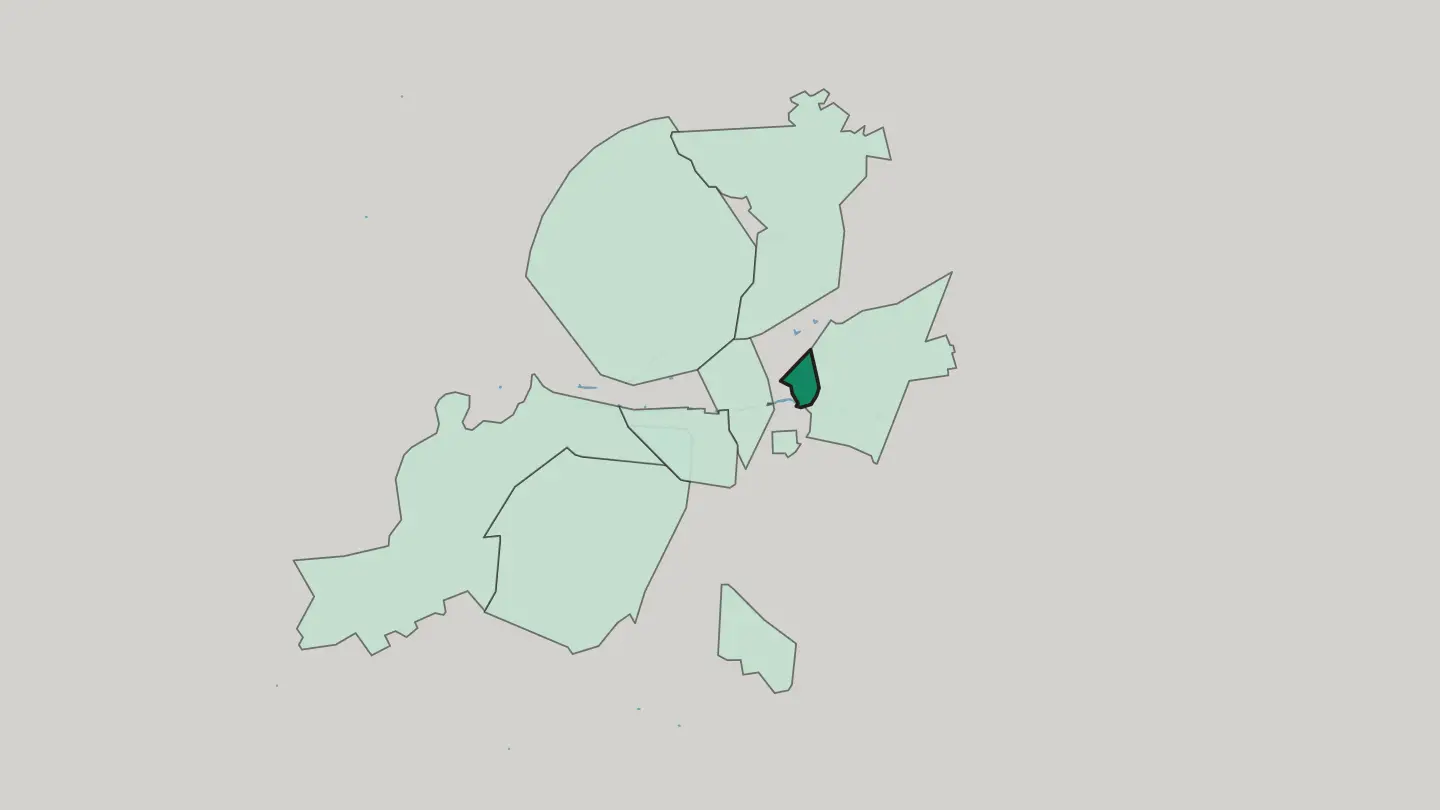 DamascusSyria
Mezzeh
Mezzeh is a western district of Damascus, home of the Damascene Sword monument and the Ayyam Gallery.Where to stay →DamascusSyria
Yarmouk Camp
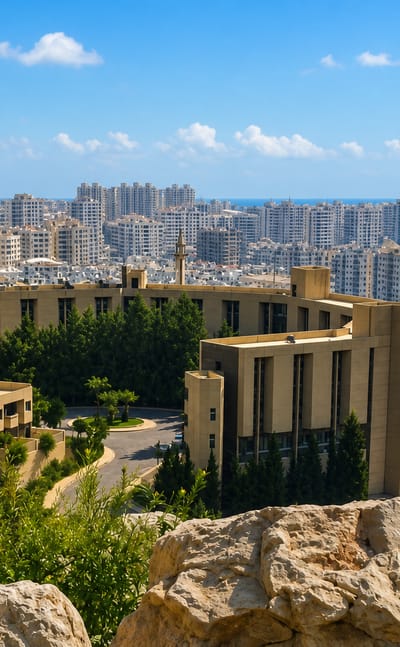
Yarmouk Camp is a district of Damascus, built in 1957 to house Palestinian refugees and once home to the largest Palestinian refugee community in Syria.Where to stay →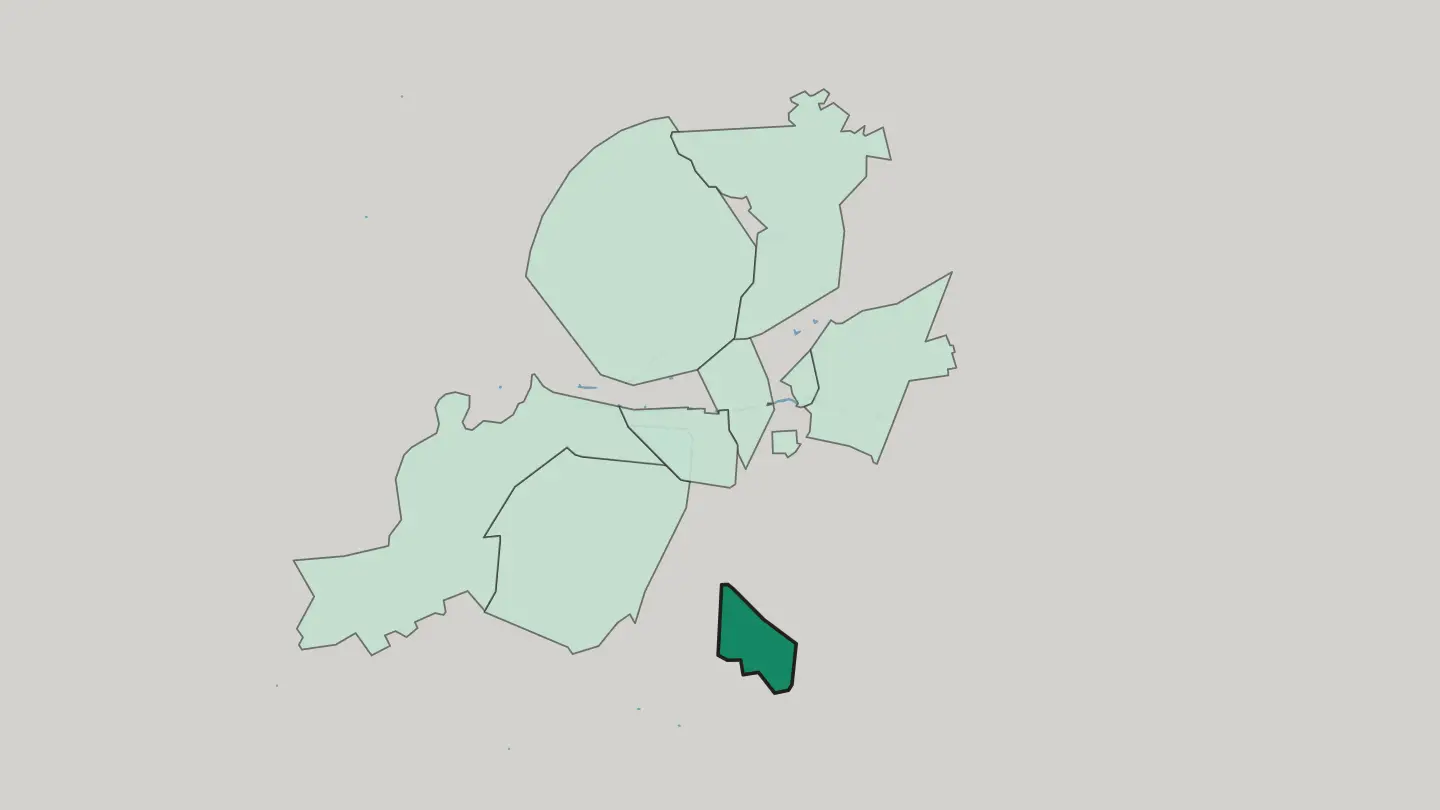
 DamascusSyria
Barza
Barza, also spelled Barzeh, is a neighbourhood on the northern side of Damascus, Syria.Where to stay →DamascusSyriaDweilaa
Dweilaa is a residential quarter of Damascus, part of the wider Damascus Governorate in Syria.Where to stay →Things to do in Damascus
Ranked by global recognition; descriptions from Wikidata (CC0).
Museums & Galleries
3- National Museum in Damascus
- Nur al-Din Bimaristan
- October War Panorama
Churches & Religious Sites
3- Umayyad Mosque Heritage
- Temple of Jupiter, Damascus
- Our Lady of the Assumption Cathedral
Castles & Historic Sites
3- Citadel of Damascus
- مقام جبل الأربعين
- The Damascene Sword monument
Landmarks & Notable Places
1- Maktab Anbar
worth knowingacross 4 categories in Damascus
About Damascus
Damascus is known as one of the oldest cities in the world.
What is Damascus known for?
The capital and largest city of Syria, it is often called the oldest continuously inhabited city on earth, and colloquially in Syria it is known as aš-Šām. Its old core is dense with heritage, from the Umayyad Mosque to the Citadel of Damascus. Poets call it the City of Jasmine.
It stands among the great cultural centres of the Levant and the Arab world.
What are the main landmarks in Damascus?
Damascus keeps most of its landmarks in the Old City. The Umayyad Mosque stands at its heart, one of the great early mosques, while the Citadel of Damascus guards one corner of the walls. Churches share the same lanes.
Bab Tuma marks the old Christian quarter, near Saint Anania's House and Our Lady of the Assumption Cathedral, and the Street Called Straight runs the length of the old town. The National Museum in Damascus and the Temple of Jupiter round out the historic core.
What is the history of Damascus?
Damascus counts among the oldest cities on earth, inhabited without a break for thousands of years. Damascenes know it as aš-Šām, and it grew from an ancient settlement into a great capital, often called the oldest capital city in the world. Empires came and went around it.
The Temple of Jupiter, still standing at the edge of the Umayyad Mosque, marks the classical age that passed through the city before the Arab conquest. Its greatest era came under the Umayyad Caliphate. For a time Damascus was the capital of that empire, at the height of the Islamic Golden Age, and the Umayyad Mosque was raised at its centre, holding relics said to be those of John the Baptist.
The city is woven into religious history. The Street Called Straight, running through the Old City, is remembered as the place where the Apostle Paul turned to Christianity, and churches and mosques have shared these lanes ever since. Later centuries left the Citadel of Damascus and the deep heritage gathered in the National Museum in Damascus.
Layer sits on layer here. From a classical temple to an Umayyad capital, Damascus has held the same ground as the cultural heart of the Levant and the Arab world.
Where is Damascus?
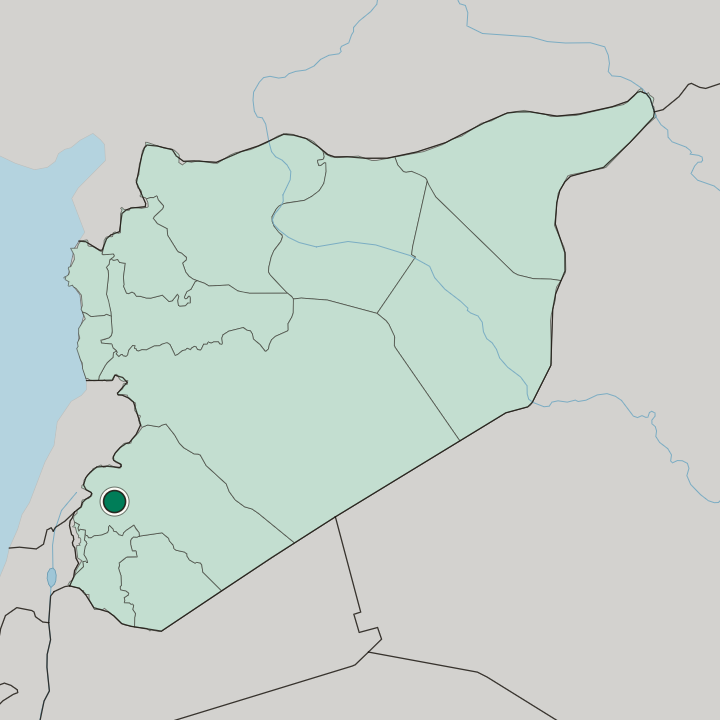
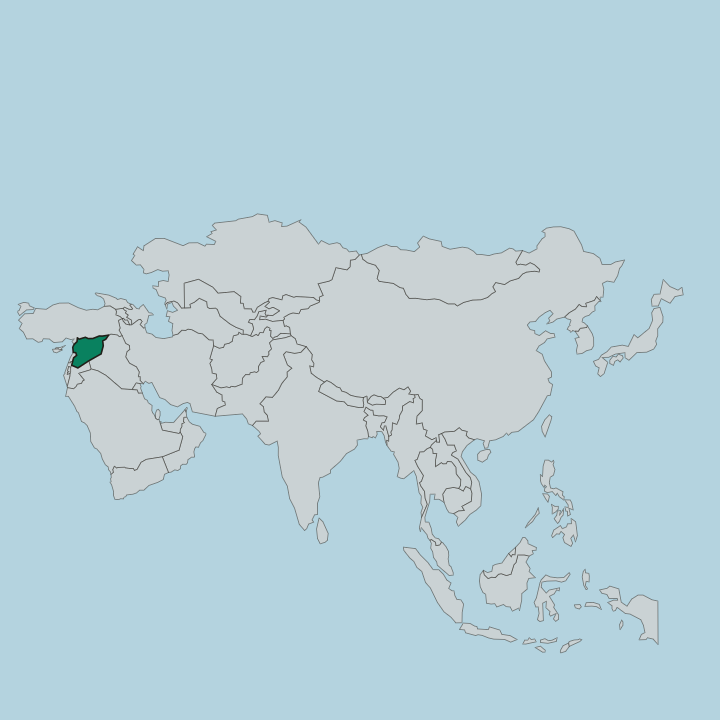
Damascus is the capital of Syria, in the Levant. The city is built around a compact Old City, the walled historic core where the Umayyad Mosque, the Citadel of Damascus and the Street Called Straight stand close together. Around that core the modern capital spreads outward in every direction.
Old and new together make one of the largest cities of the Levant.
What is the climate of Damascus?
Damascus has a hot, dry climate. Summers are long, hot and almost rainless, while the winters are cooler and bring what little rain the year holds. The air stays dry through most of the year.
Well inland and far from the sea, the capital misses the milder, wetter weather of the coast and keeps a dry, sunlit climate instead. This is the weather of the City of Jasmine.
How do you get to Damascus?
Damascus is the capital, and the country's routes lead to it. As the largest city of Syria, it is the hub that roads and rail across the country run toward, gathered at the centre of the Levant. Most arrivals make for the Old City first.
From there the great landmarks, the Umayyad Mosque and the Citadel of Damascus among them, sit within the walls. The rest of Syria reaches out from the capital.
Good for
Another city in Damascus Governorate
Updated October 2026