Syria · Deir ez-Zor Governorate
Where to Stay in Deir ez-Zor, Deir ez-Zor Governorate
The Euphrates runs through Deir ez-Zor, the largest city of eastern Syria and the seat of Deir ez-Zor Governorate.
Find your area →


Where to stay in Deir ez-Zor
The practical side of choosing where to sleep.
The Euphrates divides the practical choices in Deir ez-Zor. Beds cluster near the water, where the bank carries the crossings that link the two halves of the city and the approach roads running out into Deir ez-Zor Governorate toward the farmland beyond. Riverside streets suit a short stay.
Choose them if you want the crossings and the walk to the Deir ez-Zor Museum rather than a drive across town. As the seat of its governorate, the city keeps its services in a compact centre, so the difference between one address and another is measured in minutes rather than in journeys. Away from the bank, the streets around the Deir ez-Zor Museum and the Museum of Folk Traditions put the city's collections within reach and trade the river view for quiet.
The Armenian Genocide Memorial Church, Der Zor stands as the other fixed point, a place of remembrance that many travellers plan a stay around. Everything here sits close together. Both museums lie within the same walkable core.
Eastern Syria's largest city sits a long way northeast of Damascus, and a room chosen near the Euphrates or near the museums will serve either kind of visit equally well.
About Deir ez-Zor
What is Deir ez-Zor known for?
Deir ez-Zor is known first for the Euphrates, which passes the city on its way through eastern Syria and gives the surrounding governorate its farmland, its crossings, and its long association with the river trade. The river sets the terms. Two museums carry the rest of its reputation: the Deir ez-Zor Museum and the Museum of Folk Traditions, both drawing travellers who come for the region's past rather than for the water alone.
Its name is written Deir Ezzor or Deir az-Zur in other transliterations, and دير الزور in Arabic.
What are the main landmarks in Deir ez-Zor?
Three institutions carry the city's public memory. The Deir ez-Zor Museum carries the city's own name, and the Museum of Folk Traditions takes the folk material of the surrounding countryside as its subject, so a traveller with an afternoon can see both without leaving the centre. A memorial completes the set.
The Armenian Genocide Memorial Church, Der Zor is a place of remembrance, and its name preserves an older spelling of the city's.
What is the history of Deir ez-Zor?
Deir ez-Zor's history is the history of a river crossing. The Euphrates carried traffic through eastern Syria long before the roads did, and the town that grew on its banks owed its position to a place where the water could be crossed and the land beside it farmed. Distance mattered too.
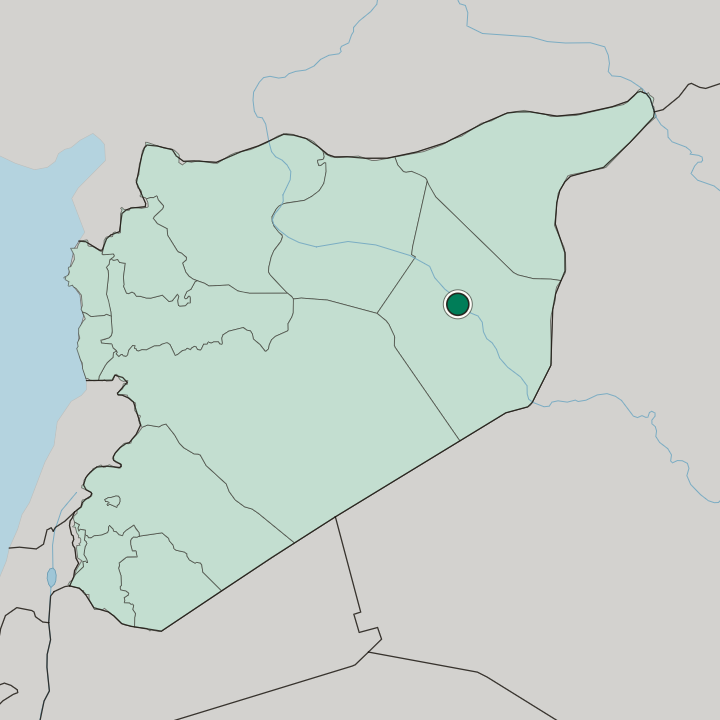
Deir ez-Zor stands some 450 kilometres northeast of Damascus, and the governorate that surrounds it is administered from the city rather than from the capital. Cultivation followed the water, not the road, and the villages of Deir ez-Zor Governorate still trace the line of the Euphrates across the country on either side of the city. The twentieth century left its own mark.
The Armenian Genocide Memorial Church, Der Zor commemorates the Armenian Genocide, and its dedication attaches the older spelling of the city's name to that memory. Its museums keep the record. The Deir ez-Zor Museum and the Museum of Folk Traditions hold, between them, the archaeological and everyday material of a governorate whose settlement has followed the Euphrates for as long as there has been farming beside it.
Eastern Syria has no larger city.
Where is Deir ez-Zor?
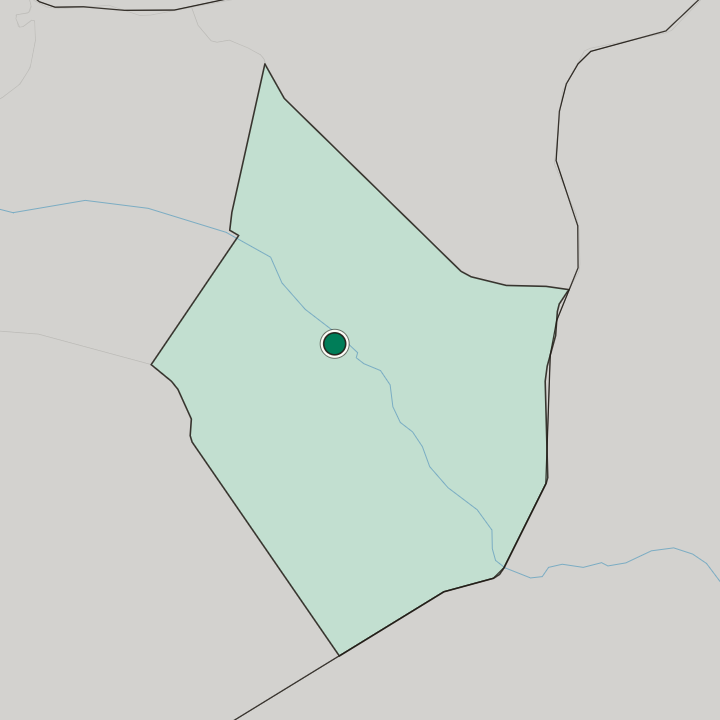
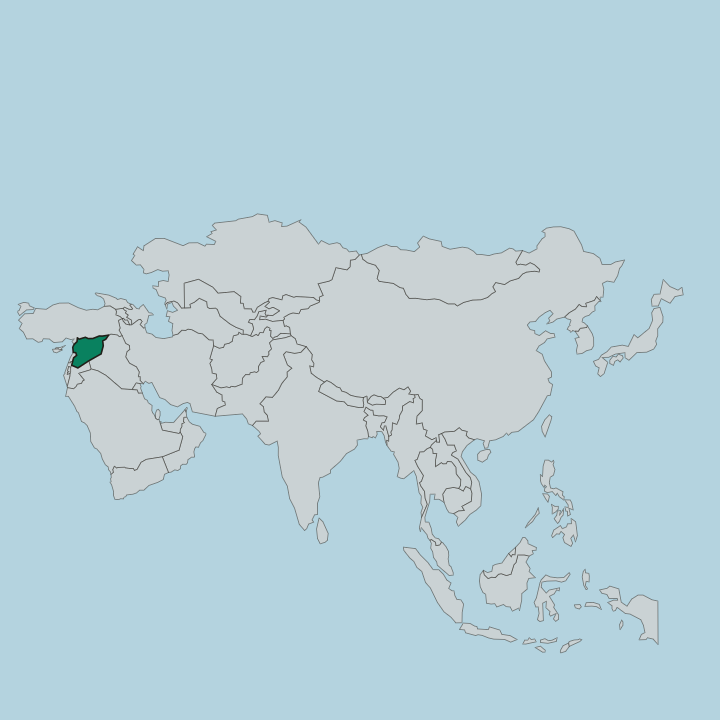
The Euphrates is the whole of Deir ez-Zor's geography. The city occupies the banks of the river in eastern Syria, at the centre of Deir ez-Zor Governorate, whose farmland, villages, and roads all keep close to the water rather than spreading into the country beyond. Damascus is far off.
Between Deir ez-Zor and the capital lies a long stretch of country, which leaves the city the largest place in eastern Syria and the natural centre for the villages strung along the Euphrates.
What is the climate of Deir ez-Zor?
The Euphrates does little to soften the summer heat. Deir ez-Zor stands far from any sea, in the interior of eastern Syria, so the days run hot and dry through the long summer while the nights cool sharply once the sun is off the valley. Winter is the mild season.
Rain, when it comes, falls in the cooler months, and the river rather than the sky is what keeps the farmland of Deir ez-Zor Governorate green through the rest of the year.
How do you get to Deir ez-Zor?
Every visitor arrives by road. The route northeast from Damascus is a long one, and the crossings inside Deir ez-Zor carry traffic between the banks of the Euphrates once the road arrives. Within the city, distances stay walkable.
As the seat of Deir ez-Zor Governorate, the city is where road traffic from the surrounding villages converges, and onward travel through the province is arranged from here rather than from any smaller town.
Another city in Deir ez-Zor Governorate
Updated September 2026