Syria · Hama Governorate
Where to Stay in Ḩamāh, Hama Governorate
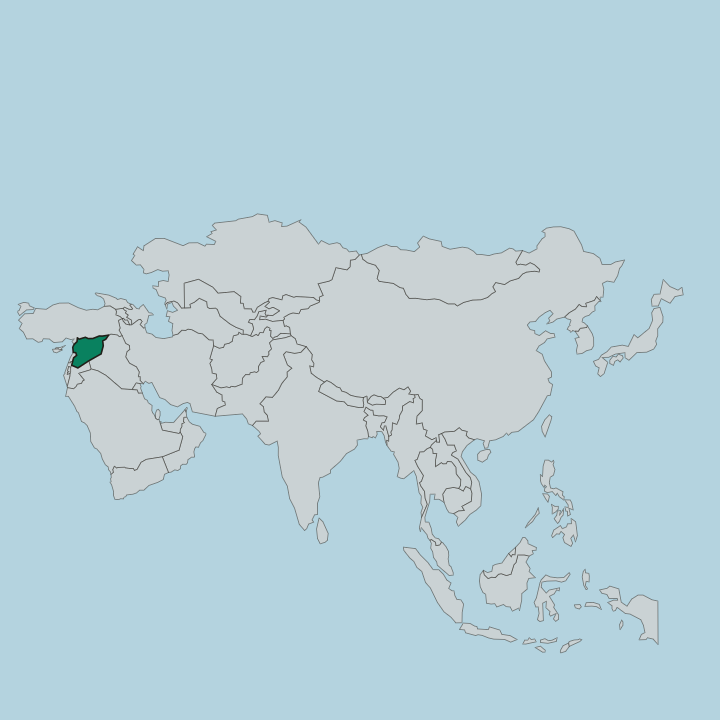
Ḩamāh stands on the Orontes River in Syria, a provincial capital known for the norias, the great wheels that turn at its centre.
Find your area →


Where to stay in Ḩamāh
One neighbourhood here has its own guide — here's what it is best for.

 ḨamāhSyria
Tishrīn
Tishrīn is a Syrian village in the Hama District of the Hama Governorate, recorded earlier under the name Rasm al Bagl.Where to stay →About Ḩamāh
Wheels turn on the river.
What is Ḩamāh known for?
The norias stand in the Orontes River where it runs through the middle of the city, and these wheels are what Ḩamāh is known by beyond Syria. Hama Castle rises over the town. Kitchens here are known for cheese, and Halawet el Jibn, a sweet made from it, belongs to Ḩamāh more than to anywhere else.
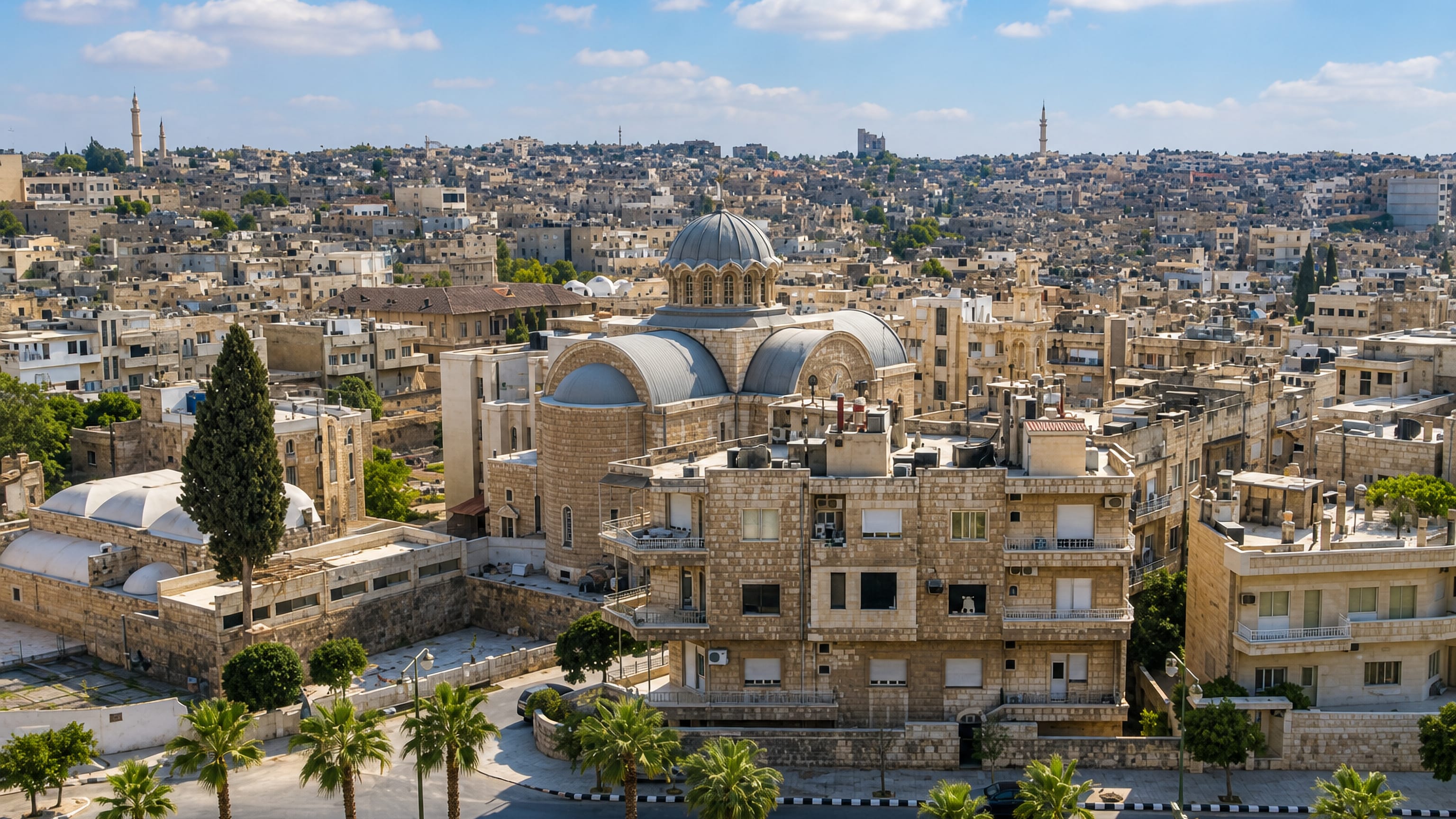
Saint George's Cathedral serves the Christian congregations of the city.
What are the main landmarks in Ḩamāh?
Start with the wheels. The norias turn in the Orontes River, Hama Castle stands on its mound above them, and the Temple of Jupiter at Hamah is the oldest name among the city's remains. Saint George's Cathedral serves the city's Christians.
A museum of folk traditions keeps the domestic side of Ḩamāh, a quieter counterpart to the castle and the wheels.
What is the history of Ḩamāh?
The mound came first. Hama Castle occupies high ground above the Orontes River, the kind of raised site that marks long occupation, and the Temple of Jupiter at Hamah shows the city standing within the Roman world. Water ran the economy.
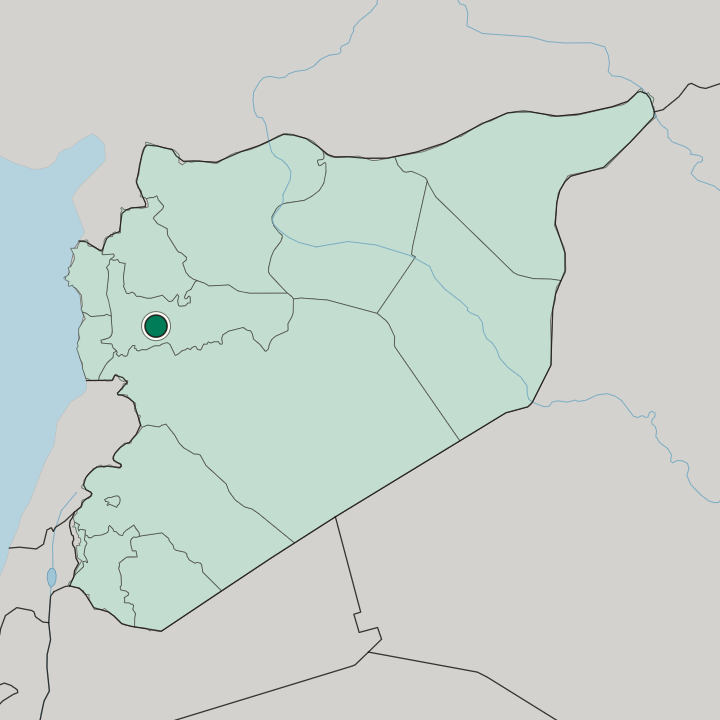
The norias were built to lift the Orontes into channels above the bank, and those wheels turned for the fields and the houses long before they turned for visitors. Cheese-making settled in the same city, and Halawet el Jibn carries that tradition into the sweet course. Ḩamāh grew into a provincial capital. Hama Governorate is the only province of Syria without a land border onto another country, which leaves the city facing inward, toward Homs, Damascus and Aleppo rather than toward any frontier.
Much of the old city was destroyed in 1982. What stood before that year survives in pieces, and the castle mound, the cathedral and the wheels on the river are the pieces most visitors come to see. The city ranks among the four largest in Syria. Ḩamāh sits north of Homs and much further north of Damascus, on the line of towns that follows the Orontes River.
Where is Ḩamāh?
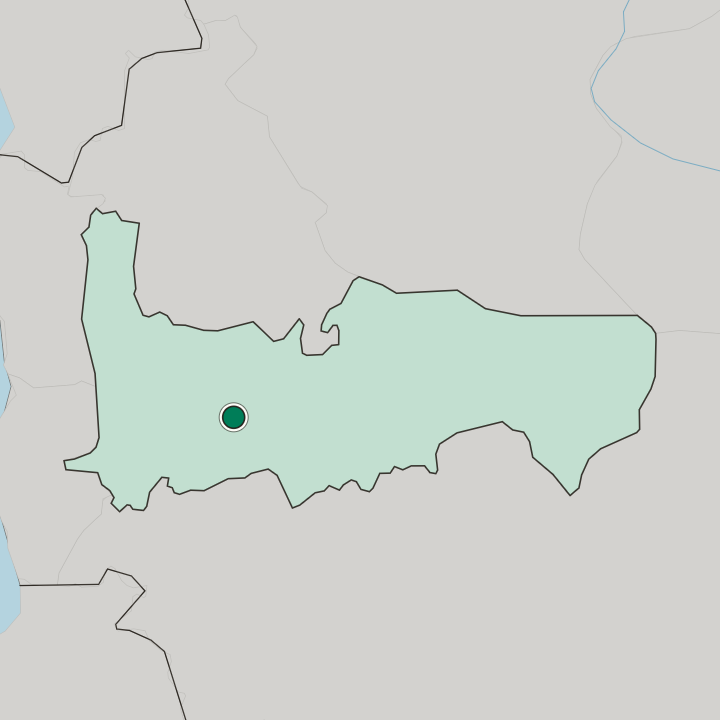
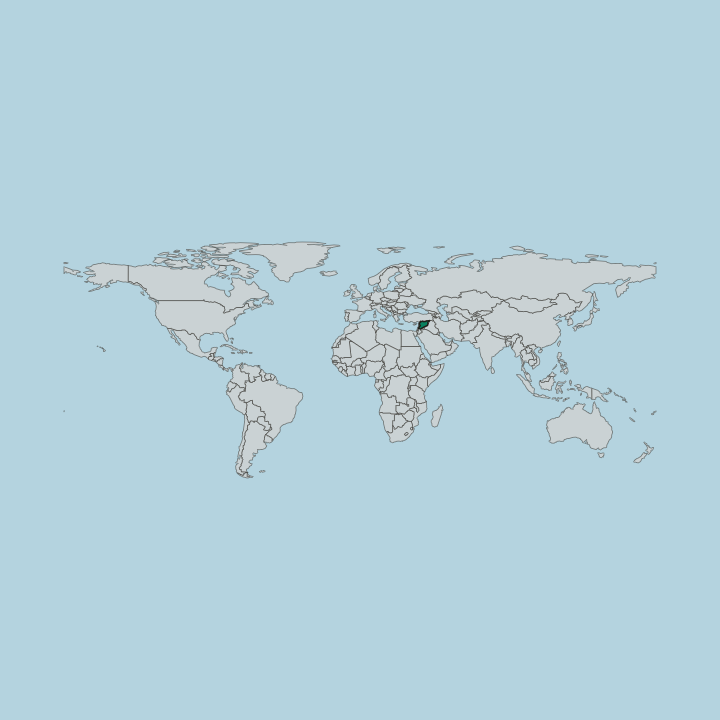
The Orontes River runs through it. Ḩamāh stands on both banks, with Hama Castle on rising ground above the water and the norias set in the current where it passes the centre. Homs lies about forty-six kilometres south. Damascus is far further along the same road, and Hama Governorate reaches out from the city without touching any foreign border, alone among the provinces of Syria.
What is the climate of Ḩamāh?
Inland heat rules the summer. Ḩamāh lies away from the sea, in the temperate band, so the months around midsummer run hot and dry while the Orontes River keeps its green line through them. Winter brings the rain. Nights cool quickly once the sun is off the river, and the swing between afternoon and dawn stays wide through the dry half of the year.
How do you get to Ḩamāh?
The road from Homs is short. Ḩamāh lies about forty-six kilometres beyond it, and the same corridor carries on to Aleppo, which puts the city on the main line between the largest centres of Syria. Damascus is the long leg. Two hundred and thirteen kilometres separate the capital from Ḩamāh, so arrivals come by bus or car, and the Orontes River marks the centre once a traveller is in.
Good for
Another city in Hama Governorate
Updated September 2026