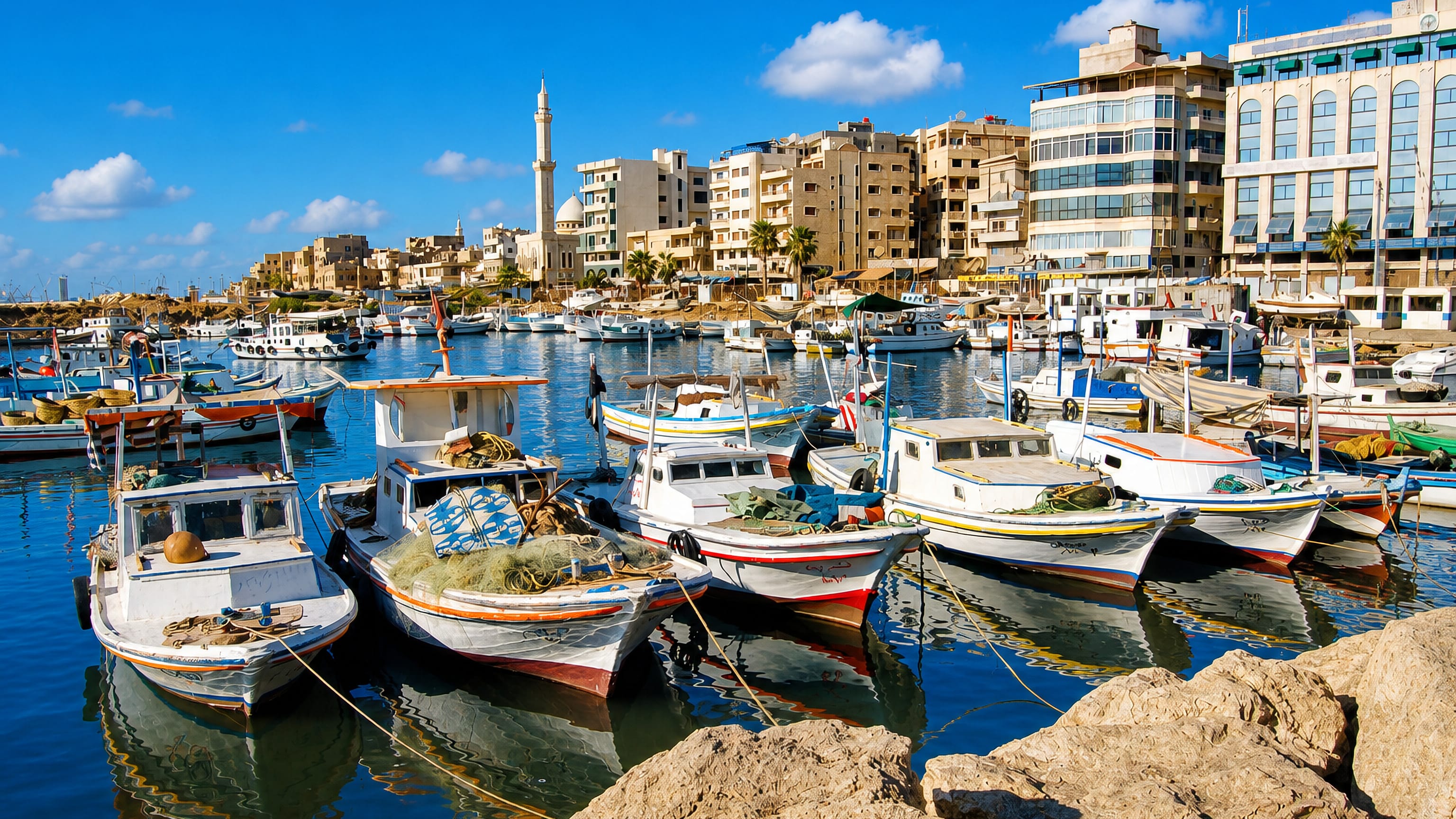
Syria · Tartus Governorate
Where to Stay in Ţarţūs, Tartus Governorate
Ţarţūs is a Mediterranean port city in Syria, the largest in Tartus Governorate, looking out to the island of Arwad.
Find your area →


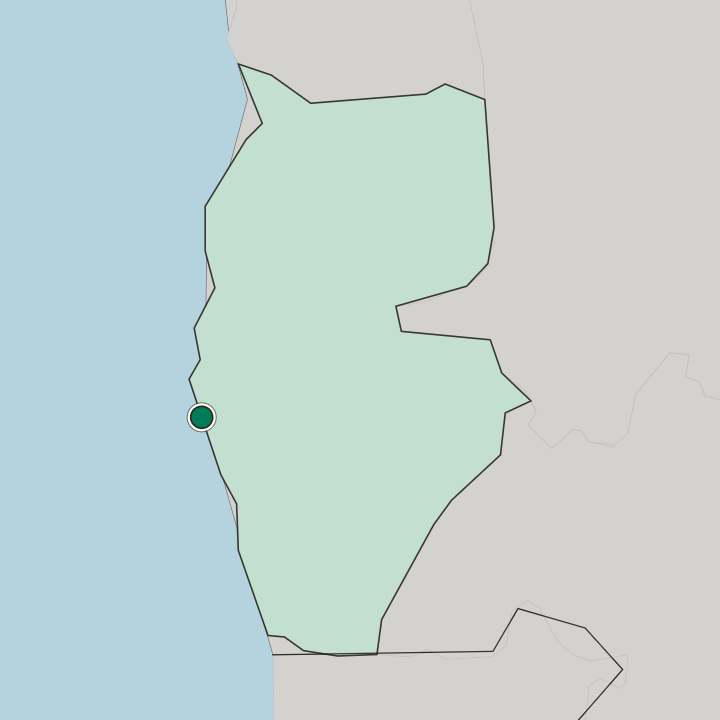
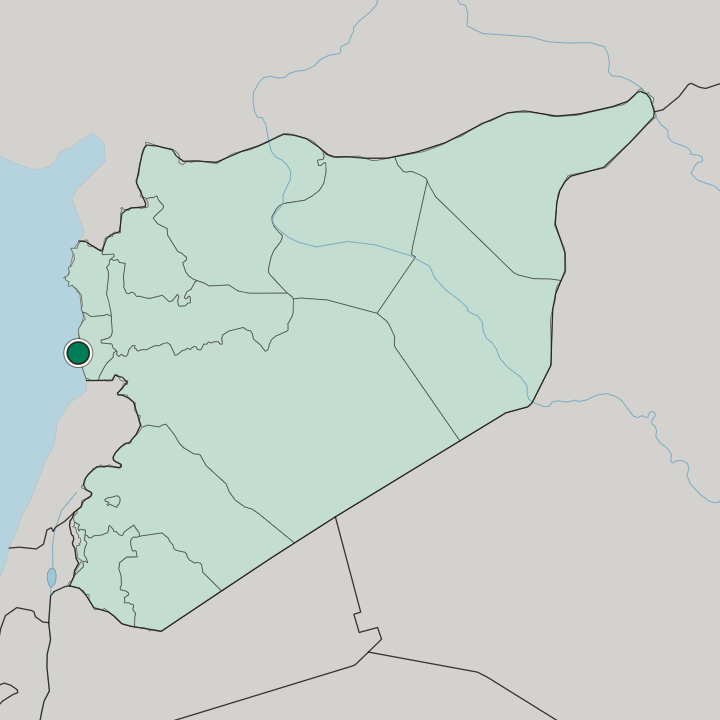
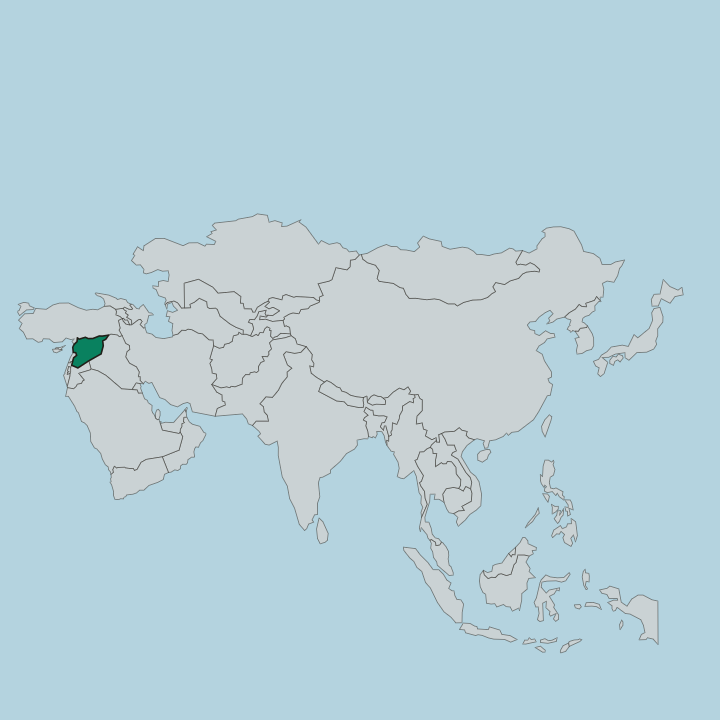
Where to stay in Ţarţūs
The practical side of choosing where to sleep.
Two choices sit close together here. The old quarter fills the shell of Tartus Castle, where the Cathedral of Our Lady of Tortosa rises above stone lanes that drop toward the fishing harbour. Rooms there put the sea a few streets away.
Along the seafront north of the port, the buildings are newer and the view is open water, with Arwad showing as a low line offshore. Both sides suit a first visit. Summer brings Syrians down to this coast, so the seafront hotels are busiest then, while the lanes inside the castle walls stay quieter and cooler under stone.
Arwad itself takes visitors. The crossing from the Ţarţūs harbour is short, the island's lanes wind around Arwad Castle, and beds there are few enough that they fill fast in the warm months. Inland, the coast road runs through Tartus Governorate.
Hotels along that road trade the water view for space and easy parking, and they sit closer to the highway toward Latakia, the one Syrian port larger than this one. Ţarţūs keeps a museum, and Arwad carries archaeological ground, so a stay on either side of the water finds something beyond the quays. The choice comes down to three things. Walls, water, or the crossing to the island.
About Ţarţūs
What is Ţarţūs known for?
Everything here answers to the sea. Ţarţūs works as Syria's second port after Latakia, and its old quarter grew inside the walls of Tartus Castle, where the Cathedral of Our Lady of Tortosa still stands among the houses. A short crossing reaches Arwad, the island off the harbour, where Arwad Castle stands over the water. Syrians come down to this coast in summer.
What are the main landmarks in Ţarţūs?
Tartus Castle holds the old town. The Cathedral of Our Lady of Tortosa stands inside that quarter, a heavy stone church that has outlived the walls built around it and much of the trade that once filled the harbour. Offshore, Arwad Castle guards the island of Arwad, reached by boat from the Ţarţūs waterfront.
The city also keeps a museum. Archaeological ground lies on Arwad and along the shore of Tartus Governorate.
What is the history of Ţarţūs?
Ţarţūs grew as a port beside the island of Arwad. The mainland town took shape inside the walls of Tartus Castle, while Arwad Castle held the island offshore, and the two together watched the water between them and the anchorage they shared. Stone from both still stands.
The Cathedral of Our Lady of Tortosa is the heaviest piece of that inheritance, a church left standing among the lanes rather than set apart from them. Fishing boats still cross to Arwad. The island lies close enough to the Ţarţūs waterfront that it reads as part of the town.
Administration came late. Tartus Governorate was carved out in the nineteen-seventies, and before that the coast around Ţarţūs was run from Latakia Governorate, which left this city as the largest place in a province it had not previously headed. The port ranks second in Syria, after Latakia.
Summer turns the shore into a resort for Syrians from the inland cities, and the seafront fills while the old quarter keeps its ordinary trade in the shade of the castle walls. Tartus Governorate has no other city of this size. Cargo moves through quays that lie a short walk from the castle quarter, and the fishing fleet works from the same water that carries the Arwad boats.
Where is Ţarţūs?
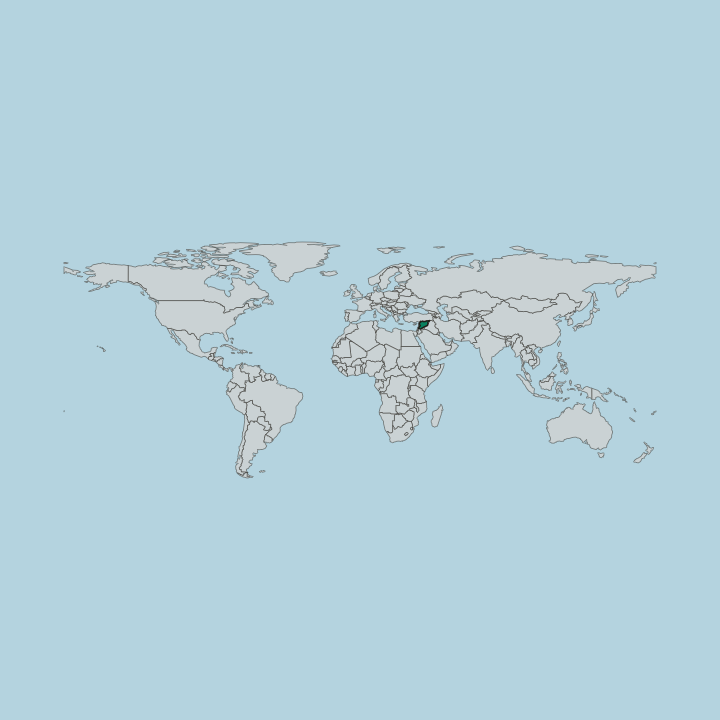
Water defines the site. Ţarţūs stands on the Mediterranean coast of Syria, with the island of Arwad lying offshore and the rest of Tartus Governorate running back from the shore. The harbour opens straight onto open water. Syria's larger port, Latakia, sits along the same coastline.
Arwad is small enough to walk, and the strait between it and the Ţarţūs waterfront is short enough for boats to be back before the day is out.
What is the climate of Ţarţūs?
The Mediterranean does the regulating. Ţarţūs sits in the subtropical band, and the sea beside it keeps the winter mild along the shore while holding back some of the summer heat that builds away from the water. Rain comes in the cooler months. Summer draws Syrians to this coast, and the shore between Ţarţūs and Arwad is where they come for the water.
How do you get to Ţarţūs?
Roads deliver most people to Ţarţūs. The coastal highway carries traffic into Ţarţūs, running along the Syrian shore between Latakia and the towns of Tartus Governorate to either side. The Arwad crossing starts at the harbour. Ţarţūs is also a working cargo port, second in Syria after Latakia, and the quays sit within reach of the castle quarter on foot.
Good for
Updated September 2026