Syria
Tartus Governorate, Syria — Towns & Travel Guide
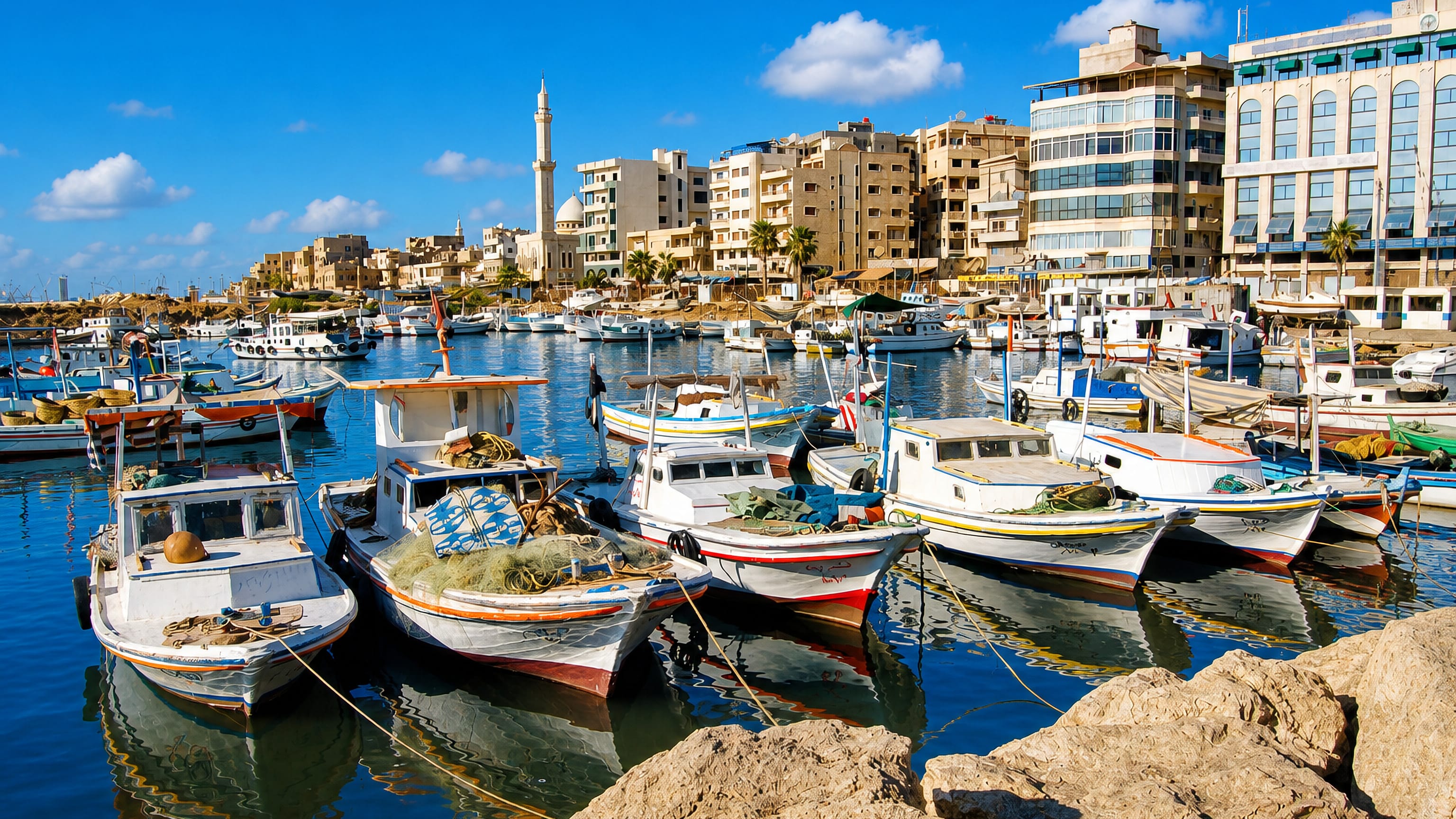
Tartus Governorate holds roughly half of Syria's Mediterranean coast, where Crusader Tortosa and the Phoenician isle of Arwad face the sea.
About Tartus Governorate


Towns & cities in Tartus Governorate
One town here has its own guide — it links to where to stay.

 Syria
Syria
Ţarţūs
Ţarţūs is a Mediterranean port city in Syria, the largest in Tartus Governorate, looking out to the island of Arwad.Where to stay →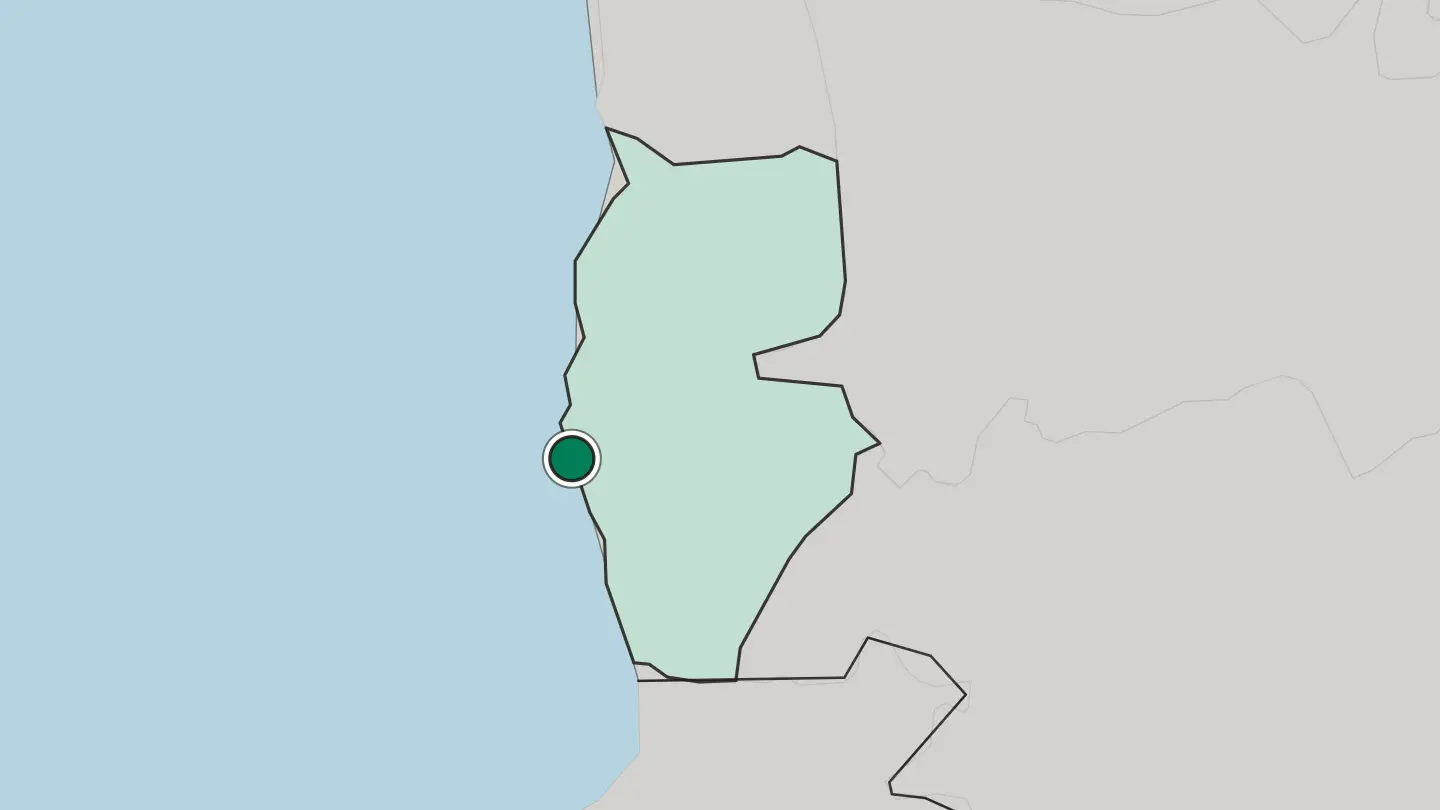
About Tartus Governorate
What is Tartus Governorate known for?
Tartus Governorate holds Syria's second-largest Mediterranean port. Deep antiquity anchors it. The Crusaders held the port as Tortosa, and their cathedral still stands in the old capital.
Just offshore lies Arwad, the only inhabited island off this coast, a walled Phoenician fishing town of boat-builders and narrow lanes. Inland the Syrian Coastal Mountain Range climbs fast, carrying hill resorts like Safita and its lone Templar tower above the citrus plain.
Where is Tartus Governorate?
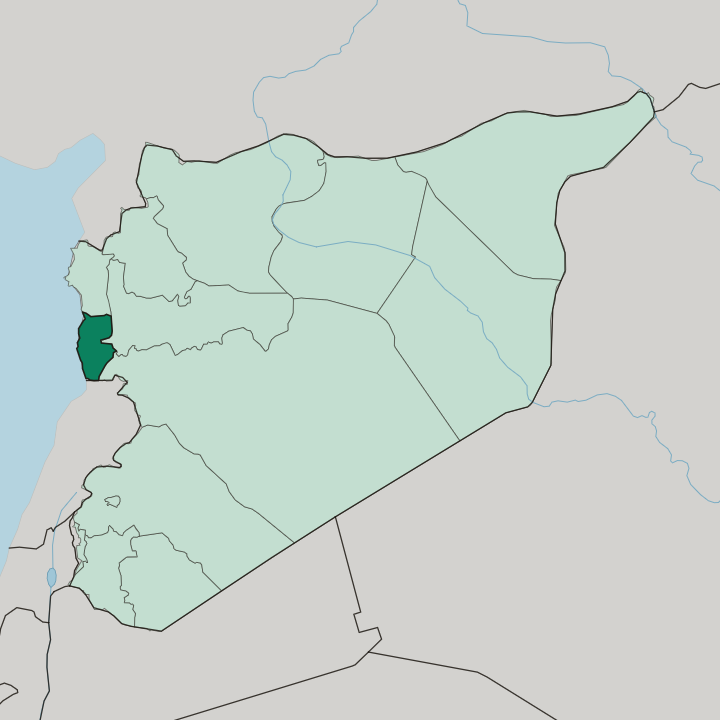
Tartus Governorate occupies a narrow band of western Syria between the mountains and the sea. The strip is narrow. The Mediterranean forms its whole western edge, and the Syrian Coastal Mountain Range walls off its eastern side, so the inhabited land is a thin coastal plain squeezed between the two. Latakia Governorate lies to the north along the same shore.
Homs and Hama Governorates sit over the mountains to the east, reached through the passes. To the south the Nahr al-Kabir river marks the border with Lebanon. The coast is low and fertile, planted with orange and lemon groves that run almost to the tideline.
Behind them the ground rises quickly into the folds of the Coastal Mountain Range, where villages cling to ridges and the air stays cooler through summer. Five small islands lie offshore, and Arwad, the largest, is the only one still lived on. Tartus city holds the coast at the centre; Safita and Duraykish sit up in the hills; Baniyas guards the northern shore.
The whole governorate can be crossed in an afternoon, yet it packs a working seaport, a mountain range and a Phoenician island into that short span.
What is Tartus Governorate like?
Tartus Governorate is one of the few parts of Syria with an Alawite majority, and that shapes the tone of the coast. The mountains behind the shore have long been the Alawite heartland, and their villages fill the ridges of the Coastal Mountain Range. Faith here is mixed.
Safita carries a large Greek Orthodox community alongside its Alawite one, and Christian and Alawite feast days both mark the calendar in the hill towns. One coastal village, Al-Hamidiyah, still keeps a Cretan Muslim community descended from refugees who crossed the sea in the late nineteenth century and who kept their Greek dialect for generations. Daily life leans on the sea and the citrus.
Fishing boats work out of Arwad and Tartus, and the day's catch sets the table, grilled or fried with lemon from the groves that ring the plain. The island itself is a culture apart, a maze of stone houses where boat-building has passed down through families for centuries. Up in the mountains the rhythm slows, and spring-fed towns like Duraykish draw families in for the cool summer nights that the plain never gets.
Arabic is the everyday tongue, spoken across the governorate in the coastal dialect of the Syrian shore.
What is the history of Tartus Governorate?
The Phoenicians settled this coast first. Their island city of Arwad and the mainland town of Amrit, known to the Greeks as Marathus, traded across the eastern Mediterranean long before Rome. The Crusaders arrived in the twelfth century and rebuilt the port as Tortosa, raising the cathedral and the white Templar keep of Chastel Blanc at Safita; when they lost the mainland in 1291 they held out on Arwad for another decade.
Much later the coast formed the core of the Alawite State under the French mandate, and in 1972 the modern Tartus Governorate was carved out of Latakia.
What is the climate of Tartus Governorate?
The coast has a Mediterranean climate. Summers are hot and dry, cooled a little by the sea breeze off the Mediterranean, while winters are mild and carry most of the year's rain. Spring and autumn are the easy seasons, warm enough for the beaches at Arwad and Tartus but short of the summer heat.
Height changes everything inland: up in the Coastal Mountain Range the hill towns of Safita and Duraykish stay noticeably cooler, which is why Syrians climb to them when the plain bakes.
How do you get to Tartus Governorate?
Travellers reach Tartus Governorate by road. Tartus has no passenger airport of its own, so travellers reach the governorate by road, usually down the coast from Latakia to the north or over the mountain passes from Homs and Hama to the east. The coastal highway runs the length of the shore and ties the port to the rest of Syria.
Baniyas sits on that road partway to Latakia. From Tartus harbour small boats make the short crossing out to Arwad, the only way onto the island.
Good for
More regions in Syria
Updated October 2026