Eswatini · Hhohho
Where to Stay in Mbabane, Hhohho
Mbabane is the largest city of Eswatini and its executive capital, set in the Mdzimba Mountains under the granite of Sibebe Rock.
Hotel links are affiliate links: booking through them may earn us a commission, at no extra cost to you. It never affects how places are ranked. How this works


Where to stay in Mbabane
Where the beds are, and what that means for the visit.
Two choices split Mbabane. The centre holds the offices, the market streets and the Indingilizi Gallery, and a room there puts the Mater Dolorosa Church and the Holy Resurrection church of Mbabane within an easy walk. Nothing here is flat.
It suits you if evenings matter more than views. Beds cluster on the river side. The Mbabane River runs below, and the ground climbs away from it in every direction, so short distances on the map turn into steep ones on foot.
Sibebe Rock changes the calculation. Staying out toward the granite, on the Mdzimba Mountains side, trades the market streets for quiet ground and a start close to the walking, which suits anyone here to climb. Beds are thinner out there.
The Ezulwini Handicrafts Centre pulls a third kind of stay, aimed at craft and the weaving and carving trade rather than at the offices in the middle of Mbabane. The Indingilizi Gallery keeps the town-centre argument alive for anyone who would rather browse art in the evening than drive back up the valley in the dark. Hhohho spreads out past all three, and the Polinjane River marks where the built ground gives out.
Find hotels in Mbabane
Direct booking searches for these neighbourhoods.
The centre around the Indingilizi Gallery
The offices, the market streets and the Indingilizi Gallery sit in one grid above the Mbabane RiverFind hotels in The centre around the Indingilizi GalleryWalkers starting early on the granite of Sibebe RockThe Sibebe Rock side
Ground on the Mdzimba Mountains flank, quiet and close to the climb. Beds are limited here, so book early.Find hotels in The Sibebe Rock sideBuyers following the weaving and carving trade at EzulwiniToward the Ezulwini Handicrafts Centre
Craft workshops rather than government offices set the tone along this stretch. Few places to stay nearby — book ahead.Find hotels in Toward the Ezulwini Handicrafts CentreHotel links are affiliate links: booking through them may earn us a commission, at no extra cost to you. It never affects how places are ranked. How this works
About Mbabane
Sibebe Rock rises above the town.
What is Mbabane known for?
That granite dome, counted among the biggest mountains in Africa, stands at the edge of Mbabane and draws walkers who climb the bare rock for a view across the Mdzimba Mountains. Craft keeps its own trade, with the Indingilizi Gallery showing Swazi art in town and the Ezulwini Handicrafts Centre gathering weavers and carvers nearby. Two rivers meet below the ridges.
What are the main landmarks in Mbabane?
Sibebe Rock pulls people out of the streets, a bare granite dome ranked among the biggest mountains anywhere in Africa and the reason most walkers come. The rivers meet below. Craft has its own two addresses: the Indingilizi Gallery and the Ezulwini Handicrafts Centre, with Swazi art, weaving and carving on show.
The Mater Dolorosa Church and the Holy Resurrection church of Mbabane are the two church landmarks named in the town.
What is the history of Mbabane?
Mbabane dates from 1902. The town took its place on the banks of the Mbabane River, where the Polinjane River joins it, on ground already sheltered by the Mdzimba Mountains. Water and shelter decided the site.
Rivers, ridges and cool air mattered more than anything else to a settlement laid out this high in the Hhohho country. Trade and administration filled the valley floor over the decades that followed. Sibebe Rock stood over all of it, a granite mass counted among the biggest mountains in Africa and the plainest marker of the place.
Government followed. Mbabane holds the executive seat of Eswatini, one of the country's two capitals, and the offices that came with that role shaped the streets more than any industry ever did. Craft trade grew with it.
The Indingilizi Gallery and the Ezulwini Handicrafts Centre carry that trade on, selling Swazi art and craft to visitors who come for Sibebe Rock and the mountain walks around Mbabane. Churches went up alongside the offices, among them the Mater Dolorosa Church and the Holy Resurrection church of Mbabane, each serving a different congregation in the growing town.
Where is Mbabane?
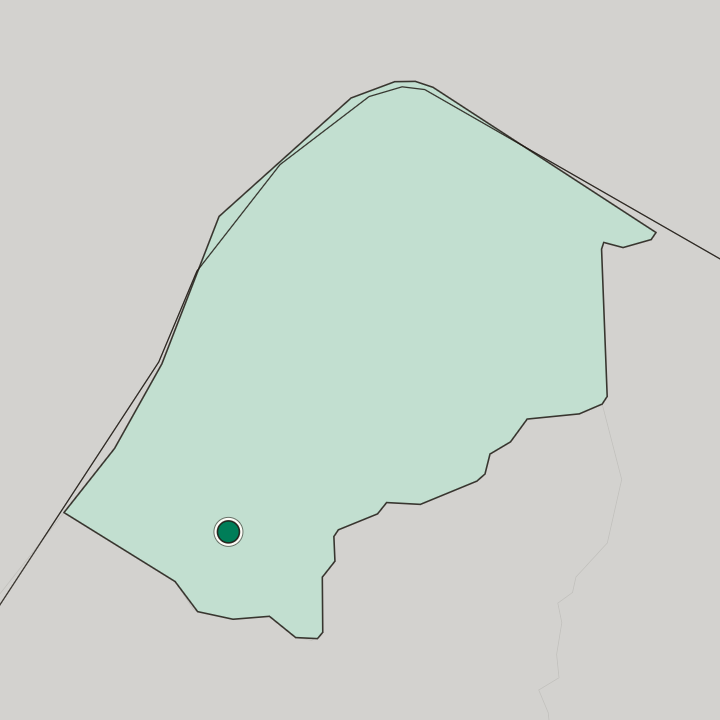
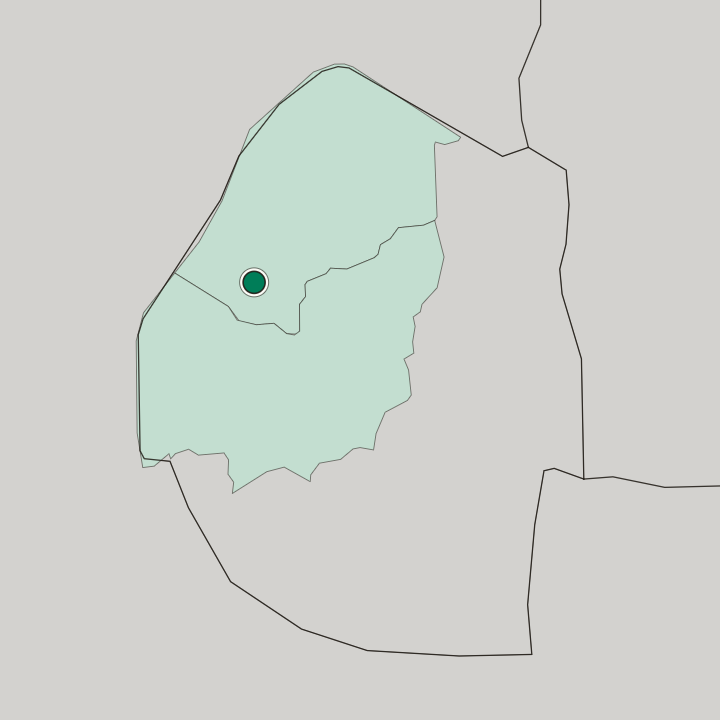
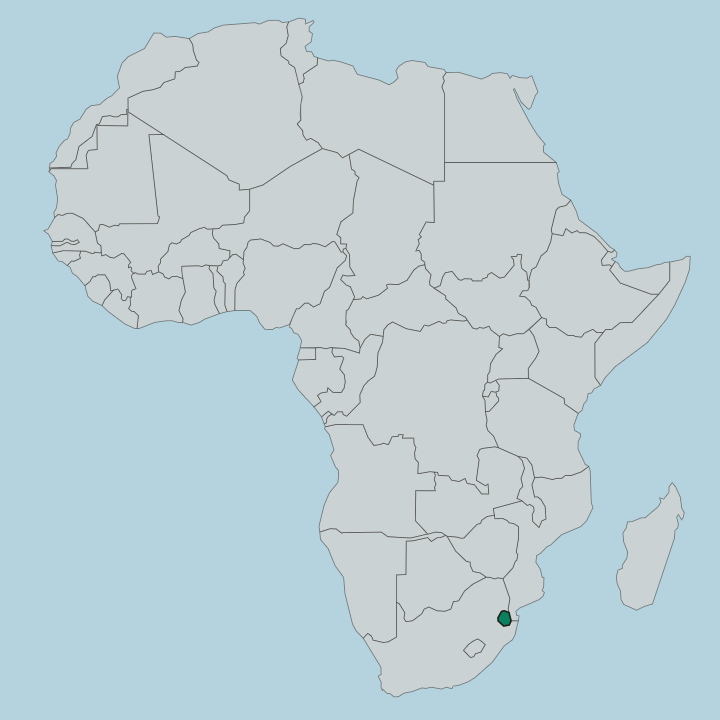
Mbabane sits in the Mdzimba Mountains, on the banks of the Mbabane River where the Polinjane River comes in from the hills, a highland seat in the Hhohho region of Eswatini. Sibebe Rock breaks the skyline. Ridges and river valleys hem the built-up ground, so the streets climb and drop between them, and the subtropical highland around carries grass and bare granite.
What is the climate of Mbabane?
The Mdzimba Mountains keep Mbabane cool for a subtropical place, and cloud can sit on the ridges above the Mbabane River for days at a time. Rain arrives with the warm months. Nights turn cold on the granite of Sibebe Rock, while the streets in the valley below stay mild, and the high ground never holds the heat long.
How do you get to Mbabane?
Hhohho's roads deliver every visitor to Mbabane. Mbabane sits inland in the Mdzimba Mountains, so every approach climbs, whether it comes up the river valley or over the ridges from elsewhere in Hhohho. The Mbabane River valley carries the main line of movement through the town, and the Polinjane River joins it where the built ground narrows.
Sibebe Rock marks the near horizon.
Common questions
What is the best area to stay in Mbabane?
The centre around the Indingilizi Gallery: Evenings within walking distance of the Mater Dolorosa Church. The Sibebe Rock side: Walkers starting early on the granite of Sibebe Rock. Toward the Ezulwini Handicrafts Centre: Buyers following the weaving and carving trade at Ezulwini.
Good for
Updated September 2026