Eswatini: Regions, Cities & Travel Guide
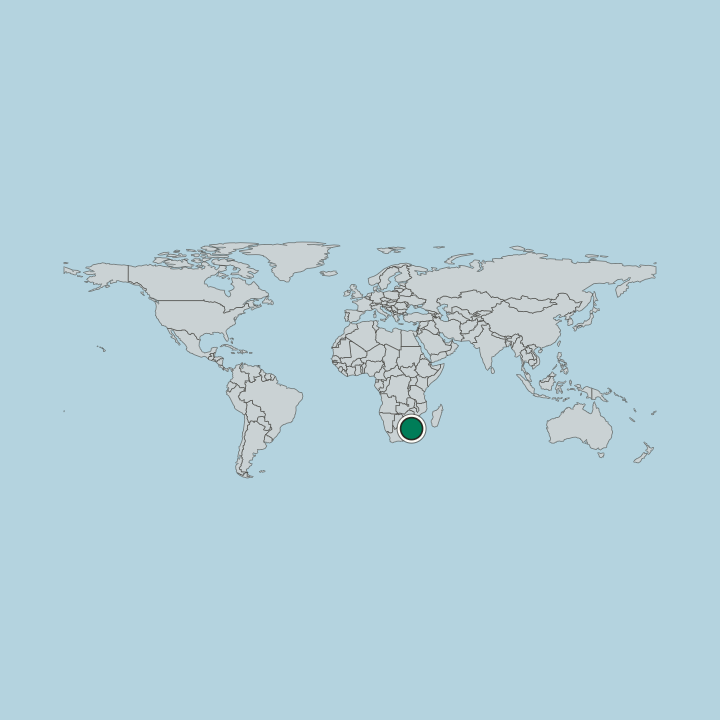
Eswatini is a landlocked kingdom in Southern Africa, wrapped by South Africa on three sides, with Mbabane as its capital.
Hotel links are affiliate links: booking through them may earn us a commission, at no extra cost to you. It never affects how places are ranked. How this works


Top destinations in Eswatini
Cities to start from, then drill into areas and hotels.
 Eswatini
Mbabane
Mbabane is the largest city of Eswatini and its executive capital, set in the Mdzimba Mountains under the granite of Sibebe Rock.Where to stay →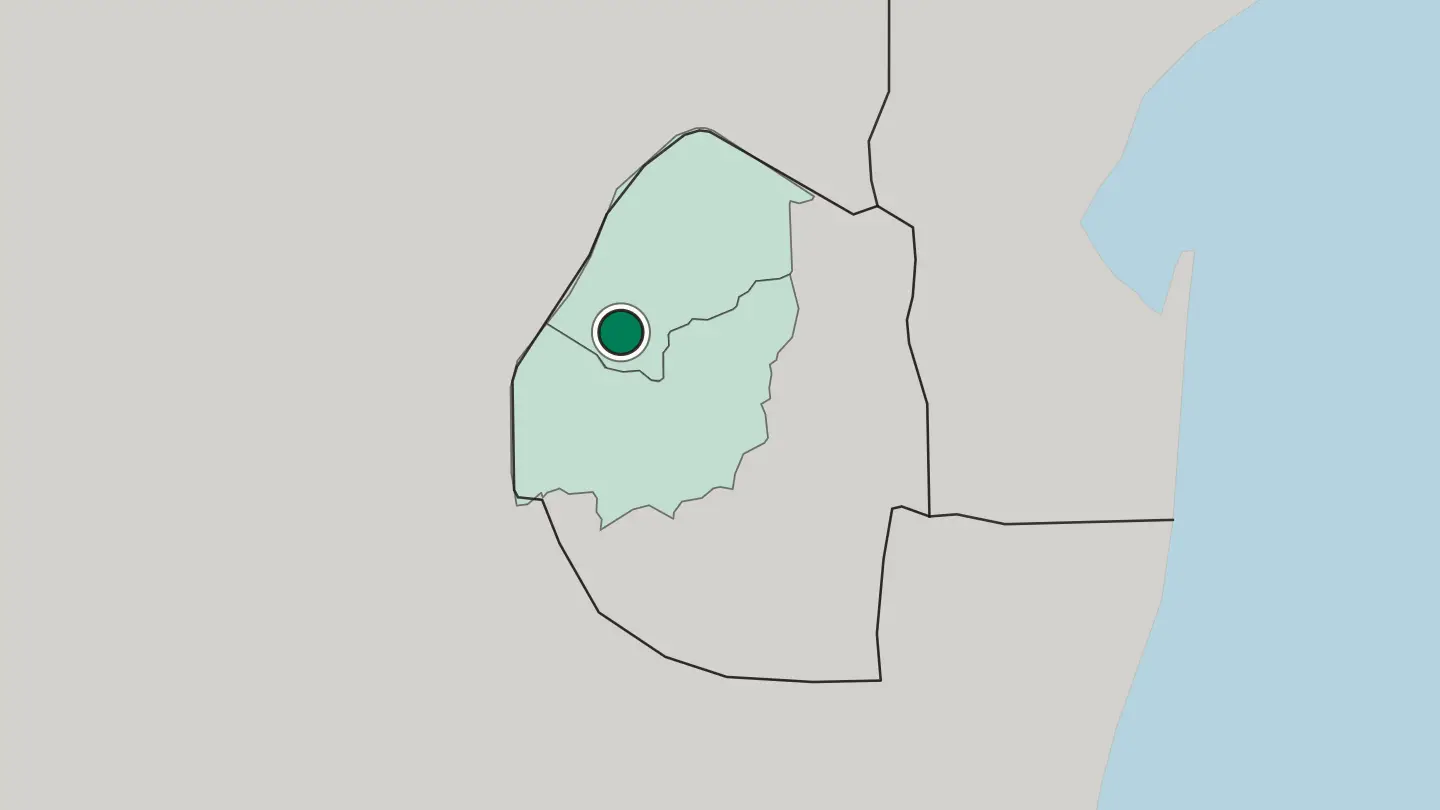
 Eswatini
Manzini
Manzini is the second largest city in Eswatini and its commercial hub, standing on the MR3 road beside the industrial site at Matsapha.Where to stay →
Hotel links are affiliate links: booking through them may earn us a commission, at no extra cost to you. It never affects how places are ranked. How this works
Regions of Eswatini
Eswatini
Hhohho
Hhohho occupies the north western part of Eswatini, holds the national capital Mbabane, and carries the name of King Mswati II's own capital.Towns & cities →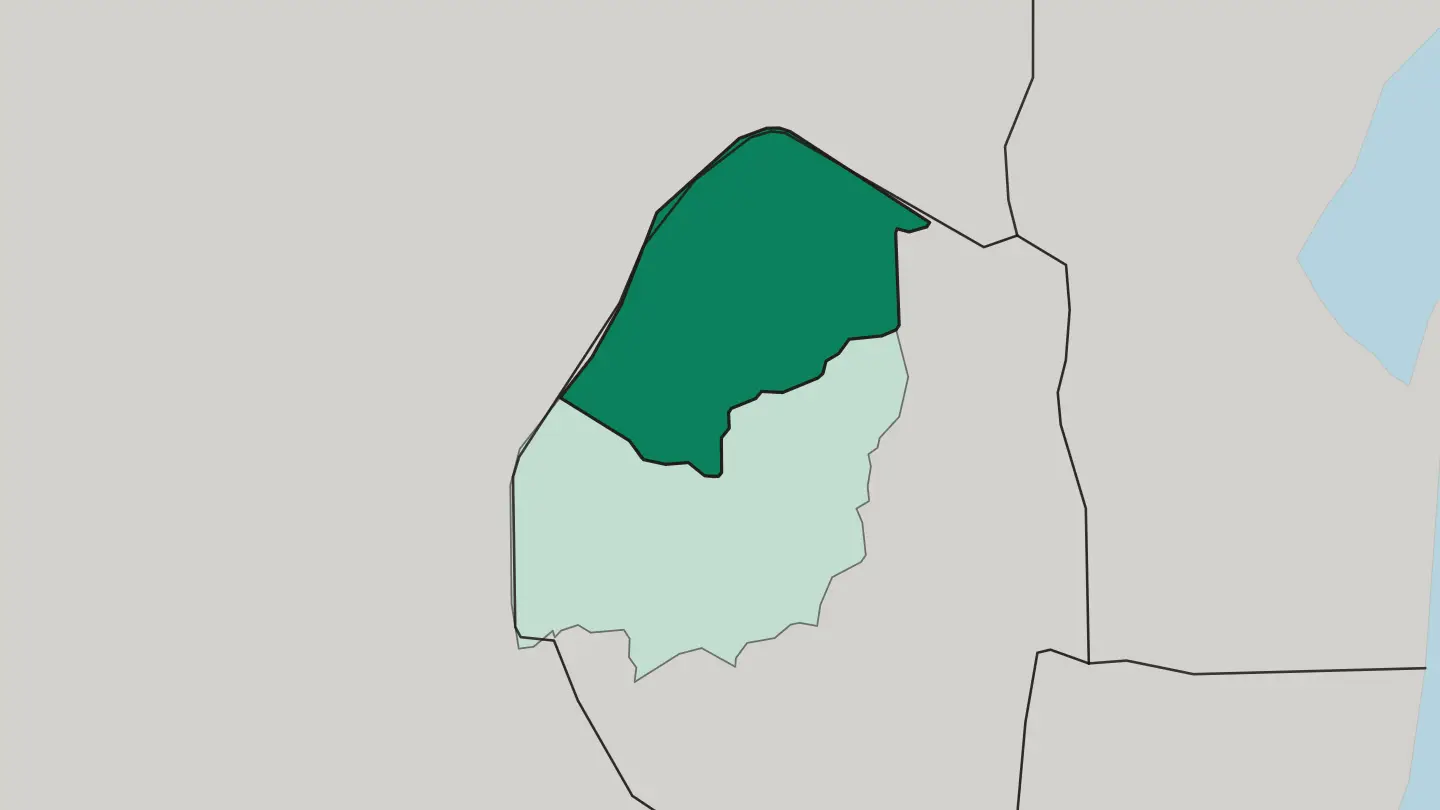 Eswatini
Manzini
Manzini lies at the centre-west of Eswatini, bordering all three of the country's other regions and, on its western side, South Africa.Towns & cities →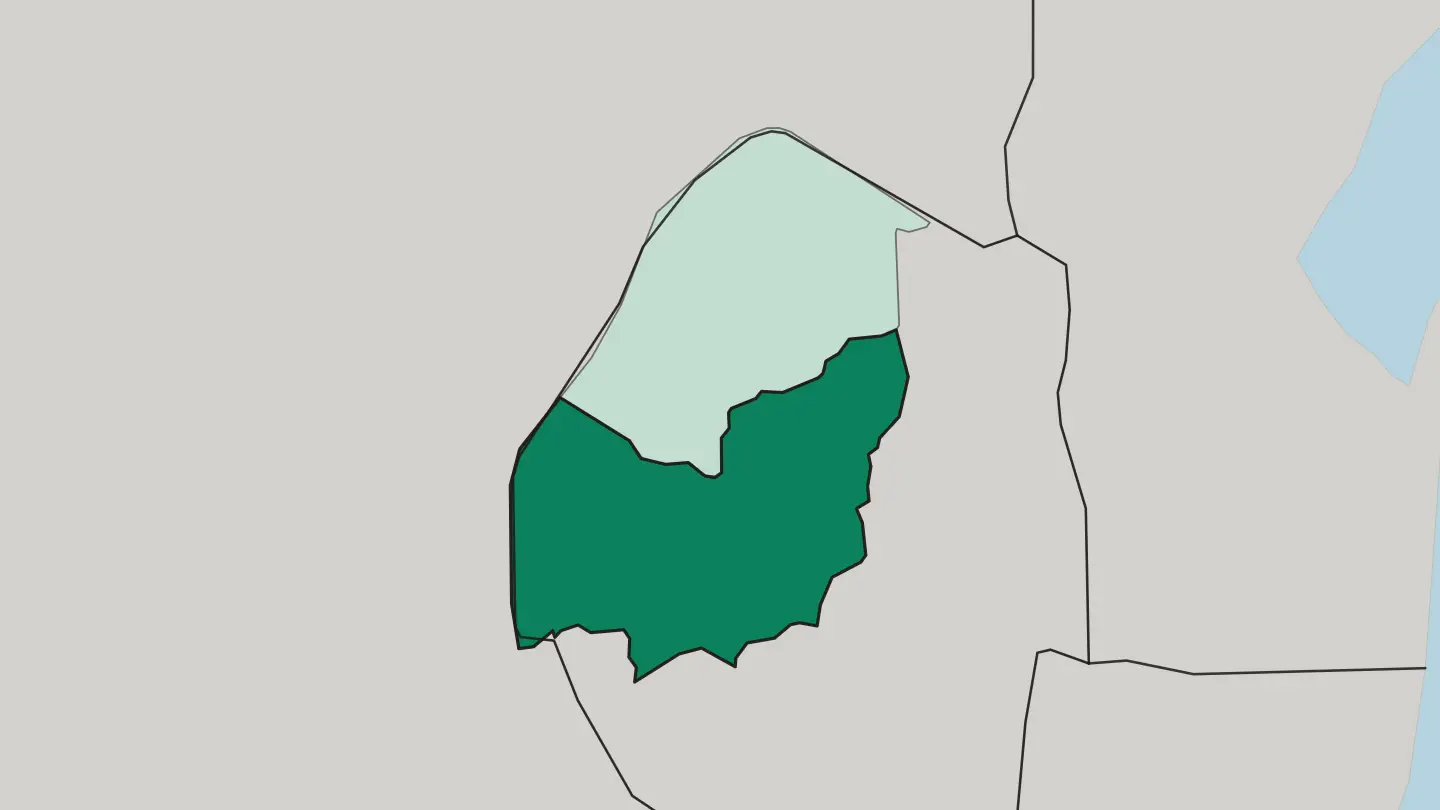
About Eswatini
Eswatini packs a great deal into a small kingdom.
What is Eswatini known for?
The Ezulwini Valley strings craft markets, hot springs, and lodges between the capital, Mbabane, and the commercial town of Manzini, while the royal ceremonies at Lobamba give the country its ritual heart. Wildlife is the other draw. Rhinos and elephants roam the lowveld plains of Hlane, and the granite dome of Sibebe rises bare above the western hills.
It is Africa in miniature.
Where is Eswatini?
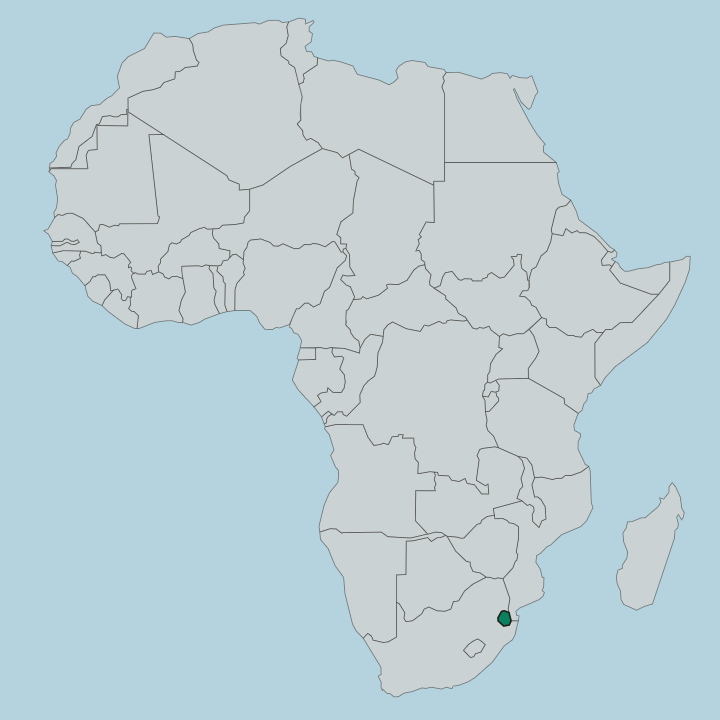
Eswatini is one of Africa's smallest countries, and its land folds through four sharply different belts across a short distance. In the west sits the Highveld, a cool, wet band of granite hills and pine plantation where Mbabane, the capital, stands and where the bare dome of Sibebe swells out of the ground. From there the country steps down eastward.
The Middleveld follows at around 700 metres, warmer and more fertile, holding the dense farmland and the commercial town of Manzini, before the ground drops again to the hot, dry Lowveld of bush and cattle grazing. Along the far eastern edge the Lubombo Mountains raise a low plateau against the Mozambican border. Water ties the belts together.
The Great Usutu River, the country's largest, gathers in the western highlands and cuts eastward through the Lowveld toward Mozambique, while on the South African frontier Emlembe climbs to 1,862 metres as the highest point in the land. The whole kingdom fits inside a couple of hundred kilometres. Yet the range from misty summit to baking plain is enormous, which is why the country earns its nickname as Africa in a nutshell.
Four zones, one small map.
What is the history of Eswatini?
The Swazi nation traces its rise to the Dlamini clan and to Sobhuza I, remembered as Somhlolo, who led his people north into the central highlands around 1815 to escape the growing Zulu power to the south. His successor gave the country its name. Mswati II pushed the kingdom's reach far beyond its present borders through the middle of the nineteenth century, and later generations called him their greatest fighting king.
Then the colonial century closed in. British administration governed the territory as a protectorate until the Swazi regained full independence on 6 September 1968, with the long-reigning Sobhuza II as head of state. The monarchy stayed central.
In 1973 the Westminster constitution was set aside and power gathered back to the throne, and the crown has anchored political life ever since under the title Ngwenyama, meaning lion. The past is not sealed away in this kingdom. It lives in the royal capital at Lobamba, in the ceremonies the king still leads, and in a Dlamini line unbroken across two centuries.
In 2018 the country dropped the colonial name Swaziland and restored its precolonial one, Eswatini. From clan to kingdom, the thread is the crown.
What is Eswatini like?
Swazi identity runs on ceremony, cattle, and the siSwati tongue, and the monarchy sits at the centre of all three. The year turns on two great gatherings. Umhlanga, the reed dance, brings tens of thousands of young women to Lobamba each spring to cut reeds for the Queen Mother's homestead, while Incwala, the sacred kingship rite of the December harvest, is led by the king himself to bless the land.
Both are living events, not staged shows. Cattle carry weight far beyond the plate here, standing for wealth, marriage, and standing in the community, and the beast is still counted as the true measure of a man's fortune. The food is plain and filling.
Sishwala, a thick maize porridge, and sidvudvu, mashed pumpkin, anchor most tables, eaten by hand and shared from a common dish. Craft is everywhere too. The workshops around Malkerns turn out candles, glass, and woven grass sold across the region, and the products travel far beyond the valley that makes them.
Language holds it together. SiSwati, close kin to Zulu, carries the proverbs and praise poetry that pass Swazi history down by voice. Tradition here is daily, not dusted off.
What is the climate of Eswatini?
Eswatini's weather changes with its steps of elevation. The western Highveld around Mbabane stays cool and green, drawing the heaviest rain in the country as summer storms roll over the granite hills. Drop east into the Lowveld and the air turns hot and dry, with midsummer afternoons pushing toward the high thirties over the bush.
The rains come in the warm months, from roughly October to March. Winters run mild and dry across the belts. One small kingdom, four climates.
How do you get to Eswatini?
Most travellers reach Eswatini overland from South Africa. The Oshoek and Ngwenya posts carry the main road in from Johannesburg and the Kruger side, a drive of roughly five hours, while Golela and Lavumisa handle arrivals from the Durban direction in the south. Flights land too.
King Mswati III International Airport, out in the Lowveld near Manzini, links the kingdom to Johannesburg by short regional hops. From either gateway the Ezulwini Valley lies close. Cross the border, then aim for the valley.
Good for
Updated September 2026