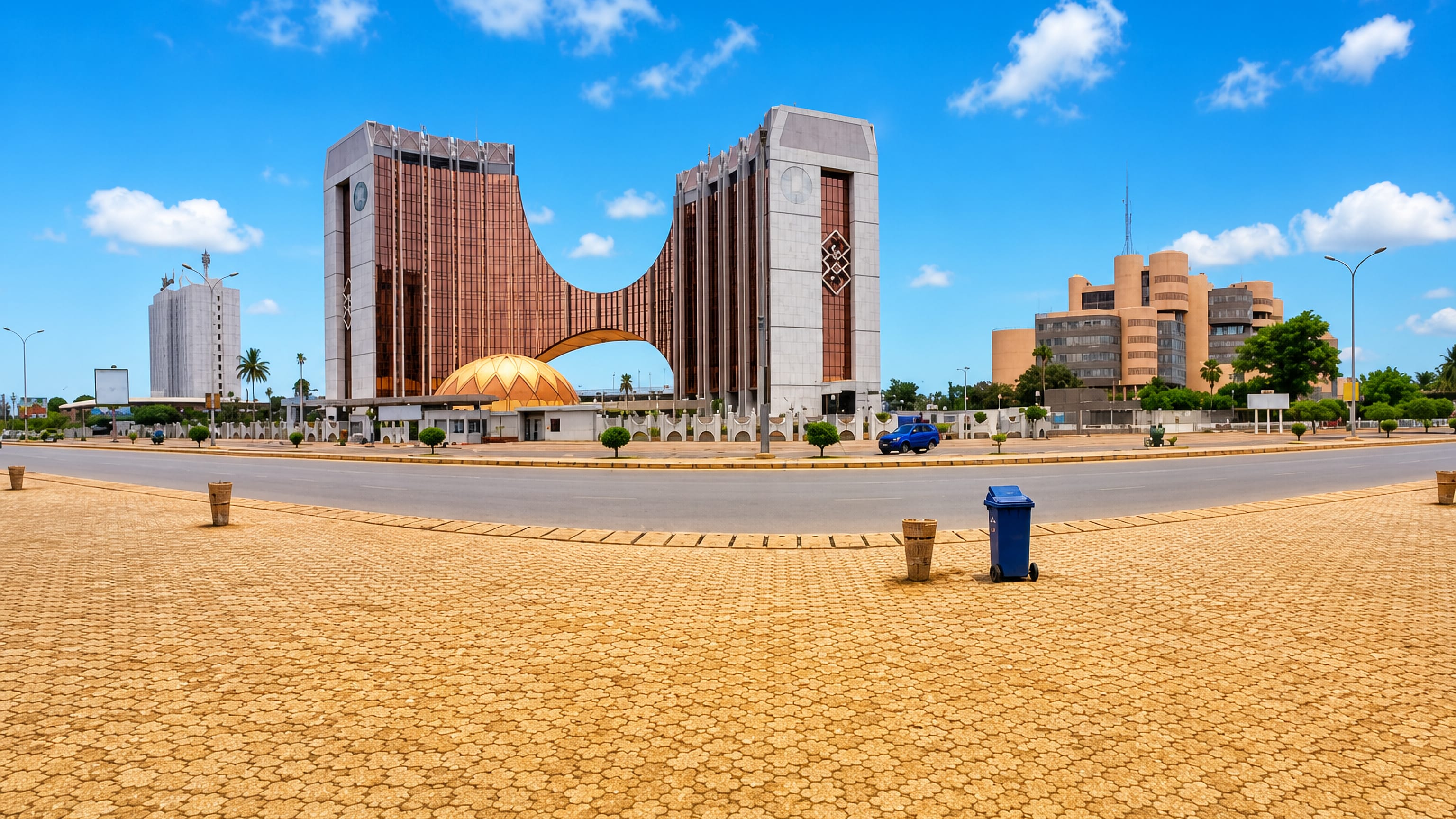
Togo
Maritime, Togo — Towns & Travel Guide
Maritime is Togo's southernmost region and the country's only coast, fronting the Bight of Benin, with Tsévié as its regional capital.
Hotel links are affiliate links: booking through them may earn us a commission, at no extra cost to you. It never affects how places are ranked. How this works


Towns & cities in Maritime
One town here has its own guide — it links to where to stay.

 Togo
Togo
Lomé
Lomé is the capital of Togo in West Africa, a port city on the Gulf of Guinea, known for its long market, its wax-cloth traders, and its old German wharf.Where to stay →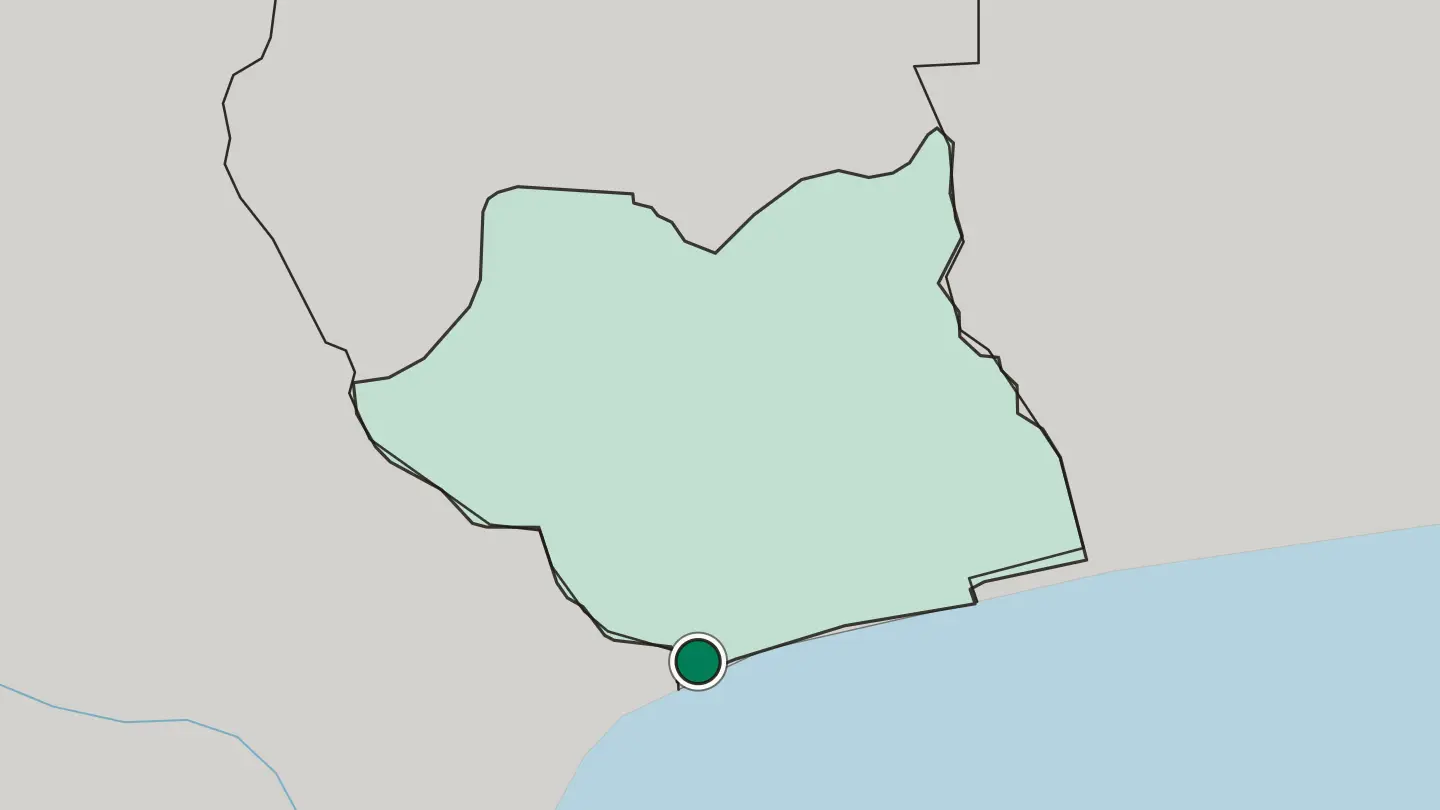
Hotel links are affiliate links: booking through them may earn us a commission, at no extra cost to you. It never affects how places are ranked. How this works
About Maritime
The coast is what sets it apart.
What is Maritime known for?
Maritime holds the only shoreline in Togo, a strip along the Bight of Benin that carries the whole of the country's access to the sea and gives the region its name. Tsévié is the seat. The regional capital anchors a region that is the smallest of Togo's five by area and at the same time the one where more of the country's people live than in any other.
Where is Maritime?
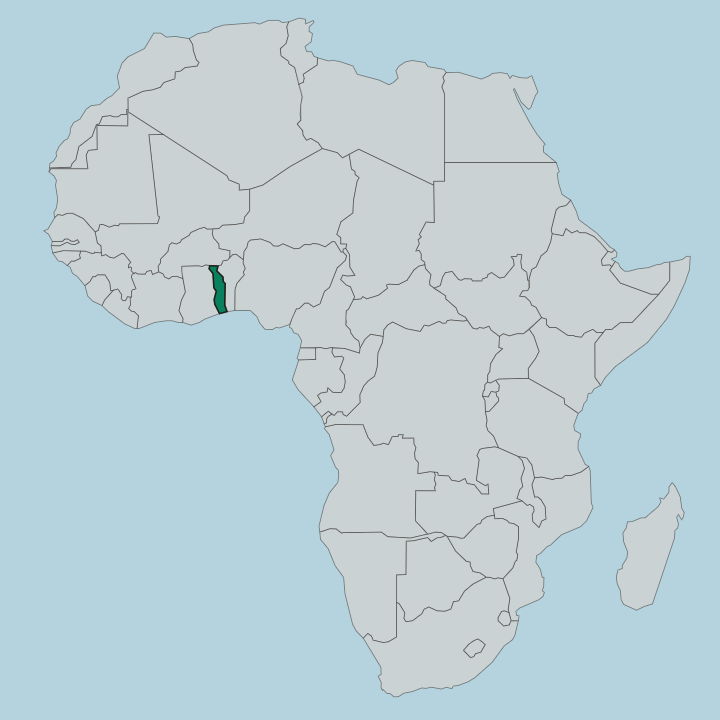
Maritime occupies the southern end of Togo, and its shape follows from that. The region carries the country's only shoreline, a frontage on the Bight of Benin that no other part of Togo touches, which is where its name comes from. Behind the water it runs inland.
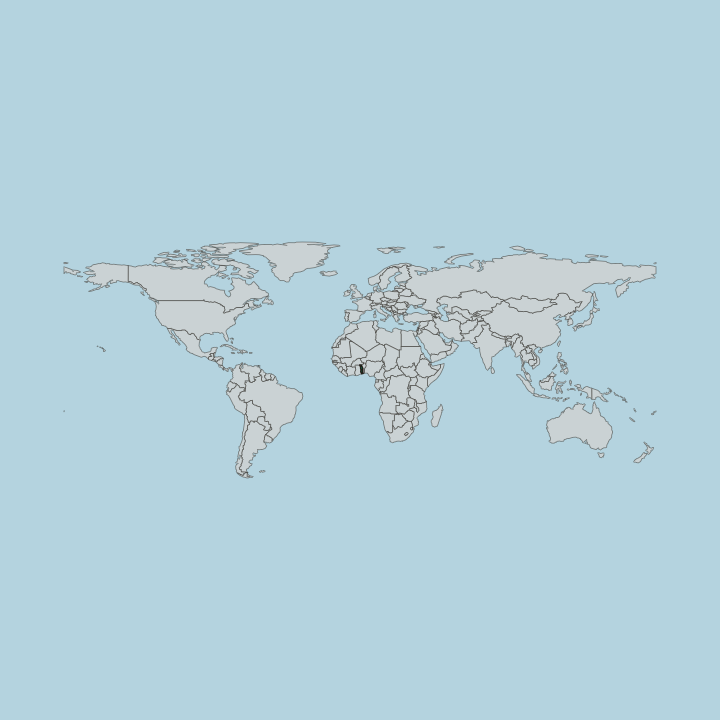
Togo itself is a narrow country in West Africa, held between Ghana on the west and Benin on the east, so Maritime lies at the foot of that shape. Size and weight run in opposite directions here. Maritime is the smallest of the five regions of Togo by area, yet more of the country's people live in it than in any of the others, which makes it the most crowded ground in the country.
Tsévié holds the administration. The regional capital is the point from which that coastal strip is governed, and it is the name a traveller deals with for anything official. The tropics set the frame.
Maritime sits north of the equator in the tropical band, close enough to it that the sun stays high through the year, and the Bight of Benin puts warm water along the whole of the region's southern edge. Nothing here is far from that coast.
What is Maritime like?
People come before monuments here. Togo is described as a country with few formal attractions, and what visitors take away from Maritime tends to come from the places they pass through rather than from a list of sites, which changes how a trip through the region is planned. Spiritual heritage runs deep.
That thread is the one most often named when Togo's culture is described, and Maritime, holding more of the country's people than any other region, carries a good deal of it. French does the official work. It is the language of administration in Tsévié and of business along the coast, and a traveller dealing with the region's offices will meet it before anything else.
Borders sit close on both sides. Ghana lies to Togo's west and Benin to its east, and the region's coastal strip carries movement between them as well as its own. The name is a description, not a legacy.
Maritime is called that because of the shoreline it holds, and the identity of the region follows the same practical logic: the sea, the crowd of people who live near it, and the offices at Tsévié that keep the arrangement working. Little of that is on display. What the region offers a visitor is the ordinary life of Togo's most peopled ground rather than a set of things to be seen.
What is the history of Maritime?
Administration is the whole record. Maritime exists as one of the five regions into which Togo is divided, the southernmost of them, and it is the region that holds the whole of the country's shoreline on the Bight of Benin. Tsévié took the seat.
The regional capital carries the offices, and what history the region has as a unit is the history of that arrangement rather than of a state or a court of its own.
What is the climate of Maritime?
The Bight of Benin governs the air here. Maritime lies north of the equator in the tropical band, and the water along its southern edge keeps humidity high across the whole region, which is short enough from the coast to its inland boundary that no part escapes the effect. Tsévié gets what the shore gets.
Heat runs through the year rather than arriving in a season, and the difference a traveller notices is between wet and dry rather than between warm and cold.
How do you get to Maritime?
Maritime is where arrivals into Togo land. The region holds the country's only coast, so anything arriving by sea arrives here, and Ghana to the west and Benin to the east put land approaches on either side of the same narrow strip. Tsévié handles the rest.
The regional capital is the point most official business in Maritime routes through, and a traveller heading further into Togo crosses the region whether or not it is the destination.
Common questions
What is the best area to stay in Maritime?
Tsévié: travellers who need the regional capital of Maritime as a fixed base. The Bight of Benin shore: stays facing the only stretch of coast Togo has.
Updated September 2026