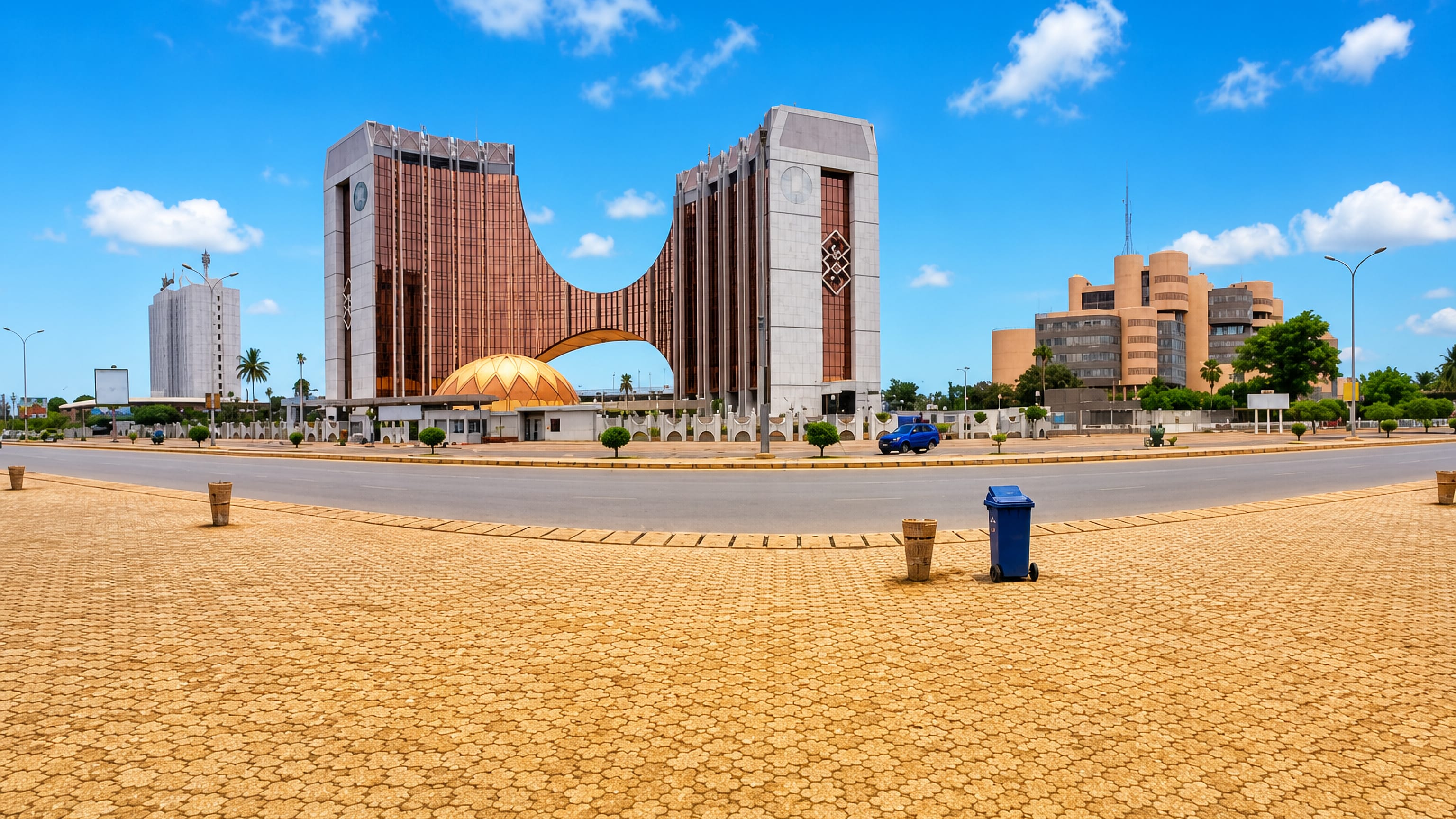
Togo · Maritime
Where to Stay in Lomé, Maritime
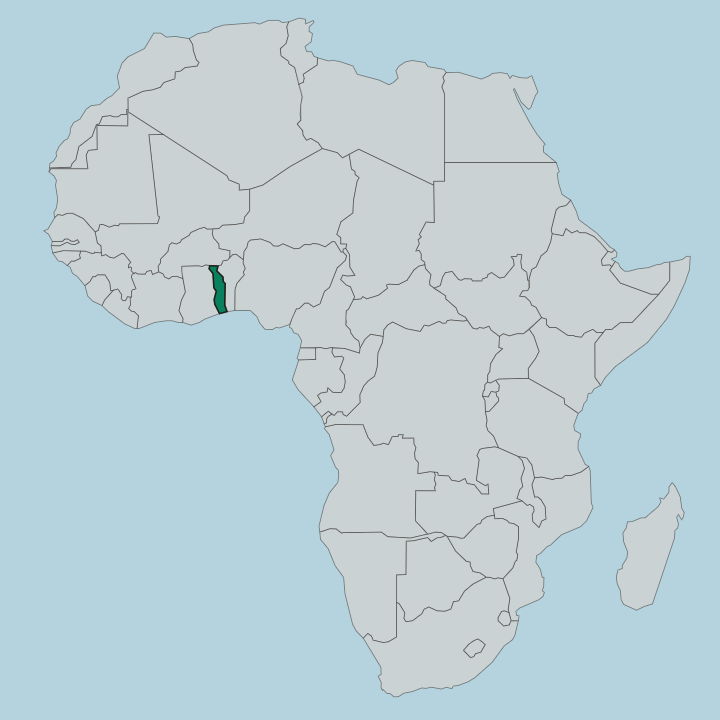
Lomé is the capital of Togo in West Africa, a port city on the Gulf of Guinea, known for its long market, its wax-cloth traders, and its old German wharf.
Hotel links are affiliate links: booking through them may earn us a commission, at no extra cost to you. It never affects how places are ranked. How this works


Where to stay in Lomé
Where visitors usually base themselves, and why.
Where you stay in Lomé turns on the town or the beach. The centre near the market keeps the grand bazaar, the wharf, and the museum within a walk, and staying downtown suits anyone here for the town. The gulf lies just south.
Cloth stalls line the lanes. Out along the shore, the town gives way to the beach hotels, the palm groves, and the coast road toward Ghana. A room by the sea trades the market for the open sand, the warm surf, and the long line of palms.
Open sand runs far beyond the wharf. Stay downtown for the market, or out for the beach. The grand market and the palm shore hold the coastal capital.
Find hotels in Lomé
Direct booking searches for these neighbourhoods.
The centre
Near the grand marketFind hotels in The centreStays wanting the sand and palmsAlong the beach
Out along the Gulf of Guinea shoreFind hotels in Along the beachHotel links are affiliate links: booking through them may earn us a commission, at no extra cost to you. It never affects how places are ranked. How this works
Things to do in Lomé
Ranked by global recognition; descriptions from Wikidata (CC0).
Museums & Galleries
1- Togo National Museum
Castles & Historic Sites
3- Independence Monument, Lome
- Palais des congrès de Lomé
- Wharf allemand au Togo
worth knowingacross 2 categories in Lomé
About Lomé
Lomé is the coastal capital of Togo.
What is Lomé known for?
On the Gulf of Guinea in the far south of West Africa, it grew as a German harbour and a trading town, and it keeps the long grand market of the wax-cloth women, the Vodun market on its edge, the palm-lined beach along the shore, and the old wharf of colonial days. The warm sea breaks on the sand. Traders spread their cloth in the market.
What are the main landmarks in Lomé?
The grand market is the pride of Lomé. The great cloth bazaar of the Nana Benz, piled high with printed wax fabric, is the emblem of the town, downtown. A market serves the old faith.
The Akodessewa fetish market sells the herbs and figures used in Vodun rites nearby, while the German wharf, the national museum, and the palm beach mark the country around Lomé.
What is the history of Lomé?
Lomé rose on a colonial border. The Germans made it the capital of their Togoland colony and built a wharf and a railway to the north, and the town grew on the trade of palm oil and cocoa. Then France and Britain split the land.
After the First World War the colony was divided, and Lomé stayed the capital of the French side, which became Togo. Trade made the market women rich. The traders called the Nana Benz built fortunes on printed wax cloth, and their great market became the heart of the town.
The old faith held on. In the quarters and the fetish market the people kept the Vodun religion of their ancestors, and Lomé grew as the capital of independent Togo, keeping its port, its market, and its beach. The surf still breaks below the road.
Lomé keeps its market city on the Gulf of Guinea.
Where is Lomé?
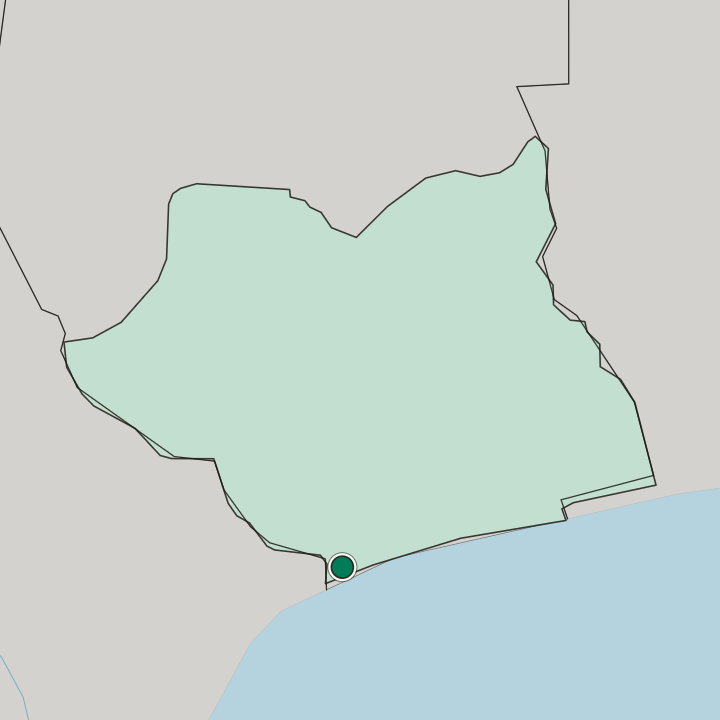
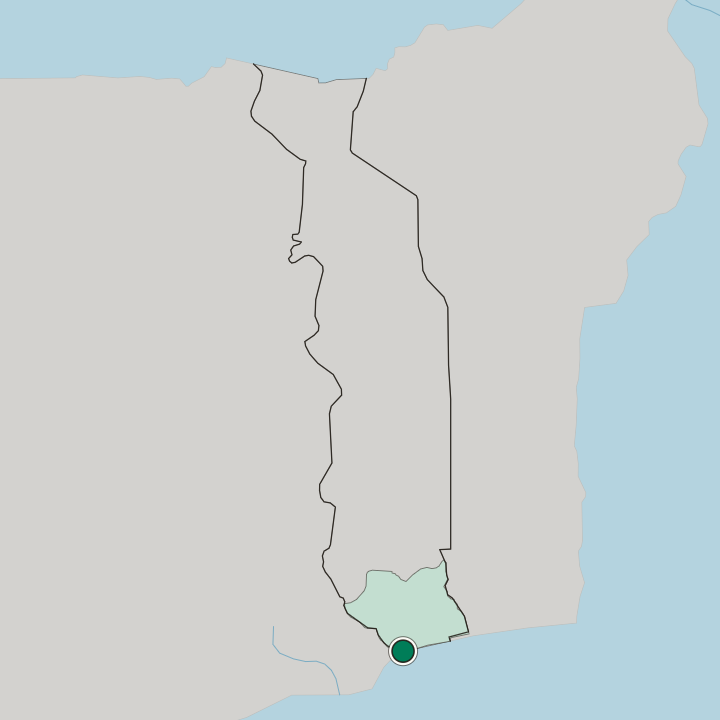
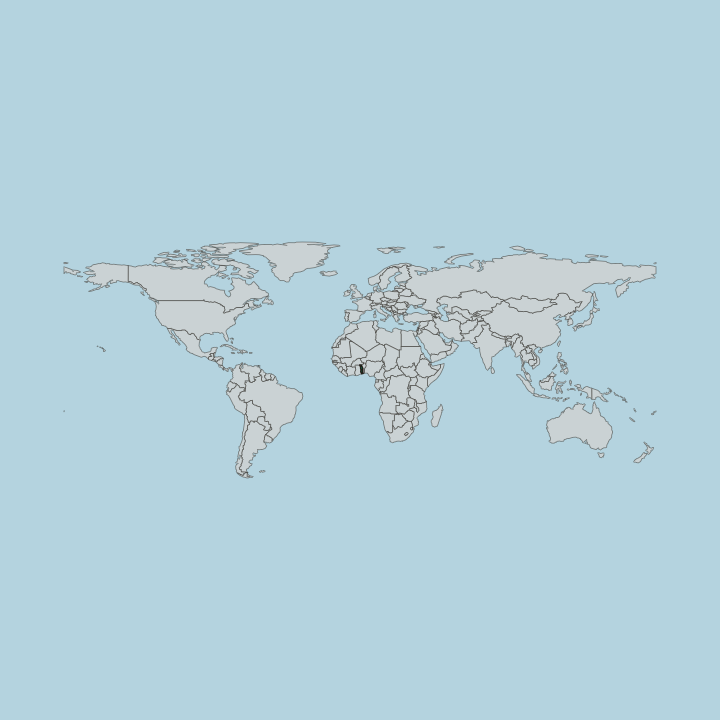
Lomé lies in the far south of Togo, on the coast at the border with Ghana. The city sits on a low sandy shore of the Gulf of Guinea, on the flat coastal strip of West Africa, with the warm sea and its long beach to the south and a lagoon and red-earth plains behind to the north. The surf rolls onto the sand.
Flat plains stretch inland.
What is the climate of Lomé?
Lomé has a hot, wet coastal climate. Warm damp weather holds all year by the gulf, with two rainy seasons and a dry harmattan haze from the north. The rains come twice a year.
Dry dust drifts down in winter.
How do you get to Lomé?
Lomé lies on the coast of southern Togo, right at the border with Ghana. Flights land from Paris and across Africa, and the coast road runs east and west along the gulf. Sea traffic comes and goes through the port.
Accra lies west down the coast.
Common questions
What is the best area to stay in Lomé?
The centre: Visitors here for the market and wharf. Along the beach: Stays wanting the sand and palms.
Good for
Updated October 2026