Thailand · Bangkok
Where to Stay in Bangkok
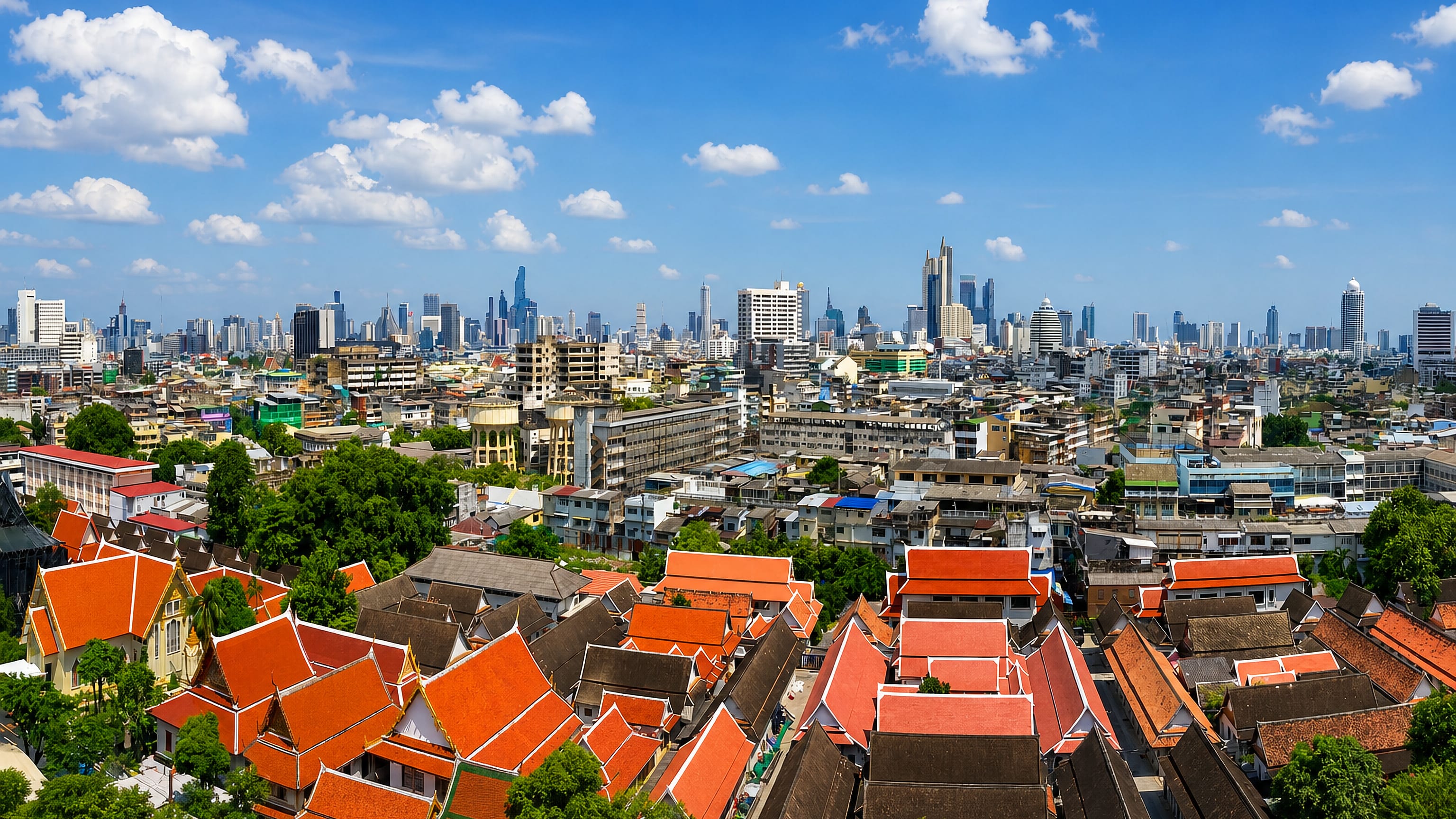
Gilded temple spires rise over the Chao Phraya River in Bangkok, the capital of Thailand, known for the Grand Palace and Wat Arun.
Hotel links are affiliate links: booking through them may earn us a commission, at no extra cost to you. It never affects how places are ranked. How this works


Where to stay in Bangkok
Not every neighbourhood fits every trip — here's what each one is good for.
 BangkokThailand
Chinatown
Chinatown is Bangkok's old Chinese quarter, a dense riverside district beside the Chao Phraya in Thailand.Where to stay →
 BangkokThailand
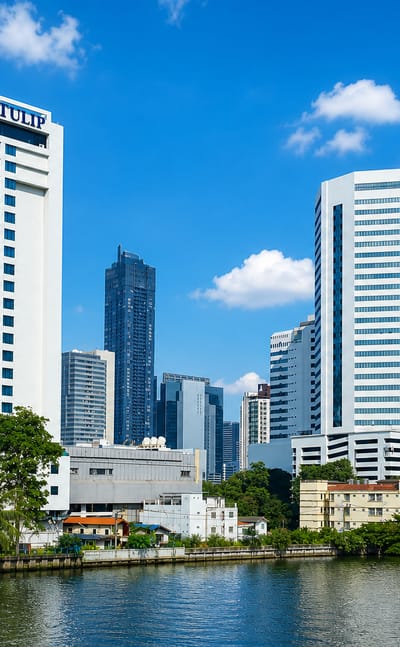
Pathum Wan
Pathum Wan is the central district of Bangkok, holding the Siam and Ratchaprasong shopping cores and Chulalongkorn University.Where to stay →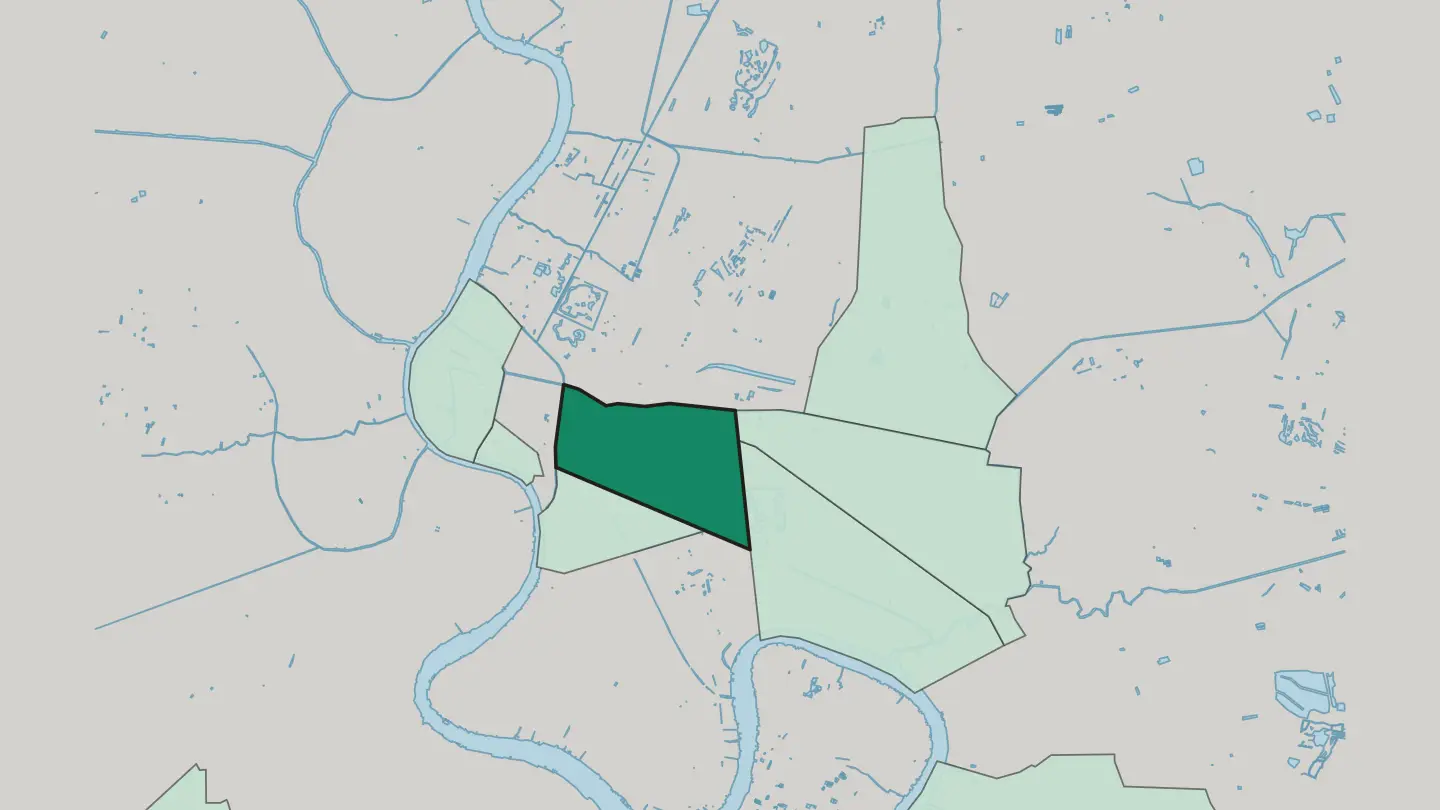
 BangkokThailand
Bang Rak
Bang Rak is Bangkok's riverside district on the Chao Phraya, where Charoen Krung Road runs past old churches, Silom offices, and Patpong.Where to stay →
 BangkokThailand
Khaosan Road
Khaosan Road is a short backpacker street in old Bangkok, a few blocks from the Grand Palace and Democracy Monument.Where to stay → BangkokThailand
Phra Nakhon District
Phra Nakhon is Bangkok's central district, covering Rattanakosin Island and the Grand Palace on the Chao Phraya River.Where to stay →
 BangkokThailand
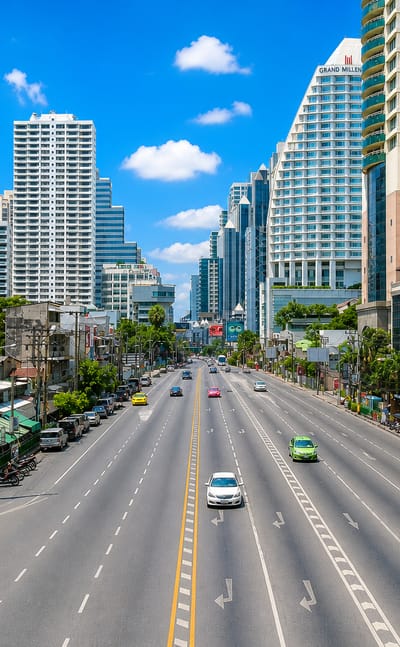
Huai Khwang
Huai Khwang is a district of Bangkok east of the centre, known for its late-night market and Chinese shrines.Where to stay →
 BangkokThailand
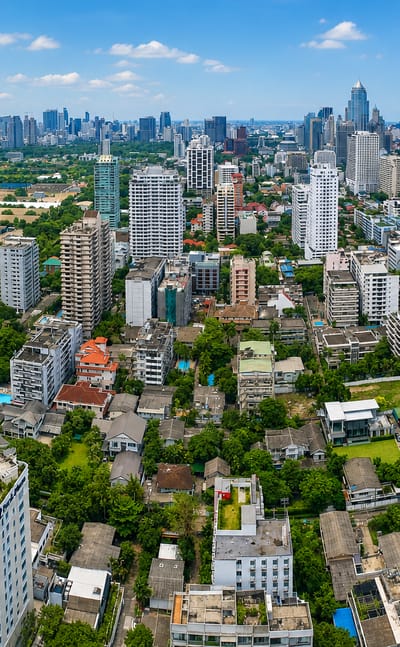
Watthana
Watthana is a Sukhumvit-road district of central Bangkok, running from Asok through Thong Lo to Ekkamai.Where to stay →
 BangkokThailand
Khlong Toei
Khlong Toei is a district of Bangkok, set apart as its own khet in 1989.Where to stay →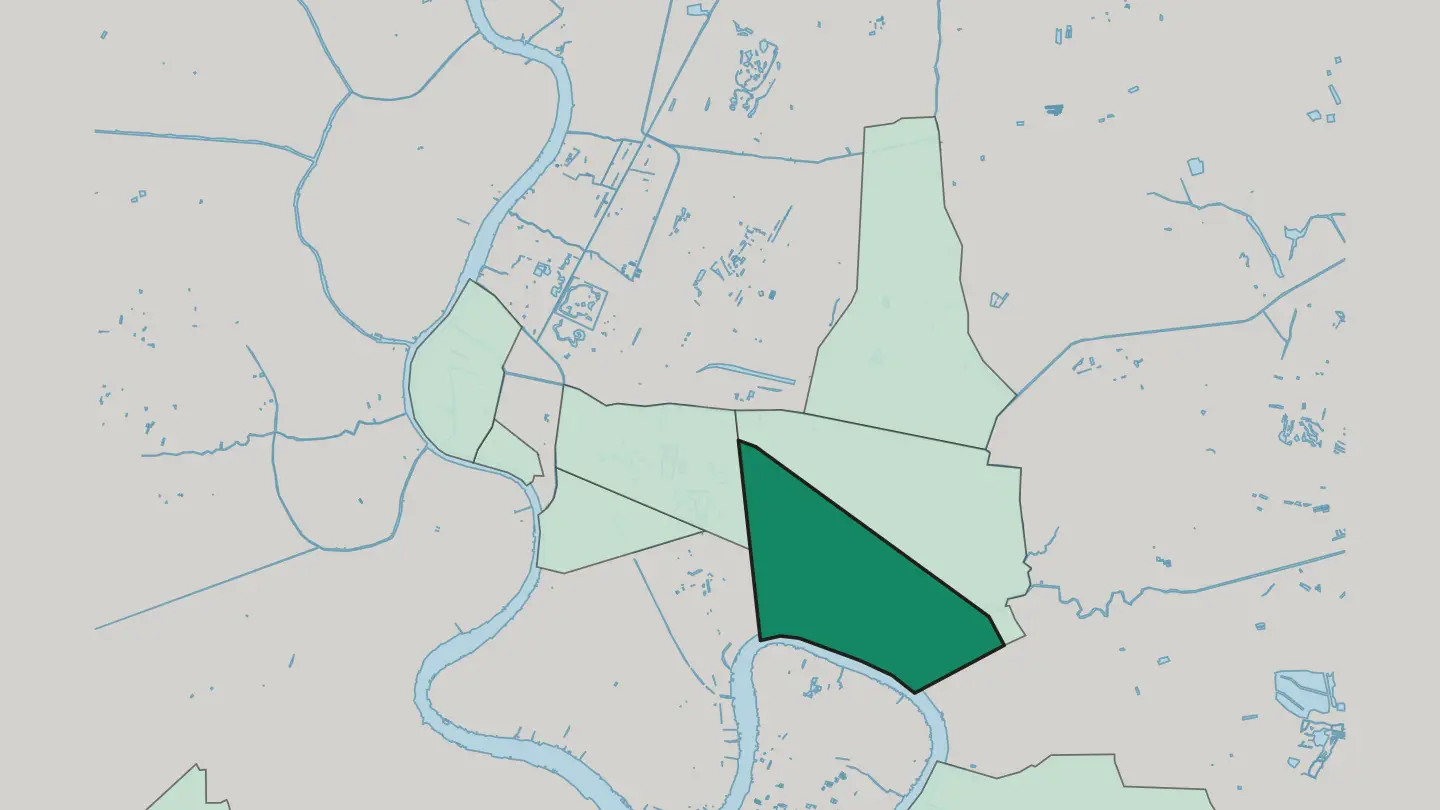
 BangkokThailand
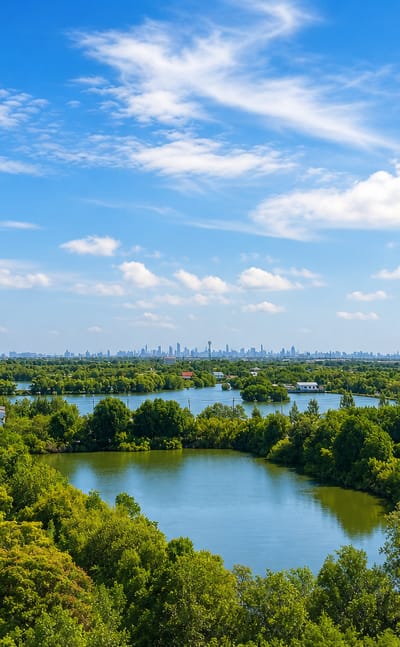
Bang Khun Thian
Bang Khun Thian is one of the largest districts of Bangkok, a broad tract in Thailand's capital.Where to stay →BangkokThailandBang Na
Bang Na is a district on the south-eastern side of Bangkok, Thailand, formed as its own district in 1998.Where to stay →BangkokThailandDon Mueang
Don Mueang is a district of northern Bangkok, a settled residential quarter well north of the Thai capital's old core.Where to stay →BangkokThailandLat Krabang
Lat Krabang spreads across the eastern edge of Bangkok, the city's second-largest district, and carries the airport rail line out to Suvarnabhumi.Where to stay →Hotel links are affiliate links: booking through them may earn us a commission, at no extra cost to you. It never affects how places are ranked. How this works
Find hotels in Bangkok
Direct booking searches for these neighbourhoods.
Rattanakosin old city
Centres on the Grand Palace and Wat Phra Kaew, with the Bangkok National Museum and Sao Chingcha within a short walk.Find hotels in Rattanakosin old citybudget travellers and late nights near the Democracy MonumentAround Khaosan Road
Runs along Khaosan Road, a short step from the Democracy Monument, long the backpacker heart of Krung Thep.Find hotels in Around Khaosan Roadtravellers who want boat piers and temple views over the riverThe Chao Phraya riverside
Lines the Chao Phraya River around Wat Arun and Assumption Cathedral, trading street crowds for water views.Find hotels in The Chao Phraya riversideHotel links are affiliate links: booking through them may earn us a commission, at no extra cost to you. It never affects how places are ranked. How this works
Things to do in Bangkok
Ranked by global recognition; descriptions from Wikidata (CC0).
Museums & Galleries
3- Vimanmek Mansion Heritage
- M.R. Kukrit's House Heritage
- Jim Thompson House
Churches & Religious Sites
5- Assumption Cathedral Heritage
- Holy Rosary Church Heritage
- Santa Cruz Church Heritage
- Immaculate Conception Church Heritage
- Christ Church Bangkok Heritage
Castles & Historic Sites
3- Grand Palace Heritage
- Victory Monument Heritage
- Democracy Monument Heritage
Landmarks & Notable Places
2- Sao Chingcha Heritage
- Wanglee House Heritage
worth knowingacross 4 categories in Bangkok
About Bangkok
What is Bangkok known for?
Bangkok is known for its temples, palaces, and canals, the great capital of Thailand on the Chao Phraya River. The old city dazzles. The Grand Palace and the adjoining Wat Phra Kaew crown the royal quarter, while Wat Arun rises from the far bank and the markets and canals carry the life of Krung Thep down to the water.
What are the main landmarks in Bangkok?
Bangkok holds one of the great concentrations of royal and religious monuments anywhere in the country. The temples lead. The Grand Palace and Wat Phra Kaew stand at its ceremonial centre, the old seat of the Thai crown, while across the Chao Phraya River the porcelain spire of Wat Arun rises above the water.
Museums cover what the temples do not. The Bangkok National Museum and the Museum of Siam hold the major collections, and the Democracy Monument, the Victory Monument, and the tall red frame of Sao Chingcha mark the avenues around the old temples.
What is the history of Bangkok?
Bangkok began in 1782, when a new royal capital was laid out on the east bank of the Chao Phraya River. The kings chose the spot with care. On the island of Rattanakosin they raised the Grand Palace and Wat Phra Kaew as the ceremonial core of the kingdom, and the city that spread around them took the ceremonial name Krung Thep Maha Nakhon.
A capital was born. From that royal island the city grew outward across the delta. Canals came first.
The waterways of the Chao Phraya River carried trade and traffic for generations, earning the old town its name as a city of water, before roads and rail overtook them and Krung Thep spread far beyond the walls of Rattanakosin. The river still orders it all. Wat Arun on the far bank marks how far the old capital once reached.
Where is Bangkok?
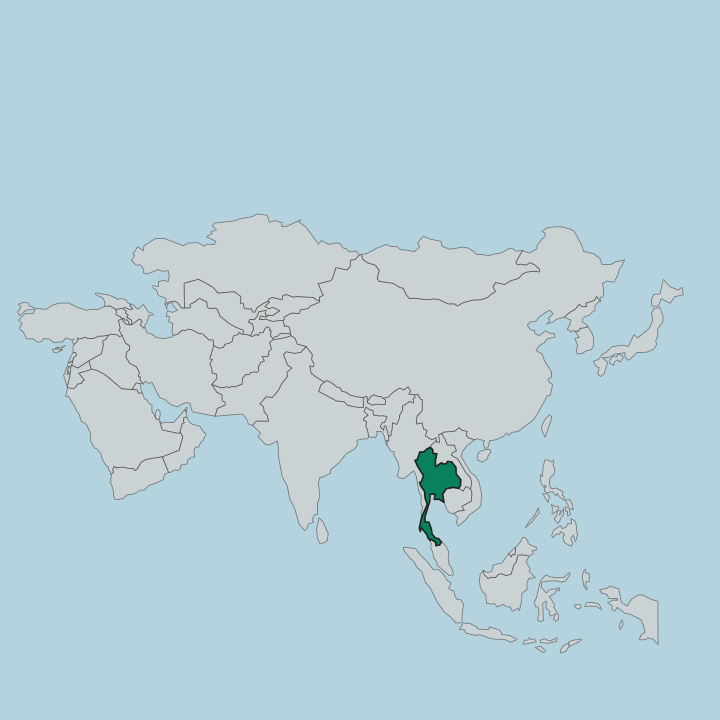
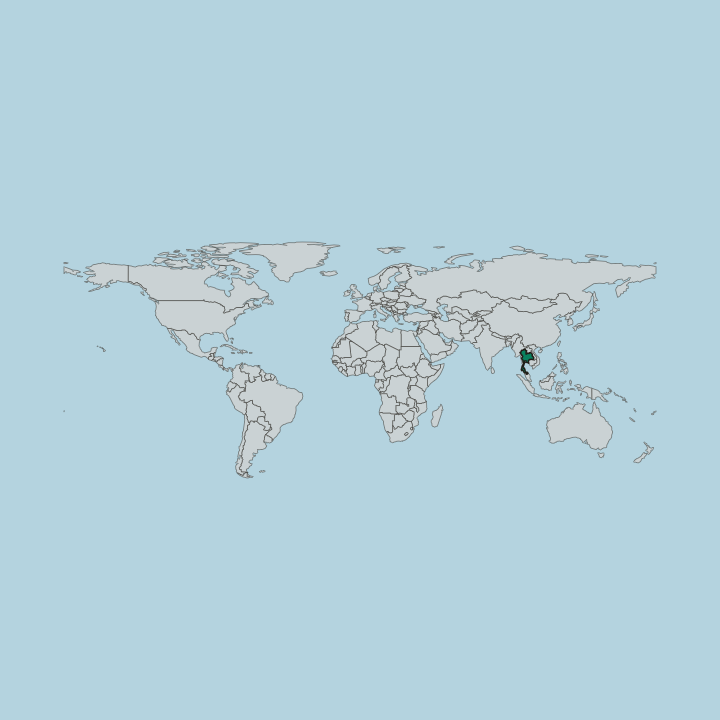
Bangkok sits on the low delta of the Chao Phraya River in central Thailand, spread across both banks near the head of the country's central plain. The ground is flat and wet. Canals still lace the older quarters, draining land that lies barely above the river, while the city sprawls outward from Rattanakosin over the delta toward the edges of the Bangkok Metropolitan Region.
What is the climate of Bangkok?
Bangkok runs hot and humid through the whole year, its heat rarely easing even after dark. Relief is rare. The southwest monsoon soaks the delta from mid-year, turning the streets and canals of Krung Thep to running water, before a drier and slightly cooler spell settles briefly over the Chao Phraya River.
The wet season rules the calendar.
How do you get to Bangkok?
Bangkok is the main point of entry for the whole of Thailand, reached by nearly every long-haul route into the country. Two airports handle the crowds. From the capital, rail lines and expressways fan out across central Thailand, while ferries and long-tail boats still work the Chao Phraya River as they have for generations, linking the old riverside quarters of Krung Thep.
Most journeys through Thailand begin here.
Common questions
What is the best area to stay in Bangkok?
Rattanakosin old city: a first stay in the historic royal core of Bangkok. Around Khaosan Road: budget travellers and late nights near the Democracy Monument. The Chao Phraya riverside: travellers who want boat piers and temple views over the river.
Good for
Updated October 2026