Thailand · Bangkok · Bangkok
Chinatown, Bangkok — Area Guide & Where to Stay
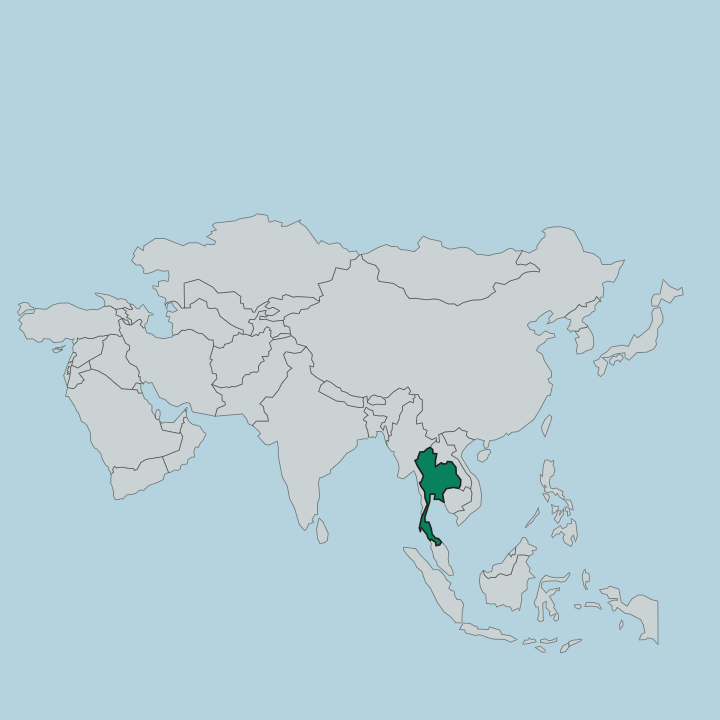
Chinatown is Bangkok's old Chinese quarter, a dense riverside district beside the Chao Phraya in Thailand.
Hotel links are affiliate links: booking through them may earn us a commission, at no extra cost to you. It never affects how places are ranked. How this works


Where to stay in Chinatown
Where visitors usually base themselves, and why.
Chinatown suits travellers who want the older, denser side of Bangkok. Rooms cluster in the shophouse blocks near Talat Noi and along the Chao Phraya riverfront, with the district's night-market lanes and the calmer royal quarter of Rattanakosin both within easy reach on foot or by river boat. Book a shophouse room along the Chao Phraya for the shortest reach to it all.
The lanes stay lively after dark.
Find hotels in Chinatown
Direct booking searches for these neighbourhoods.
Talat Noi
The southern riverside pocket of Chinatown around Talat Noi, where old Chinese merchant houses like the Wanglee House line the Chao Phraya and put the quarter's street food and temples within a few minutes' walk.Find hotels in Talat Noiguests who pair Chinatown's markets with early visits to the Grand Palace and Bangkok National MuseumRattanakosin edge
The upstream fringe of Chinatown adjoining Rattanakosin, close enough to walk into the district's lanes yet a short stroll from the royal Grand Palace and the Bangkok National Museum on the Chao Phraya.Find hotels in Rattanakosin edgeHotel links are affiliate links: booking through them may earn us a commission, at no extra cost to you. It never affects how places are ranked. How this works
Things to do in and around Bangkok
Ranked by global recognition; descriptions from Wikidata (CC0).
Museums & Galleries
3- Jim Thompson House
- Bangkok National Museum
- Bangkok Art and Culture Centre
Churches & Religious Sites
3- Assumption Cathedral Heritage
- Holy Rosary Church Heritage
- Santa Cruz Church Heritage
Castles & Historic Sites
3- Grand Palace Heritage
- Democracy Monument Heritage
- Varadis Palace
Stadiums & Sports
1- Nimibutr Stadium
Landmarks & Notable Places
2- Sao Chingcha Heritage
- Wanglee House Heritage
worth knowingacross 5 categories in and around Bangkok
About Chinatown
What are the main landmarks in Chinatown?
Chinatown keeps its own riverside landmarks. The Wanglee House survives as a Chinese merchant mansion at Talat Noi, while Holy Rosary Church and Santa Cruz Church mark the old Catholic settlements along the Chao Phraya, and the grand royal sights of the Grand Palace and the Bangkok National Museum sit a short way upstream in Rattanakosin rather than in the district itself. The temples ground the streets.
Its draw is the lanes.
What is the history of Chinatown?
Chinatown dates to the founding of Bangkok in 1782. When the new capital rose at Rattanakosin, the Chinese traders already settled on that ground were moved downstream along the Chao Phraya, and the quarter they built grew into the merchant heart of the city, its warehouses and shophouses crowding the riverbank at Talat Noi. Commerce built this riverside quarter.
The Wanglee House still recalls those shipping dynasties.
Where is Chinatown?
Chinatown packs into a bend of the Chao Phraya. The district spreads across low, tightly built ground on the eastern bank of the river, its lanes running back from the water toward the older royal quarter of Rattanakosin just upstream, with the riverside pocket of Talat Noi folded into its southern edge. The river bounds it west.
Bangkok closes in around every side.
Common questions
What is the best area to stay in Chinatown?
Talat Noi: travellers who want Chinatown's shophouse lanes and the Wanglee House riverfront on their doorstep. Rattanakosin edge: guests who pair Chinatown's markets with early visits to the Grand Palace and Bangkok National Museum.
Good for
More areas in Bangkok
Updated October 2026