Tajikistan · Viloyati Khatlon
Where to Stay in Bokhtar, Viloyati Khatlon
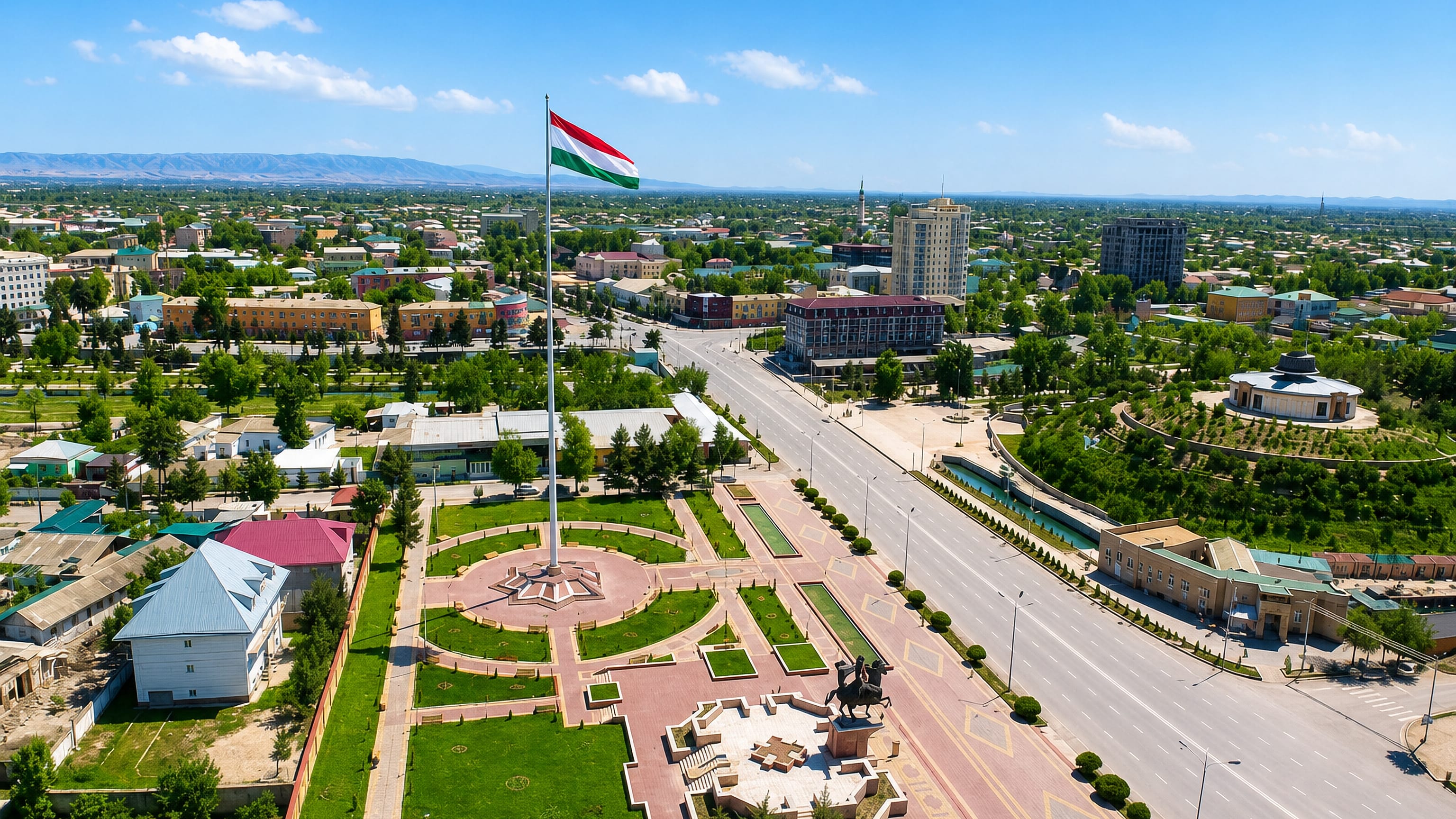
Bokhtar is the capital of the Khatlon region and the largest city of southern Tajikistan, known before its renaming as Qurghonteppa and Kurgan-Tyube.
Hotel links are affiliate links: booking through them may earn us a commission, at no extra cost to you. It never affects how places are ranked. How this works


Where to stay in Bokhtar
Where the beds are, and what that means for the visit.
Bokhtar concentrates the beds of Khatlon. The city is the regional capital and the largest in southern Tajikistan, so what exists in the way of rooms, offices, and transport connections gathers here rather than in the districts spread around it. Dushanbe is the other pole.
A run of roughly 100 kilometres separates the two, short enough that a visit to Khatlon can be made from either end, though a base in Bokhtar keeps the region's districts closer. Ajina-Tepa is the reason many come. The Buddhist cloister recorded at Ajina-Tepa is reached from the city rather than lodged beside it, so a stay in Bokhtar is what puts the site within reach at all.
Names complicate booking. Rooms and listings may appear under Qurghonteppa or Kurgan-Tyube, and a search that uses only the official Bokhtar heading can miss part of what the city has. The southern road matters too.
Bokhtar stands about 150 kilometres north of Kunduz in Afghanistan, which places it on the route toward the southern frontier as well as at the head of the Khatlon districts. Who it suits is plain. If you are working across Khatlon, visiting Ajina-Tepa, or breaking a journey between Dushanbe and the south, Bokhtar is the practical place to sleep in this part of Tajikistan.
Find hotels in Bokhtar
Direct booking searches for these neighbourhoods.
Central Bokhtar
The Khatlon capital keeps its rooms in the built-up middle, at the southern end of the run from Dushanbe and the point the region's districts are reached from.Find hotels in Central BokhtarVisits to the Buddhist cloister recorded at Ajina-TepaThe Ajina-Tepa side
Ajina-Tepa is an archaeological site rather than a settlement with lodging, so the visit is made out and back from Bokhtar in a single day. Few places to stay nearby — book ahead.Find hotels in The Ajina-Tepa sideHotel links are affiliate links: booking through them may earn us a commission, at no extra cost to you. It never affects how places are ranked. How this works
About Bokhtar
Ajina-Tepa lies near the city.
What is Bokhtar known for?
The Buddhist cloister recorded at that site is the landmark attached to Bokhtar, and the city itself is the largest in southern Tajikistan and the seat of the Khatlon region. Three former names follow it. Qurghonteppa, Kurganteppa, and Kurgan-Tyube all refer to this city, which makes older sources about southwestern Tajikistan harder to line up than they look.
What are the main landmarks in Bokhtar?
Ajina-Tepa is the city's landmark. The Buddhist cloister recorded there is the single named site attached to Bokhtar, and it is a monastic site rather than anything the modern city built. The city keeps little else named.
Bokhtar's own record lists no other individual monument, so the cloister at Ajina-Tepa carries the whole of the city's heritage listing in the Khatlon region.
What is the history of Bokhtar?
The Buddhist layer is the oldest. Ajina-Tepa preserves a Buddhist cloister near the city, which places the ground around Bokhtar in a religious history that ran here before the region took its present form. The names came later.
Kurgan-Tyube is the form that Russian and Soviet sources use, Kurganteppa and Qurghonteppa are the transitional spellings, and Bokhtar is the name the city carries officially. Khatlon made the city its capital. Bokhtar is the seat of the Khatlon region and the largest city in southern Tajikistan, and that combination of administrative weight and size is what has fixed its role since the region took shape.
Where it stands explains the rest. The city sits roughly 100 kilometres south of Dushanbe and about 150 kilometres north of Kunduz, which put it on the line of movement between the Tajik capital and Afghanistan long before any of its modern names. Renaming is the recurring theme.
A reader following Bokhtar through the record has to track four headings for one place, and the older the source the more likely it is to file the city as Kurgan-Tyube in southwestern Tajikistan. Ajina-Tepa stayed itself. The site kept its name through every change to the city's, which makes the Buddhist cloister the steadiest reference point in the whole of Bokhtar's history.
Where is Bokhtar?
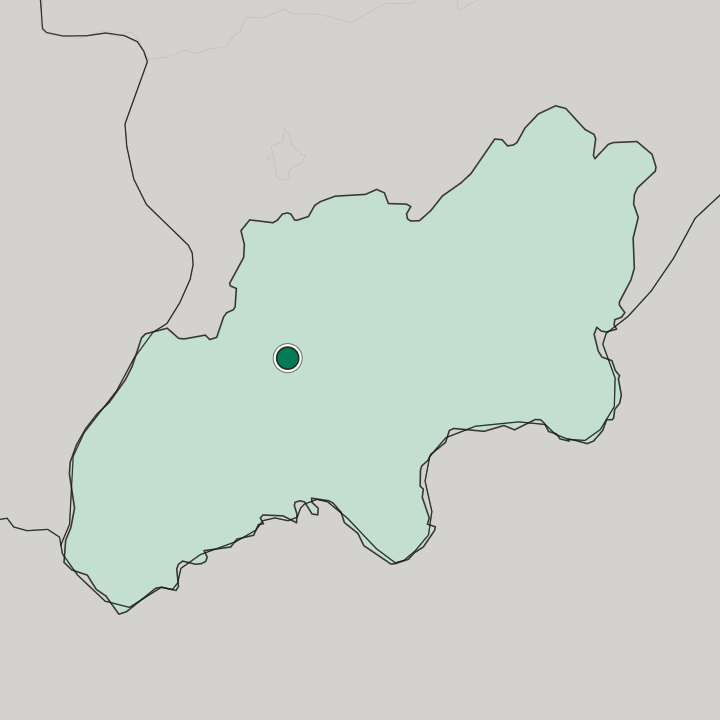
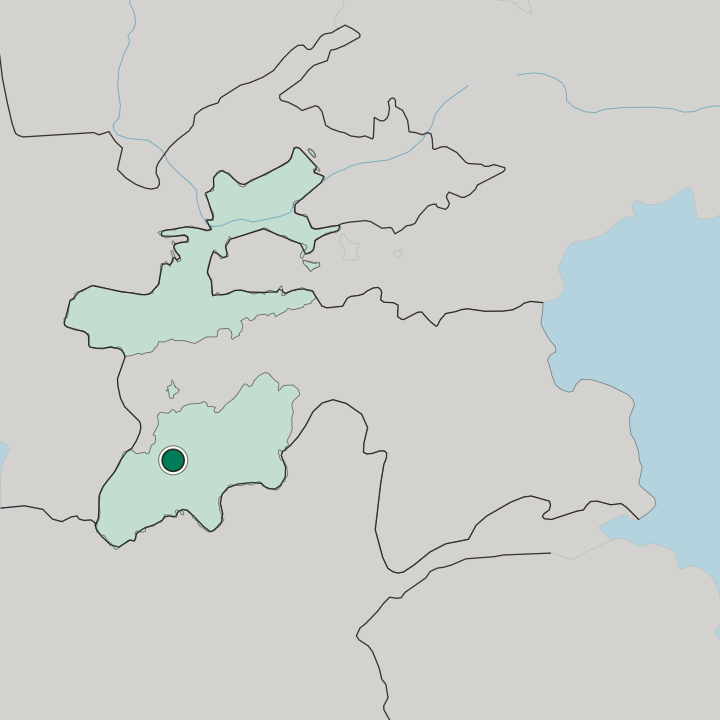
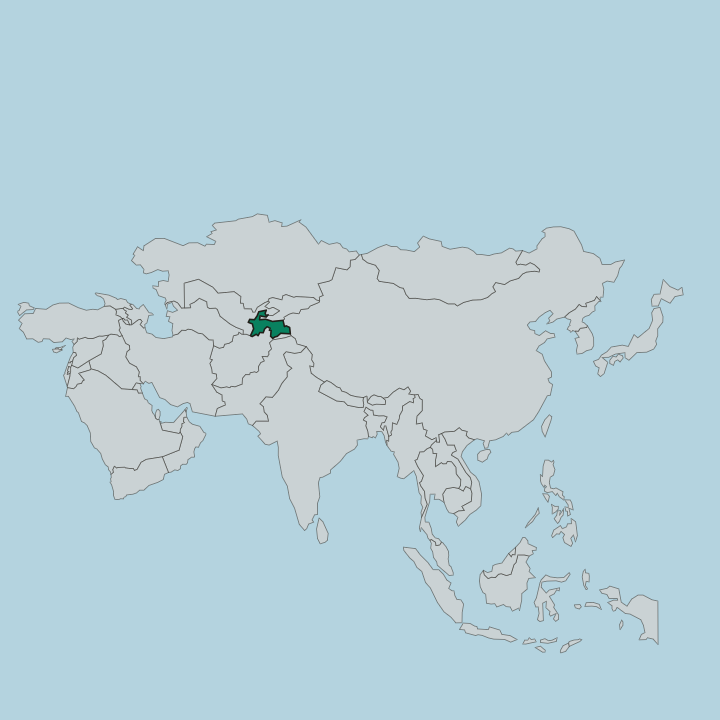
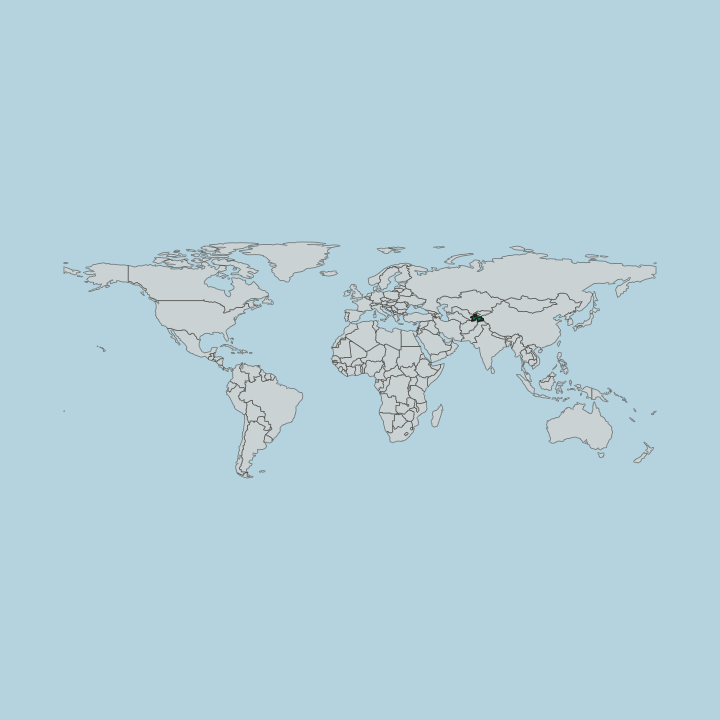
Bokhtar stands in southwestern Tajikistan. The city serves the Khatlon region from a point roughly 100 kilometres south of Dushanbe, with Kunduz in Afghanistan about 150 kilometres further on, and it is the largest place in southern Tajikistan. Ajina-Tepa lies close by.
The cloister site sits near the city, so the Khatlon capital and its one recorded monument occupy the same stretch of ground in the country's southwest.
What is the climate of Bokhtar?
The south is the warmer end. Bokhtar lies in the temperate band of the northern hemisphere, roughly 100 kilometres south of Dushanbe, and that southward step is the plainest thing the record gives for reading its conditions against the capital's. Seasons are the temperate kind.
A year in the Khatlon capital runs through four of them rather than through wet and dry, and travel to Ajina-Tepa or on toward Kunduz is planned against that calendar.
How do you get to Bokhtar?
Dushanbe is the usual starting point. Roughly 100 kilometres separate the Tajik capital from Bokhtar, which makes the run south the standard way into the Khatlon region from the north. The road continues south.
Kunduz in Afghanistan lies about 150 kilometres beyond Bokhtar, so the city stands on a line of movement rather than at the end of one.
Common questions
What is the best area to stay in Bokhtar?
Central Bokhtar: Khatlon work staged off the Dushanbe road. The Ajina-Tepa side: Visits to the Buddhist cloister recorded at Ajina-Tepa.
Another city in Viloyati Khatlon
Updated September 2026