Tunisia · Gouvernorat de Kairouan
Where to Stay in Kairouan, Gouvernorat de Kairouan
Kairouan is a holy city on the dry plains of central Tunisia, home to the Great Mosque of Kairouan, one of the oldest in Africa.
Hotel links are affiliate links: booking through them may earn us a commission, at no extra cost to you. It never affects how places are ranked. How this works


Where to stay in Kairouan
The practical side of choosing where to sleep.
Where you stay in Kairouan turns on the medina. Inside the old walls, guesthouses in restored houses put the Great Mosque of Kairouan, the shrines, and the covered souks within a walk, and staying in the medina suits anyone here for the holy city. The lanes empty after prayers.
Rooms hide behind the walls of the old town. Outside the ramparts, the newer town spreads into wider streets and easier roads. A room beyond the walls trades the medina for parking, space, and a quick road to the Aghlabid Basins and the highways out.
The modern quarters run plain and calm. If you want the mosques and the souks, stay in the medina; if you want space and the car, take a room outside. Whichever you pick, the walled medina stays within easy reach.
Find hotels in Kairouan
Direct booking searches for these neighbourhoods.
The medina
Inside the old walls within a walk of the Great Mosque of Kairouan and the covered souksFind hotels in The medinaStays wanting parking, space, and easy roads outOutside the walls
In the newer town beyond the ramparts, near the Aghlabid Basins and the highwaysFind hotels in Outside the wallsHotel links are affiliate links: booking through them may earn us a commission, at no extra cost to you. It never affects how places are ranked. How this works
Things to do in Kairouan
Ranked by global recognition; descriptions from Wikidata (CC0).
Museums & Galleries
1- Carpet Museum
Churches & Religious Sites
8- Great Mosque of Kairouan Heritage
- Three Doors Mosque Heritage
- Al Bey Mosque Heritage
- Al Malek Mosque Heritage
- El Lawlib Mosque Heritage
Show 3 more →
- El Aouania Mosque Heritage
- Sikaya Mosque Heritage
- El Hilali Mosque Heritage
Landmarks & Notable Places
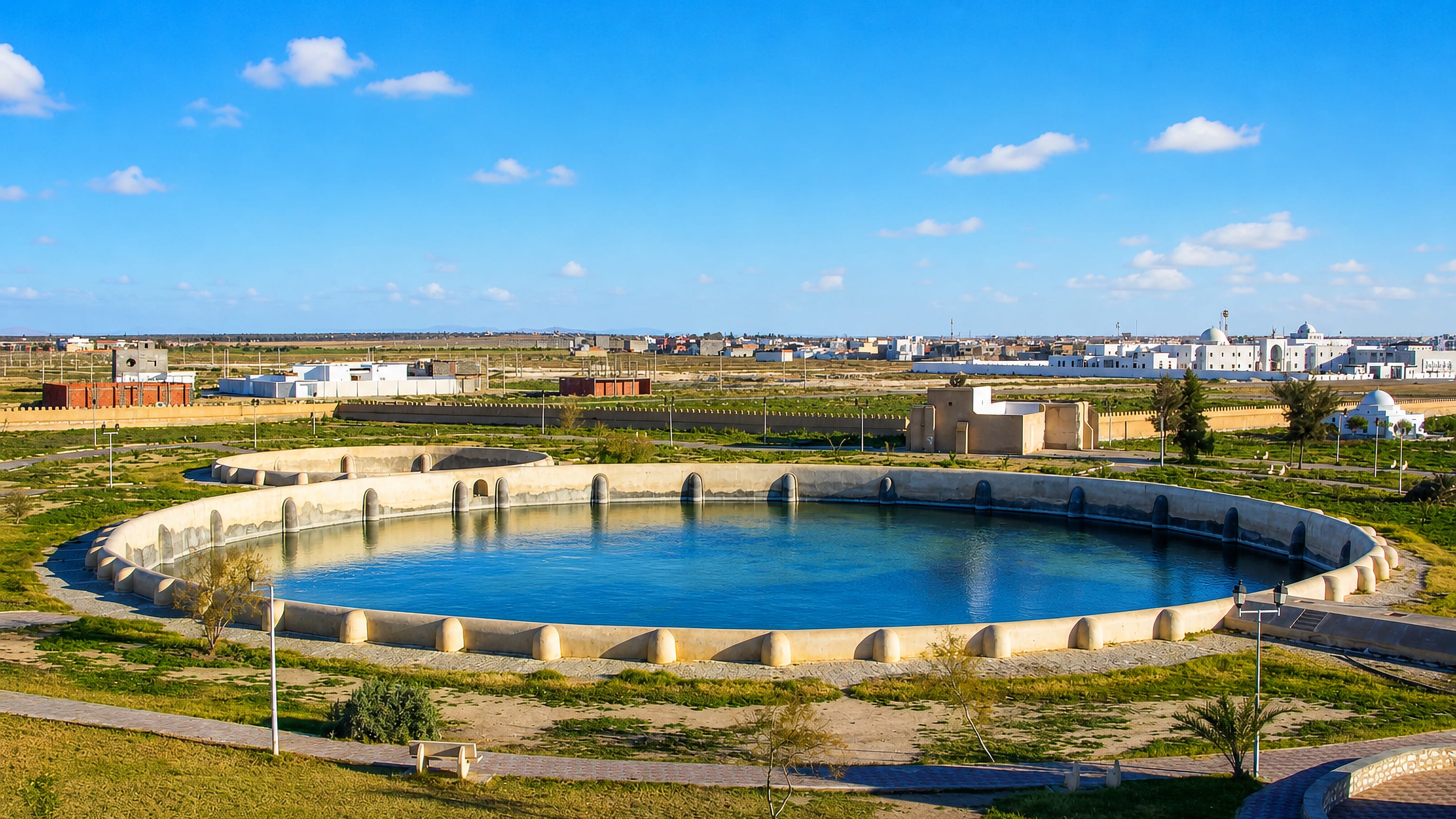
1- Aghlabid Basins Heritage
worth knowingacross 3 categories in Kairouan
About Kairouan
What is Kairouan known for?
Kairouan is one of Islam's holiest cities. The first Arab city of the Maghreb, it rose around the Great Mosque of Kairouan, whose great courtyard and minaret set the pattern for mosques across North Africa. Pilgrims have come for centuries.
Faith raised the town and holds it still.
What are the main landmarks in Kairouan?
The Great Mosque of Kairouan towers over the city. Its huge walled courtyard and square minaret are the oldest and grandest in the Maghreb, the sight that draws the faithful, and the Aghlabid Basins spread wide on the northern edge. Water and worship mark the town.
The Three Doors Mosque and the Zawiya of Sidi Sahib keep their shrines, and the well of Bir Barrouta still turns inside the old walls.
What is the history of Kairouan?
Kairouan was born of conquest. In the year 670, the Arab general Uqba ibn Nafi founded the city as a base for the armies carrying Islam across North Africa, the first great Muslim city of the Maghreb. War made it.
Around his Great Mosque of Kairouan the town grew into a capital of learning and faith, and under the Aghlabid dynasty it reached its height, its scholars and craftsmen famed across the Islamic world. The Aghlabids dug for water and built for God. They raised the vast Aghlabid Basins to store the winter rains, and the well of Bir Barrouta still turns above the old town.
Trade and pilgrims filled the gates. Mosques and shrines rose thick within the City walls of Kairouan, among them the Three Doors Mosque and the Zawiya of Sidi Sahib, where a companion of the Prophet is said to lie. Later dynasties moved their courts away to the coast.
Kairouan kept its mosques and its holiness through every age that followed.
Where is Kairouan?
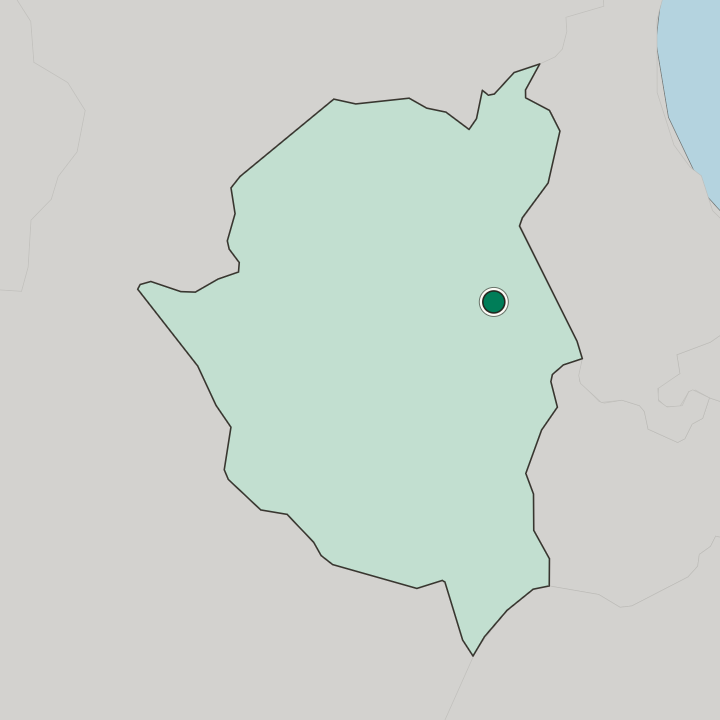
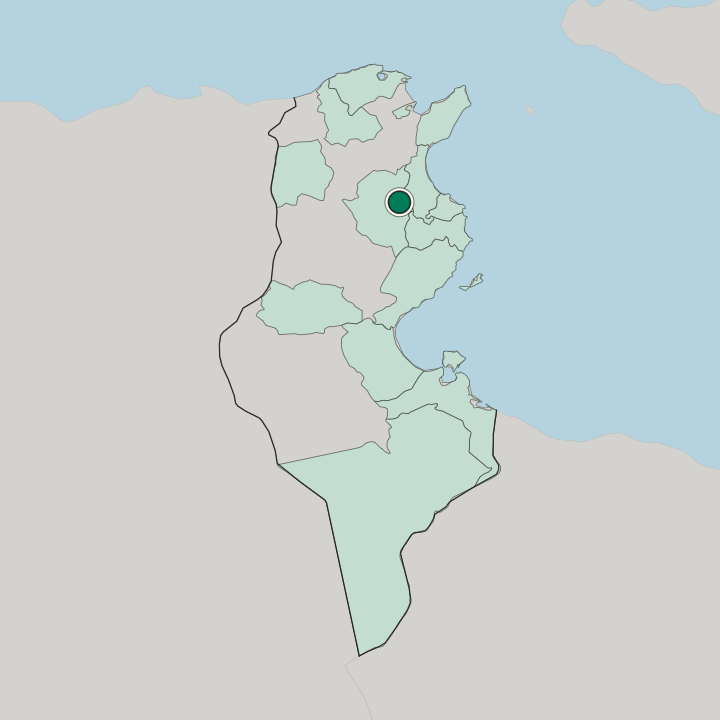
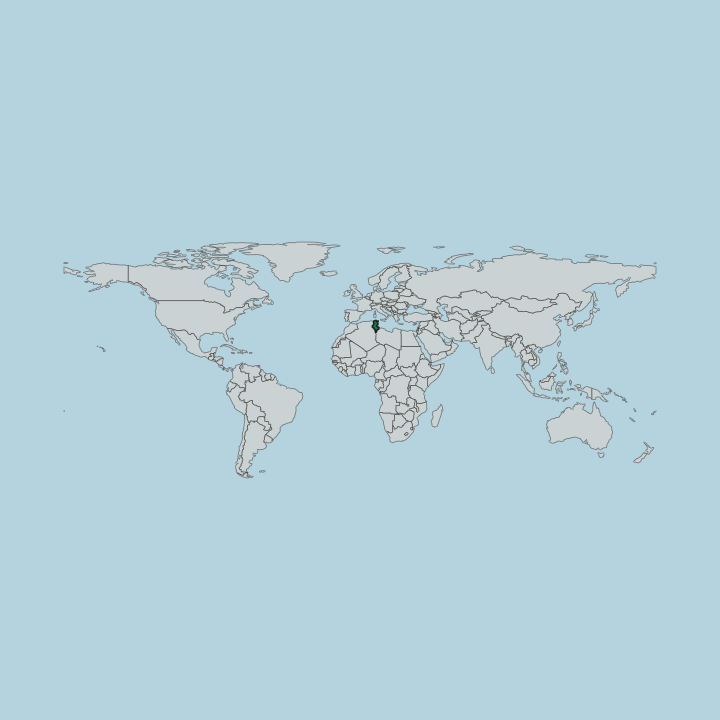
Kairouan stands on the open plains of the interior. The city lies inland from the Tunisian coast on a flat, dry steppe, ringed by olive groves and semi-desert that stretches toward the Sahara. Little rain falls on the plain.
The dry land shaped a city of wells and cisterns.
What is the climate of Kairouan?
Kairouan bakes in a semi-arid heat. Long, dry summers scorch the steppe, and the mild winters bring only scattered rain to the plains, with hot desert winds blowing in from the south. Dust hazes the sky in the heat.
The land stays thirsty most of the year.
How do you get to Kairouan?
Roads carry most travellers to Kairouan. The city sits inland at a crossroads of the Tunisian plains, an hour or two from the coast at Sousse and from the capital, Tunis, with buses and shared taxis running in. No railway reaches the old town.
Most arrive by road across the steppe.
Common questions
What is the best area to stay in Kairouan?
The medina: Visitors here for the Great Mosque, shrines, and souks. Outside the walls: Stays wanting parking, space, and easy roads out.
Good for
Updated September 2026